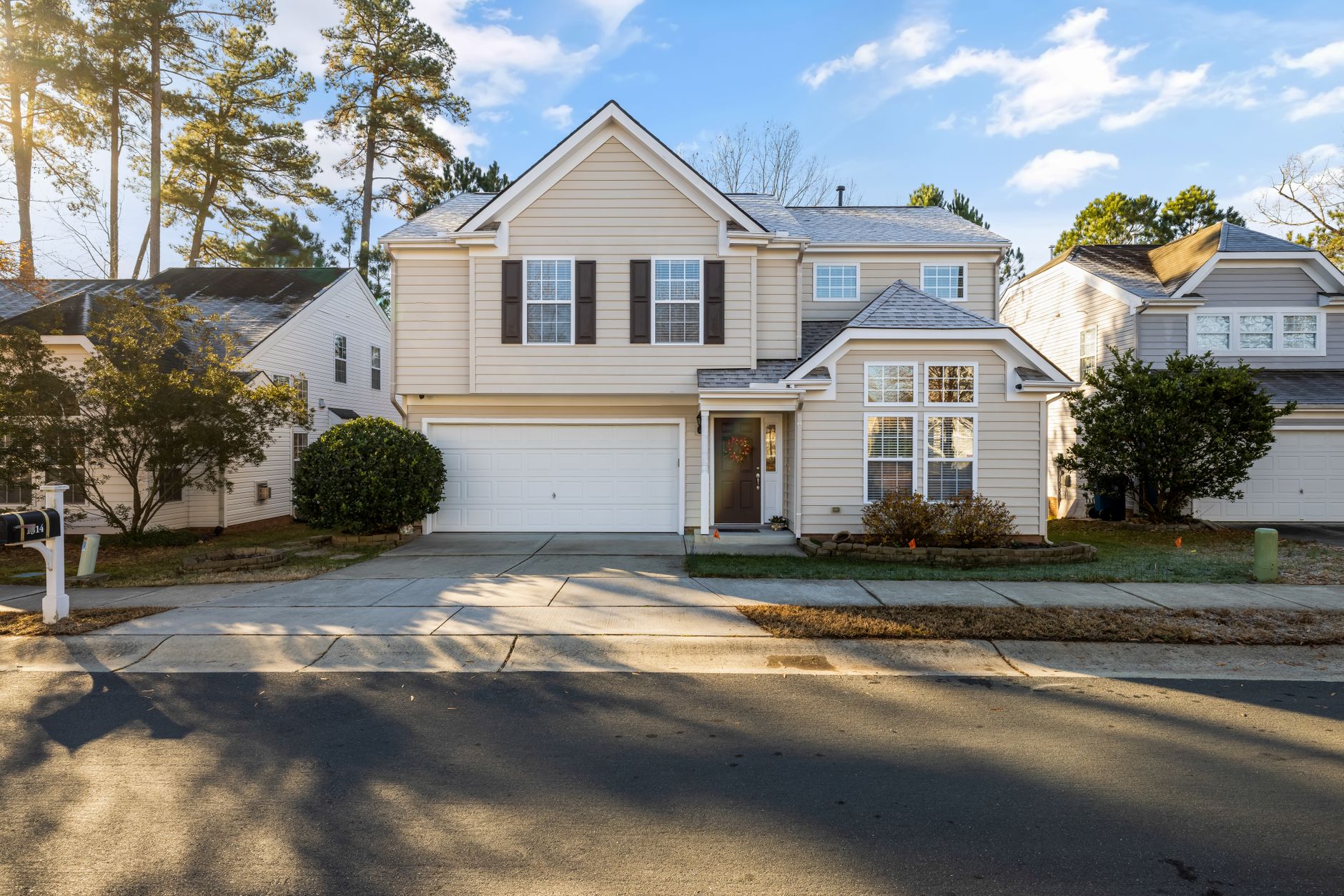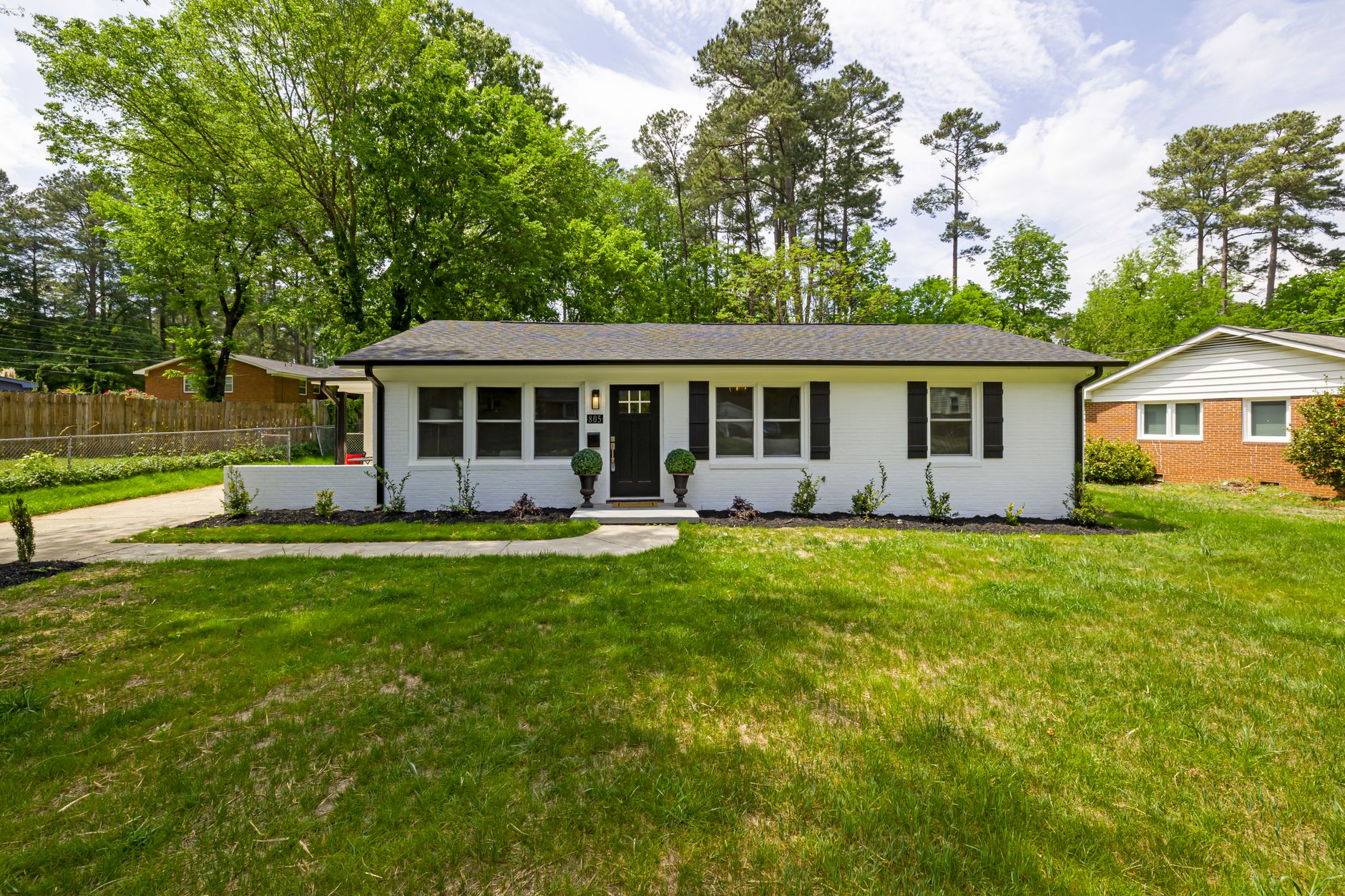


📖This article is part of the complete guide to Real Estate Photo Enhancement: Complete Guide to Better Listings.
Real Estate Photo Enhancement: What You Need to Know in 2026
In the dynamic 2026 real estate market, a buyer's first contact with a property happens through images. Data from the National Association of Realtors shows that 97% of homebuyers use the internet to search, and 89% consider photos the most important feature in a listing. Generic or poorly lit photos cause a property to be ignored in seconds, while professional, enhanced images generate 62% more inquiries. With real estate photo enhancement technology powered by artificial intelligence, agents can elevate the visual standard of their listings without needing a professional photographer or spending hours on manual editing. For a complete overview of AI use in the industry, see our guide to real estate photo enhancement.
What Is Real Estate Photo Enhancement?
📚
Definition
Real estate photo enhancement is the process of digitally improving property photographs to make them more attractive, realistic, and professional. It includes lighting adjustments, color correction, removal of unwanted objects, sky replacement, lawn enhancement, and virtual staging.
Unlike traditional editing, which requires advanced Photoshop skills and hours of work per image, real estate photo enhancement with AI automates these tasks using computer vision algorithms trained specifically for the real estate market. The result is images that maintain architectural fidelity – without distorting proportions or inventing elements – but with a visual appeal comparable to editorial spreads in design magazines.
In 2026, technology has advanced to the point where a photo taken with a smartphone can be transformed into an MLS-compatible image in under 30 seconds. This drastically reduces the cost per listing and speeds up time to market.

Why Is Real Estate Photo Enhancement Essential for Agents in 2026?
1. First Digital Impression Is Everything
According to a Zillow study, listings with professional photos receive 65% more views. When those photos are enhanced with techniques like sky replacement and virtual staging, the average time on market drops by more than half. In an environment where inventory moves quickly, every day less on the market means savings in carrying costs and higher return on investment.
2. Higher Sale Price
Research from Bright MLS indicates that properties with high-quality photos can sell for up to 3% more than those with amateur photos. For a $400,000 home, that's an additional $12,000. The cost of real estate photo enhancement with AI is minimal – pennies per image – making it one of the highest ROI marketing investments in the industry.
3. Differentiation in Crowded Portals
Portals like Realtor.com, Redfin, and Zillow display dozens of listings per page. The human eye is naturally drawn to images with vibrant colors, blue skies, and well-lit interiors. Listings without visual enhancement are quickly skipped.
4. Generation of Qualified Leads
Images that spark desire generate clicks and, consequently, leads. Agents who adopt real estate photo enhancement report a 70% increase in inquiries from serious buyers. Photo editing for real estate marketing makes listings more shareable on social media, expanding organic reach.
💡
Key Takeaway
Real estate photo enhancement isn't just about aesthetics – it's a proven strategy to sell faster and for a higher price.
How Does AI Real Estate Photo Enhancement Work?
The process involves artificial intelligence and computer vision to analyze each pixel of the image and apply corrections that mimic the work of a professional editor. The main technical steps include:
Step 1: Lighting Analysis and White Balance
The algorithm identifies underexposed (dark) and overexposed (blown out) areas and adjusts the overall exposure. It also corrects white balance to remove yellowish or bluish tones caused by artificial lighting.
Step 2: Color Correction and Saturation
Enhances natural colors – such as grass green and sky blue – without making the image look artificial. The models are trained on thousands of property photos to know the acceptable limit before it looks "photoshopped."
Step 3: Intelligent Sky Replacement
Automatically detects the horizon line, roofs, trees, and windows to replace gray skies with sunny scenes or dramatic sunsets, adjusting reflections and lighting to maintain consistency.
Step 4: Object Removal and Cleaning
Removes moving boxes, loose wires, parked cars, or lawn stains, filling the areas with coherent texture using inpainting techniques.
Step 5: Virtual Staging
Adds photorealistic furniture to empty rooms. The AI positions pieces respecting the room's perspective and lighting, even allowing style choices like contemporary, Scandinavian, or minimalist.
Step 6: Day to Night Conversion (Twilight)
Transforms daytime photos into nighttime scenes with warm interior lighting, window reflections, and dark blue skies. Studies show that twilight photos generate 40% more engagement for luxury properties.
📚
Definition
Twilight photography is a technique that captures the property during dusk, with interior lights on, creating a welcoming and sophisticated image.
Automating these steps through real estate photo enhancement with AI reduces post-production time from hours to seconds. For a detailed guide on implementing this workflow, read our step-by-step guide to real estate image processing.
Real Estate Photo Enhancement vs. Traditional Editing: Cost Comparison
| Feature | Traditional Manual Editing | Generic AI Tools | Real Vision AI |
|---|---|---|---|
| Cost per photo | US$ 5 – US$ 15 | Free – US$ 0.50 | From pennies |
| Turnaround time | 24 – 48 hours | Instant (low quality) | < 60 seconds |
| Professional quality | Yes (depends on editor) | Average (frequent hallucinations) | High (trained on real estate) |
| Sky replacement | Manual | Automatic (imperfect) | Accurate automatic |
| Virtual staging | US$ 50 – US$ 200/room | Not available or low quality | Included, photorealistic |
| MLS compliance | Yes | Average (distortions) | Yes, with integrated disclosure |
| Marketing tools | None | Limited | Social media, videos, tours |
The difference is clear: while manual editing offers quality but at high cost and slow speed, and generic AI tools fall short on accuracy, specialized real estate photo enhancement combines the best of both worlds. With Real Vision AI, agents get professional results in seconds without sacrificing reliability.
Best Practices for Ethical and Compliant Real Estate Photo Enhancement
1. Disclose the Use of Virtual Staging
Most MLS boards require that listings with digitally added furniture include a statement like "This room has been virtually staged to showcase the space's potential." This prevents complaints from buyers who visit the property and find an empty room.
2. Do Not Alter Permanent Structural Elements
It is ethically prohibited to remove power lines, hide foundation cracks, or add windows or doors that don't exist. Real estate photo enhancement should improve presentation, not deceive.
3. Maintain Realistic Proportions and Lighting
Photos with overly saturated colors or unrealistic shadows create frustrated expectations. Use tools that preserve architectural fidelity, like those from Real Vision AI.
4. Include Real Photos Alongside Enhanced Ones
In listings with virtual staging, it's good practice to also include the original empty room photo so buyers can compare.
5. Consider the Target Audience
First-time home buyer properties benefit from more accessible and functional staging, while luxury homes call for sophisticated environments and twilight photography.
Common Mistakes When Adopting AI Real Estate Photo Enhancement
Mistake 1: Overdoing Sky Replacement
Overly blue skies or unrealistic clouds can look fake. Choose natural tones according to the season and location.
Mistake 2: Using Generic Staging
Furniture that doesn't match the home's style or is disproportionate to the room. AI trained in real estate photography understands scales, but it's important to review each image.
Mistake 3: Ignoring MLS Rules
Some local MLS boards prohibit removal of permanent objects or require watermarks. Always check your region's guidelines.
Mistake 4: Not Optimizing for Mobile Devices
More than 70% of real estate searches are done on smartphones. Images that are too large or heavy take time to load and lose attention.
Mistake 5: Blindly Trusting Automation
AI is a tool, not a substitute for critical eyes. Always review each photo before publishing. To understand when it's the right time to update your strategy, see when to switch your photo editing tools.

Frequently Asked Questions (FAQ)
Is AI real estate photo enhancement allowed on all MLS portals?
Yes, the vast majority of MLS boards accept enhanced images, as long as there is no misrepresentation of permanent features. The general rule is: do not remove or add structural elements. For virtual staging, include a disclosure statement.
How long does it take to enhance a photo with AI?
With specialized tools like Real Vision AI, the process is nearly instant – about 12 to 30 seconds per photo, depending on the complexity of the enhancement.
Do I need a professional photographer to use these tools?
Not necessarily. While high-resolution photos from a pro are ideal, real estate photo enhancement with AI can significantly improve images taken with modern smartphones, provided they are well-lit and in focus.
How do I choose the best real estate photo enhancement software?
Look for platforms that offer realistic virtual staging, sky replacement, object removal, and have models specifically trained on real estate. Test the quality of results and ease of use. Our guide to the best virtual staging software options can help.
What if the AI distorts or hallucinates elements?
Always review the generated images. If you find distortions, the tool should allow manual adjustments or regeneration. Robust platforms like Real Vision AI minimize these errors with architectural consistency validation.
Conclusion and Next Steps
Real estate photo enhancement is no longer a differentiator – it's a requirement to compete in the 2026 real estate market. Agents who invest in high-quality images reap the benefits of more qualified leads, faster sales, and higher financial returns. AI technology has made this process accessible, fast, and ethical, as long as it's used transparently.
To get started, try Real Vision AI and transform your listings in seconds. To dive deeper into the topic, read our complete guide to real estate photo enhancement and discover how to integrate this strategy into your business.
About the Author
RealVisionAI Editorial Team is the team of visual real estate marketing experts at Real Vision AI. With years of experience in real estate photography and artificial intelligence, our mission is to help agents sell faster using cutting-edge technology.
Recommended Readings
To deepen your understanding of these topics, we recommend reading the following articles:
Free Real Estate AI Visual Playbook 2026
Discover how top realtors boost listing engagement by 62% and close deals faster using AI photo enhancement and virtual staging.