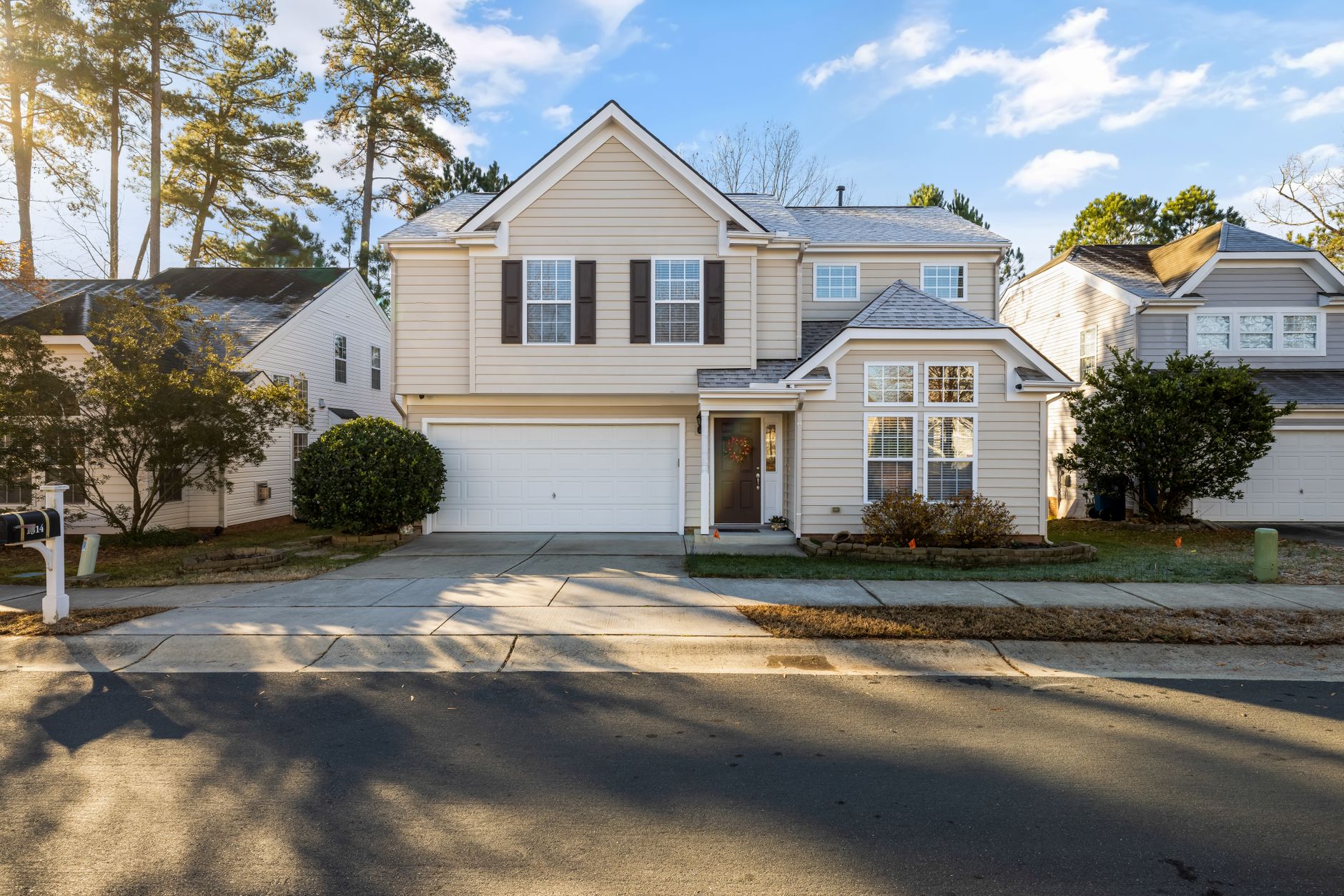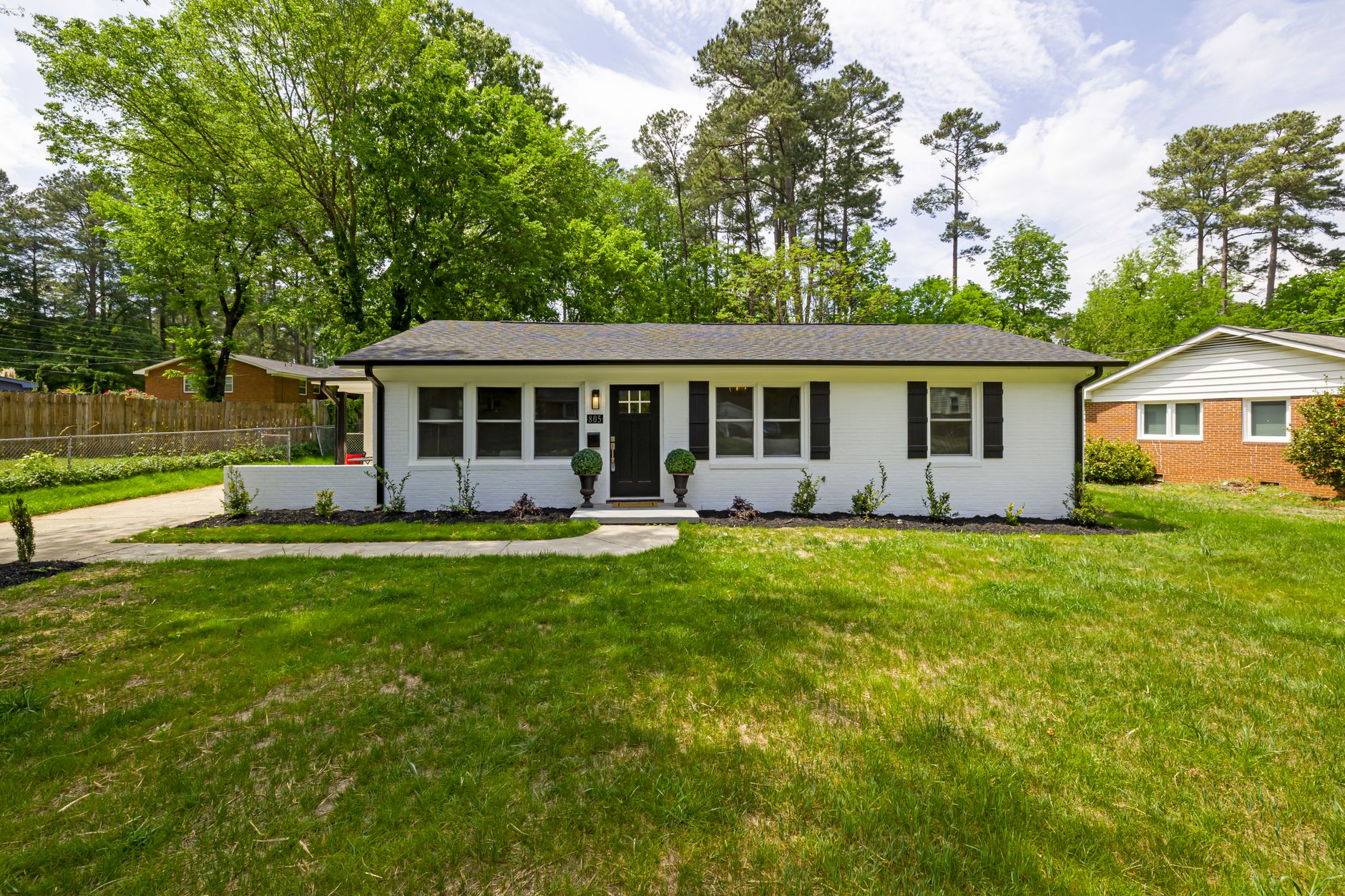


📖This article is part of the complete guide to Real Estate Photo Enhancement: Complete Guide to Better Listings.
Understand Real Estate Photo Enhancement: Transform Your Listings in 2026
In the competitive 2026 real estate market, visual appeal has become the single most important factor in determining how quickly a property sells and its final price. Data from the National Association of Realtors shows that 98% of buyers consider photos the most useful element in online listings, surpassing descriptions, videos, or floor plans in importance. If you still treat photo editing as a secondary detail, you're missing real business opportunities to competitors who have already adopted this technology.
💡
Key Takeaway
Properties with professionally enhanced photos and virtual staging receive 62% more buyer inquiries and spend 47% less time on the market, according to a 2025 Zillow Group study.
For a complete overview of how these technologies integrate into your workflow, check out our comprehensive guide on virtual staging software.

What Is Real Estate Photo Enhancement and How Does It Work?
📚
Definition
Real estate photo enhancement is the process of digitally improving property photographs using specialized software, artificial intelligence, and professional editing techniques to make properties more appealing to potential buyers.
Photo enhancement goes far beyond a simple Instagram filter. It's a set of advanced techniques that include exposure correction, color balancing, sky replacement, removal of unwanted objects, architectural perspective correction, and much more. When applied correctly, the result is an image that faithfully represents the property but with magazine-quality visual appeal.
In practice, the technology uses computer vision models trained on thousands of real estate images to recognize architectural patterns, identify elements that need correction, and apply improvements automatically. According to McKinsey, the artificial intelligence market in real estate is expected to reach $100 billion by 2027, with visual editing leading adoption among agents.
The complete process involves multiple layers of processing. First, the system analyzes the original image to identify problem areas, such as poor lighting, dull skies, or distracting objects. Then, it applies automatic corrections based on trained models. Finally, the agent can manually refine the adjustments to ensure the final result meets their expectations and the specific needs of each property.
An important distinction: while virtual staging adds furniture and virtual decor to empty rooms, photo enhancement improves what already exists in the photograph. Both are complementary and powerful when used together, but they serve different purposes in the property presentation process.
Why Real Estate Photo Enhancement Is Essential in 2026
The human brain processes images 60,000 times faster than text, and this has direct implications for modern buyer behavior. When a potential buyer searches for properties online—on Zillow, Realtor.com, or Redfin—their decision to click or ignore a listing happens in fractions of a second.
The Definitive Digital First Impression
Buyers take only 19 seconds to decide whether to click on a listing based on the photos. If the first image doesn't impress, the listing is simply ignored, no matter how good the property actually is. This means that photos without professional treatment are literally costing you sales opportunities.
Multiplied Engagement on Platforms
Listings with optimized photos receive up to 3x more views on real estate portals. This increase in engagement is no coincidence: the algorithms on these platforms prioritize listings with higher interaction, creating a virtuous cycle where better photos generate more views, which generate more leads, which generate more sales.
Converting Views into Sales
The impact doesn't stop at views. Listings with virtual staging and enhanced photos convert 30% more online visits into in-person showings. A Redfin study confirmed that 82% of buyers discard listings with bad photos, while the National Association of Realtors found that 88% of buyers consider photos crucial in deciding whether to visit a property.
Common Problems in Untreated Photos
| Problem | Impact on Buyer | AI Solution |
|---|---|---|
| Cloudy skies | Property looks gloomy and less appealing | Automatic sky replacement |
| Brown grass | Reduces exterior appeal and curb appeal | Greenup AI |
| Poor lighting | Hides important architectural details | Smart light adjustment |
| Empty rooms | Makes spatial visualization difficult for buyer | Precise virtual staging |
| Personal objects | Distracts focus from the property | Automatic clutter removal |
| Crooked angles | Conveys lack of professionalism | Perspective correction |
| Washed-out colors | Property looks old and poorly maintained | Advanced color balancing |
| Inconsistent exposure | Makes it hard to compare rooms | Automatic standardization |
How to Choose the Right Tool for Your Needs
The market for real estate enhancement tools has grown exponentially in recent years, but not all solutions are equal. Some offer only basic filters, while others use advanced artificial intelligence with impressive results. Choosing the right tool can mean the difference between photos that just "look better" and photos that actually sell properties faster.
Essential Evaluation Criteria
When evaluating options, consider factors like processing speed, final result quality, ease of use, cost-effectiveness, and customer support. Tools that process images in batches save hours of work. Those with intuitive interfaces reduce the learning curve. And platforms with responsive support ensure problems are resolved quickly.
The Importance of Architectural Accuracy
One of the biggest risks of generic tools is architectural distortion. Poorly trained software can alter proportions, create impossible shadows, or add elements that make no structural sense. For real estate, where buyer trust is paramount, these errors are unacceptable. It's essential to choose a solution specifically trained on real estate images, like Real Vision AI.
From Basic Tools to Professional Solutions
There are free options that offer simple brightness and contrast adjustments. At the intermediate level, software like Adobe Lightroom allows advanced manual control. But for truly professional results at scale, platforms with specialized AI offer the best balance of quality, speed, and cost.
For a detailed analysis of the best available options, check out our comparative guide to real estate AI tools.
How RealVisionAI Revolutionizes Your Listings
Our platform was built on a clear premise: democratize access to professional-grade real estate photography. Unlike generic solutions, Real Vision AI uses artificial intelligence models trained exclusively on real estate market images, ensuring accurate and photorealistic results with every transformation.

Competitive Advantages of Real Vision AI
Architectural accuracy is our main differentiator. Our algorithms preserve original proportions, lines, and perspectives, ensuring the property is represented with total fidelity. Additionally, we adapt regional decor and furniture styles to suit the local audience of each market. Visual consistency across all photos in a listing is guaranteed through uniform processing, creating a cohesive visual narrative.
5 Key Transformations in 12 Seconds
- Sky Replacement AI: Replaces gray skies with realistic options, from sunrises to golden sunsets, completely transforming the property's atmosphere
- Lawn Enhancement: Corrects uneven lawns and adds healthy vegetation, significantly boosting curb appeal
- Virtual Staging 4K: Over 120 decor styles with high-resolution furniture, adapted to each type of room
- Day-to-Dusk: Converts daytime photos into nighttime images with cozy lighting, ideal for highlighting ambiance
- Obstacle Removal: Removes vehicles, trash, and temporary objects without affecting the structure, cleaning up the scene for the buyer
Each transformation is processed in just 12 seconds, allowing agents to enhance dozens of photos in minutes. The reduced cost, compared to traditional manual services, makes the technology accessible even to individual agents with limited budgets.
Step-by-Step Guide to Professional Enhancements
Implementing an efficient photo enhancement workflow doesn't have to be complicated. With the right approach and the right tools, you can completely transform the visual presentation of your listings in no time.
Pre-Production: Capturing Ideal Images
The quality of the final result depends directly on the quality of the original image. Shoot in RAW when possible, as this format preserves much more information for editing. Use a tripod to avoid camera shake and ensure sharp images, especially in low-light environments. Capture all key angles, including the facade, kitchen, living room, bedrooms, and bathrooms, as well as relevant architectural details.
Pro Tip: Position yourself in the corners of rooms to capture two walls simultaneously. This creates a sense of spaciousness and helps buyers better understand the space.
Processing on the Platform
After capturing the images, processing is fast and intuitive. Upload directly from your smartphone or DSLR camera to the platform. Select the desired enhancement package, which can range from Basic, Premium, or Commercial, depending on the level of transformation needed. Adjust specific parameters like sky intensity, wood tone, and virtual decor style.
The interface is designed to be accessible even for those with no image editing experience. The system offers real-time previews, allowing you to compare before and after before finalizing each transformation.
Post-Production: Strategic Distribution
With the enhanced images ready, the next step is efficient distribution. Download versions optimized for MLS, which require specific compression without significant quality loss. Generate variants for social media with vertical crops for Stories and Reels. Create automatic collages for digital brochures and printed materials. The system also allows batch export, saving hours of manual work.
To maximize reach, integrate your enhanced images into a broader real estate visual marketing and digital marketing strategy for agents.
Investment vs. Return: Detailed Financial Analysis
The question every agent asks is: is photo enhancement worth the investment? The answer is a resounding yes, especially when you look at the cold, hard numbers.
Average Scenario: 3-Bedroom House
| Service | Traditional Cost | RealVisionAI Cost | Savings |
|---|---|---|---|
| Physical staging | $3,500/month | $29.90 | 99% |
| Professional photographer | $800/session | $0 (use your photos) | 100% |
| Manual editing | $15/photo | $0.50/photo | 97% |
| Twilight photos | $400/session | Included | 100% |
The numbers are impressive. An agent who photographs 20 properties per month can save over $50,000 annually by adopting AI technology. Beyond direct savings, there's increased revenue: properties with professional photos sell faster and often at higher prices.
💡
Key Takeaway
The return on investment in photo enhancement is one of the highest in real estate marketing. Every dollar invested in professional visualization returns an average of $30 in perceived property value.
Real Case: A São Paulo real estate agency reduced photography costs by 78% and increased sales by 35% after implementing Real Vision AI in 2025. The return on investment was achieved in less than 30 days of use.
Ethics and Compliance in AI Use
Transparency is key when using visual enhancement technology. While the goal is to present the property in the best possible light, it's essential to maintain high ethical standards.
Guidelines for Responsible Use
Always add the disclosure "Photos with digital enhancement" in listing descriptions. This not only keeps you compliant with industry standards but also builds trust with buyers. Respect reasonable limits: never remove exposed wiring, structural issues, or other defects that could mislead buyers about the property's actual condition.
Follow the guidelines established by regulatory bodies like CRECI, as well as the policies of the platforms where you publish your listings. In 2026, digital transparency has become a competitive differentiator, and buyers value agents who are honest about their use of technology.
Understanding the Difference: Photo Enhancement vs. Virtual Staging
Many professionals confuse these two concepts, but they are fundamentally different. Photo enhancement improves existing elements in the photograph, such as lighting, color, sky, and even object removal. Virtual staging, on the other hand, adds elements that don't exist, such as furniture, decor, and even visual structural changes.
The best strategy is to use both together. First, enhance the base photography with enhancement techniques. Then, add virtual furniture to empty rooms. The result is a complete presentation that shows the full potential of the property.
To better understand when and how to use each technique, explore our practical guide on when to use virtual staging and discover how these tools complement each other.
Frequently Asked Questions about Real Estate Photo Enhancement
What's the difference between photo enhancement and virtual staging?
Photo enhancement improves existing elements in the image, such as light, color, sky, and even temporary object removal. Virtual staging adds virtual furniture and decor to empty rooms, creating a vision of the space's potential. Both are complementary and, when used together, create a complete presentation that shows the property in its best possible state, increasing appeal for different buyer profiles.
Can I use smartphone photos for photo enhancement?
Yes, absolutely! Our AI processes images from any device, including smartphones. For best results, we recommend cleaning the lens before shooting, using HDR mode when available, and avoiding digital zoom. Photos taken in RAW on a smartphone offer even more editing flexibility. Even medium-quality photos can be transformed into professional images, as the AI system is trained to correct common amateur capture issues.
How do I ensure the photos don't look artificial?
Our algorithms use precise physical lighting, shadows consistent with solar orientation, realistic textures on virtual furniture, and correct architectural perspective. This ensures the final result is photorealistic, practically indistinguishable from photos taken with professional equipment. Additionally, we offer manual control so you can adjust the intensity of each transformation, ensuring the final result meets your specific expectations.
Is there a photo limit per plan?
We offer flexible packages to meet the needs of different professional profiles. The Starter plan includes 50 photos per month, ideal for agents who sell few properties monthly. The Professional plan includes 200 monthly photos, sufficient for active agents. For agencies and large operations, we offer Enterprise plans with unlimited processing and API access for full integration.
Does the AI alter square footage or distort architecture?
Absolutely not. Our system preserves all actual dimensions of the property and avoids any distortion that could mislead buyers. Architectural accuracy is our core principle, and our models are specifically trained to maintain correct proportions, lines, and perspectives. This means the buyer sees exactly what the property offers, presented in the best possible way.
How long does it take to process a batch of photos?
Each individual transformation takes just 12 seconds with Real Vision AI. A typical batch of 30 photos can be processed in under 10 minutes, including upload and download. This represents a huge time savings compared to the manual process, which can take hours or even days with traditional professional editors.
Does photo enhancement work for all property types?
Yes, photo enhancement works for all property types: houses, apartments, commercial properties, land, and even pre-construction developments. The enhancement techniques are universal, though they can be adapted to highlight specific features of each property type. Commercial properties can benefit from more corporate lighting, while luxury residences can use more sophisticated staging styles.
Do I need technical knowledge to use the platform?
No. The platform is designed to be intuitive, even for those who have never edited a photo professionally. The interface guides the user through each step of the process, and transformations are applied automatically with high-quality results. If you know how to use a smartphone, you know how to use Real Vision AI.
How does photo enhancement integrate with my current workflow?
Our platform offers integrations with automatic MLS, WordPress for real estate websites, CRM tools like Salesforce, and social media platforms. You can process photos in batches and automatically distribute them to your publishing channels, saving hours of manual work.
Is photo enhancement allowed by real estate platforms?
Yes, as long as you follow each platform's guidelines. The key is transparency: many MLS systems require enhanced photos to be identified as such. Our recommendations include disclosing that digital enhancement was applied and never altering structural features of the property. Following these guidelines keeps you compliant while still reaping all the benefits of professional photos.
Integration with Your Workflow
True efficiency comes when photo enhancement becomes a natural part of your process, not an extra step. The platform is designed to integrate seamlessly into your existing workflow, eliminating friction and saving valuable time.
Process Automation
Connect the platform directly to your preferred MLS for automatic publishing, eliminate manual steps by integrating with WordPress for real estate websites, sync with CRM tools like Salesforce to maintain a complete history for each property, and schedule social media posts to maximize reach.
Team Collaboration
Different professionals on your team can collaborate on the same project, with customized permissions for photographers, agents, and managers. This ensures visual consistency across your entire operation, regardless of who is processing each property.
Scalability
Our infrastructure is designed to grow with you. From individual agents to large agencies with operations in multiple cities, we have plans that adapt to your needs. The practical virtual staging guide offers additional insights on how to integrate this technology into your daily routine.
2026 Trends in Real Estate Visualization
The real estate visualization market is evolving rapidly, and 2026 trends are transforming how properties are presented. Full 3D rendering allows the creation of immersive virtual tours from just two photos, giving buyers an almost real viewing experience without leaving home.
Climate modulation is gaining traction, allowing buyers to visualize the property in different seasons, from a blooming spring garden to a snowy winter yard. Demographic personalization is making staging smarter, adapting decor to the buyer profile the agent is targeting for each property.
Augmented reality allows buyers to visualize furniture through their smartphone, even before visiting the property in person. These innovations are reshaping buyer expectations and making photo enhancement not just desirable but essential for agents who want to stand out.
Conclusion: The Future Is Visual
In a market where 82% of buyers discard listings with bad photos, according to a 2025 Redfin study, investing in visual presentation is no longer optional—it's mandatory for any agent who takes their business seriously. Real estate photo enhancement is the most efficient tool available today to increase engagement, accelerate sales, and maximize property prices.
With RealVisionAI, you get processing speed in just 12 seconds, savings of up to 90% compared to traditional manual services, and proven results with 62% more engagement on your listings. The platform was developed by experts who understand the nuances of the real estate market, ensuring that every image represents the property in the best possible way, without ever compromising architectural accuracy.
Ready to transform your listings? Visit the Real Vision AI website today and discover how AI can revolutionize the way you present properties in the competitive 2026 market.
To continue deepening your knowledge, explore our complete guide on the benefits of photo enhancement and discover how this technology can boost your results. Also check out our guide on real estate image processing to understand the technology behind the scenes. And for agents in specific markets, our solutions for Washington and Detroit offer valuable insights.
About the Author
RealVisionAI Editorial Team is the specialized Real Estate Visuals and AI PropTech team at Real Vision AI. With years of experience in the real estate market and deep knowledge of artificial intelligence technologies applied to photography, our mission is to help agents and photographers sell faster by harnessing the power of professional visualization.
Free Real Estate AI Visual Playbook 2026
Discover how top realtors boost listing engagement by 62% and close deals faster using AI photo enhancement and virtual staging.