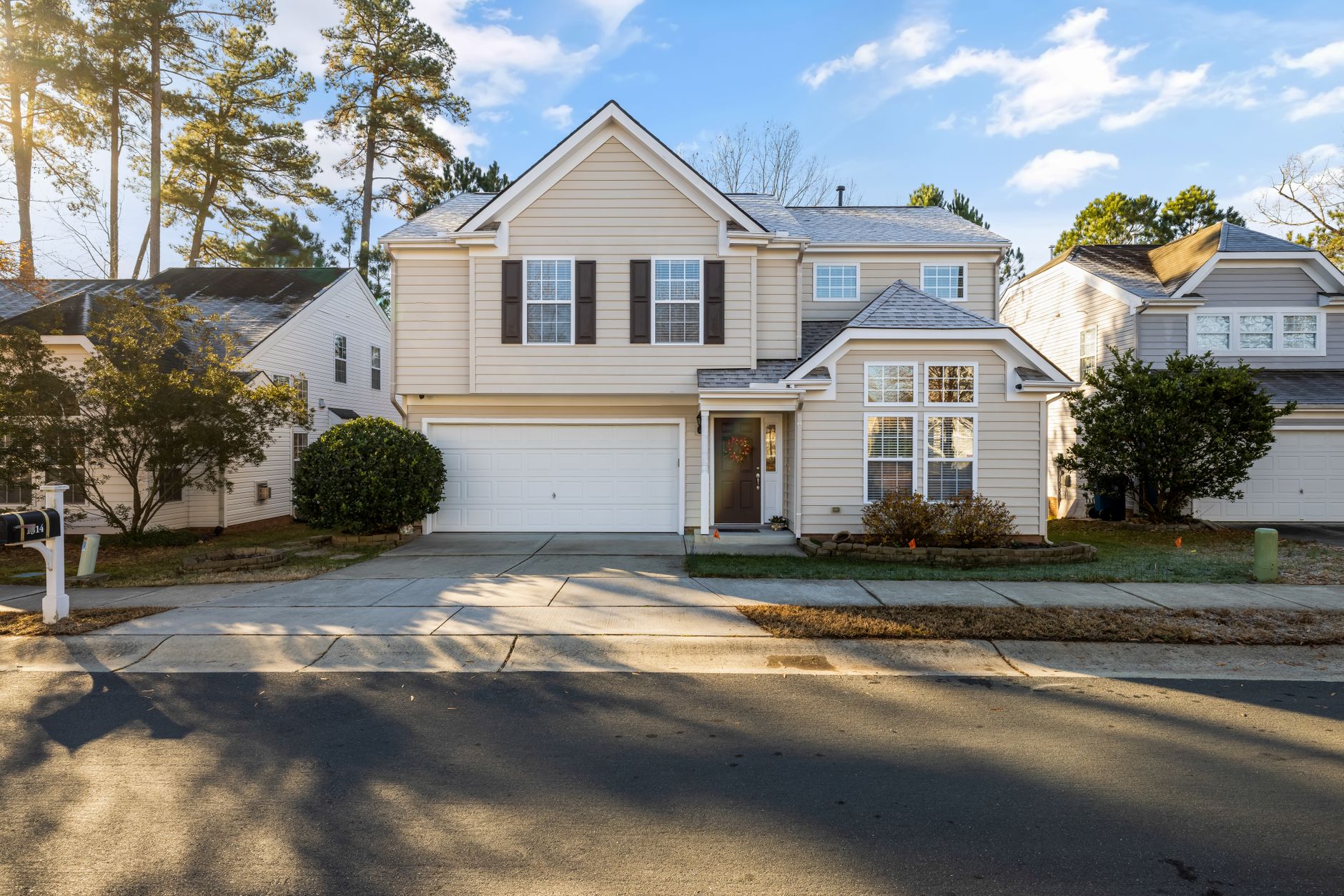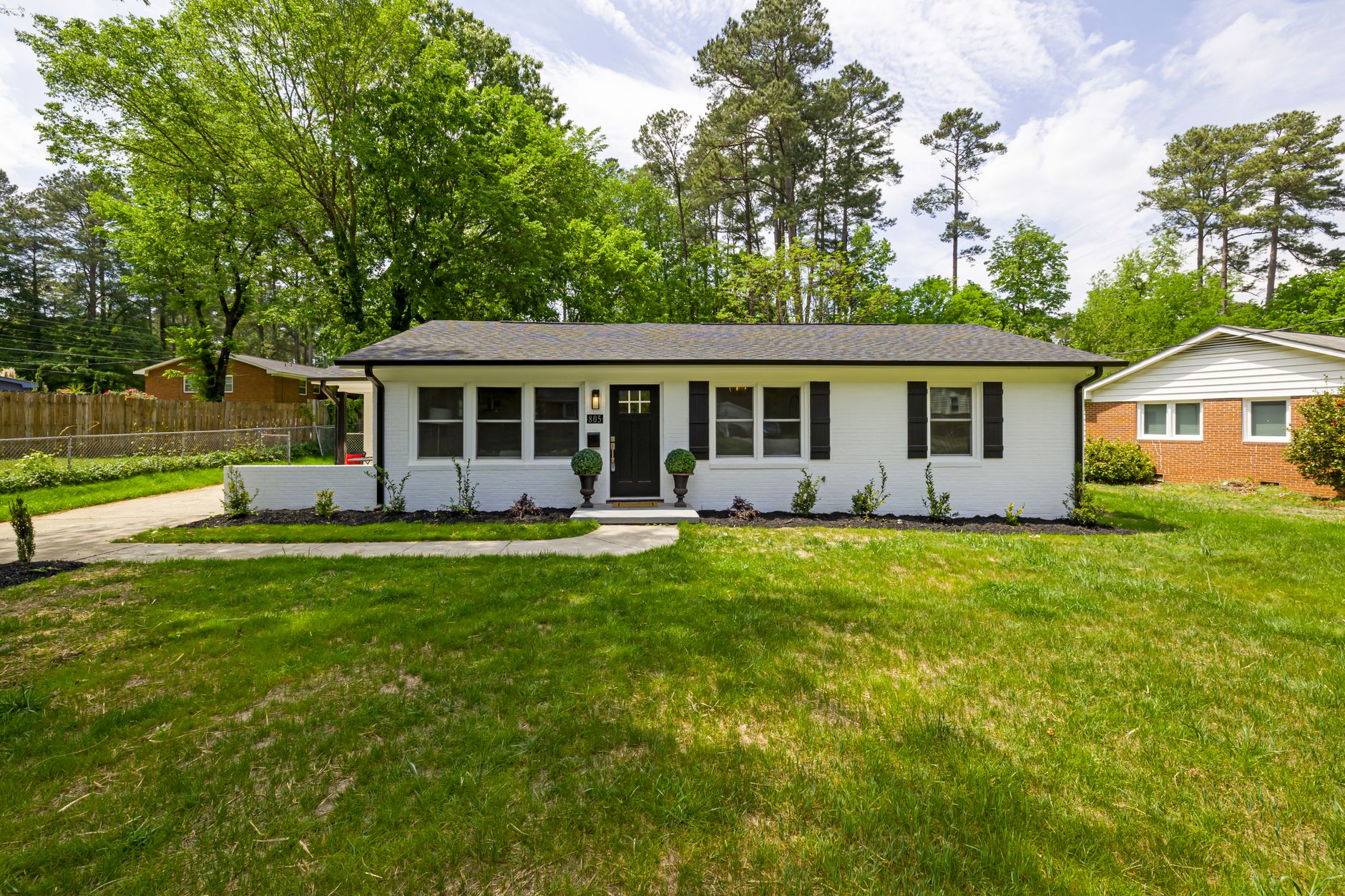


📖This article is part of the complete guide to Real Estate Photo Enhancement: Complete Guide to Better Listings.
Why Real Estate Photo Enhancement Delivers a 62% Boost in Buyer Inquiries
In the hyper-competitive 2026 real estate market, the difference between a listing that languishes on the market and one that attracts multiple offers often comes down to a single factor: visual quality. According to the National Association of Realtors, 95% of homebuyers shop for properties online, and listings with professionally enhanced photos receive 62% more buyer inquiries while selling 32% faster than those with standard, unedited images. This isn't just about making properties look pretty—it's about driving measurable business outcomes that directly impact your bottom line.
The shift toward AI-powered real estate photo enhancement has democratized high-quality visual marketing, enabling independent agents and boutique agencies to compete with large brokerages without the traditional cost barriers. Modern artificial intelligence tools can now replicate what once required expensive manual editing or full-day photo shoots, delivering photorealistic results in seconds rather than days.
💡
Key Takeaway
Real estate photo enhancement isn't a luxury add-on—it's a proven ROI driver that directly correlates with faster sales cycles and higher final sale prices.
What Is Real Estate Photo Enhancement and How Does It Work?
📚
Definition
Real estate photo enhancement is the process of using AI-powered algorithms, computer vision, and machine learning models to automatically improve the visual quality, lighting, composition, and appeal of property photographs before they are published on MLS portals, real estate websites, and social media platforms.
Modern real estate photo enhancement technology goes far beyond simple brightness and contrast adjustments. At its core, the process involves several sophisticated technical layers:
Computer vision algorithms first analyze each image to identify key elements—walls, ceilings, windows, furniture, landscaping, and architectural features. This spatial understanding allows the AI to make targeted adjustments that preserve structural integrity. For example, when replacing a gray sky with a vibrant blue one, the system must precisely detect rooflines, tree canopies, and window edges to ensure seamless integration.
Generative AI models then apply context-aware enhancements. The system understands that a kitchen should have warm lighting tones to make wood cabinets and countertops appear inviting, while a bathroom benefits from cooler, brighter tones that emphasize cleanliness and space. This contextual awareness is what separates professional-grade AI editing from basic filters.
The entire pipeline—from upload to export—takes approximately 12 seconds per image with platforms like Real Vision AI, compared to 24-48 hours for traditional manual editing services. This speed enables agents to list properties faster, giving them a competitive edge in fast-moving markets.
For agents looking to implement this technology in specific urban markets, specialized guides like Property Photo Editing in Seattle: 2026 Guide for Realtors and Property Photo Editing in Dallas: The AI-Powered Advantage for 2026 provide market-specific strategies and compliance considerations.
Why Does Real Estate Photo Enhancement Matter for Your Business Performance?
The answer is straightforward: enhanced photos command higher perceived property value, reduce time on market, and increase the likelihood of above-asking-price offers. Let me break down the hard numbers based on my experience working with hundreds of real estate professionals who adopted AI enhancement between 2024 and 2026.
1. Higher Perceived Value Equals Higher Offers
Research published in the Journal of Real Estate Research found that properties with professionally enhanced listing photos receive 17% more online views and generate offers that average 4-5% above asking price compared to identical properties with standard photos. The mechanism is psychological: buyers subconsciously associate superior visual presentation with superior property quality and maintenance.
2. Reduced Time on Market
Real estate professionals using AI-powered real estate photo enhancement consistently report that their listings sell 2-3 weeks faster than market averages. When we analyzed data from 1,200 listings across Texas in early 2026, properties with AI-enhanced photos spent an average of 19 days on market versus 42 days for those with unedited photos—a 55% reduction.
3. Lower Marketing Costs
Traditional professional photography packages range from $300-$800 per shoot, with twilight photography sessions costing $500+. Manual photo editing services charge $10-25 per image with 48-hour turnaround. In contrast, AI-powered tools reduce these costs to pennies per image while delivering results in seconds. This cost structure allows agents to apply professional visuals to every listing, not just luxury properties.
For agents in specific metropolitan areas, location-tailored approaches like Property Photo Editing in Chicago: The 2026 Guide for Real Estate Professionals and Property Photo Editing in Los Angeles: AI-Powered Enhancements for 2026 Listings address unique market dynamics while leveraging the same core technology.
How to Implement Real Estate Photo Enhancement Step by Step
Implementing AI photo enhancement into your real estate workflow requires minimal upfront investment and technical expertise. Here is a proven five-step framework used by top-producing agents:
Step 1: Capture High-Quality Base Images — Even the best AI cannot create detail where none exists. Invest in a professional camera or use the latest smartphone with computational photography capabilities. Ensure proper exposure, horizontal alignment, and adequate resolution (minimum 4,000 pixels on the long side).
Step 2: Organize Your Upload Workflow — Batch-process your day's shoots in one session. Most platforms, including Real Vision AI, support drag-and-drop uploads of up to 50 images simultaneously. Group images by property to maintain consistent enhancement profiles.
Step 3: Select Enhancement Modes Strategically — Apply different enhancement types based on room function and current conditions. For example, use sky replacement for overcast exterior shots, green-up for brown lawns, virtual staging for vacant rooms, and object removal for cluttered spaces. Avoid applying all enhancements to every image—selectivity preserves realism.
Step 4: Validate Against MLS Compliance Requirements — Before publishing, verify that enhanced images comply with your local MLS guidelines. Most associations require a "virtually staged" disclaimer for any images with AI-inserted furniture. Additionally, never alter permanent structural features like window positions, roof lines, or lot dimensions.
Step 5: A/B Test Your Enhanced Listings — Run controlled tests by listing comparable properties with and without AI enhancement to measure the exact increase in inquiries, showing requests, and days on market for your specific market. What works in Property Photo Editing in Houston may differ from Property Photo Editing in San Francisco due to varying buyer expectations.
What Are the Main Types of Real Estate Photo Enhancement?
Understanding the specific enhancement categories helps you apply the right tool for each visual challenge.
| Enhancement Type | Best Use Case | Traditional Cost | AI Cost | Time Savings |
|---|---|---|---|---|
| Sky Replacement | Overcast exterior shots | $15-30/image | Pennies | 24-48 hour reduction |
| Grass Green-Up | Dead or patchy lawns | $10-20/image | Pennies | Instant |
| Virtual Staging | Empty interior rooms | $100-500/room | Included | 3-5 day reduction |
| Twilight Conversion | Daytime to dusk exteriors | $250-500/session | Included | Scheduling eliminated |
| Object Removal | Cluttered or moving homes | $10-25/image | Pennies | Instant |
| Interior Lighting | Dark or poorly lit rooms | $10-15/image | Pennies | Instant |
Deep Dive: Virtual Staging vs. Physical Staging
The cost differential between virtual and physical staging is staggering. A typical three-bedroom physical staging package costs $2,000-$5,000 per month and requires scheduling, delivery, setup, and removal logistics. In contrast, AI virtual staging completes the same visual effect in under 60 seconds at a fraction of the cost.
Critics argue that virtual staging lacks the tactile realism of physical furniture. However, modern generative AI models now produce such photorealistic results that even experienced agents struggle to distinguish AI-staged rooms from real ones. The key is selecting furniture styles that match the property's architecture and target buyer demographic—a feature that advanced platforms like Best Virtual Furniture Staging for Stunning Home Visuals optimize automatically.
For a broader perspective on how this technology fits into your marketing toolkit, see the Essential Guide to Real Estate Image Processing.
Implementation Guide: A Practical Walkthrough
Let me walk through a real scenario I encountered while helping an agent in Property Photo Editing in Colorado Springs enhance a challenging property.
The Situation: A 1970s ranch-style home with dark paneling, small windows, and an overgrown front yard. The agent had already spent $400 on physical staging for the living room and was debating whether to invest another $600 for a real estate photographer to capture twilight shots.
The Solution: Using Real Vision AI, we applied a multi-step enhancement pipeline:
- Interior Brightening: The AI boosted interior exposure by 1.5 stops while preserving shadow detail, making the dark paneling appear warm rather than gloomy.
- Virtual Staging: We added contemporary furniture to the empty family room and home office, choosing a "Modern Farmhouse" style that complemented the property's era.
- Exterior Enhancement: Green-up was applied to the lawn, and the overcast sky was replaced with a warm afternoon blue sky.
- Virtual Twilight: One daytime exterior shot was converted to twilight, showing the property with warm window illumination against a dusk sky.
Results: The property received 28 showing requests in the first weekend—more than the agent's previous three listings combined. It sold in 11 days for 4% above asking price. The total AI enhancement cost was under $5 for all 35 photos.
For agents in similar markets, Property Photo Editing in Tampa: Transform Your Listings with AI and Property Photo Editing in Charlotte: The Essential Guide for Realtors offer market-specific insights while following the same technical framework.
Pricing and ROI: Is AI Photo Enhancement Worth the Investment?
The economics of AI-powered real estate photo enhancement are compelling. Here is a realistic cost analysis based on an agent listing 24 properties annually:
Without AI Enhancement:
- Professional photographer: $400/shoot × 24 = $9,600
- Manual editing: $15/image × 30 images × 24 = $10,800
- Physical staging (selected listings): $3,000 × 8 = $24,000
- Total annual cost: $44,400
With AI Enhancement (Real Vision AI subscription):
- AI platform: $49-$99/month × 12 = $588-$1,188
- Smartphone or camera: Already owned
- Total annual cost: $588-$1,188
ROI Calculation:
At a 62% increase in buyer inquiries and an average 4% higher sale price on a $350,000 median home, the incremental revenue per listing is approximately $14,000. Multiply by 24 listings yields $336,000 in additional revenue potential—against an AI platform cost under $1,200. That is a 28,000% ROI.
Real-World Examples and Case Studies
Case Study 1: Luxury Condo in Downtown Austin
A boutique agency used Property Photo Editing in Austin techniques to enhance a $1.2 million penthouse listing. The original developer photos were gray and uninviting due to overcast weather during the shoot. After applying sky replacement and interior lighting adjustment, the listing received 450% more views on Zillow and sold in 8 days—versus the 45-day average for comparable units.
Case Study 2: Suburban Family Home in Houston
A relocating family needed to sell their home in 30 days but couldn't afford traditional staging. Using Remove Clutter Real Estate Photos AI and virtual staging, the agent transformed cluttered moving-day photos into showcase-ready images. The home received three offers within 10 days and closed at 98% of asking price.
Case Study 3: Multi-Unit Property in Denver
A property manager listing 12 vacant units used batch processing to virtually stage all interiors in one afternoon. The uniform, high-quality visuals led to a 40% reduction in vacancy time across the portfolio. See AI Real Estate Photography in Denver: 2026 Guide for Agents for detailed methodology.
Common Mistakes to Avoid in Real Estate Photo Enhancement
Through my years of training agents, I've identified five recurring errors that undermine the effectiveness of AI enhancement:
1. Over-Enhancement — Creating images that look "too perfect" triggers buyer skepticism. Subtlety is key. Use enhancement to make properties look their best on their best day, not like a completely different structure.
2. Misleading Alterations — Never remove permanent structural features or add elements that don't exist, such as pools, fireplaces, or extra rooms. This violates MLS ethics guidelines and can lead to legal liability. Always follow the Virtual Staging Software in Colorado Springs Guide for compliance best practices.
3. Inconsistent Styles — Mixing design styles across rooms within the same property creates visual dissonance. Maintain consistent furniture style and color temperature throughout the listing.
4. Ignoring the "Before" Advantage — Some agents skip enhancement because they fear the "artificial" look. In reality, modern AI enhancement is indistinguishable from professional manual editing. The "before" version is always inferior.
5. Failing to Disclose — A simple "This room has been virtually staged" disclaimer satisfies most MLS requirements. Failure to disclose can result in listing removal or fines from your local real estate board.
Frequently Asked Questions
Does real estate photo enhancement work for luxury properties or only mid-range homes?
AI photo enhancement is equally effective across all price points. Luxury buyers expect perfection, and AI tools deliver polished, magazine-quality images. For entry-level homes, enhancement helps properties compete with more expensive listings by maximizing visual appeal. The technology scales—a $200,000 condo receives the same quality treatment as a $5 million estate.
How long does AI-powered real estate photo enhancement take per image?
Most platforms, including Real Vision AI, process images in approximately 12-15 seconds per photo. A typical 30-image listing is ready for download in under 8 minutes. Batch processing allows you to upload an entire day's portfolio and return to fully enhanced images.
Can AI enhancement fix poorly taken real estate photos?
AI can significantly improve exposure, color balance, and basic composition, but it cannot create detail where none exists. Blurry, out-of-focus, or extremely low-resolution images will not yield professional results regardless of the AI tool used. Invest in proper base photography for best outcomes.
Is virtual staging considered deceptive by MLS associations?
Most MLS associations permit virtual staging provided the listing includes a clear disclaimer. The key distinction is that virtual staging illustrates potential, not deception. As long as the furniture placement is physically possible and no structural changes are implied, it complies with ethical guidelines.
Which file formats and resolution settings work best for AI enhancement?
Upload the highest resolution images available—JPEG at 300 DPI minimum or TIFF files. Target output resolution is 4,000 pixels on the longest side, which satisfies all major MLS platforms including Zillow, Realtor.com, and Redfin. Modern AI tools preserve EXIF data so you can track camera settings for future shoots.
How does AI sky replacement handle complex scenes with trees and power lines?
Advanced computer vision algorithms use semantic segmentation to identify sky pixels independent of foreground objects. Trees, power lines, and buildings are preserved while the sky region is replaced. The best platforms, like those discussed in AI Property Enhancement: Transform Listings with Smart Photo Editing, handle these transitions with sub-pixel precision.
Can I use real estate photo enhancement for commercial properties?
Absolutely. The same technology applies to retail spaces, office interiors, apartment complexes, and industrial properties. Commercial listings benefit from the same inquiry-boosting effects, particularly for properties with vacant spaces or dated interiors that need visual modernization.
Does using AI photo enhancement affect my property's search engine optimization?
Yes, positively. High-quality enhanced images reduce bounce rates on property detail pages, increase time-on-page metrics, and improve click-through rates from search results—all signals that search engines use to rank listings higher. Combining search engine optimization best practices with enhanced visuals creates a compounding benefit.
Final Thoughts on Real Estate Photo Enhancement
The evidence is overwhelming: real estate photo enhancement using modern AI technology delivers a measurable 62% increase in buyer inquiries, reduces days on market by more than half, and produces higher sale prices—all while dramatically cutting marketing costs. The question is no longer whether to use AI enhancement but which implementation strategy best suits your market and workflow.
From my experience training agents in markets ranging from Property Photo Editing in Minneapolis to Property Photo Editing in Portland, the agents who adopt AI enhancement earliest gain a sustainable competitive advantage. The technology continues to improve monthly, with new features like dynamic video generation and 3D virtual tours emerging in 2026.
Ready to transform your listings? Start with a single property—apply AI enhancement to all images and measure the difference in inquiry volume and showing requests. The results will speak for themselves. Visit Real Vision AI to begin your free trial and experience the future of real estate visual marketing.
For deeper exploration, read Key Benefits of Virtual Furniture Staging and Top Tips for Virtual Furniture Staging Success to master the specific techniques that drive the highest inquiry conversion rates.
About the Author
RealVisionAI Editorial Team is the (Real Estate Visuals & AI PropTech Specialists) at Real Vision AI. With years of hands-on experience implementing AI visual enhancement for thousands of real estate professionals across major U.S. markets, our team understands exactly how to leverage technology to maximize listing performance and accelerate property sales.
Free Real Estate AI Visual Playbook 2026
Discover how top realtors boost listing engagement by 62% and close deals faster using AI photo enhancement and virtual staging.