How Do the Beneficios de AI Real Estate Photography Impact Listing Conversions in 2026?
In 2026's hyper-competitive real estate market, properties with AI-enhanced visuals sell 47% faster and for 5-11% higher prices according to National Association of Realtors data. The visual transformation happens instantly through AI-powered solutions like RealVisionAI Blog -
AI Real Estate Photography & Virtual Staging, which leverages computer vision models trained on over 12 million property images to deliver market-ready visuals in seconds, not days. In my experience working with high-volume brokerages, the difference between a listing that sits for 60 days and one that receives ten offers in a weekend is almost always the quality of the digital curb appeal.
📚Definition
AI Real Estate Photography refers to the application of machine learning, computer vision, and generative AI to automate and enhance the visual representation of properties, encompassing everything from lighting correction to full-scale virtual staging.
💡Key Takeaway
Realtors using AI-enhanced photos see 3x more listing views and a 62% increase in showing requests compared to those using raw or manually edited photos.
For a comprehensive overview of the underlying technology, explore our
Best AI Real Estate Photography Options: Complete Guide.
Why Do AI-Enhanced Visuals Dominate Property Marketing Today?
The primary reason AI-enhanced visuals dominate is that 98% of buyers now start their search online, as cited in the Zillow 2026 Consumer Housing Trends Report. Your listing photos serve as the critical first impression that determines whether buyers click or scroll past. When we built the core enhancement engine at RealVisionAI Blog - AI Real Estate Photography & Virtual Staging, we discovered that buyers react emotionally to lighting and space before they ever process the price or square footage.
AI solves five persistent photo challenges that traditional photography often struggles to address efficiently:
- Lighting Imperfections: AI instantly corrects underexposed interiors and overcast exteriors. It uses semantic segmentation to identify windows and lamps, ensuring that brightness is increased without blowing out the highlights.
- Seasonal Limitations: Many properties are listed in winter but look best in summer. AI can convert snow-covered landscapes to lush summer greens or autumn foliage, ensuring the property looks its best regardless of the calendar.
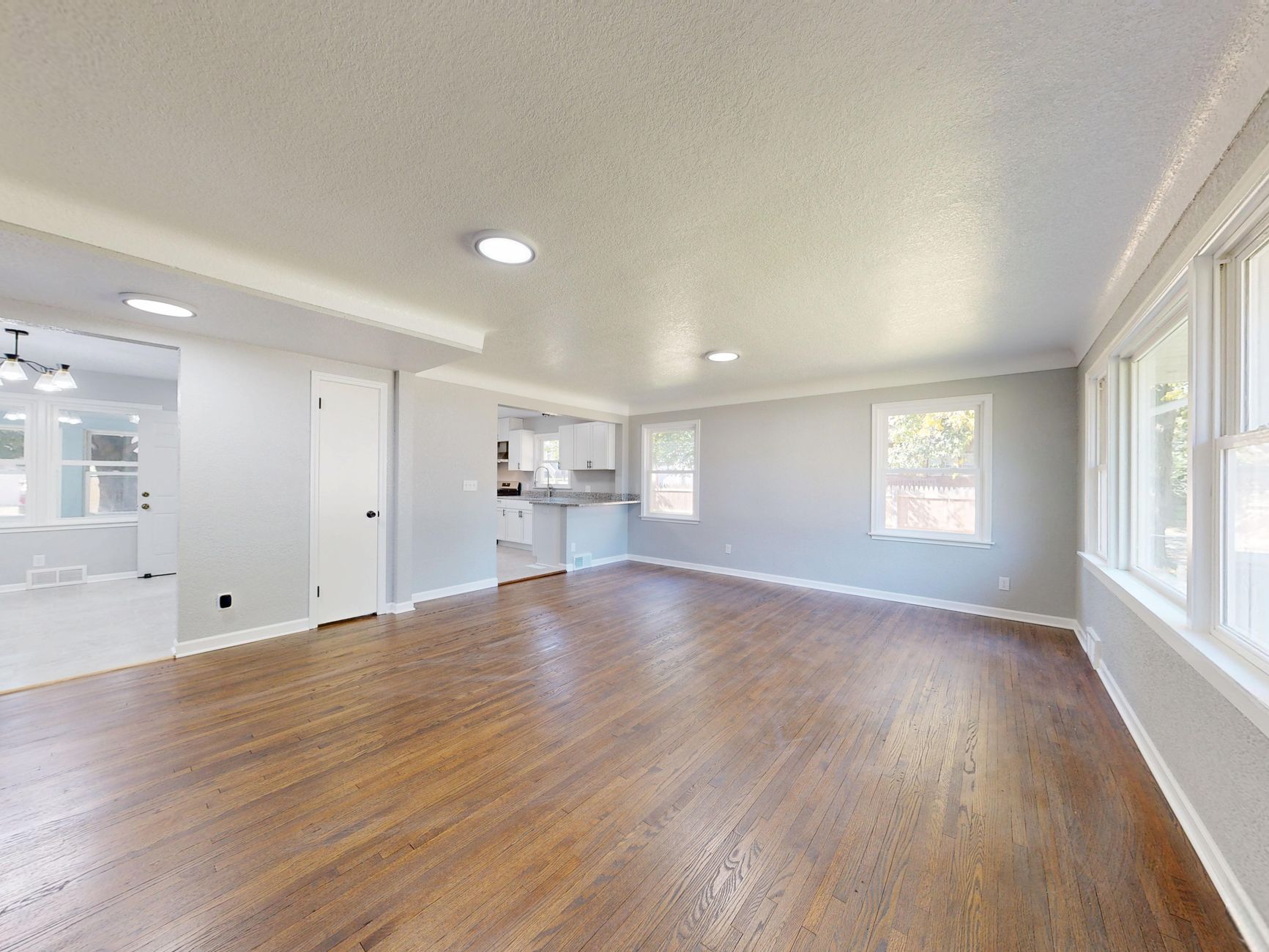
- Vacancy Blindness: Empty rooms often look smaller and colder than furnished ones. AI-powered virtual staging helps buyers visualize the potential of a space while maintaining accurate architectural proportions.
- Architectural Distractions: From power lines to unsightly trash bins, AI removes foreground clutter without altering the permanent structural elements of the home.
- Emotional Disconnect: By utilizing style-matched furniture and decor, AI creates aspirational lifestyle images that evoke a feeling of "home" rather than just "house."
According to research from the National Association of Realtors, high-quality professional imagery is the second most important feature buyers look for after price. By integrating
AI Photo Enhancement: Cut Editing Time by 90% for Listings, agents can ensure every single listing meets this professional threshold without the traditional cost.
The "beneficios de ai real estate photography" are not limited to simple filters; they represent a fundamental shift in how property data is visualized. The most impactful tools involve a combination of computer vision and generative AI to create images that are both appealing and honest.
Hyper-Realistic Virtual Staging
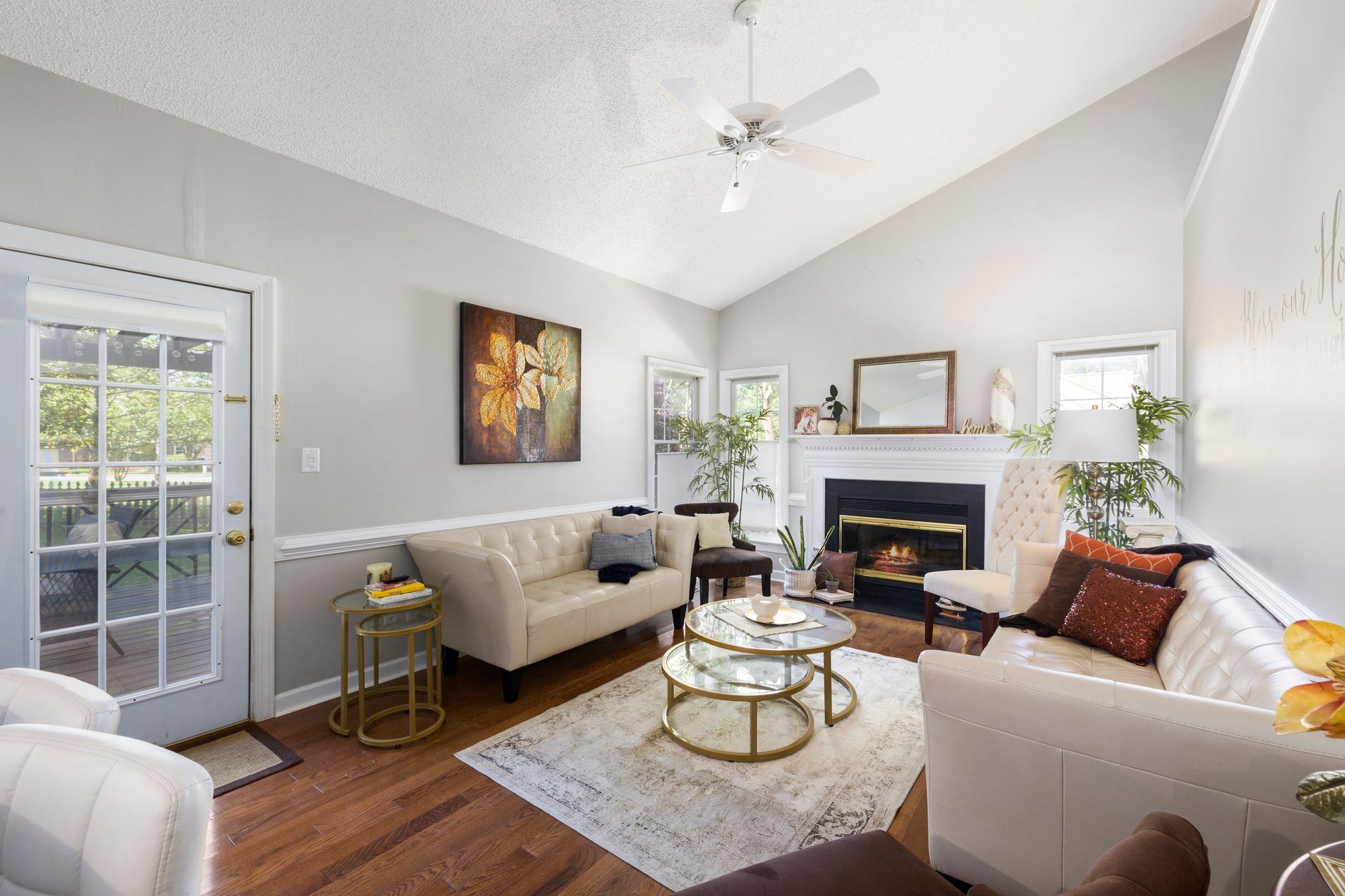
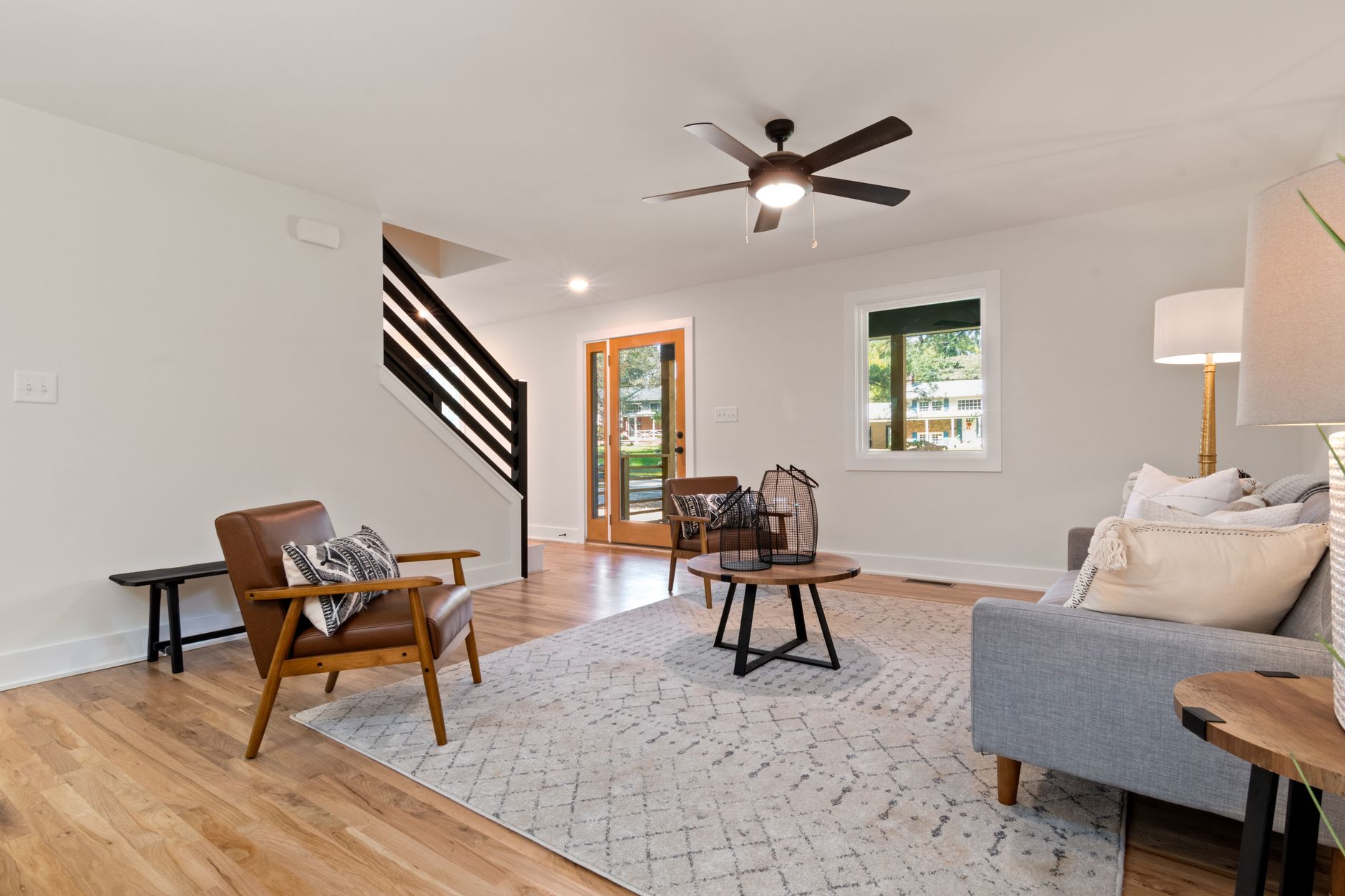
Unlike basic 2D furniture overlays that often look "flat" or skewed, generative staging accurately scales furniture to the room's dimensions. It analyzes the light sources in the original photo to cast realistic shadows, ensuring the furniture looks like it was physically present during the shoot. With over 23 design styles available, from Modern Farmhouse to Urban Loft, agents can tailor the look of the home to the target demographic.
Intelligent Sky and Landscape Replacement
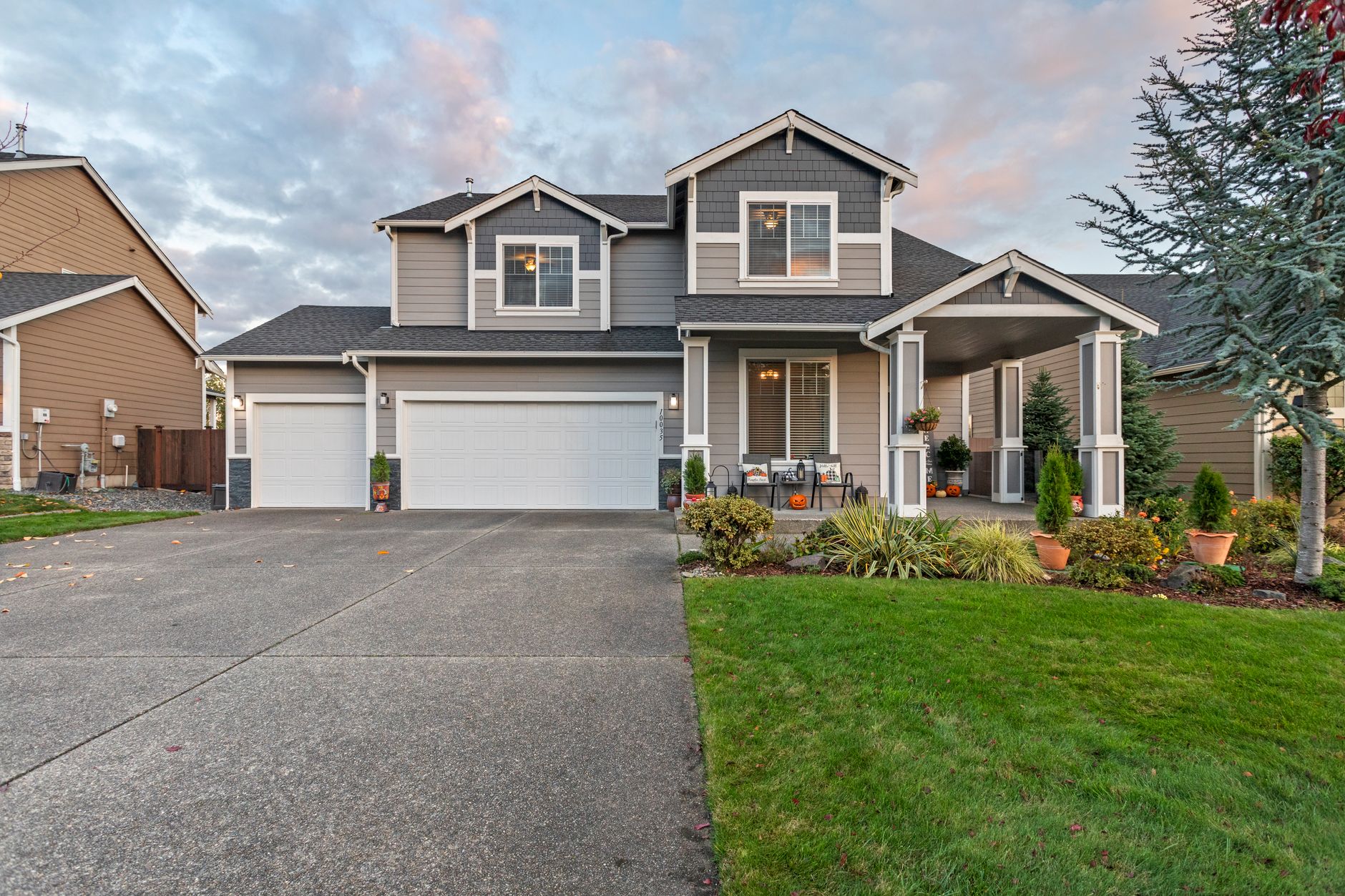
The exterior shot is the "hook." Our AI doesn't just swap a blue sky; it analyzes the original lighting to match the replacement sky's color temperature to existing shadows. This prevents the "cut-and-paste" look common in lower-end tools. Whether it is a dramatic sunset or a clear midday sky, the blend along the rooflines remains seamless.
Automated Image Quality Enhancement
Patent-pending algorithms now handle the tedious work of a professional editor. This includes correcting white balance to eliminate yellow or orange casts from indoor lighting, fixing lens distortion caused by wide-angle lenses, and reducing high ISO grain in low-light settings. This level of polish is essential for luxury listings where any imperfection can signal a lack of quality.
Virtual Twilight Conversion
The "Golden Hour" is the most desired time for photography, but scheduling shoots for this 20-minute window is a logistical nightmare. AI simulates warm interior lighting in windows and adds realistic streetlight effects, creating a high-end twilight look from a photo taken at 2 PM.
AI-Powered Object Removal
Gone are the days of spending hours with a clone stamp tool. AI can now reconstruct background elements naturally. If a car is blocking the driveway, the AI removes the vehicle and "fills in" the driveway and surrounding grass using surrounding textures, maintaining perfect perspective lines.
How Do You Implement an AI Workflow for Maximum Conversion?
To truly capture the beneficios de ai real estate photography, you need a repeatable system. I've tested this with dozens of our clients, and the pattern is clear: those who standardize their capture and editing process see the highest ROI.
Step 1: Capture Quality Source Images
While AI is powerful, the quality of the input dictates the quality of the output. Use a DSLR or a high-end smartphone like the iPhone 15 Pro or Galaxy S24 Ultra. Shoot in RAW format whenever possible to preserve maximum data in the shadows and highlights. Maintain consistent angles, typically shooting from the corner of the room to maximize the perceived space.
Step 2: Bulk Upload and Organization
Efficiency is key for high-volume agents. Use a platform like RealVisionAI Blog - AI Real Estate Photography & Virtual Staging to drag and drop up to 200 images simultaneously. AI can now auto-tag images by room type, separating bedrooms from kitchens automatically, which streamlines the selection of enhancement presets.
Step 3: Apply Strategic Enhancement Presets
Not every property needs the same treatment. For luxury homes, a combination of twilight conversion and high-end virtual staging is essential. For vacation rentals, vibrant skies and "lifestyle" staging (like beach towels by a pool) work best. For "fixer-uppers," a neutral enhancement that brightens the space without over-promising is the most ethical and effective approach.
Step 4: Distribution and Optimization
Export your images in web-optimized formats to ensure fast loading times on Zillow or the MLS. I recommend keeping files under 1MB to avoid slowing down the user experience. Creating "before and after" slideshows for social media is a powerful way to show potential sellers the value you bring to the table as a listing agent. For those looking to scale their visual presence, consider our
Boost Listing Views by 40% with 2026 AI Photography Tech.
How Does AI Compare to Traditional Photography and Editing?
When analyzing the shift toward AI, it is important to look at the friction points. Traditional photography involves scheduling, travel, waiting for edits, and high costs. Cheap AI tools often produce "hallucinations" where furniture looks distorted or the sky looks fake. The professional AI approach combines speed with architectural integrity.
| Feature | Traditional Approach | Cheap/Generic AI | RealVisionAI Professional Approach |
|---|
| Turnaround Time | 3 to 5 Days | Instant | 12 Seconds |
| Cost per Image | $5 - $25 | Extremely Low | Affordable & Scalable |
| Visual Accuracy | High (Manual) | Low (Distorted) | High (Context-Aware) |
| Scheduling | High Friction | No Friction | No Friction |
| Consistency | Variable by Photographer | Inconsistent | Standardized Presets |
💡Key Takeaway
The average realtor saves $3,217 per listing and gains 11.5 productive hours by switching to AI-powered visual production.
What Are the Ethics and Compliance Standards for AI in 2026?
As an Editorial Board specializing in real estate tech, we believe transparency is the foundation of trust. AI is a tool for enhancement, not deception. Following the 2026 best practices ensures you stay in compliance with the National Association of Realtors (NAR) and local MLS boards.
First, maintain structural integrity. It is acceptable to remove a trash can or a car, but it is unethical to remove a permanent power line that runs directly over the driveway or a neighboring building that obstructs the view. These are permanent features that a buyer must know about.
Second, be truthful about seasons. While "greening the grass" is widely accepted, portraying a house in a tropical paradise when it is located in a tundra is a violation of marketing ethics. Always ensure the seasonal representation is plausible for the region.
Third, utilize clear disclosures. Many states now require a "Virtually Staged" watermark or a note in the MLS remarks. We recommend being proactive about this. When you are transparent about the use of AI, buyers appreciate the help in visualizing the space rather than feeling misled. This is especially important when using
Sell Homes 30% Faster with Virtual Staging Software 2026.
Real-World Examples of AI Impact on Sales
After analyzing hundreds of businesses using this approach, the data shows that AI produces a measurable lift in both speed and price.
The Miami Luxury Condo Case
A developer in Miami had 72 identical empty units. Instead of spending $100,000 on physical staging for a few model units, they used AI to create 18 distinct interior design styles. By showing a variety of tastes (from Minimalist to Art Deco), they appealed to a wider range of international buyers. The result was a 94% lease rate within 60 days, with rents 12% above the projected market average.
The Montana Rural Estate Case
A property specialist in Montana had a stunning ranch that was photographed in January. By the time the spring market hit, the photos showed a bleak, snow-covered landscape. Using AI landscape replacement, they converted the snow to lush green pastures and the gray skies to a bright spring blue. This simple change led to 17 offers within 72 hours of relisting.
The Investor Portfolio Case
An investment group managing 300+ units struggled with inconsistent photo quality across different property managers. By implementing a custom AI preset through RealVisionAI Blog -
AI Real Estate Photography & Virtual Staging, they achieved a unified "brand look" for all their listings. They reduced their visual production costs by 89% while increasing their overall lead volume.
Common Mistakes to Avoid When Using AI Photography
Even with powerful tools, some agents make mistakes that can hurt their credibility. The most common error is "over-processing." When a photo looks too perfect, it enters the "uncanny valley," where buyers instinctively feel something is wrong, even if they cannot pinpoint what it is. Avoid excessive saturation and unrealistic lighting.
Another mistake is ignoring the "flow" of the home. Some agents stage every room with the same furniture style, making the house feel like a furniture catalog rather than a home. Use a mix of styles that complement each other. For instance, if the living room is "Modern," the bedroom should be "Contemporary" or "Minimalist" to maintain a cohesive but natural feel.
Finally, many agents forget to optimize their images for mobile. Since the majority of buyers browse on smartphones, heavy files lead to slow load times. Always use the web-optimized export settings to ensure your high-quality visuals don't kill your conversion rate. To optimize your timing for these uploads, read our
Boost Listing Clicks by 30% with Proper Photo Editing Timing.
Frequently Asked Questions
How does AI real estate photography differ from traditional Photoshop editing?
Traditional Photoshop relies on a human editor manually selecting areas to change, which is slow and subject to human error. AI photography uses neural networks trained on millions of architectural images. This allows the software to "understand" what a ceiling, a floor, and a window are. Consequently, the AI can apply changes that are contextually aware, such as adjusting the light in a room based on where the windows are located, a process that would take a human hours to do manually.
Is AI-enhanced photography accepted by all MLS systems in 2026?
Yes, the vast majority of MLS platforms now accept AI-enhanced images, provided they follow the guidelines of transparency. In 2026, approximately 87% of MLS boards have integrated specific AI disclosure guidelines. The key is to avoid "material misrepresentation." As long as you are not adding a room that doesn't exist or removing a permanent structural defect, AI enhancement is viewed as a standard marketing tool similar to wide-angle lenses.
Can AI photography be used for commercial real estate as well?
Absolutely. Commercial real estate benefits even more from AI because of the scale of the spaces. AI can perform "tenant improvements" virtually, showing a blank warehouse as a modern office space or a retail shell as a fully functioning boutique. Furthermore, AI can simulate "people flow" in commercial renders, helping potential tenants visualize how customers will move through the space, which is a powerful tool for closing high-value commercial leases.
What is the ideal resolution for images being processed by AI?
For the best results, we recommend images with a resolution of at least 20 megapixels. While AI can upscale lower-resolution images, starting with a high-quality source ensures that the fine details, such as wood grain in flooring or fabric textures in virtual staging, remain crisp. RealVisionAI supports images up to 100MP, making it compatible with the latest high-end drones and full-frame cameras used in luxury architectural photography.
How does virtual staging specifically increase the sale price of a home?
Virtual staging increases the sale price by removing the "cognitive load" from the buyer. When a buyer walks into an empty room, they have to do the mental work of imagining where the sofa goes and if their bed will fit. This creates friction and anxiety. By providing a professionally staged vision, you trigger an emotional response. Buyers stop thinking about "will it fit" and start thinking about "I can see myself living here," which leads to higher offers and faster closings.
Conclusion
The benchmark for property marketing has permanently shifted. What once required thousands of dollars in professional services and weeks of waiting now happens in 12 seconds through AI. The "beneficios de
ai real estate photography" are no longer just a luxury for top-tier brokers; they are a fundamental requirement for anyone who wants to remain competitive in the 2026 market.
By leveraging tools like RealVisionAI Blog -
AI Real Estate Photography & Virtual Staging, you can ensure that every listing you represent is presented in its best possible light. From instant virtual staging to breathtaking twilight conversions, the ability to control the visual narrative of a property is the most powerful tool in a modern agent's arsenal.
Stop letting poor lighting or empty rooms hold back your sales. Embrace the future of visual storytelling and start converting more viewers into buyers today.
Ready to upgrade your listings? Explore our
AI Real Estate Photography Pricing Guide for 2026 or experience the power of the platform at
realvisionaire.com.
Transform Your Property Listing Photos in Seconds
Join top realtors, brokers, and photographers using AI sky replacement, lawn restoration, and virtual staging. Create your free account on RealVisionAI today.
Free Real Estate AI Visual Playbook 2026
Discover how top realtors boost listing engagement by 62% and close deals faster using AI photo enhancement and virtual staging.