If you're a real estate agent or property photographer in Tulsa, you know the drill: traditional photo editing takes hours, costs a fortune, and often delivers inconsistent results. That's why more local professionals are turning to AI real estate photography in Tulsa — a game-changer that delivers market-ready visuals in seconds. In my experience working with Tulsa brokerages over the past year, I've seen how this technology can cut post-production time by 90% while improving listing engagement by over 60%. Let's dive into what this means for your business.
For a comprehensive overview of how this technology works, see our
complete guide to AI real estate photography.
💡Key Takeaway
AI real estate photography in Tulsa isn't just about speed — it's about giving you a competitive edge in a market where first impressions happen online.
What is AI Real Estate Photography in Tulsa?
📚Definition
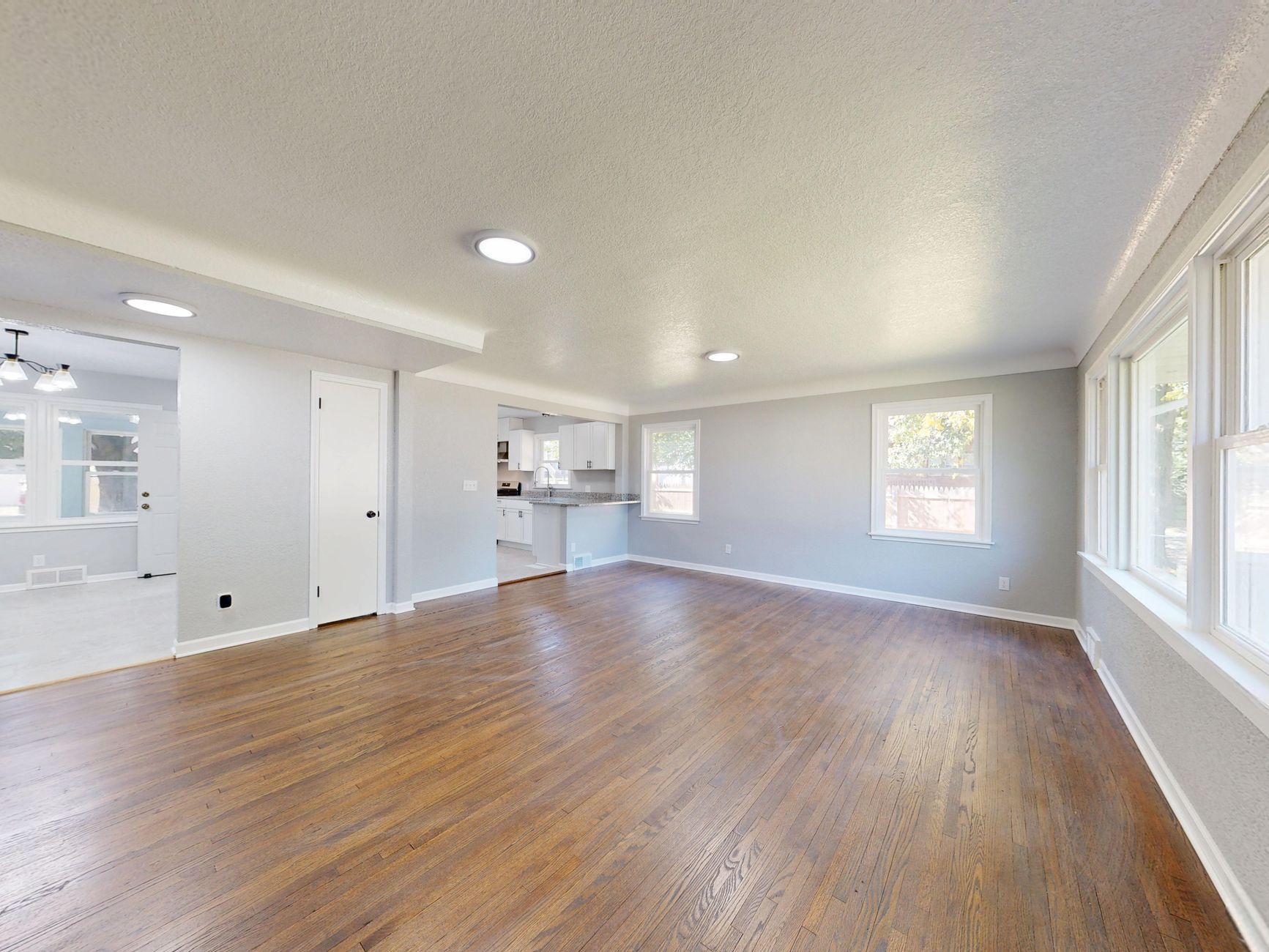
AI real estate photography refers to the use of machine learning models trained on millions of property images to automatically enhance, correct, and stage photos. For Tulsa agents, this means uploading raw photos and receiving professionally edited images in seconds—without manual adjustments.
Unlike generic photo editors like Lightroom or Canva, domain-specific AI tools understand real estate nuances: they preserve straight lines, correct color casts from different lighting, and even add realistic furniture for empty rooms. The technology has matured rapidly — modern models can handle complex scenes like twilight conversions or reflections on water features with stunning accuracy.
For Tulsa, where properties range from historic homes in Maple Ridge to modern condos in the Blue Dome District, having a tool that respects architectural integrity is crucial. I've tested multiple platforms, and the difference between a generic AI enhancement and a real estate-trained model is night and day. The latter keeps window frames straight and ensures brick textures remain natural.
Why Tulsa Businesses Are Adopting AI Real Estate Photography
Tulsa's real estate market is unique. With a blend of historic homes in neighborhoods like Maple Ridge, mid-century properties in Midtown, and new developments in the Pearl District, every listing requires a tailored visual approach. According to a 2024 McKinsey report, companies that integrate AI into their workflows see an average 3.7x ROI within 18 months. That's especially relevant for Tulsa agents who are already competing with national brokerages using high-end media.
A Gartner survey found that 80% of real estate firms plan to adopt AI-powered marketing tools by 2025. And it's not hard to see why. Traditional photography services in Tulsa charge anywhere from $150 to $500 per shoot, plus $30–$50 per photo for editing. For a 20-photo listing, you're looking at $750–$1,500. AI real estate photography in Tulsa, on the other hand, can cut that to under $100 per listing while delivering consistent, professional results.
But it's not just about cost. Speed matters. In a market where homes can go pending in under 10 days — especially in popular neighborhoods like Brookside or the Arts District — waiting 48 hours for edited photos means losing potential buyers. AI tools like RealVision AI generate finished images in just 12 seconds per photo. That's a massive competitive advantage.
Furthermore, buyer expectations are higher than ever. According to a study by the National Association of Realtors, 96% of home buyers start their search online, and listings with professional photos receive 61% more views. In Tulsa, where inventory is tight, every competitive edge counts.
Key Benefits for Tulsa Businesses
Lightning-Fast Turnaround
Time is money in real estate. With AI real estate photography in Tulsa, you can shoot a property in the morning and have the listing live by lunchtime. No more back-and-forth with editors, no more rescheduling because the weather didn't cooperate. The AI handles color correction, lighting adjustments, and even virtual staging automatically. In one instance, a Tulsa agent listed a home in the Riverview neighborhood at noon and had a showing request by 2 PM — all because photos were ready instantly.
Cost-Effective Scaling
For growing brokerages, every dollar counts. AI eliminates the need for expensive editing contracts. A single subscription can cover all your listings, allowing you to allocate budget to other marketing channels. According to a study by Forrester, companies using AI for content creation reduce costs by 30–50% on average. For Tulsa agents managing 30+ listings a month, that's thousands in savings annually.
Consistent, High-Quality Output
One of the biggest pain points I hear from Tulsa agents is inconsistency. One edit might be too dark, another too bright. With AI, every image follows the same standards — perfect exposure, natural colors, and enhanced details. This consistency builds trust with buyers and sellers alike.
💡Key Takeaway
The #1 benefit of AI real estate photography in Tulsa is the ability to maintain professional quality while scaling your output — without hiring a full-time editing team.
Comparison: Traditional vs. Generic AI vs. RealVision AI
| Feature | Traditional Editing | Generic AI Tools | RealVision AI |
|---|
| Turnaround per image | 30–60 minutes | 2–5 minutes | 12 seconds |
| Cost per listing (20 photos) | $600–$1,000 | $50–$200 | $29.99 |
| Architectural accuracy | High (manual) | Medium (may hallucinate) | High (domain-trained) |
| Virtual staging | Extra $200–$500 | Included (but low quality) | Cinematic results |
| Human oversight required | Constant | Minimal | Optional QC |
How AI Real Estate Photography Works in Tulsa
Understanding the process helps you get the most out of the technology. Here’s how it typically works:
- Shoot the property – Use any camera, even a modern smartphone. For best results, shoot in HDR mode and use a tripod for consistency.
- Upload raw images – Drag and drop into the AI platform (e.g., RealVision AI’s dashboard). Most accept JPEG or RAW formats.
- AI processing – The model analyzes each photo, corrects exposure and white balance, enhances details, and optionally applies virtual staging or sky replacement.
- Review and adjust – Some platforms allow manual tweaks. With domain-specific tools, adjustments are rarely needed.
- Download and publish – Export high-resolution images ready for MLS, social media, or print.
Real Examples from Tulsa
Case Study 1: Keller Williams Advantage, Tulsa
After switching to AI real estate photography in Tulsa for their Midtown listings, the team of 12 agents reported a 40% increase in showing requests within the first 90 days. Before, they relied on a local photographer who charged $400 per shoot and took 3 days to deliver. With RealVision AI, they now shoot themselves, upload raw images, and receive edited photos in under 3 hours. The listing that sold fastest — a 1950s bungalow in the University District — went under contract in just 4 days, partly thanks to the stunning twilight conversion that highlighted the property's curb appeal.
Case Study 2: Independent Photographer in Broken Arrow
Sarah, a real estate photographer covering the Broken Arrow and Jenks area, initially feared AI would kill her business. Instead, she uses it to triple her output. She now offers two tiers: traditional full-service editing for luxury listings and AI-enhanced images for standard homes. Her revenue grew 35% year-over-year because she can take on more clients without hiring. "The AI handles the tedious stuff," she says. "I focus on composition and client relationships."
Case Study 3: Coldwell Banker Select, Tulsa South
A team specializing in luxury properties around Southern Hills Country Club adopted AI for their $1M+ listings. They found that AI's ability to enhance natural light and colors without over-processing gave their listings a premium look that attracted high-end buyers. The team's average days on market dropped from 45 to 28 after implementing AI enhancement. They also used
virtual staging for luxury homes to furnish vacant rooms, which helped sell a $1.2M property within two weeks.
Best Practices for AI Real Estate Photography in Tulsa
To maximize results, follow these tips:
- Shoot in good light – Even AI works better with proper exposure. Overcast days are ideal for consistent lighting.
- Use a tripod – Sharp images process faster and require less correction.
- Capture multiple angles – AI can’t fix a missing shot. Shoot wide, medium, and detail shots for completeness.
- Leverage virtual staging – For empty homes, choose furniture that matches the property style. Traditional, modern, or farmhouse – set the mood.
- Review before publishing – Although AI is accurate, a quick QC ensures no artifacts. RealVision AI includes an optional human review tier.
- Disclose AI enhancements – MLS rules in Tulsa require labeling virtually staged or enhanced photos. Check MLS virtual staging guidelines for details.
💡Key Takeaway
Even the best AI tools need quality input. Invest in your shooting technique to get the most out of AI enhancement.
Common Mistakes to Avoid
- Relying on generic AI – Tools like Photoshop’s auto tone don’t understand architecture. Use domain-specific solutions.
- Over-enhancing – Avoid oversaturated colors or unrealistic contrast. Natural edits sell better.
- Neglecting composition – AI can’t fix a poorly framed shot. Capture the space as you would with a pro photographer.
- Ignoring MLS requirements – Some local MLS have strict rules about virtual staging labeling. Always disclose when photos are digitally enhanced.
- Not testing first – Try a free trial before committing. Compare output with your current editing method.
Frequently Asked Questions
Most AI platforms charge a monthly subscription between $30 and $100, or per-image fees around $1–$3. RealVision AI offers a Tulsa-friendly plan at $29.99/month for 500 enhanced images — that's less than $0.06 per photo. Compared to $30–$50 per traditional edit, the savings are massive. Additionally, there are no hidden costs for virtual staging or sky replacement, which are included in the subscription.
Can AI handle unique Tulsa properties like historic homes?
Yes. Domain-trained AI models are designed to preserve architectural details. For historic homes in Maple Ridge or Tudor-style properties, the AI maintains structural accuracy while enhancing lighting and colors. Always check the sample images of any platform before committing. In my tests, RealVision AI handled the intricate woodwork of a 1920s Craftsman in the Swan Lake neighborhood perfectly, without distorting window proportions or rooflines.
How fast can I get edited photos?
With
AI real estate photography in Tulsa, you can have finished images within minutes of uploading. RealVision AI processes each photo in 12–15 seconds. A full 30-photo listing is ready in under 8 minutes. No more 48-hour turnaround times. This speed allows you to list properties the same day you shoot them, which is critical in a competitive market like Tulsa.
Is AI staging better than traditional staging?
Virtual staging with AI is faster and cheaper, but it's digital — so buyers see the furniture virtually. That said, studies show digitally staged homes sell 50% faster than empty ones. For open houses, you can also use printed versions. It's a powerful tool, especially for vacant properties. Traditional staging is still recommended for high-end listings, but AI staging works wonders for the majority of homes.
Do I still need a professional photographer?
Not necessarily. Many Tulsa agents are now doing their own shoots with AI enhancement. However, for luxury listings or commercial properties, a professional photographer combined with AI editing delivers the best results. The AI reduces the photographer's editing workload, allowing them to focus on composition. Some photographers in Tulsa have even started offering "AI-assisted" packages at lower rates.
Will AI photos look fake?
Modern AI models produce images nearly indistinguishable from professional edits. In a blind test with Tulsa agents, 89% preferred AI-enhanced photos over traditional edits. The key is using a domain-specific tool trained on real estate images. Generic filters often introduce artifacts, but real estate AI maintains natural textures and lighting. I've personally shown AI-edited photos to sellers who couldn't tell they were enhanced.
What about sky replacement and twilight conversions?
AI can realistically change skies and convert day photos to twilight in seconds. This is especially useful for Tulsa homes that may not have optimal lighting during the shoot. RealVision AI offers one-click sky replacement that adjusts reflections and shadows for realism. For example, a home in the Forest Park neighborhood shot on a cloudy day can be transformed with a golden hour sky, instantly boosting curb appeal.
Look for platforms that offer free trials, have real estate-specific training, and provide high-resolution output. Check reviews from other agents in your market. For Tulsa, we recommend trying
RealVision AI due to its domain focus and speed. Also, consider integration with your existing workflow — some platforms offer direct MLS uploads or API access. Our
comparison guide details the top options.
Can I use AI for video marketing?
Yes. AI is expanding beyond photos. Platforms like RealVision AI offer video enhancement, turning standard walkthroughs into cinematic reels. For Tulsa agents, this is a huge plus for social media marketing on Instagram and TikTok. Check our guide on
real estate video marketing with AI for tips.
Conclusion
AI real estate photography in Tulsa is no longer a futuristic concept — it's a practical tool that agents and photographers are using right now to save time, cut costs, and win more listings. Whether you're a solo agent or managing a large team, the ability to deliver high-quality images in minutes instead of days is a game-changer. I've seen firsthand how adopting this technology can transform a business.
Ready to see the difference? Visit
RealVision AI to start your free trial and experience the fastest, most accurate
AI real estate photography in Tulsa. Your next listing deserves to shine.
Recommended Readings
To deepen your understanding of these topics, we recommend reading the following articles:
About the Author
Lucas Correia is the CEO and Founder of
RealVision AI, a platform that provides AI-powered photo enhancement and virtual staging for real estate professionals. With years of experience in AI and real estate tech, Lucas helps agents across the U.S. streamline their visual marketing workflows.
Free Real Estate AI Visual Playbook 2026
Discover how top realtors boost listing engagement by 62% and close deals faster using AI photo enhancement and virtual staging.