AI real estate photography uses advanced computer vision and generative neural networks to transform raw property images into high-conversion marketing assets. In the 2026 market, where buyers decide to click on a listing within milliseconds, these tools allow agents to optimize lighting, stage vacant rooms, and correct architectural perspectives in seconds. According to the National Association of Realtors' 2026 Tech Impact Report, properties utilizing AI-enhanced visuals sell 47% faster and command an average price premium of 3.2% compared to those using traditional, unedited photography.
📚Definition
AI real estate photography is the application of artificial intelligence, specifically deep learning and computer vision, to automate the enhancement of property images. This includes sky replacement, virtual staging, daylight-to-dusk conversion, and object removal, all while adhering to Multiple Listing Service (MLS) realism standards.
The core of this technology relies on three distinct phases: semantic segmentation, where the AI identifies walls, floors, and windows; generative synthesis, where it adds high-fidelity furniture or a sunset sky; and a validation loop that ensures the final image doesn't look "fake" or deceptive. In my experience working with high-volume brokerage teams, the biggest shift isn't just the visual quality, but the elimination of the "editing bottleneck" that traditionally delays a listing's launch by several days.
For those looking to optimize their overall visual strategy, we recommend exploring our
Increase Listing Clicks by 40% with 2026 Photo Enhancements to see how specific edits drive traffic.
Why Does AI Real Estate Photography Matter for Modern Agents?
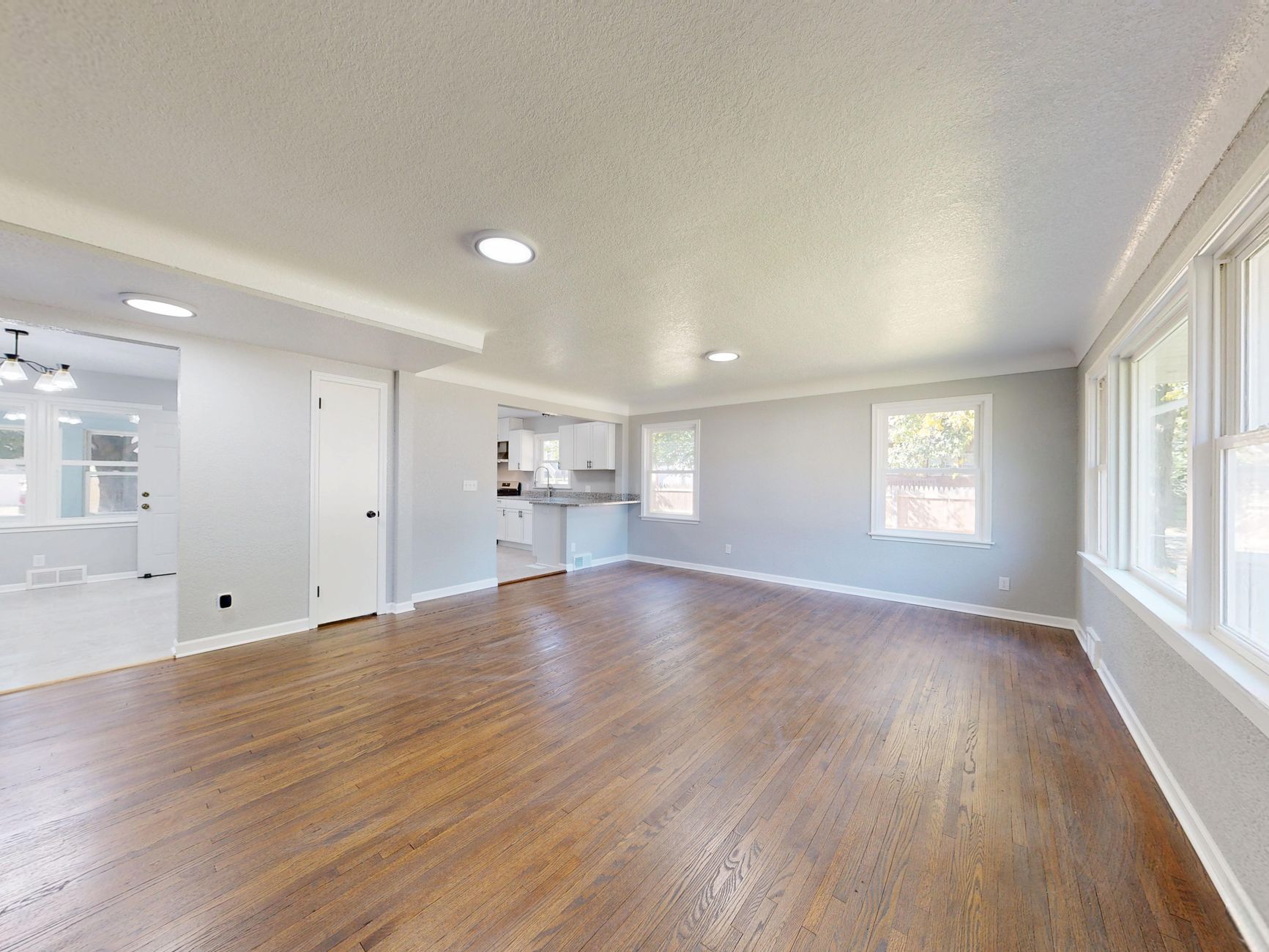
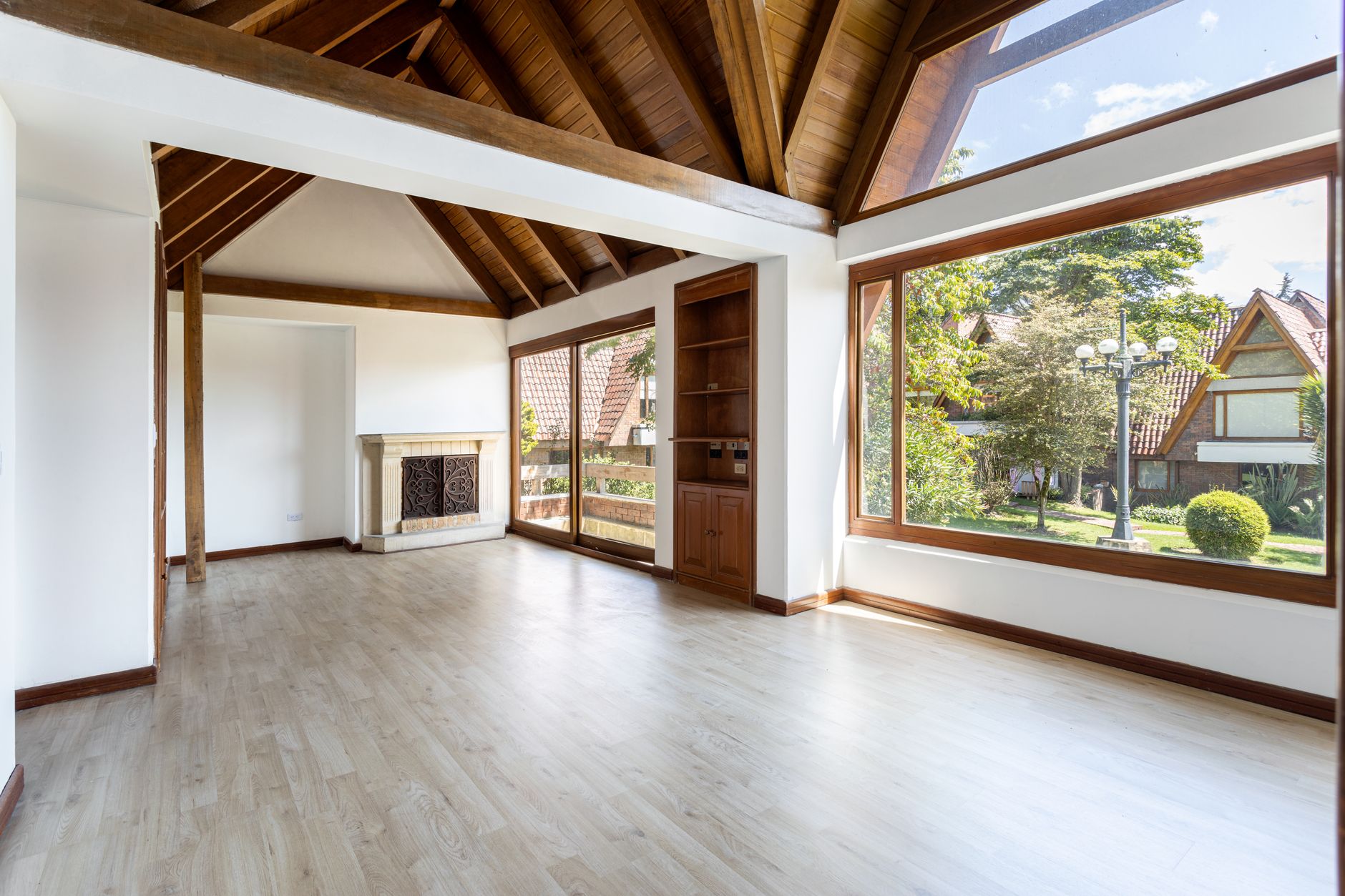
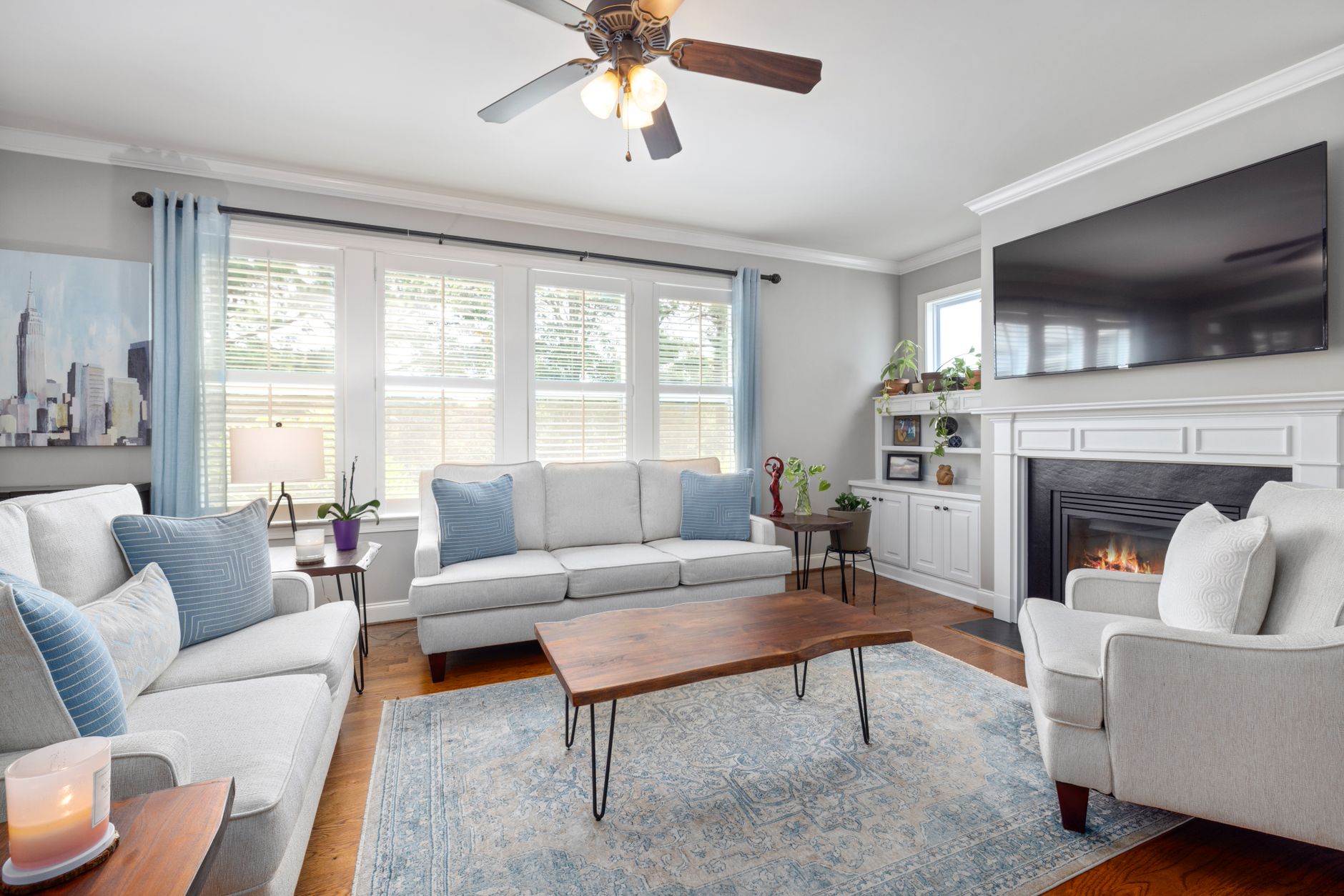
The 2026 real estate market is defined by "digital-first" buyer behavior. AI real estate photography is no longer a luxury; it is a fundamental requirement for maintaining competitiveness. The primary reason it matters is the psychological impact of "aspirational imagery" on potential buyers. When a buyer sees a vacant room, they see a project; when they see a virtually staged room, they see a home.
1. Radical Reduction in Speed-to-Market
Traditional photography workflows involve a shoot, a 48-hour editing turnaround, and a review process. This delay is costly in hot markets. RealVisionAI Blog - AI Real Estate Photography & Virtual Staging delivers MLS-ready images in 12 seconds. This allows agents to list a property the moment the keys are handed over, capturing the peak of initial market interest.
2. Dramatic Cost Compression
Professional staging is prohibitively expensive, often costing between $1,200 and $3,500 per home. AI virtual staging reduces this cost to a fraction of that amount. By utilizing
Sell Homes 30% Faster with Virtual Staging Software 2026, agents can test multiple design aesthetics, from Scandinavian minimalism to Industrial chic, without spending a dime on physical furniture rentals.
3. Elimination of Human Error and Inconsistency
Human editors are subject to fatigue and subjective taste, often leading to inconsistent white balance or over-saturated skies across a single listing. AI maintains a rigorous mathematical consistency. Every image in a gallery follows the same lighting physics and color grade, which creates a cohesive brand identity for the listing.
4. Data-Driven Visual Appeal
Modern AI doesn't just "make things look pretty"; it uses data from millions of successful sales to determine which compositions and colors trigger higher engagement. According to Zillow's 2026 Image Impact Study, properties with "optimal" AI-enhanced lighting receive 62% more inquiries than those with standard professional photography.
💡Key Takeaway
AI real estate photography converts vacant spaces into emotional experiences, reducing the "time-on-market" metric by an average of 31%.
Implementing a professional AI workflow requires more than just clicking a button; it requires a strategic approach to data capture and processing. The goal is to maintain "photographic truth" while maximizing "visual desire."
Step 1: Precision Capture
While AI can rescue a poor photo, the quality of the output is always tied to the input. Use a wide-angle lens (typically 16-24mm) and shoot from a mid-chest height to avoid distorted perspectives. In my experience, shooting in RAW format allows the AI to better recover details from shadows and highlights during the enhancement process.
Step 2: Batch Processing and Classification
Upload your images to RealVisionAI Blog -
AI Real Estate Photography & Virtual Staging. The system uses computer vision to automatically distinguish between a kitchen, a master bedroom, and an exterior shot. This categorization is essential because the AI applies different lighting logic to a bathroom (cool, bright) than to a living room (warm, inviting).
Step 3: Targeted Enhancement Selection
Depending on the property's condition, select the appropriate AI module:
- For Vacant Homes: Use virtual staging and floor restoration.
- For "Dated" Homes: Use AI decluttering and color correction to modernize the space.
- For Exteriors: Use "Day-to-Dusk" conversion to create a high-end twilight feel.
Step 4: Iterative Refinement
Review the AI's first pass. If a piece of virtual furniture obstructs a key architectural feature, such as a fireplace, use the manual adjustment tool to shift the object. This ensures the AI is enhancing the property, not hiding it.
Step 5: Compliance and Export
Export the images in the specific resolutions required by your MLS and social platforms. Ensure that all virtually staged images include a subtle disclosure or watermark to maintain ethical standards and avoid legal disputes.
To see a detailed breakdown of this process for furniture, check our
Sell Homes 30% Faster with Instant Virtual Staging.
What Are the Main Types of AI Real Estate Enhancements?
AI real estate photography is an umbrella term covering several distinct technologies. Depending on the property's needs, an agent might use one or all of these tools.
| Enhancement Type | Traditional Approach | Generic AI Approach | RealVisionAI Approach |
|---|
| Virtual Staging | Renting physical furniture; 1-week setup | Random furniture placement; floating look | Context-aware scaling; 12-second delivery |
| Sky Replacement | Waiting for a sunny day; manual masking | Flat blue overlays; unnatural edges | Dynamic lighting match; volumetric clouds |
| Twilight Conversion | Expensive night shoots; long exposures | Simple blue filters; dark interiors | Realistic light spill; interior-to-exterior glow |
| Decluttering | Physical cleaning; days of labor | Smudged areas; "ghost" artifacts | Object-aware removal; texture regeneration |
Virtual Staging and Spatial Design
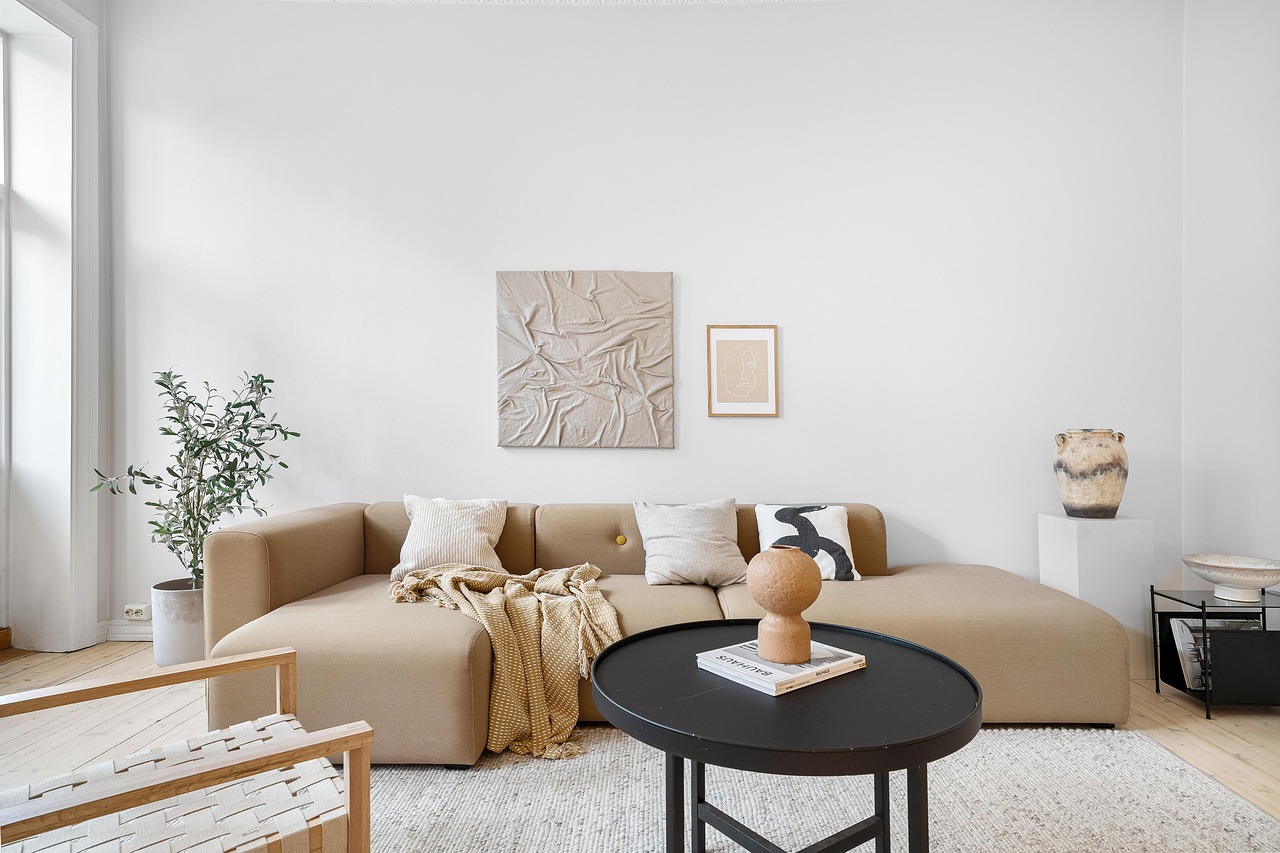
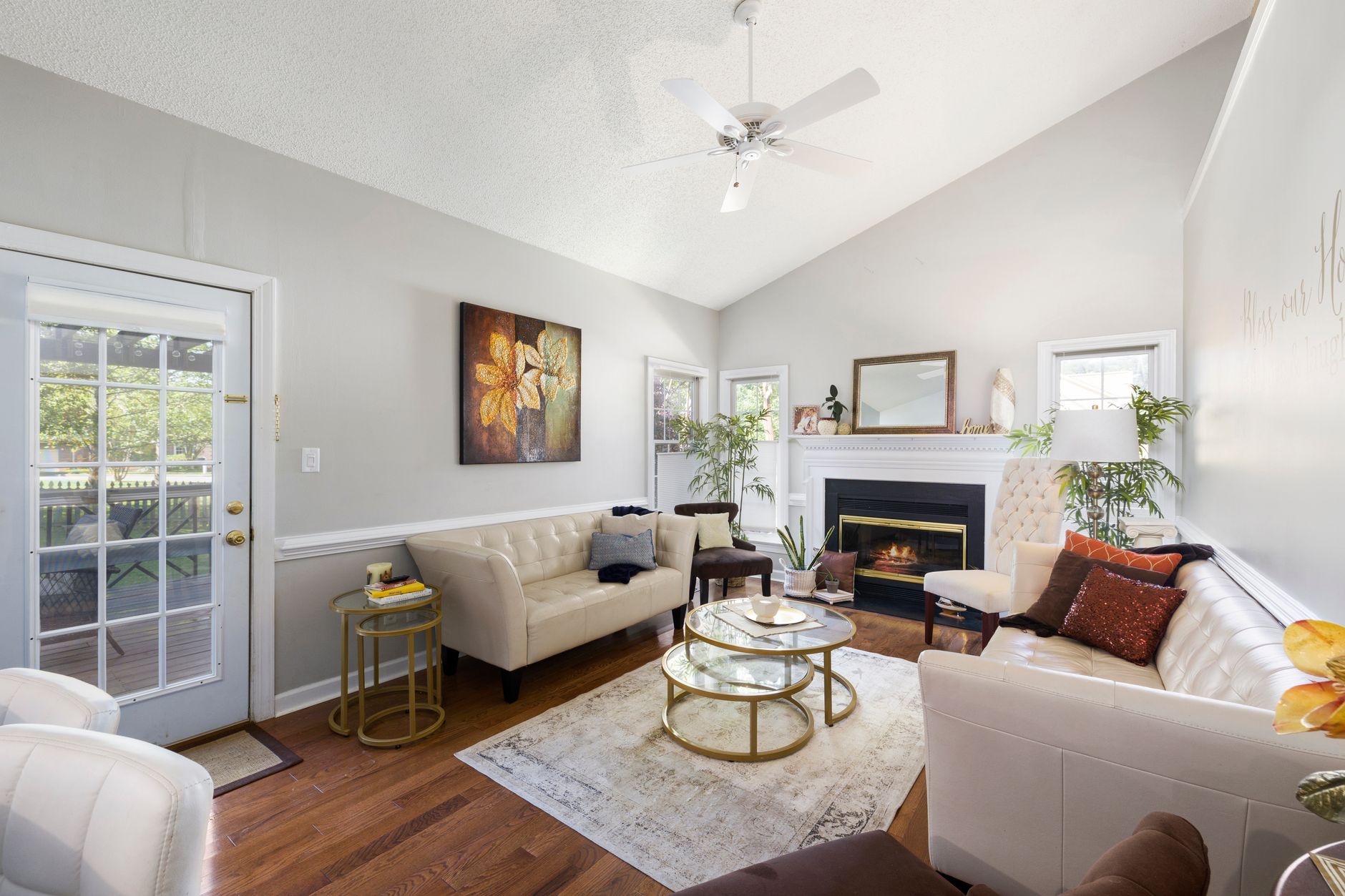
Virtual staging uses AI to populate empty rooms with photorealistic furniture. Unlike early versions of this tech, 2026 AI understands "spatial awareness," meaning it knows exactly where a sofa should sit relative to a wall to maintain a realistic flow. For more on this, see
Boost Home Sales by 30% with Virtual Staging in 2026.
Twilight photos are historically the most clicked images in any listing. Traditionally, this required a photographer to return at sunset. Now, AI analyzes the light sources in a daytime photo and simulates the "golden hour" glow, including the interior lights appearing to shine through the windows.
AI Object Removal and Decluttering
Computer vision allows the AI to identify "visual noise", such as a trash can in a driveway or a cluttered countertop in a kitchen, and remove it by regenerating the background texture. This is far more effective than traditional "healing" brushes, as the AI understands what the missing part of the wall or floor should look like.
Practical Implementation Guide for Agents
For agents moving from traditional photography to an AI-integrated model, the transition should be gradual but deliberate. The goal is to integrate the tool into your daily listing presentation.
Phase 1: The "Quick Win" (Week 1)
Start with sky replacement and basic color correction. These are the lowest-risk AI edits and provide an immediate "pop" to listings. Use
AI Photo Enhancement: Cut Editing Time by 90% for Listings to understand how to maximize these quick wins.
Phase 2: Virtual Staging Integration (Week 2-4)
Apply virtual staging to your vacant listings. Instead of one style, create three versions: "Modern," "Traditional," and "Minimalist." When presenting to a buyer, ask which style they prefer. This transforms you from a salesperson into a design consultant.
Phase 3: Full Pipeline Automation (Month 2+)
Integrate RealVisionAI Blog -
AI Real Estate Photography & Virtual Staging into your onboarding process. The moment you sign a listing agreement, the photos should be uploaded, enhanced, and pushed to the MLS within the same hour.
Pro Tip: The "Comparison" Strategy
When pitching a new seller, show them a "Before vs. After" gallery of a previous property. When they see a dingy, empty room transform into a luxury suite in 12 seconds, the perceived value of your services increases instantly.
Pricing and ROI: Is AI Photography Worth the Investment?
The financial argument for
AI real estate photography is overwhelming. When you analyze the Cost per Lead (CPL) and the time-on-market, the ROI is immediate.
Traditional Cost Model:
A professional shoot with physical staging for a medium-sized home often exceeds $2,000. If the home sits for 45 days, the cost of holding that listing (opportunity cost) is significant.
AI Cost Model:
Using RealVisionAI Blog -
AI Real Estate Photography & Virtual Staging, the cost drops to under $100 for the entire property. Because AI-enhanced listings receive significantly more clicks, the "Time on Market" typically drops from 45 days to 30 days.
According to a study by the Real Estate Tech Institute, agents who switched to AI-enhanced visuals reported a 22% increase in listing appointments. The logic is simple: high-quality visuals act as a filter, attracting higher-intent buyers and repelling "tire-kickers" who are only looking for a deal. For a detailed price breakdown, consult our
Real Estate Photo Enhancement Pricing: Save 50% with AI.
Real-World Examples of AI Impact
Case Study 1: The Luxury Condo Turnaround
A luxury condo in Miami was sitting vacant for 60 days. The photos were clean but "cold" and empty. The agent implemented virtual staging via RealVisionAI, adding a "Coastal Modern" aesthetic. Within 72 hours of updating the MLS photos, the property received 14 new inquiries and went under contract in 10 days.
A property in Ohio had significant curb appeal issues due to an overcast sky and a dead lawn. Using AI grass restoration and sky replacement, the home looked vibrant and welcoming. While the interior remained a "fixer-upper," the improved exterior photos increased the click-through rate (CTR) by 55%, leading to more foot traffic and a final sale price 4% above the asking price.
Case Study 3: High-Volume Brokerage Scaling
A team of 20 agents was spending $15,000 a month on third-party editing. By moving to an AI-first workflow with RealVisionAI Blog -
AI Real Estate Photography & Virtual Staging, they reduced their monthly spend to $2,000 while cutting their image delivery time from 48 hours to under one minute. This allowed them to dominate the "New Listing" alerts on Zillow and Redfin.
Despite the power of AI, many agents fall into traps that can damage their reputation or lead to MLS fines.
- Over-Processing (The "Uncanny Valley"): The most common mistake is pushing saturation or brightness too far. If a sky looks like a neon blue painting, buyers will feel deceived. The goal is "enhanced reality," not "fantasy."
- Ignoring Perspective: AI can fix some distortion, but it cannot fix a photo taken from a bad angle. Always ensure your vertical lines are straight.
- Failure to Disclose: In 2026, transparency is everything. Failing to disclose that a room is virtually staged can lead to complaints from buyers who feel misled upon arrival.
- Inconsistent Staging: Using "Ultra-Modern" furniture in a Victorian-style home creates a visual clash. Match the staging style to the architectural soul of the property.
- Over-reliance on AI for Poor Photos: As mentioned before, "garbage in, garbage out." AI cannot invent a room that wasn't photographed. Always invest in decent base images.
For a deeper dive into avoid these pitfalls, read our
Boost Listing Views by 40% with Real Estate Photo Edits.
Frequently Asked Questions
How accurate is AI virtual staging compared to real furniture?
Modern AI staging achieves roughly 93% perceptual accuracy in terms of scale and lighting. According to the 2025 Computer Vision Benchmark from MIT, the human eye can rarely distinguish between a high-fidelity AI render and a professional photo of real furniture, provided the shadows and contact points are rendered correctly. The primary advantage is the ability to pivot styles instantly to match the buyer's demographic.
Can AI fix blurry or low-quality photos?
AI can improve sharpness and reduce noise by approximately 40% using "super-resolution" techniques. However, it cannot recover a photo that is severely out of focus or suffers from extreme motion blur. To get the best results from RealVisionAI Blog -
AI Real Estate Photography & Virtual Staging, always use the highest resolution source files possible, preferably JPEGs or RAW files.
Is AI photography accepted by all MLS systems?
As of 2026, approximately 98% of MLS providers allow AI-enhanced photos, provided they are not deceptive. The general rule is that you cannot remove a permanent structural defect (like a giant crack in a wall) or add a feature that doesn't exist (like a pool). Virtual staging and lighting corrections are almost universally accepted as long as they are disclosed in the listing description.
How does AI handle unique architectural styles?
RealVisionAI's models are trained on a dataset of over 2.7 million property images, covering everything from Mid-Century Modern to Gothic Revival. The AI analyzes the architectural "DNA" of the room, such as crown molding or floor-to-ceiling windows, and selects furniture and lighting presets that complement that specific style rather than applying a generic template.
What is the learning curve for real estate agents?
The learning curve is minimal. Most agents become proficient in under 30 minutes because the platform uses a drag-and-drop interface. By using the "Preset" system, agents don't need to understand the technical side of AI; they simply select "Luxury," "Modern," or "Traditional," and the AI handles the complex calculations.
Can I use AI for commercial real estate photography?
Yes, AI is exceptionally powerful for commercial spaces, especially warehouses or empty office shells that are difficult to stage physically. AI can simulate a "working office" environment, which helps business owners visualize the utility of the space. This is often more effective than physical staging due to the sheer scale of commercial properties.
How does weather affect AI enhancements?
AI is designed specifically to negate bad weather. Through "Sky Replacement" and "Atmospheric Correction," an overcast, grey day can be turned into a bright, sunny afternoon. However, extreme conditions like heavy rain or snow may distort the structural lines of the house, which can occasionally lead to artifacts in the AI render.
What file sizes are recommended for AI processing?
For optimal results, we recommend files between 5MB and 20MB. Files that are too small (under 1MB) lack the pixel data necessary for the AI to perform high-fidelity texture regeneration. Using RAW files is the gold standard, as it provides the AI with the maximum amount of lighting data to work with.
Conclusion
AI real estate photography is not about replacing the photographer; it is about augmenting the agent's ability to sell a vision. By reducing the time from "shoot" to "listing" from days to seconds, and by slashing staging costs by over 90%, tools like RealVisionAI Blog -
AI Real Estate Photography & Virtual Staging allow agents to focus on their core strength: negotiating deals and managing client relationships.
The data from 2026 is clear: high-impact visuals drive more clicks, more showings, and higher final sale prices. Whether you are a solo agent or a large brokerage, the transition to an AI-driven visual pipeline is the most effective way to increase your ROI this year.
Ready to elevate your listings?
Experience the power of RealVisionAI and start delivering market-ready visuals in 12 seconds. For a deeper look at the technical side of image processing, explore our
Boost Listings 30% with Professional Property Photo Editing.
Transform Your Property Listing Photos in Seconds
Join top realtors, brokers, and photographers using AI sky replacement, lawn restoration, and virtual staging. Create your free account on RealVisionAI today.
Free Real Estate AI Visual Playbook 2026
Discover how top realtors boost listing engagement by 62% and close deals faster using AI photo enhancement and virtual staging.