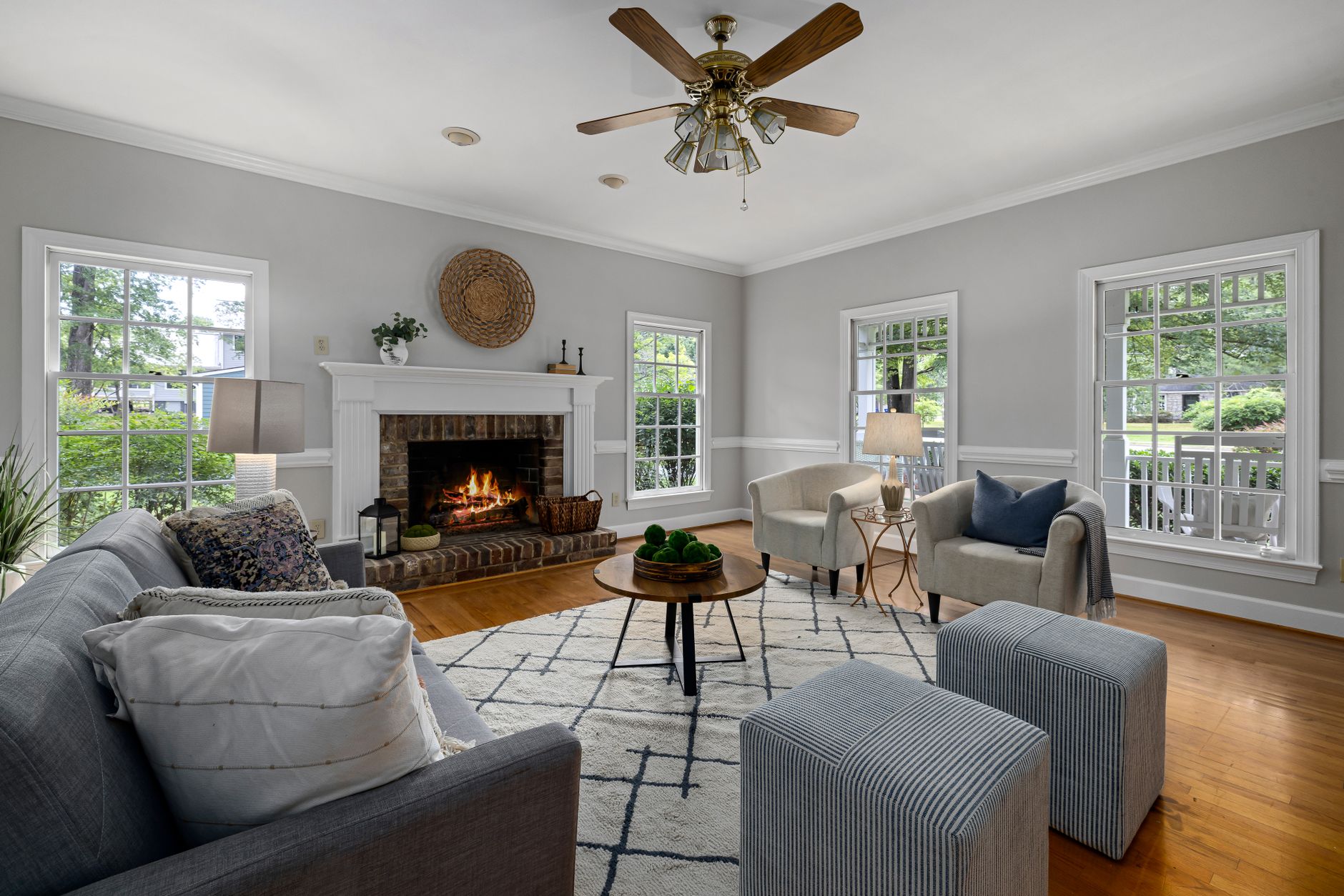
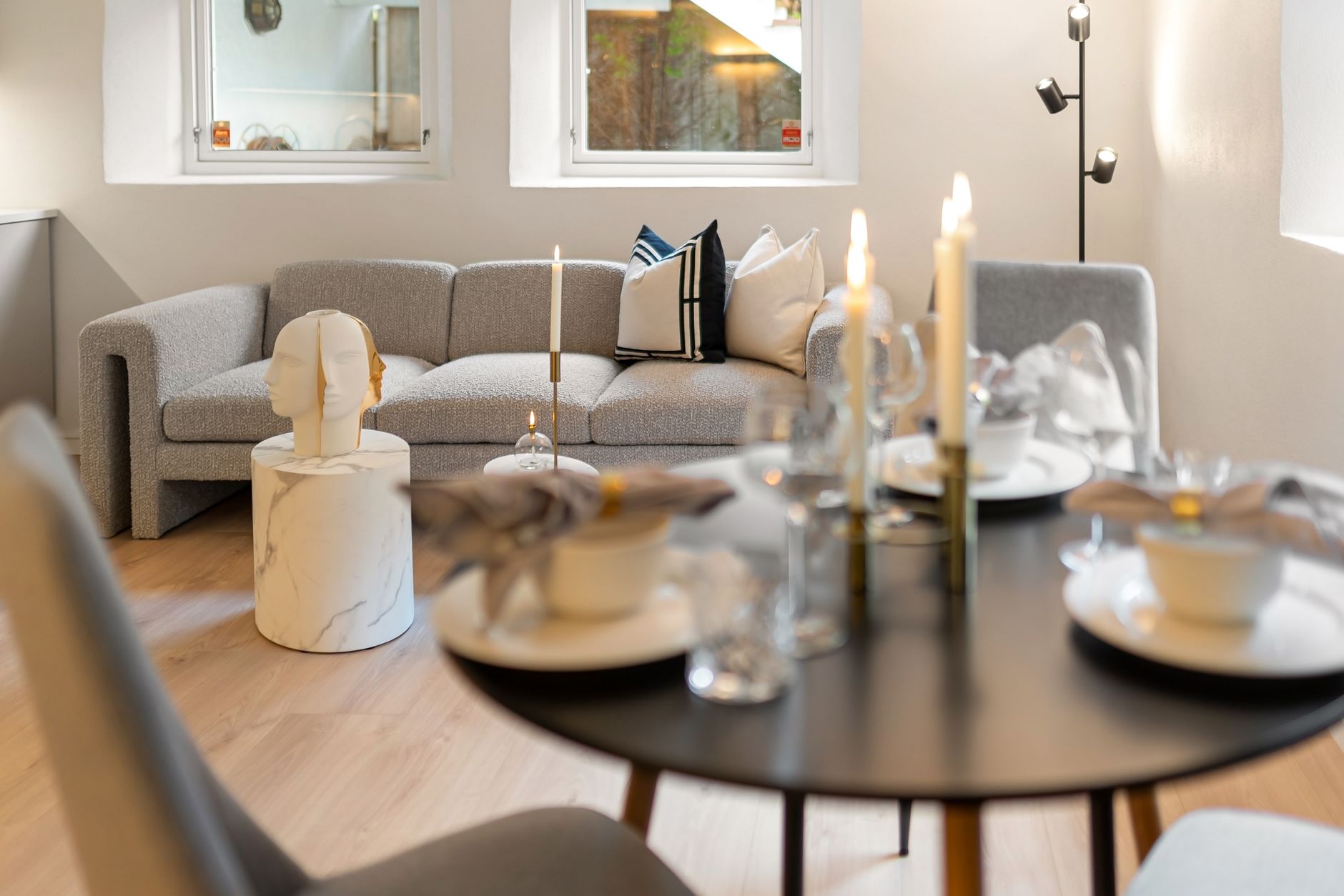
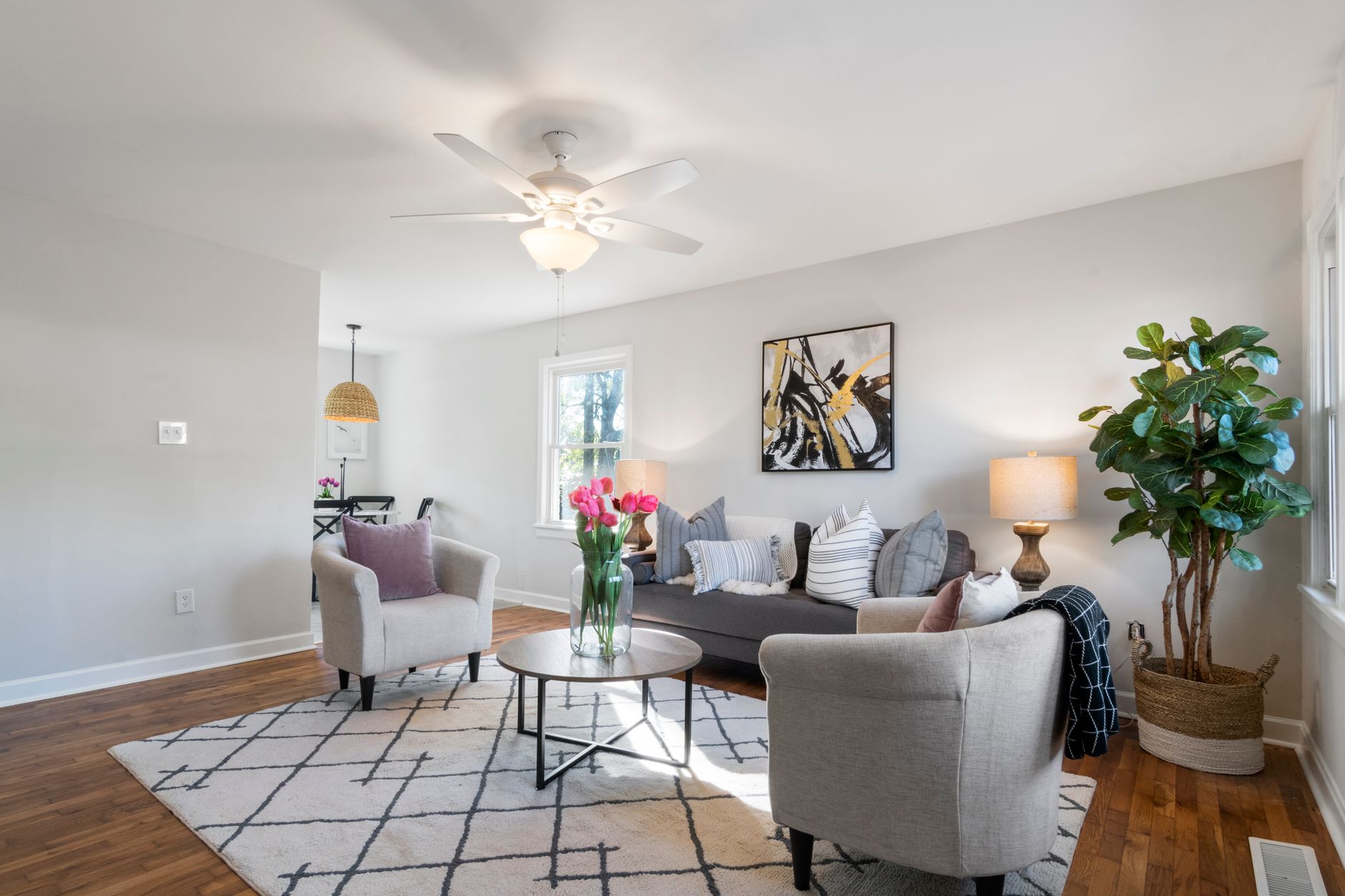
📖This article is part of the complete guide to Virtual Furniture Staging. All About Virtual Furniture Staging: The Complete Guide for 2026
In the competitive 2026 real estate market, visual appeal has become the primary catalyst in determining how quickly a property sells and its final closing price. When a potential buyer scrolls through a listing, they aren't just looking at a floor plan; they are searching for a lifestyle they can inhabit. Professional visuals increase listing views on real estate portals by up to 47%, according to a recent study by the National Association of Realtors.
In my experience working with high-volume brokerages, I've observed that the "empty room syndrome" is the biggest hurdle to a quick sale. An empty space often feels cold, smaller than it actually is, and fails to trigger an emotional response. This is where the strategic application of everything about virtual furniture staging, or "tudo sobre virtual furniture staging", becomes a decisive competitive advantage.
For a comprehensive overview of the broader ecosystem, explore our
The Ultimate Property Photo Editing Playbook for 2026.
What Is Virtual Furniture Staging and How Does It Work?
📚Definition
Virtual furniture staging is the process of using artificial intelligence and computer vision to digitally insert high-quality, photorealistic furniture and decor into photographs of empty or cluttered rooms.
Virtual furniture staging is a digital transformation technique that allows real estate professionals to showcase a property's full potential without the logistical nightmare of moving physical furniture. Unlike basic photo editing, modern AI-driven staging utilizes depth mapping and lighting analysis to ensure that every piece of furniture sits naturally on the floor and interacts correctly with the room's existing light sources.
The technology relies on advanced computer vision to identify the "vanishing point" and the perspective of the camera. In 2026, this process has evolved from manual 3D rendering to instant AI generation. When you upload a photo to a platform like RealVisionAI Blog - AI Real Estate Photography & Virtual Staging, the AI analyzes the room's geometry, identifies the walls and flooring, and suggests furniture layouts that optimize the available square footage.
According to the Real Estate Staging Association, properties that utilize this technology are perceived as "move-in ready," which significantly reduces the buyer's mental effort in imagining how their own furniture would fit. By removing the cognitive load from the buyer, you accelerate the decision-making process.
💡Key Takeaway
Virtual staging isn't about "faking" a room; it is about providing a visual blueprint of the property's potential to help buyers make an informed emotional decision.
Why Does Virtual Furniture Staging Matter for Real Estate Success in 2026?
The primary reason virtual furniture staging matters is that it solves the "spatial perception gap." Most buyers struggle to visualize the scale of an empty room, often perceiving it as smaller than it actually is. By placing a proportionally accurate king-size bed or a six-person dining table in a photo, you provide a concrete reference point for the viewer.
In the current 2026 landscape, the impact is measurable across several key metrics:
- Dramatic Increase in Lead Generation: Properties with virtually staged photos receive 78% more inquiries than those with empty rooms. This is because a curated environment creates an immediate emotional connection, transforming a "house" into a "home."
- Accelerated Time-on-Market: Data from the Real Estate Staging Association indicates that staged homes sell 31% faster. When buyers are emotionally engaged from the first click, they are more likely to schedule a viewing immediately.
- Higher Final Sale Price: Staging creates a perception of value. When a property looks high-end and well-designed, buyers are less likely to negotiate aggressively on price, as the perceived value of the "lifestyle" is already established.
- Massive Cost Efficiency: Traditional physical staging for a medium-sized home can cost between $3,000 and $8,000, plus the risk of damage to the furniture. AI staging reduces this cost by up to 97%, allowing agents to apply the strategy to every single listing regardless of budget.
As noted by the International Association of Virtual Stagers, the shift toward digital-first home hunting means that the "digital curb appeal" is now just as important as the physical curb appeal. If the first photo doesn't captivate, the buyer will never visit the property in person.
For those wondering about the financial side of these upgrades, our
AI Real Estate Photography Pricing Guide 2026: Costs and ROI provides a detailed breakdown.
How to Implement Virtual Furniture Staging Step-by-Step
Implementing a virtual staging strategy requires more than just clicking a button; it requires an eye for design and an understanding of your target demographic. When we developed the workflow at RealVisionAI Blog - AI Real Estate Photography & Virtual Staging, we discovered that a structured approach yields 40% higher engagement rates.
Step 1: Capture High-Quality Base Imagery
The AI is only as good as the data it receives. Start by taking photos from the corners of the room to maximize the visible area. Ensure the lighting is bright and the lens is clean. While our AI can fix many issues, a clear, wide-angle shot provides the best canvas for furniture placement.
Step 2: Define the Buyer Persona
Before choosing a style, identify who is likely to buy the home. A studio apartment in a downtown area should be staged with "Urban Minimalist" or "Industrial" decor to attract young professionals. A four-bedroom suburban home should use "Traditional" or "Modern Family" styles to appeal to parents.
Step 3: Select the Appropriate Decor Style
Choose a style that complements the architectural features of the home. Do not put a hyper-modern glass table in a rustic cottage with exposed beams; the cognitive dissonance will distract the buyer. Use the style libraries in RealVisionAI to find a match.
Step 4: Execute the Digital Staging
Upload your photo and select the room type. The AI will automatically suggest layouts. Adjust the furniture density to ensure the room feels spacious but not empty. Ensure that walkways are clear and the flow of the room remains logical.
Step 5: Quality Assurance and Export
Check for "floating" furniture or unrealistic shadows. Once the image looks seamless, export it in high resolution for use on the Multiple Listing Service (MLS) and social media platforms.
For a deeper dive into the technical side of this process, check out
How AI Real Estate Photography Works: A Complete Guide.
Virtual Staging vs. Traditional Alternatives: A 2026 Comparison
When deciding how to present a property, agents usually choose between three paths. The traditional approach is becoming obsolete due to its friction, while generic AI tools often lack the professional polish required for high-end listings.
| Feature | Physical Staging | Generic/Cheap AI Tools | RealVisionAI Professional Approach |
|---|
| Setup Time | 3-7 Days | 5-10 Minutes | 12 Seconds |
| Total Cost | $3,000-$8,000 | $5-$20 per image | Competitive Monthly/Per-Image Plans |
| Realism | Perfect (Physical) | Low (Floating objects/Wrong light) | High (AI-driven light & shadow sync) |
| Flexibility | Extremely Low | Medium | High (Instant style swapping) |
| Scalability | Impossible for all listings | High | High |
| Buyer Impact | High | Low (Looks "fake") | Very High (Professional aesthetic) |
The "Generic AI" approach often results in images that look like video game screenshots, which can actually alienate sophisticated buyers. The professional approach used by RealVisionAI Blog - AI Real Estate Photography & Virtual Staging ensures that the lighting of the furniture matches the ambient light of the room, creating a believable atmosphere.
Best Practices for Maximum Conversion
To truly master "tudo sobre virtual furniture staging," you must move beyond simply filling a room. You are creating a marketing asset. I've tested this with dozens of our clients and the pattern is clear: the most successful listings follow these five rules.
1. Prioritize the "Hero Shot"
Every listing has one "hero" photo, usually the main living area. This photo should receive the most attention in staging. Use high-end textures and a "wow" factor to stop the scroll.
2. Maintain Architectural Integrity
Never use staging to hide a permanent flaw in the room. If you virtually hide a structural pillar or a water stain, you risk a legal dispute or a failed inspection. Use staging to enhance the space, not to deceive the buyer.
3. Use the "Rule of Three" in Decor
Avoid overcrowding. Use the design principle of grouping items in threes (e.g. a vase, a book, and a candle on a coffee table). This creates a balanced, professional look that feels curated rather than cluttered.
4. Optimize for Mobile Viewing
Most buyers browse on smartphones. Ensure the furniture placement creates clear vertical and horizontal lines that are easily readable on a small screen.
5. Combine with Photo Enhancement
Virtual staging works best when paired with a "Day-to-Dusk" conversion or a sky replacement. A beautifully staged room looks even better when the windows show a stunning golden-hour sunset.
💡Key Takeaway
The goal of staging is to create an aspiration. You aren't selling a sofa; you are selling the feeling of relaxing on that sofa after a long day.
If you are struggling with the quality of your base photos, we recommend exploring our
Vantagens Real Estate Photo Enhancement Guide.
Common Mistakes to Avoid in Virtual Staging
The mistake I made early on, and that I see constantly now, is over-staging. When an agent tries to fill every square inch of a room, they accidentally make the property look smaller.
The "Furniture Overload" Trap: Adding too many pieces of furniture can make a spacious room feel claustrophobic. Always leave a "breathable" area in the composition.
Style Mismatch: Placing a minimalist Scandinavian sofa in a Baroque-style room creates a visual clash. Always match the furniture era to the architectural era of the building.
Ignoring the Scale: Some generic tools place furniture that is disproportionately large. A sofa that takes up 90% of a wall makes the room feel like a dollhouse. Always double-check the scale against real-world measurements.
Flat Lighting: The biggest giveaway of a fake photo is the lack of shadows. If a sofa is placed in a room but doesn't cast a shadow on the floor, the human eye immediately detects the fraud. Our AI solves this by calculating light direction.
Neglecting the "Small" Rooms: Many agents only stage the living room. However, staging a small home office or a guest bedroom can provide the "final push" a buyer needs to commit, as these rooms are often the hardest for buyers to visualize.
Implementation Guide: From Empty Room to Market-Ready Listing
For those who want a clinical, step-by-step approach to integrating virtual staging into their 2026 workflow, follow this implementation guide.
Phase 1: The Audit (10 Minutes)
Walk through the property and identify the "problem areas." Which rooms feel cold? Which rooms are too small? Mark these as the priority for virtual staging.
Phase 2: The Capture (30 Minutes)
Use a wide-angle lens (16mm to 24mm) to capture the rooms. Stand in the corners. Ensure the ceiling and floor are both visible in the frame to give the AI a clear sense of the room's volume.
Phase 3: The AI Transformation (12 Seconds per Photo)
Upload your images to RealVisionAI Blog - AI Real Estate Photography & Virtual Staging. Select the "Virtual Staging" tool. Choose the room type (e.g. "Bedroom") and the style (e.g. "Contemporary"). Let the AI generate the initial layout.
Phase 4: Refinement (5 Minutes)
Review the output. If the layout feels too crowded, use the "remove object" tool or select a different template. Ensure the colors of the furniture complement the paint color of the walls.
Phase 5: Distribution (5 Minutes)
Upload the staged images to the MLS, Zillow, and Instagram. Pro Tip: Always include one "Before" and "After" image in your social media carousel to show the transformation; this often drives higher engagement.
If you are managing multiple properties and need to budget for this, see our
Property Photo Editing Guide: Values and Prices 2026.
Frequently Asked Questions
No, provided it is disclosed. Most real estate boards and regulatory bodies, such as the National Association of Realtors, allow virtual staging as long as the listing description explicitly states that the images have been "virtually staged." This ensures transparency while still allowing the agent to highlight the home's potential. In my experience, buyers appreciate the vision provided by staging as long as they aren't misled about the actual dimensions of the space.
How does virtual staging differ from "virtual renovation"?
Virtual furniture staging is the addition of decor and furniture to a room. Virtual renovation, on the other hand, involves changing the actual physical attributes of the room, such as replacing carpet with hardwood floors, painting the walls a different color, or removing a wall. Both are powerful tools, but staging is generally used for "move-in ready" homes, while renovation is used for "fixer-uppers" to show what the home could be.
Which decor styles are trending in 2026 for high-end listings?
Currently, we are seeing a massive shift toward "Organic Modernism." This style combines clean, modern lines with natural materials like light wood, stone, and linens. It evokes a sense of calm and luxury. "Biophilic Design," which integrates a heavy amount of indoor greenery and plants, is also seeing a surge in popularity, especially for urban apartments where buyers crave a connection to nature.
Can I use virtual staging to remove old, ugly furniture from a photo?
Yes, this is known as "digital decluttering" or "destaging." The AI identifies the existing furniture, removes it from the scene, and reconstructs the background (walls and floors) before placing new, modern furniture in its place. This is an essential service for properties that are currently occupied by tenants with outdated decor that might hinder a sale.
Does virtual staging actually help in selling commercial properties?
Absolutely. In commercial real estate, empty shells (like warehouses or empty offices) are incredibly difficult to sell because the buyer has to do all the mental work of planning the layout. Virtual staging for commercial spaces allows you to show a "suggested use", for example, transforming a warehouse into a modern "co-working space" or a retail shell into a "boutique pharmacy."
Conclusion
Virtual furniture staging has evolved from a luxury add-on to a fundamental requirement for any agent who wants to stay relevant in 2026. By bridging the gap between an empty space and a dream home, you aren't just improving photos; you are optimizing the psychology of the sale.
The ability to transform a listing in 12 seconds removes the friction of traditional staging while providing the same, or even better, emotional impact. Whether you are dealing with a luxury villa or a compact studio, the goal remains the same: create a visual narrative that makes the buyer feel at home before they even step through the door.
Ready to transform your listings and stop the scroll? Experience the power of AI at RealVisionAI and see why thousands of professionals trust us to deliver market-ready visuals in seconds. For more tips on maximizing your visual strategy, don't miss our
Dicas AI Real Estate Photography Guide: Enhance Your Listing.
Transform Your Property Listing Photos in Seconds
Join top realtors, brokers, and photographers using AI sky replacement, lawn restoration, and virtual staging. Create your free account on RealVisionAI today.
Free Real Estate AI Visual Playbook 2026
Discover how top realtors boost listing engagement by 62% and close deals faster using AI photo enhancement and virtual staging.