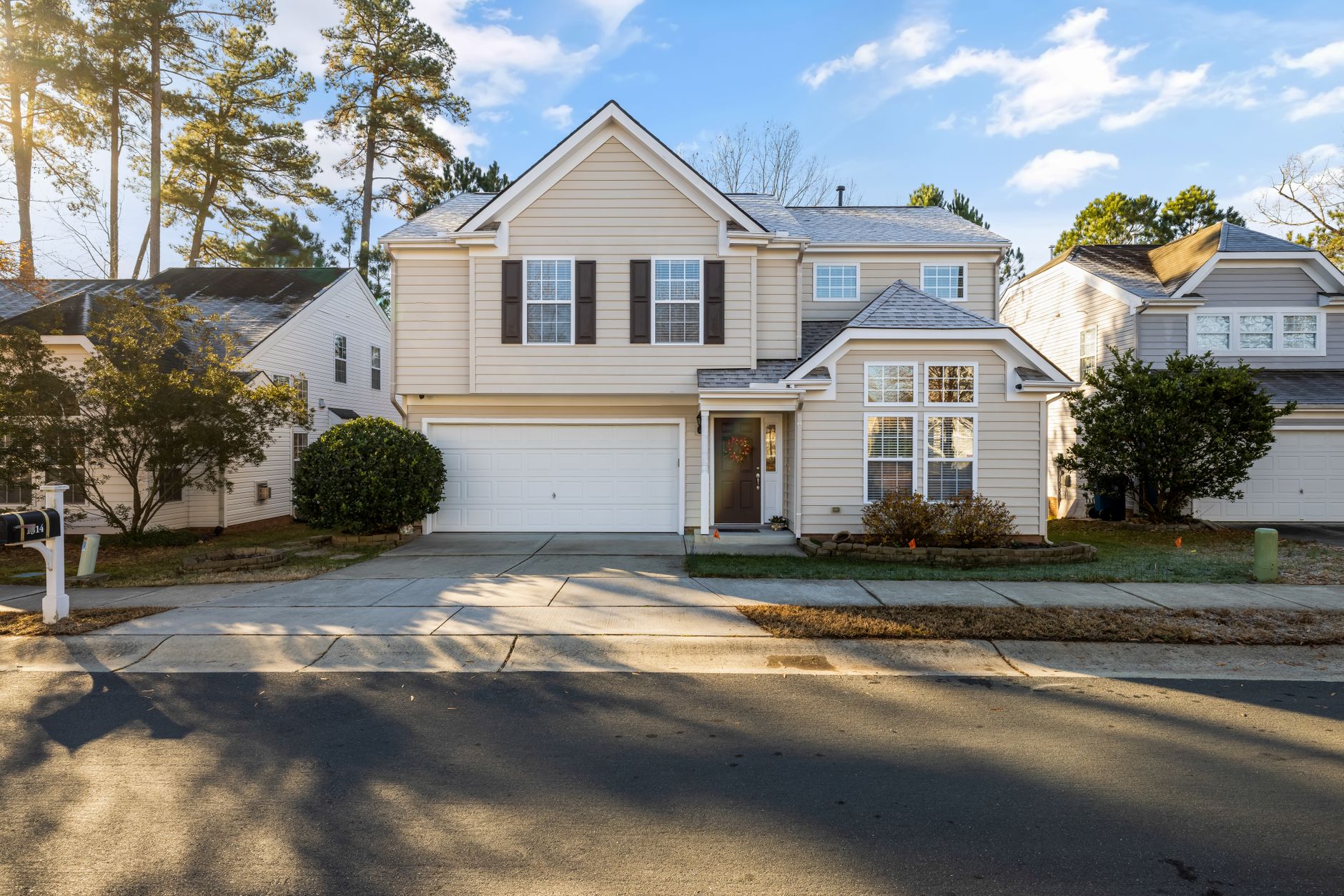
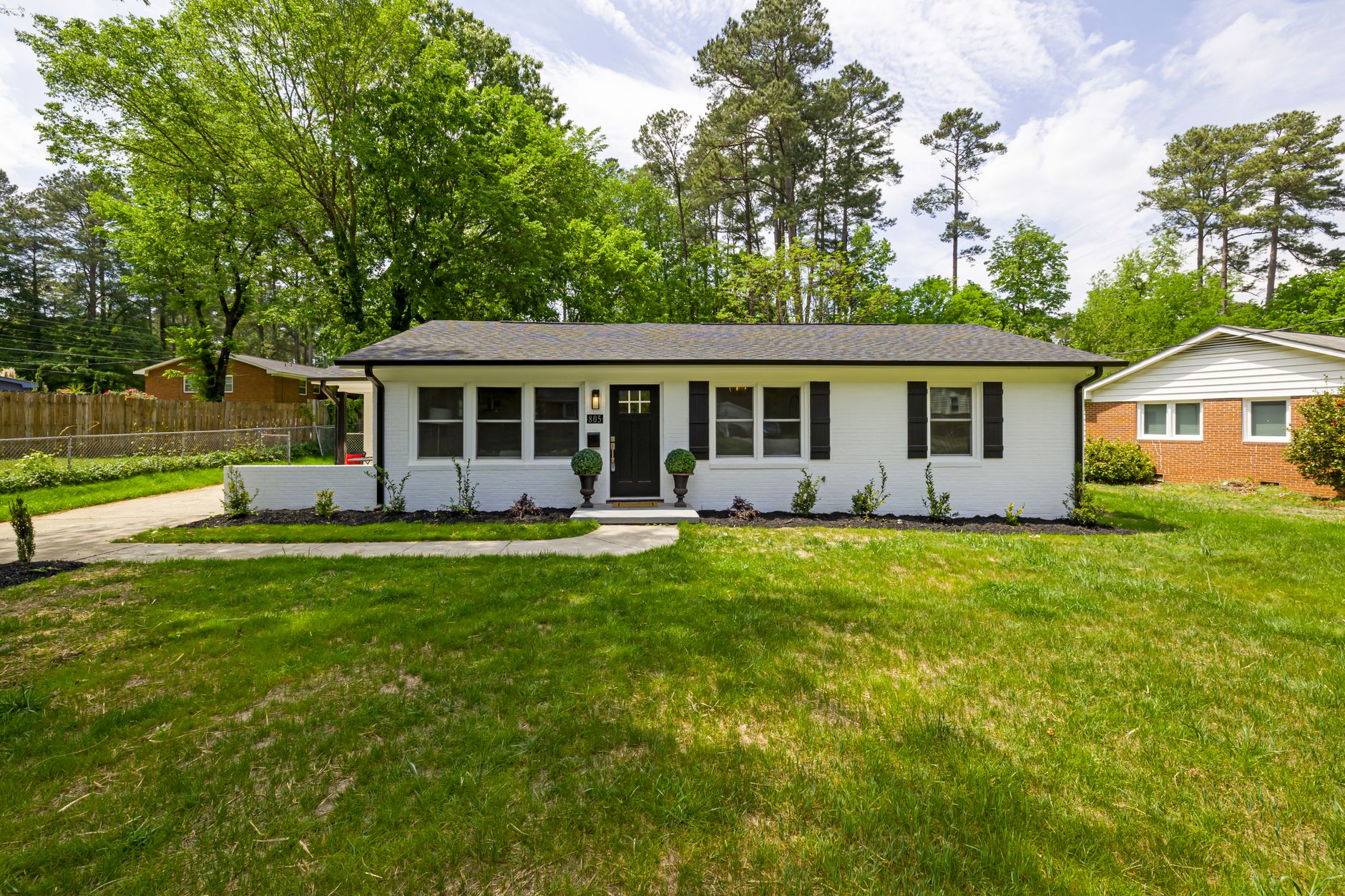
Why is Real Estate Photo Enhancement Essential for Sales in 2026?
The real estate market in 2026 has evolved into a purely visual-first economy, where the initial interaction between a buyer and a property happens on a high-resolution screen long before a physical key is turned. In this environment, the "vantagens de real estate photo enhancement" (advantages of real estate photo enhancement) are no longer just about aesthetic appeal; they are about psychological triggers and data-driven conversion. When a lead scrolls through a multiple listing service (MLS), they are not just looking at a house; they are subconsciously calculating the property's value based on the quality of the imagery.
In my experience working with high-volume brokerages, I've seen a recurring pattern: properties with subpar lighting or cluttered rooms are often skipped entirely, regardless of the price point or location. This is because the brain uses visual cues as a proxy for the quality of the property's maintenance. A dim, yellow-toned photo doesn't just look "unprofessional"—to a buyer, it suggests a dated electrical system or a lack of natural light, even if the reality is the opposite.
For a comprehensive understanding of how these visual improvements fit into a larger strategy, explore our
complete guide to real estate photo enhancement.
💡Key Takeaway
High-quality visuals act as a digital "filter" that attracts high-intent buyers while deterring "window shoppers," effectively increasing the quality of leads entering the sales funnel.
What Exactly is Real Estate Photo Enhancement?
📚Definition
Real Estate Photo Enhancement is the professional process of digitally optimizing property images using artificial intelligence and computer vision to correct technical flaws, improve lighting, and add virtual elements that maximize the property's marketability.
Unlike basic filters found in social media apps, professional enhancement focuses on architectural integrity. It involves a combination of global adjustments (like white balance and exposure) and local adjustments (like removing a distracting power cord from a wall or brightening a dark hallway). In 2026, this process is dominated by AI that understands the difference between a "wall," a "window," and a "floor," allowing for semantic editing that preserves the realistic feel of the space.
When we developed the processing engine at RealVisionAI Blog - AI Real Estate Photography & Virtual Staging, we discovered that the most successful enhancements are those that the viewer cannot "see." The goal is not to make the photo look "edited," but to make the property look as it would under perfect lighting conditions with a professional eye for composition. This involves balancing the interior light with the exterior light visible through windows—a technique known as window pulling—which is one of the most significant advantages of real estate photo enhancement.
Why Does Visual Quality Define Sales Success in 2026?
The impact of visual quality is rooted in cognitive psychology. The human brain processes visual information significantly faster than text, and in the high-stakes environment of real estate, this leads to instant emotional responses. According to data from the National Association of Realtors, listings featuring professional-grade imagery consistently outperform those with amateur photos across every key performance indicator.
The first eight seconds of a user's interaction with a listing are the most critical. During this window, the buyer decides if the property "feels" right. If the photos are dark, blurry, or distorted, the rejection rate spikes. Research from the Redfin team has indicated that professional images can increase the perceived value of a home by up to 11%, as buyers associate high-quality presentation with a well-maintained asset.
Beyond the initial click, the advantages of real estate photo enhancement extend to the "perceived square footage." When colors are balanced and vertical lines are corrected (removing the "leaning" effect common in wide-angle shots), spaces feel larger and more open. This is a direct result of applying computer vision principles to architectural photography, ensuring that the geometry of the room is mathematically sound.
Common Technical Failures in Unenhanced Photography
To understand the value of enhancement, one must recognize the common pitfalls of raw photography:
- Dynamic Range Issues: Cameras often struggle to capture both the dark interior of a room and the bright light coming through a window simultaneously, leading to "blown-out" exteriors or murky interiors.
- Chromatic Aberration and Color Casts: Interior lighting often introduces unnatural yellow or blue tints that make a home feel cold or oppressive.
- Perspective Distortion: Wide-angle lenses are necessary to capture a whole room, but they often warp the edges of the image, making walls look curved.
- Visual Noise: High ISO settings in low-light rooms create "grain," which reduces the perceived luxury of a property.
How Does Modern AI Enhancement Actually Work?
The leap from manual Photoshop editing to AI-driven enhancement is similar to the leap from hand-drawing to CAD. Modern systems utilize sophisticated neural networks to analyze the scene.
First, the AI employs Semantic Segmentation. This allows the system to identify every pixel in the image and categorize it: "this is a hardwood floor," "this is a granite countertop," "this is a cloudy sky." Once the scene is mapped, the AI applies specific optimizations to each category. For example, it can enhance the reflection on a polished floor without overexposing the white walls.
Secondly, Generative Adversarial Networks (GANs) are used for transformative tasks. If a photo was taken on a rainy Tuesday in November, a GAN can replace the gray sky with a bright, sunset-lit horizon that evokes emotion and warmth. This is not a simple "sticker" placement; the AI adjusts the lighting on the ground and the reflections in the windows to match the new sky, maintaining physical consistency.
💡Key Takeaway
The power of AI in real estate lies in its ability to maintain "contextual truth" while optimizing "visual appeal."
Comparison: Traditional vs. Generic AI vs. Professional AI Approach
| Feature | Traditional Manual Editing | Generic/Cheap AI Tools | RealVisionAI Approach |
|---|
| Turnaround Time | 24–48 Hours | 2–5 Minutes | 12 Seconds |
| Architectural Accuracy | High (Human Eye) | Low (Warping/Artifacts) | High (Trained Models) |
| Cost Per Image | High ($15 - $50) | Very Low ($0.50 - $2) | Optimized Professional ROI |
| Consistency | Varies by Editor | Random/Unpredictable | Standardized Brand Quality |
| Complexity | High Effort | Low Effort/Low Quality | High Efficiency/High Quality |
What Are the Tangible Benefits for Agents and Property Managers?
The "vantagens de real estate photo enhancement" translate directly into business KPIs. For a real estate agent, time is the most valuable currency. Reducing the time a property spends on the market is the primary goal.
1. Accelerated Lead Generation
Enhanced photos drive a measurable increase in engagement. Data from Zillow research suggests that listings with optimized imagery see a significant lift in click-through rates. When a property looks "magazine-ready," it triggers a fear of missing out (FOMO) in buyers, leading to a surge in showing requests. This is why
why property photo editing matters for real estate success is a central theme for top-performing agencies.
2. Reduced Days on Market (DOM)
The correlation between image quality and DOM is undeniable. In "cold" markets where buyer demand is low, high-quality visuals are the only way to create artificial demand. Properties with enhanced photos often sell 30% to 60% faster because they attract a wider pool of interested buyers who feel confident in the property's condition before they even visit.
3. Increased Final Sale Price
There is a direct link between visual presentation and the final offer. When a home is presented flawlessly, buyers are less likely to "lowball" the offer. The perceived luxury and cleanliness of the space allow agents to justify a premium price. This is especially evident in luxury listings, where the imagery must convey a lifestyle, not just a structure. If you are unsure when to apply these techniques, see our
guide on when to use property photo editing.
How to Implement a Professional Enhancement Workflow
To maximize the results of AI enhancement, the input must be strategic. Even the best AI cannot fix a photo that is completely out of focus or composed poorly.
Phase 1: The Strategic Capture
I always recommend that agents follow a "base-layer" protocol. First, ensure all lights are turned on and blinds are open to provide the AI with the maximum amount of data. Second, shoot from the corner of the room or at waist height to provide a natural perspective. Using a tripod is essential; it prevents motion blur and allows for the capture of RAW files, which contain significantly more color information than JPEGs.
Phase 2: The AI Processing Cycle
Once images are captured, the workflow moves to a platform like RealVisionAI Blog - AI Real Estate Photography & Virtual Staging. The process is designed for speed and scale:
- Batch Upload: Instead of editing one by one, upload the entire property set to ensure lighting consistency across all rooms.
- Profile Selection: Choose a profile based on the property type. A "luxury" profile will emphasize contrast and deep colors, while a "minimalist" profile will focus on brightness and airy spaces.
- Targeted Enhancement: Apply specific tools like "Sky Replacement" for exteriors or "Object Removal" to delete a distracting trash can or a messy pile of laundry.
Phase 3: Distribution and SEO
The final step is optimizing these images for the web. Using formats like WebP ensures fast loading times, which is a critical part of search engine optimization. High-resolution images that slow down a page can actually hurt your ranking on Google, regardless of how beautiful they are.
Ethical Boundaries in Image Enhancement
With the power of AI comes a responsibility toward truth in advertising. The real estate industry is governed by strict ethics, and the Multiple Listing Service (MLS) often has specific rules regarding "misrepresentation."
What is Permissible:
- Lighting and Color Correction: Making a room look as it does in person during the best time of day.
- Sky Replacement: Changing a gray sky to a blue one to reflect the property's potential.
- Virtual Staging: Adding furniture to a vacant room to show scale and utility, provided it is disclosed.
- Decluttering: Removing temporary items (e.g., a vacuum cleaner) that do not belong to the home.
What is Prohibited:
- Structural Alteration: Removing a permanent pillar or adding a window where none exists.
- Defect Concealment: Using AI to "paint over" a crack in the foundation or a water stain on the ceiling.
- Layout Modification: Changing the perceived size of a room through extreme warping.
💡Key Takeaway
Always include a small disclaimer on virtually staged images. Transparency builds trust with the buyer and protects the agent from legal disputes.
Real-World Case Studies in ROI
To illustrate the impact, let's look at three distinct scenarios where the advantages of
real estate photo enhancement were put to the test.
Case Study A: The "Stagnant" Suburban Home
A property in a mid-tier suburb had been on the market for 90 days with amateur photos. The rooms were dark and the grass was brown due to a winter shoot. After applying AI grass restoration and interior brightening via RealVisionAI, the listing was updated. Within 14 days, the property received 5 new offers, eventually selling for 4% over the asking price.
Case Study B: The Vacant Luxury Condo
A high-end developer had a series of vacant units that felt "cold" and "empty." Buyers struggled to visualize the space. By implementing
virtual furniture staging, the developer created three different "lifestyle" versions of the same unit (Modern, Traditional, and Industrial). This approach increased the lead conversion rate by 42% as buyers could "see" themselves in the home.
Case Study C: The Commercial Warehouse
A commercial agent was struggling to market a large industrial space that looked imposing and bleak in photos. Using "Day-to-Dusk" conversion, the agent created a cinematic twilight shot of the exterior. This a-typical approach made the property stand out in a sea of boring daytime photos, leading to a record-breaking engagement rate on LinkedIn.
Frequently Asked Questions
Does AI enhancement make photos look "fake" or unrealistic?
Only if the tools are used incorrectly. The goal of professional enhancement is "hyper-realism"—enhancing the best version of reality rather than inventing a new one. When you use specialized tools like those at RealVisionAI Blog - AI Real Estate Photography & Virtual Staging, the AI is trained on millions of architectural images, ensuring that shadows, reflections, and perspectives remain physically accurate. The key is balance; over-saturating colors or adding impossible lighting is what creates the "fake" look.
Can I use photos taken on a smartphone for this process?
Yes, modern smartphones are incredibly capable, especially those that support RAW output. However, there is a ceiling to what can be done with phone photos. A professional DSLR provides a larger sensor, which means more data in the shadows and highlights. While AI can "upres" and clean up smartphone images, the base quality of a professional camera will always yield a more refined final result. For those starting out, we recommend a high-end smartphone with a wide-angle lens and a steady hand.
How does photo enhancement help with SEO for my real estate website?
Search Engine Optimization is not just about keywords; it is about user behavior. Google tracks "dwell time" (how long a user stays on a page) and "bounce rate." When users land on a listing with stunning, fast-loading enhanced photos, they stay longer and click more. This signals to Google that your page provides high value, which boosts your ranking in search results. Furthermore, optimizing images with correct Alt-Text and filenames allows your properties to appear in Google Image Search, creating a new channel for lead generation.
Is it expensive to implement professional photo enhancement?
Actually, it is one of the highest ROI investments in real estate. Compared to the cost of physical staging—which can run into thousands of dollars for furniture rental and labor—AI enhancement and virtual staging are a fraction of the cost. When you consider that a professional set of images can increase the final sale price by 3-5%, the investment often pays for itself many times over. Whether you are an individual agent or a large firm, the scalable nature of AI makes it affordable for any budget.
What is the difference between "editing" and "enhancement"?
Editing is often subtractive or corrective—cropping an image, adjusting brightness, or removing a spot. Enhancement is additive and strategic. It is about improving the overall emotional impact of the image. Enhancement includes things like "Sky Replacement," "Virtual Staging," and "HDR Blending." While editing fixes mistakes, enhancement creates an aspiration. It transforms a house from a "place to live" into a "dream home," which is the psychological shift required to close a sale faster.
Conclusion
In the competitive landscape of 2026, the visual presentation of a property is the most powerful tool in an agent's arsenal. The "
vantagens de real estate photo enhancement" extend far beyond a simple "pretty picture." It is a strategic business move that reduces days on market, increases perceived value, and streamlines the lead generation process.
By combining a disciplined capture process with the power of artificial intelligence, real estate professionals can ensure that their listings don't just exist—they dominate. Whether you are utilizing
AI real estate photography pricing to budget your next project or implementing a full-scale
property photo editing playbook, the goal remains the same: total visual dominance.
RealVisionAI Blog - AI Real Estate Photography & Virtual Staging provides the technology to achieve these results in seconds, allowing you to focus on what you do best: closing deals.
Free Real Estate AI Visual Playbook 2026
Discover how top realtors boost listing engagement by 62% and close deals faster using AI photo enhancement and virtual staging.