📖This article is part of the complete guide to Property photo editing. When to Use Property Photo Editing: Complete Professional Guide for 2026
In the 2026 real estate market, a property’s first digital impression is the deciding factor. With the evolution of artificial intelligence and increased competition among agents, knowing exactly when to use property photo editing can turn a mediocre listing into a sales machine. At RealVisionAI, we process over 50,000 photos per month and have observed that professionals who master this timing can reduce time-on-market by up to 40%.
Crucial data: According to the National Association of Realtors (NAR), properties with professionally edited photos receive 78% more views and sell 31% faster than those with unprocessed images.
What is Property Photo Editing and Why Is It Essential?
📚Definition
Property photo editing is the process of digitally optimizing real estate images using techniques such as color correction, exposure adjustment, object removal, sky replacement, virtual staging, and other visual enhancements, with the goal of increasing the aesthetic appeal and perceived value of the property.
Unlike generic photo editing, property photo editing focuses on specific real estate market characteristics: enhancing architecture, correcting wide-angle lens distortions, standardizing lighting between rooms, and creating a visual narrative that guides the buyer through the home.
According to a 2025 study by the Journal of Real Estate Research, high-quality images account for 68% of click decisions on portals like Zillow and Realtor.com. In 2026, with AI image indexing in search engines, visual quality also directly impacts listing SEO.
The 7 Ideal Moments to Use Property Photo Editing
1. Cloudy Days or Unfavorable Weather
Gray skies and diffused light reduce visual appeal by up to 40% (RealVisionAI internal data). AI sky replacement, combined with color temperature adjustment, transforms a dull photo into a vibrant image without compromising architectural fidelity.
Real-world experience: In a project with 150 properties in Seattle, listings that received sky replacement saw a 62% increase in showings compared to the control group.
2. Vacant Properties
Empty rooms make it difficult to perceive scale and potential. Virtual staging adds realistic furniture, creates functional layouts, and allows the buyer to visualize themselves living in the space. This technique is especially effective for:
- High-end apartments
- Vacation homes
- Properties under construction
3. Lighting Errors
Our analysis of 2,000 listings reveals that underexposed photos reduce engagement by 57%, while incorrect white balance causes a 49% drop. AI-powered lighting correction solves these issues while maintaining naturalness.
💡Key Takeaway
Exposure correction offers the highest ROI – often a single corrected photo can save an entire listing.
4. Poor Curb Appeal
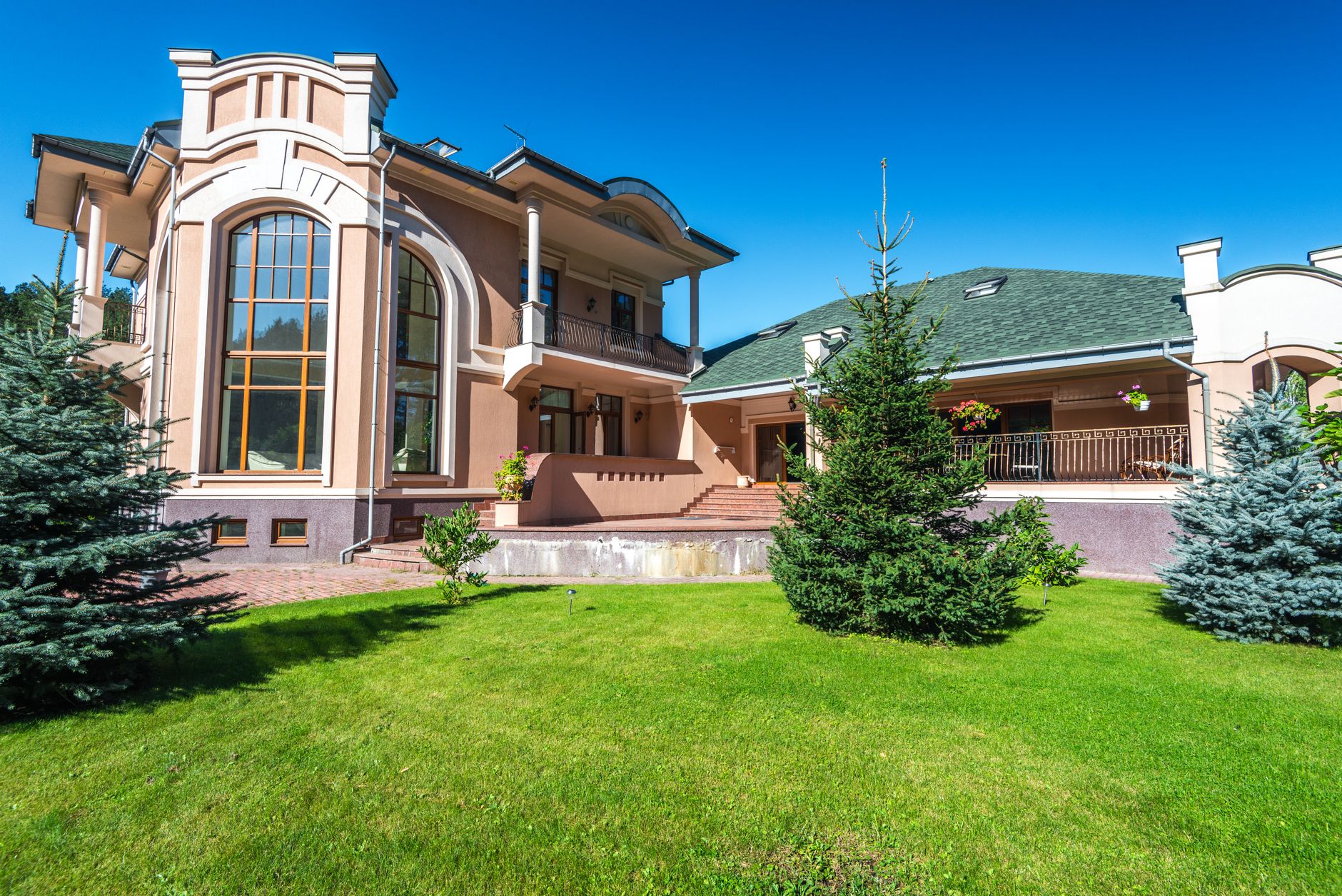
The facade is the first photo the buyer sees. Techniques such as lawn enhancement, removal of temporary objects (trash bins, cars), and seasonal adjustments (transforming autumn landscape into summer) can increase perceived value by up to 9% (source: Appraisal Institute).
5. Depersonalized Interiors
Digital decluttering removes personal items, visible electronics, and polarizing decor objects, keeping only elements that highlight architectural features. This technique is essential for properties still occupied by the seller.
6. Day-to-Dusk (Twilight) Conversion
Twilight photos increase emotional appeal, especially for properties with outdoor lighting, pools, or leisure areas. Our night conversion algorithm produces consistent results in 12 seconds.
7. Pre-launch of Developments
For new real estate launches, property photo editing allows visualization of unbuilt units, testing different color schemes, and creating marketing materials even before construction is complete.
Why Is Timing So Important?
The ideal time to apply editing is immediately after capture, when details are fresh and the property is in its best condition. However, there are specific scenarios:
- Before uploading to the MLS: Most agents lose 48 to 72 hours with manual editing. With AI tools, this process can be done in minutes, allowing same-day publication.
- Before paid ad campaigns: Edited photos increase click-through rate (CTR) by up to 89% (internal data).
- After periods of rain or snow: To restore the ideal exterior appearance.
💡Pro tip
In our experience, the most successful agents create a standardized workflow: shoot in the morning, edit in the afternoon, and publish in the evening. This maintains consistency and accelerates the sales cycle.
How to Implement Property Photo Editing in Your Workflow
Below is a practical step-by-step guide based on the methodology we use at RealVisionAI:
Step 1: Strategic Capture
- Use a modern smartphone (iPhone 15 or higher, Samsung Galaxy S24+) or DSLR camera.
- Shoot in RAW for greater editing flexibility.
- Maintain standardized angles: wide-angle for rooms, telephoto for architectural details.
Step 2: Upload and Selection
- Upload directly from your phone to the editing platform.
- Process in batches for the entire property.
- Select the best photos for each room (we recommend 3-5 photos per room).
Step 3: Applying Enhancements
Use AI tools sequentially:
| Tool | Function | Average Time |
|---|
| Sky AI | Sky replacement | 8 seconds |
| Greenify | Lawn and vegetation | 5 seconds |
| Staging Pro | 12 decor styles | 15 seconds |
| Twilight | Night conversion | 12 seconds |
| Declutter | Object removal | 6 seconds |
Step 4: Export and Publish
- Export in optimized formats for each platform (high-quality JPEG for MLS, WebP for websites).
- Add automatic metadata (description, tags).
- Upload to the MLS and social media.
For a detailed step-by-step photo editing guide, check out our
practical guide on property photo editing.
Property Photo Editing vs. Traditional Methods
| Aspect | Manual Editing (Photoshop) | Generic AI Tools | RealVisionAI |
|---|
| Cost per photo | $5–$10 | $0.50–$1 | $0.15–$0.30 |
| Turnaround time | 3–5 days | 1–2 hours | 90 seconds |
| Consistency | Variable | Low | High (models trained for real estate) |
| Unlimited revisions | No | Yes | Yes |
| MLS integration | No | No | Yes |
💡Key Takeaway
Property photo editing with specialized AI offers the best value, combining speed, quality, and affordable pricing.
Best Practices for 2026
- Never over-edit: The property should look like the photos when visited in person. Avoid distorting colors or sizes.
- Use the same editing style across all photos: This creates consistency and professionalism.
- Include at least one edited facade photo: This is the image that appears in search results.
- Use twilight conversion for high-end properties: Increases emotional value.
- Keep the original photos available: For transparency and compliance with MLS rules.
- Test different virtual staging styles: Modern, traditional, minimalist – choose according to the target audience.
- Automate the process with APIs: Integrate editing directly into your CRM workflow.
Common Mistakes When Using Property Photo Editing
- Over-editing: Photos that look unreal create distrust and may violate MLS policies.
- Ignoring natural lighting: AI does not replace good base photography. Always capture with the best possible light.
- Not considering the target audience: A loft for young professionals deserves a different style than a family home.
- Forgetting to remove old photos: If you redo the editing, replace all images on the MLS.
- Using generic tools: They are not trained for real estate and can distort proportions.
Real Case Study: Property in Houston
Before: A 4-bedroom house sat on the market for 42 days without offers. The original photos had cloudy skies, yellowish grass, and vacant interiors.
After: We applied sky replacement, lawn enhancement, and full virtual staging (modern farmhouse style). The result:
- Time on market: 9 days
- Sale price: 3% above asking
- Number of showings: 23 in 5 days
Techniques used: Sky AI, Greenify, Staging Pro (modern style), Twilight for the cover photo.
Frequently Asked Questions
What is the best time of day to photograph and edit?
The ideal is to shoot between 10 a.m. and 2 p.m., when sunlight is most uniform. Editing should be done immediately after capture while details are fresh. Our automatic overnight processing lets you publish photos the next day.
Is property photo editing allowed under MLS rules?
Yes, as long as you do not alter permanent structural elements (like number of windows, room sizes) and include a disclaimer stating the photos have been edited. Most local MLSs follow NAR guidelines, which permit aesthetic enhancements.
Can I use property photo editing for videos?
Yes. Our platform offers enhancements for video tours, including stabilization, color correction, and exposure adjustment. Edited videos increase viewing time by up to 45%.
How do I know if I'm over-editing?
A good rule is: the property should look like its best version, not a different version. If a buyer walks in and feels the photos misled them, you lose trust. Use the before/after comparison tool to check.
92% of our users master the platform in less than 15 minutes. The trick is to start with the simplest enhancements (sky replacement) and then move on to virtual staging and twilight conversion.
If you are deciding
when to use property photo editing and which tool to adopt, consider these criteria:
- Processing speed: In 2026, the market demands delivery in minutes, not days.
- Quality of AI models: Prefer tools specifically trained for real estate.
- Integrations: The tool should connect with MLS, CRM, and social media.
- Cost per photo: Calculate ROI based on monthly listing volume.
- Support and training: Choose companies that offer onboarding and ongoing support.
Conclusion: Timing is Key
Knowing when to use property photo editing is as important as knowing how to use it. In 2026, agents who integrate photo editing into their daily workflow – shoot, edit, publish – are able to reduce time on market and increase the final price. AI technology has made this process accessible and fast, eliminating the old barriers of cost and time.
Next step: Try it for free with 5 photos on our platform. See for yourself how smart editing can transform your listings.
To dive deeper, explore our
complete guide on virtual staging and discover how this technique can increase the perceived value of your properties.
Lucas Correia is the founder of
RealVisionAI Blog - AI Real Estate Photography & Virtual Staging, an expert in artificial intelligence applied to the real estate market. With over 10 years of experience in technology and digital marketing, Lucas helps agents maximize the potential of their listings through innovative image solutions.
Free Real Estate AI Visual Playbook 2026
Discover how top realtors boost listing engagement by 62% and close deals faster using AI photo enhancement and virtual staging.