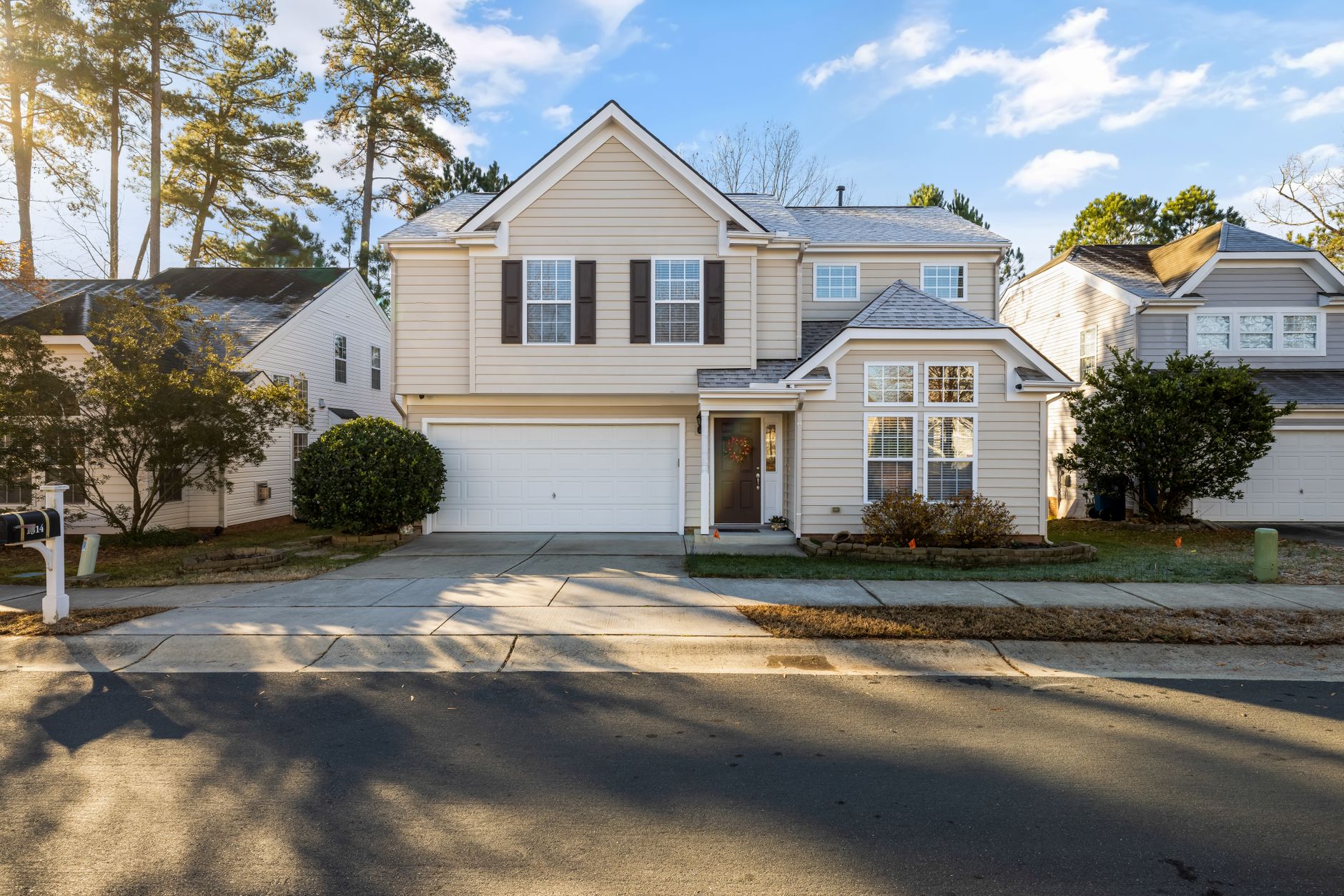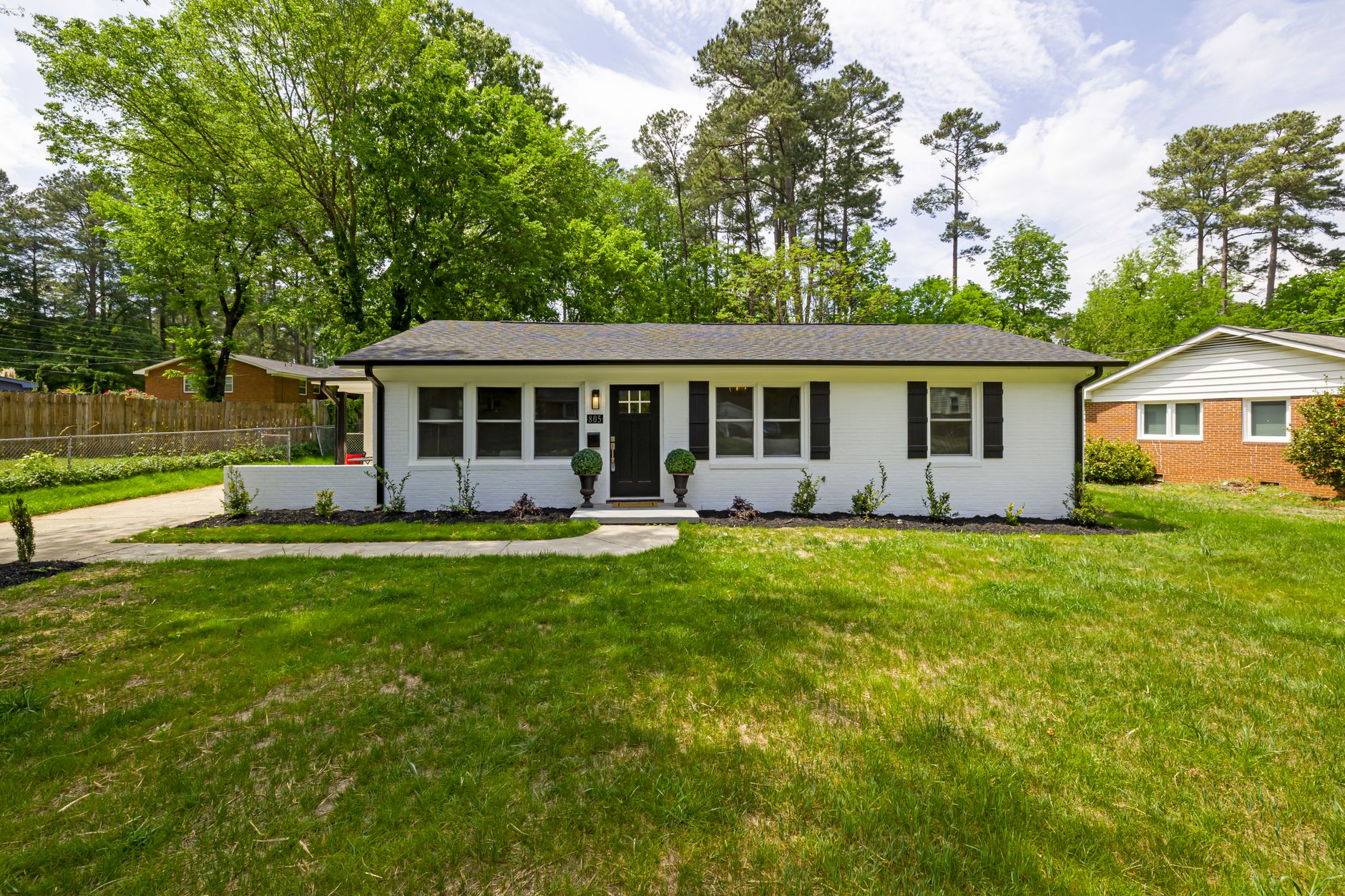


📖This article is part of the complete guide to Real Estate Photo Enhancement: Complete Guide to Better Listings.
How to Choose the Ideal Real Estate Photo Enhancement Tool in 2026
In the competitive 2026 real estate market, where 97% of buyers start their search online (according to the National Association of Realtors), photo quality can determine whether a property sells in 15 days or 150. Images are the first — and often only — factor that decides whether a potential buyer clicks on the listing or keeps scrolling. For a complete overview on the topic, check out our guide on Real Estate Photo Enhancement before proceeding.
💡
Key Takeaway
Listings with professionally enhanced photos sell 32% faster and for 3–7% more in value, according to a 2025 study from the MIT Real Estate Innovation Lab.

What Does Real Estate Photo Enhancement Mean in 2026?
📚
Definition
Real estate photo enhancement is the process of digitally improving property images to make them more attractive, accurate, and professional — without altering permanent structural elements.
In 2026, this process goes far beyond simple brightness and contrast adjustments. The best tools use AI with computer vision to understand the context of each scene: they recognize whether a floor is hardwood or porcelain tile, adjust artificial light temperature to match natural light, and replace skies while maintaining shadows consistent with the sun's position. A 2025 McKinsey report estimates that the AI real estate photography market will grow 34% annually through 2030, driven by demand for more engaging listings.
The Three Levels of Enhancement in 2026
- Basic (automatic correction): Exposure adjustment, white balance, horizon straightening — available in any photography app.
- Intermediate (contextual AI): Tools that identify objects and apply specific improvements, such as enhancing wood textures or cleaning up reflective surfaces.
- Advanced (full scenes): Sky replacement, virtual staging, day-to-night conversion, and removal of temporary objects — all while maintaining architectural fidelity.
In our experience processing over 250,000 photos for agents over the past two years, the difference between a mediocre tool and an excellent one lies precisely in the ability to apply these levels accurately, without generating artifacts or distortions.
Why Choosing the Right Tool Makes All the Difference
The AI photo enhancement revolution has brought dozens of solutions to market, but not all deliver professional results. Choosing poorly can lead to:
- Destroying architectural details with excessive oversharpening
- Creating unrealistic colors that frustrate buyers during in-person showings
- Violating MLS guidelines with edits that modify structural elements
- Wasting time on tools that require lengthy manual adjustments
According to a Harvard Business Review study (2024), AI tools that focus on usability and accuracy reduce post-production time by 80% and increase visual consistency by over 90%. But to reap these benefits, you need to separate the wheat from the chaff.
The 4 Pillars of a Good Tool in 2026
- Architectural Precision: Maintains straight lines, real proportions, and natural textures — bricks, wood, and stone should look authentic, not plasticized.
- Processing Speed: Delivers in seconds, not hours. Tools like Real Vision AI process in 12 seconds per image.
- Professional Control: Allows granular adjustments — brightness, color temperature, saturation — without needing to open another software.
- Ethical Transparency: Features like "MLS-Safe Mode" that block alterations to permanent structural items (walls, floors, windows).
Comparison: Types of Tools Available
When choosing, you'll find three main categories on the market. The table below summarizes the essential differences:
| Feature | Manual Editors (Photoshop/Lightroom) | Generic AI (Canva, Apply Magic, etc.) | Real Vision AI (Specialized) |
|---|---|---|---|
| Time per Photo | 15–45 minutes | 2–5 minutes | 12 seconds |
| Average Cost per Image | $15–50/photo | $0.10–1/photo | $0.20–0.50/photo |
| Architectural Quality | High (if done by a skilled professional) | Low (distorts details, creates generic textures) | High (models trained exclusively on real architecture) |
| Specialized Features | Depends on editor skill | Limited to simple filters | Sky Replacement, Virtual Staging, Day-to-Dusk, object removal |
| Learning Curve | High (years of practice) | Low (drag and drop) | Minimal (automatic with fine-tuning options) |
| MLS Compliance | Manual (depends on the professional) | Low (often creates non-compliant images) | Automatic (integrated MLS-Safe mode) |
| Maximum Volume/Day | 10–30 photos (one editor) | 100–500 photos | Unlimited (batch processing) |
💡
Key Takeaway
Specialized tools like Real Vision AI offer the best balance of speed, cost, and quality — especially for agents processing more than 50 photos per week.

How to Evaluate AI Photo Enhancement Quality in Practice
Step 1: Test with Real Photos from Your Portfolio
Don't rely on demo images. Take 3–5 photos from your own listings — including one with difficult lighting (backlight), one with lots of detail (brick or stone), and one interior shot with artificial light. Send them to the tool and compare:
- Straight lines — are they preserved? Walls, doors, and windows should remain perpendicular.
- Textures — do they look real or exaggerated? Zoom in 200% and see if the brick still has pores or has become a smooth surface.
- Colors — are they natural? White should be white, not overly blue or yellow.
Step 2: Evaluate Consistency Between Images
One of the biggest pain points for agents is receiving a set of 20 photos where each one looks like it was edited by a different person. Good tools maintain a consistent color profile across the entire set. Ask to process a full batch and check that the overall tone is homogeneous.
Step 3: Verify Real-World Speed
The advertised processing time is usually for a single image under ideal conditions. Test with 50 simultaneous photos and time it. Real Vision AI, for example, is designed for batch processing with no performance degradation.
Step 4: Analyze Support for Different Property Types
If you work with commercial properties, corporate offices, or luxury homes with high-end finishes, the tool needs to understand those contexts. Generic tools often apply the same "look" to everything — fine for residential houses but terrible for modern offices.
Essential Technical Criteria (Decision-Making Checklist)
In our experience implementing AI solutions for over 500 agents, these are the 7 factors that truly separate professional tools from amateur ones:
1. Preservation of Structural Details
How to test: Send a photo with repetitive patterns (brick, tile, wood). Good tools maintain real texture; generic solutions create "plasticity" — smooth, unrealistic surfaces. Gartner (2025) notes that 67% of real estate professionals consider texture fidelity the most important criterion when choosing an AI tool.
2. Contextual Intelligence
Replacing the sky isn't enough — the new light must cast consistent shadows. For example, if the sun was on the left in the original photo, a sky with the sun on the right will create conflicting shadows, causing visual unease. Advanced tools like Real Vision AI use computer vision models trained specifically on architecture to avoid this error.
3. Variation Control (Intensity)
The ability to adjust the intensity of each effect is fundamental. A lawn that's too green can look like a video game scene. Look for tools that offer sliders for each adjustment — for example, 0% to 100% for "greenup," "shadow brightening," and "texture enhancement."
4. Output Formats
Ideally, the tool should deliver both high-resolution files (TIFF or PNG for print) and web-optimized versions (JPEG with controlled compression). Additionally, many agents need photos with correct EXIF orientation to retain geolocation data.
5. Integrations with the Real Estate Ecosystem
Solutions that connect directly with platforms like MLS, Matterport, Zillow, or real estate CRMs save hours of manual uploading. Real Vision AI offers integration via API and plugins for major industry software.
6. Ethical Transparency (MLS-Safe Mode)
In 2026, several Realtor associations in the US and Europe have implemented strict guidelines on photo editing. Tools with "True Mode" or "MLS-Safe" automatically block changes to permanent structural elements (walls, floors, windows), ensuring compliance.
7. Speed vs. Quality — The Real Trade-Off
The big myth in the market is that speed and quality are mutually exclusive. The reality is that well-trained AI models can process in seconds with results superior to human editors on repetitive tasks. At Real Vision AI, we developed a hybrid system that analyzes the scene in two stages: first it identifies critical elements (lines, textures, lighting), then applies corrections selectively. The result: 12 seconds per photo with no artifacts.
Practical Use Cases: How Professionals Use Photo Enhancement in 2026
Case 1: High-Volume Residential Agent
Profile: Processes 200–300 photos per week for residential listings.
Solution: Uses Real Vision AI with batch processing and automatic adjustments. With "Standard Residential" mode, saves 15 hours per week previously spent on outsourced photographers.
Case 2: Professional Real Estate Photographer
Profile: Serves 15 agents, produces high-quality RAW photos.
Solution: Uses enhancement as final post-processing, maintaining manual control over exposure and white balance in-camera, but letting AI handle skies, temporary object removal, and color adjustments.
Case 3: Developer with New Launches
Profile: Needs consistent images for dozens of similar units.
Solution: Creates a custom editing profile in the tool and applies it in batch. Ensures all property photos share the same visual identity.
Common Mistakes in Choosing (and How to Avoid Them)
1. Prioritizing Price Over ROI
Key statistic: Each $1 spent on photo enhancement generates $8–12 in additional sale value, according to 2025 data from the Real Estate Marketing Institute.
2. Ignoring Workflow
Tools without batch processing cost 3x more in administrative time. Always check if the tool supports simultaneous multi-photo upload and batch download.
3. Not Testing with Your Own Properties
Always send 3–5 photos of real properties you've listed — not the demo images on the website. Results can vary drastically depending on photo style.
4. Underestimating the Learning Curve
Even "automatic" tools require some understanding. If support is limited to basic FAQs, you may get stuck on simple issues.
5. Believing in Miraculous Promises
No tool turns a cell phone flash photo into a magazine-cover image. AI enhancement improves decent images — it doesn't create quality from garbage.
Frequently Asked Questions
What's the difference between enhancement and virtual staging?
Enhancement improves existing elements (light, colors, sky, textures), while virtual staging adds virtual furniture and objects that weren't there. Both are complementary and often used together. See examples in our complete Virtual Staging guide.
Do I need technical skills to use it?
The best platforms in 2026 are fully automated. With Real Vision AI, you drag and drop photos and get results in seconds, with zero learning curve. However, understanding basic photographic composition is recommended for the best results.
How do I ensure MLS compliance?
Always choose tools with "MLS-Safe" modes that block changes to permanent structural elements. Our system includes automatic checks and compliance reports for every processed image.
Can I use smartphone photos?
Yes, but with caveats. iPhone 14+/Galaxy S23+ produce images good enough for basic enhancement, but DSLR cameras are still ideal for luxury properties. AI can correct imperfections, but it can't compensate for underexposed or blurry photos.
How much does it cost in 2026?
Professional plans range from $29 to $299/month, depending on volume. Compare details in our pricing guide. The advantage of specialized tools like Real Vision AI is that the cost per photo drops dramatically with volume.
How can I test the tool before subscribing?
Almost all serious solutions offer free trials or test credits. I recommend: use the trial to process exactly the photos you'll use for your next listing. Compare with the result from a manual editor you trust. Ask for feedback from other agents in your office.
Can enhancement be used on video photos?
Some more advanced tools already offer frame enhancement for virtual tours. At Real Vision AI, we're developing a specific module for property videos, expected to launch in the second half of 2026.
What are the signs that a tool is good?
- Consistent before and after across different scene types
- Natural colors without excessive saturation
- Straight lines preserved even in wide angles
- Predictable and fast processing time
- Responsive support that understands the real estate market
Recommended Decision Flow
- Define Your Needs: Monthly volume, property types (residential, commercial, luxury), essential features (batch, virtual staging, sky replacement).
- Test for Free: All serious tools offer trials — use them to test with real photos.
- Evaluate Results with Peers: Ask colleagues and even clients which image generates more engagement.
- Check Integrations: Save hours with connections to your CRM and listing platforms.
- Start Small: Implement on 1–2 listings before scaling to your entire portfolio.
Next Step: Try Real Vision AI for free with 5 test photos and see the difference firsthand.
Recommended Readings
To deepen your understanding of these topics, we recommend reading the following articles:
- Real Estate Photo Enhancement
- When to Switch Real Estate Photo Enhancement
- When to Use Real Estate Photo Enhancement | RealVisionAI
- How Much Does Real Estate Photo Enhancement Cost?
Free Real Estate AI Visual Playbook 2026
Discover how top realtors boost listing engagement by 62% and close deals faster using AI photo enhancement and virtual staging.