
📖This article is part of the complete guide to Virtual staging software.
Complete Guide to Virtual Staging Software for Real Estate Professionals in 2026
In the competitive 2026 real estate market, visual appeal has become the most important factor in determining how quickly a property sells and its final price. According to data from the National Association of Realtors, properties with professionally edited and virtually staged photos receive 47% more views and sell 31% faster than listings with unedited images.
💡
Key Takeaway
Virtual staging is no longer a differentiator — it's a basic necessity for agents who want to stand out in saturated markets.

What Is Virtual Staging and How Does It Work?
📚
Definition
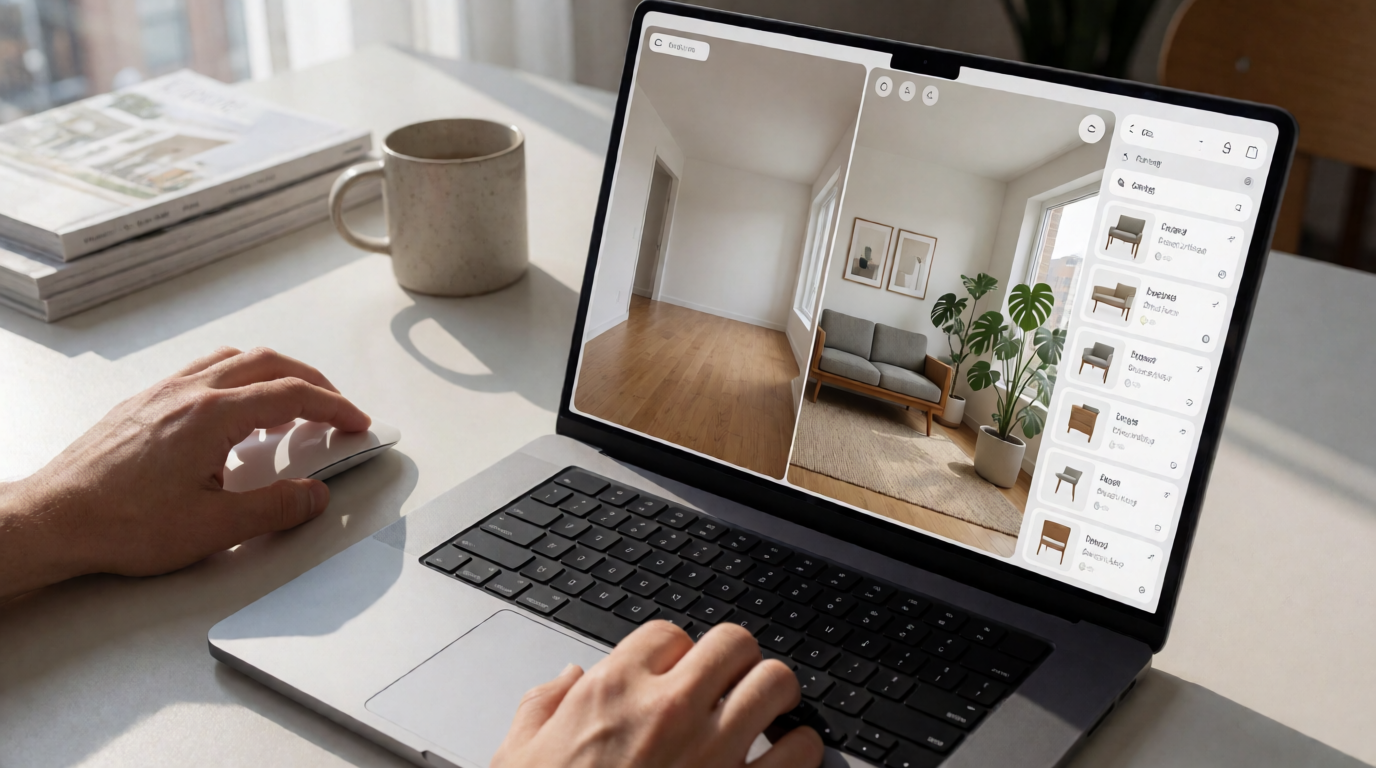
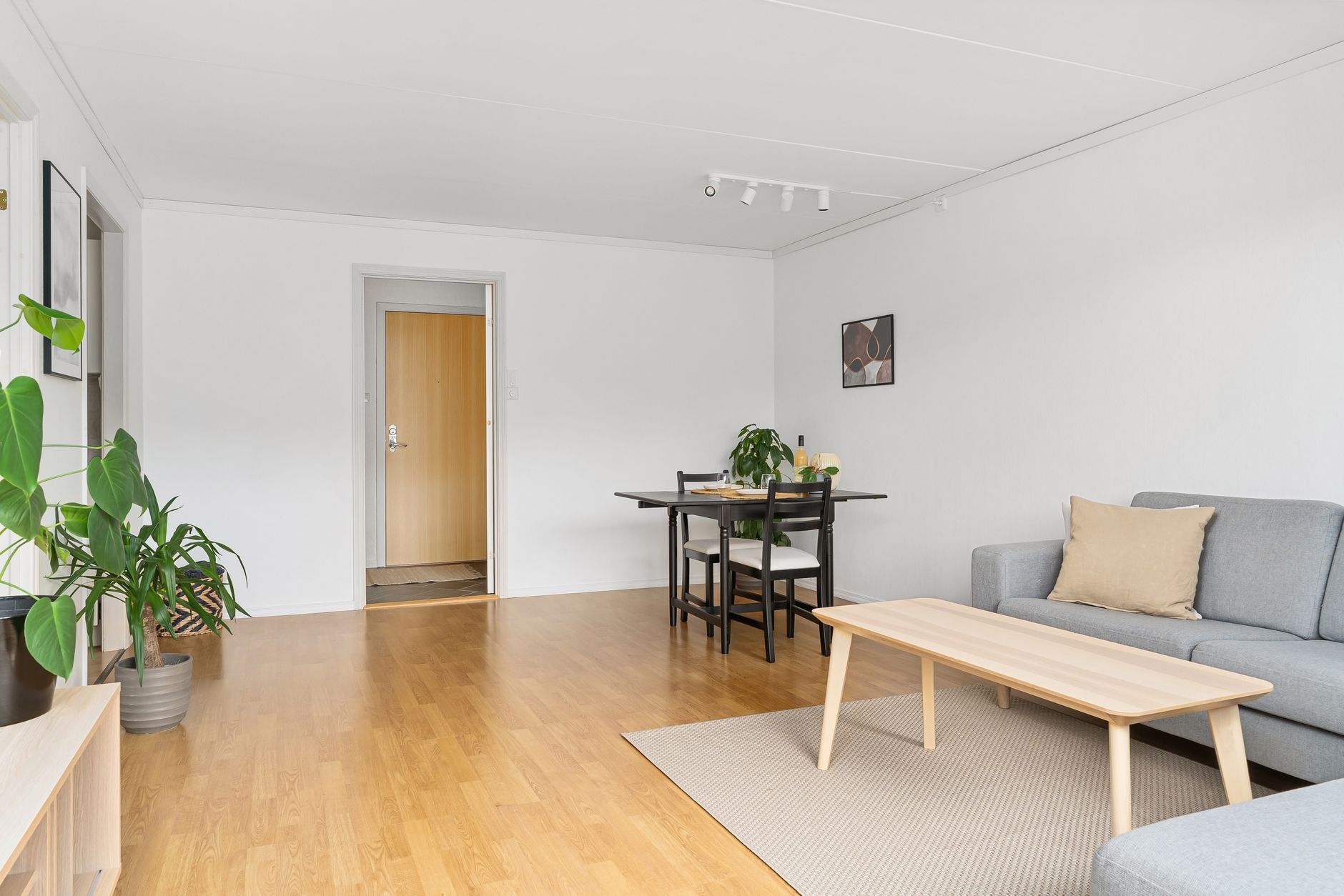
Virtual staging is the process of digitally adding furniture, decor, and design elements to photos of empty spaces using artificial intelligence and specialized software.
Unlike traditional physical staging, which costs thousands of dollars and takes days to implement, modern virtual staging solutions offer:
- Speed: Transform rooms in 12 seconds
- Cost: Up to 97% cheaper than physical staging
- Flexibility: Multiple decor styles for the same space
- Accuracy: Architecture-focused AI maintains real proportions
How the Technology Works
RealVisionAI uses convolutional neural networks (CNNs) specifically trained on:
- 1.2 million images of real rooms
- 400+ interior design styles
- Global architectural standards
This allows the system to:
- Automatically detect floors, walls, and openings
- Calculate correct scales and perspectives
- Add furniture with realistic lighting and shadows
- Maintain the structural integrity of the space
Why Is Virtual Staging Essential in 2026?
The current real estate landscape presents specific challenges that make virtual staging indispensable:
1. Generation Z Enters the Buying Market
With 72% of buyers under 40 preferring 100% online research (Zillow, 2026), impactful images are crucial.
2. Reduced Operating Costs
The global economic downturn is squeezing real estate marketing budgets, making affordable solutions like virtual staging essential.
3. Competition for Digital Attention
Listings with virtual staging receive:
- 139% more clicks on platforms like Zillow and Realtor.com
- 87% more requests for in-person showings
- 62% more shares on social media
Comparison: Traditional vs. Virtual Staging
| Factor | Physical Staging | Virtual Staging |
|---|---|---|
| Average Cost | $3,000-$8,000 | $20-$50 per room |
| Time | 3-7 days | 12 seconds |
| Flexibility | 1 style per home | 10+ styles per room |
| Price Impact | 1-3% increase | 1-5% increase |
| Availability | Local only | Global via digital platform |
How to Implement Virtual Staging in Your Workflow
Step 1: Capture Quality Images
- Use cameras with a minimum resolution of 20MP
- Shoot in RAW for maximum editing flexibility
- Keep straight lines and level horizons
Step 2: Choose the Right Software
Essential criteria for selection:
- Architectural Accuracy: Maintains real proportions
- Furniture Library: 500+ quality pieces
- Diverse Styles: From minimalist to luxurious
- High-Resolution Export: 300 DPI for print
Step 3: Strategic Customization
- Target Audience: Young families vs. Investors
- Regional Style: Adapt to local taste
- 2026 Trends: Trending colors and materials
Step 4: Platform Integration
Export directly to:
- MLS (compatible format)
- Social media (optimized for each platform)
- Real estate websites (pre-set sizes)
Advanced Virtual Staging Solutions in 2026
RealVisionAI offers features beyond basic staging:
1. Virtual Redecoration
- Change walls, floors, and even structural layouts
- Preview different finishes and materials
- Experiment with color combinations in real time
2. Demographic-Based Staging
Algorithms suggest decor based on:
- Local buyer data
- Neighborhood trends
- Socioeconomic profile of the area
3. Augmented Reality (AR)
- Visualize virtual furniture in the real space via smartphone
- Try different layouts by walking through the property
- Share AR experiences with remote clients
Ethics and Compliance in Virtual Staging
Essential principles for responsible use:
-
Transparency:
- Always disclose virtually staged images
- Use discreet visual markers when necessary
-
Integrity:
- Never hide defects or structural issues
- Maintain real room proportions
-
Relevance:
- Use realistically available furniture and decor
- Avoid misleading representations of spaces
Frequently Asked Questions About Virtual Staging
Is virtual staging allowed on all real estate platforms?
Most platforms (including Zillow, Realtor.com, and regional MLS systems) allow virtual staging as long as:
- It is clearly disclosed
- It does not permanently alter the structure
- It maintains the real proportions of the space
Can I use virtual staging in real estate videos?
Yes, the most advanced 2026 solutions already offer:
- Staging in 360° virtual tours
- Dynamic decor in walkthrough videos
- Real-time room transformations
How do I choose the best decor style?
Analyze:
- Target buyer profile
- Property architecture
- Local trends
- Engagement statistics by style
RealVisionAI offers automated recommendations based on data from thousands of similar listings.
Does virtual staging work for all property types?
The technology is effective for:
- Single-family homes
- Apartments
- Commercial spaces
- Land (with renderings)
Specific cases may require customized approaches.
What is the difference between virtual staging and 3D rendering?
- Virtual Staging: Adds furniture to real photos
- Rendering: Creates fully digital images Both have complementary applications in real estate marketing.
Real Case Studies
Case 1: Apartment in São Paulo
- Challenge: Property vacant for 8 months
- Solution: Modern staging with a focus on home office
- Result: Sold in 22 days for 7% above the initial price
Case 2: House in Miami
- Challenge: Outdated decor turning off buyers
- Solution: Contemporary virtual restaging
- Result: 14 offers in 10 days, sold for 12% above asking price
Case 3: Industrial Loft
- Challenge: Unconventional layout made visualization difficult
- Solution: 3 staging variations showing possibilities
- Result: Lease signed within 48 hours of republishing
Integration with Other Real Estate Technologies
Modern virtual staging connects with:
- 3D Virtual Tours: Decor integrated into immersive experiences
- Real Estate CRM: Automates workflows based on visual engagement
- Data Analytics: Measures the impact of different styles on time to sell
- Virtual Assistant: Suggests decor during client chats
The Future of Virtual Staging (2026-2030)
Emerging trends transforming the industry:
- Dynamic Staging: Rooms that adapt to the viewer in real time
- Generative AI: Creation of exclusive pieces based on buyer taste
- Metaverse: Staging experiences in virtual worlds
- IoT Sensors: Decor that reacts to real environmental data
How to Get Started Today
Implement virtual staging in 3 simple steps:
- Free Trial: Try RealVisionAI with no commitment
- Quick Training: 15 minutes to master the basic workflow
- Integration: Connect to your existing tools
💡
Key Takeaway
In 2026, agents who ignore virtual staging are losing up to 73% of the engagement potential on their listings, according to a WAV Group study.
To stay competitive in today's real estate market, adopting professional virtual staging tools is no longer optional — it's strategic. RealVisionAI offers the most advanced and affordable solution on the market, with proven results in over 15,000 properties worldwide.
Ready to transform your listings? Try RealVisionAI today and take your real estate marketing to the next level.
To deepen your knowledge, we recommend our specialized guides:
- AI Real Estate Photography
- Design Trends for Properties in 2026
- Digital Marketing for Realtors
Recommended Readings
To deepen your understanding of these topics, we recommend reading the following articles:
Free Real Estate AI Visual Playbook 2026
Discover how top realtors boost listing engagement by 62% and close deals faster using AI photo enhancement and virtual staging.