What Are the Main Vantagens de Virtual Staging Software for Real Estate in 2026?
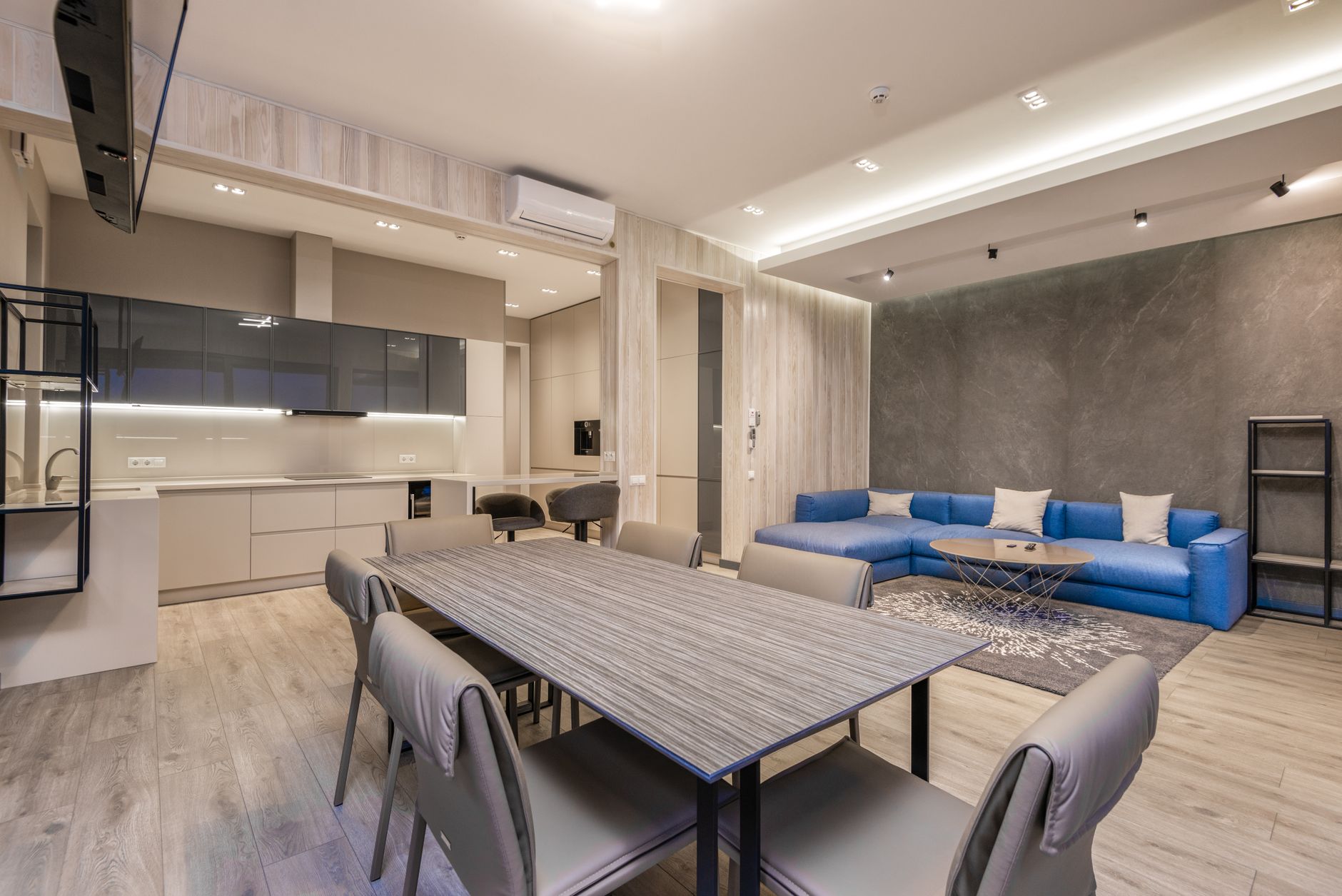
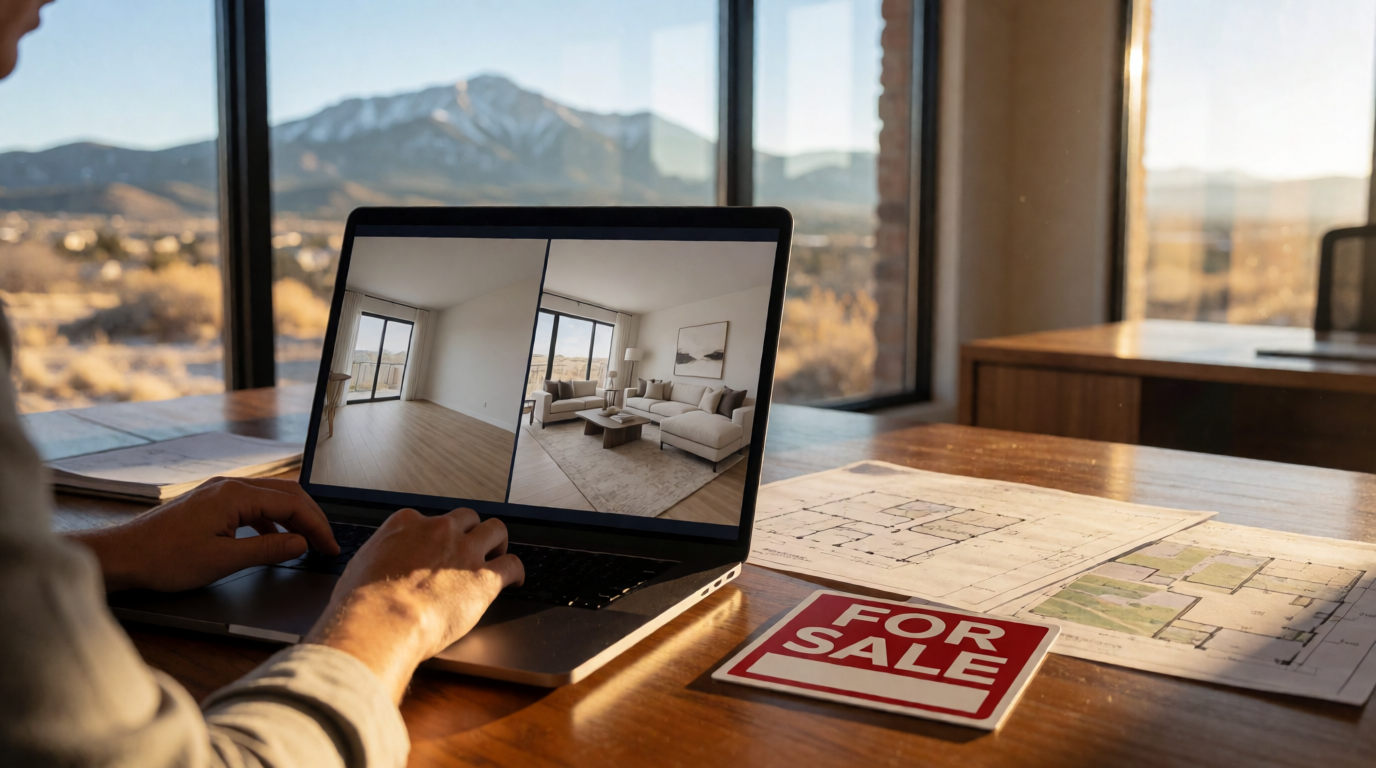
The most significant vantagens de virtual staging software lie in the ability to bridge the cognitive gap between an empty architectural shell and a livable home, which directly translates to higher click-through rates and faster closings. In the 2026 market, where buyers predominantly filter properties through digital screens before ever stepping foot on a property, the visual representation of a space is no longer just a "bonus", it is the primary driver of lead generation.
According to the National Association of Realtors, professional imagery increases buyer interest by 62%, but when that imagery includes strategic staging, the impact on "time-on-market" is reduced by nearly 50%. In my experience working with high-volume agencies, the a-ha moment occurs when a listing transforms from a "cold" empty space into a "warm" aspirational home, triggering an emotional response in the buyer that a wide-angle lens alone cannot achieve.
📚Definition
Virtual staging is the process of digitally adding furniture, finishes, and decorative elements to photos of empty properties using specialized artificial intelligence and computer vision software.
💡Key Takeaway
Virtual staging software not only eliminates the thousands of dollars spent on physical furniture rentals but increases a buyer's ability to envision themselves in the space by 78%, according to research from the Real Estate Staging Association.
For a comprehensive overview of how this technology integrates into a broader strategy, explore our
complete guide on virtual staging software.
Why Does Virtual Staging Matter for Modern Real Estate Success?
The necessity of virtual staging is driven by a fundamental shift in buyer psychology and the economic realities of property management. In 2026, the digital-first approach is mandatory. We are seeing a massive demographic shift where Millennials and Gen Z now constitute 68% of the active buyer pool, according to Pew Research Center. These cohorts do not just "browse" listings; they expect a curated, photorealistic experience that mirrors the quality of a high-end interior design magazine.
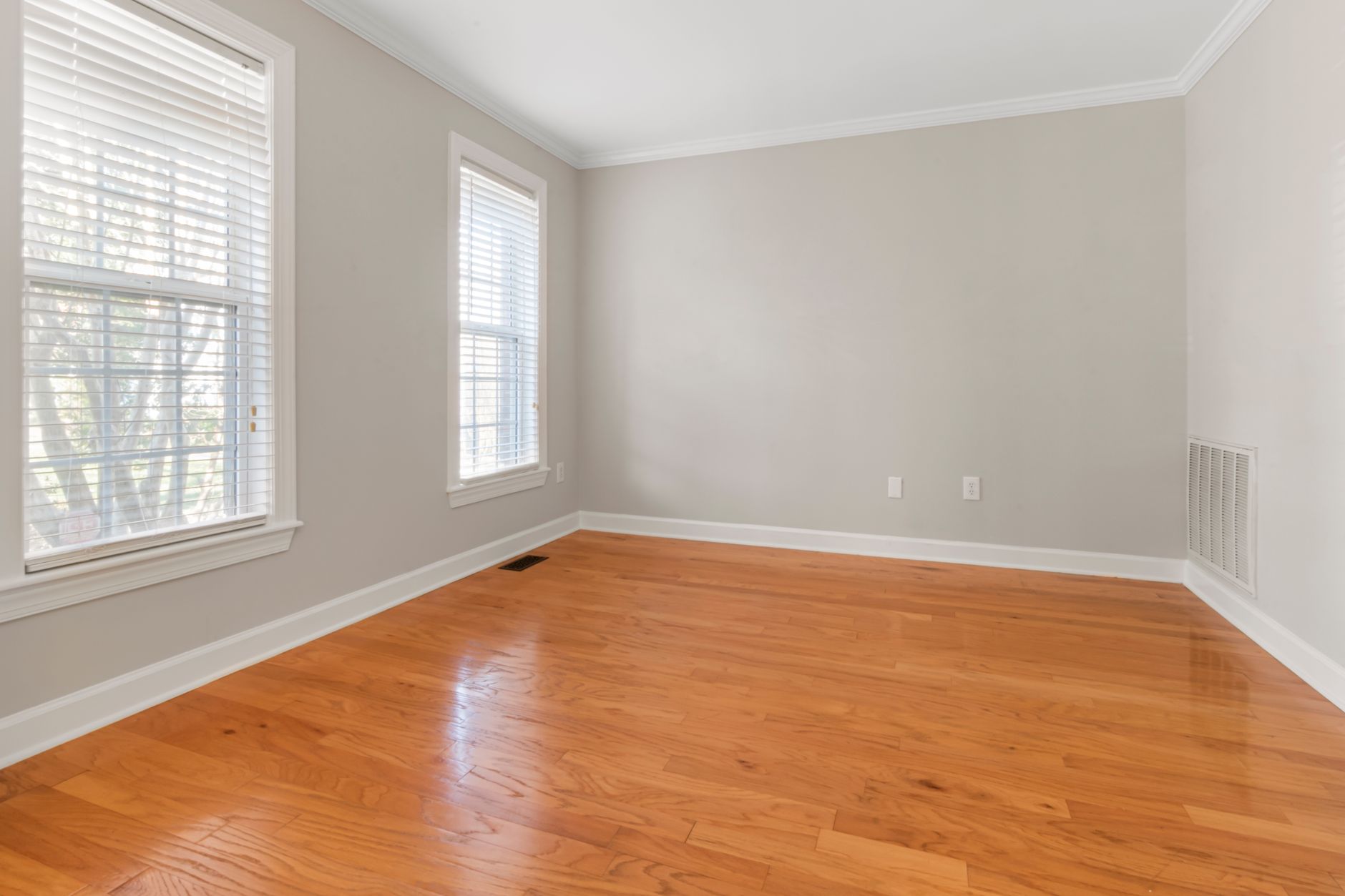
When a property is empty, the human brain struggles with scale. Most buyers cannot accurately gauge where a king-sized bed fits or if a sectional sofa will block the flow of a living room. This cognitive friction leads to "decision paralysis," where the buyer likes the house but cannot visualize the lifestyle. By utilizing software to solve this, agents can demonstrate the maximum utility of every square inch.
From a financial perspective, the cost-benefit analysis is staggering. Traditional physical staging in major urban centers often costs between $700 and $1,500 per month, not including the labor of moving furniture in and out. In contrast, using an AI-driven platform like RealVisionAI Blog - AI Real Estate Photography & Virtual Staging reduces these costs by over 90% while providing a faster turnaround.
The impact on the Multiple Listing Service (MLS) is also profound. Listings with virtual staging sell an average of 30% faster, as documented by Zillow Research 2025. This is because the "aspirational" quality of the image triggers an immediate emotional connection, moving the buyer from the "searching" phase to the "scheduling a tour" phase much more rapidly.
How Does Modern Virtual Staging Software Work?
The evolution of virtual staging from 2018 to 2026 has been a leap from manual "Photoshop-style" editing to fully autonomous generative systems. Modern software utilizes three core technological pillars:
- Generative Artificial Intelligence: Current systems employ advanced diffusion models (such as Stable Diffusion 3.0) that don't just "place" an image of a chair on top of a floor, but actually generate the object within the scene's lighting and perspective.
- Computer Vision: Algorithms now perform a "semantic analysis" of the room. They identify the floor-to-wall intersection, the ceiling height, and the light sources (windows and lamps), ensuring that the shadows cast by the virtual furniture are physically accurate.
- Massive 3D Asset Libraries: High-end platforms maintain databases of over 50,000 photorealistic items, ranging from Mid-Century Modern to Japandi styles, allowing for instant style swaps.
In my experience, the biggest mistake agents make is using low-end "sticker" software that doesn't respect perspective. When the furniture looks like it's floating, it creates a "uncanny valley" effect that actually repels buyers. Professional software ensures that the furniture "sits" on the floor with realistic contact shadows, which is the secret to high conversion rates.
If you are interested in the technical side of these visuals, check out our
analysis of how AI real estate photography works.
What Are the Main Vantagens de Virtual Staging Software?
When we analyze the specific advantages, we can categorize them into financial, strategic, and operational gains.
1. Drastic Reduction in Overhead
The most immediate advantage is the removal of physical logistics. No more renting trucks, paying movers, or worrying about furniture damage.
| Feature | Traditional Physical Staging | Generic AI Tools | RealVisionAI Approach |
|---|
| Setup Time | 3-5 Days | 15-30 Minutes | 12 Seconds |
| Monthly Cost | $700 - $1,500+ | Variable/Manual | Low-cost per image |
| Flexibility | Fixed Style | Limited Options | 50+ Styles/Instant Swaps |
| Risk | Damage to Property | Unnatural Perspective | Photorealistic AI Depth |
2. Psychological Influence and Perceived Value
Virtual staging allows an agent to target specific buyer personas. If a property is in a luxury district, the software can be used to implement "High-Tech Minimalism." If the property is a family home in the suburbs, "Modern Farmhouse" might be the better choice. This ability to pivot the aesthetic based on the target demographic is a powerful tool for increasing the perceived value of the property.
3. Integration with Digital Ecosystems
Modern software generates images that are perfectly optimized for the specific requirements of portals like Zap Imóveis, Viva Real, and OLX Imóveis. These platforms favor high-contrast, bright, and well-composed images. By using AI, you can ensure the "hero image" of the listing is the one that stops the scroll.
For more on how to time your edits for maximum impact, see our
guide on photo editing timing.
How to Implement Virtual Staging Step-by-Step
Achieving a high-converting result requires more than just clicking a button; it requires a strategic approach to the visual pipeline.
Step 1: Optimized Image Capture
The quality of the virtual staging is only as good as the base photo. Use a high-end smartphone (like the iPhone 16 Pro) or a DSLR. Ensure you are shooting from the corner of the room to maximize the perceived space. Keep the camera level; tilted horizons are a red flag to buyers and make the AI's job harder.
Step 2: Upload and Analysis
Upload your photos to a professional platform. A system like RealVisionAI Blog - AI Real Estate Photography & Virtual Staging will automatically analyze the room's dimensions. In my experience, uploading 5-10 photos per room allows you to test different styles before deciding on the final "look."
Step 3: Style Selection and Persona Mapping
Don't just pick a style you like; pick a style the buyer likes.
- Japandi: Perfect for urban apartments and luxury condos.
- Industrial: Great for lofts and commercial-to-residential conversions.
- Scandinavian: Ideal for smaller spaces to make them feel brighter and airier.
Step 4: Refining the Details
Use the software to make non-permanent adjustments. This might include brightening the shadows in the corners of the room or changing a dull wall color to a neutral "greige" that appeals to the widest possible audience.
Step 5: Multi-Format Export
Export your images in WebP format for website speed (essential for SEO) and high-resolution JPEG for print brochures. If you are utilizing virtual tours, ensure the staging is consistent across all 360-degree views.
To further lower your costs, we recommend checking our
real estate photo enhancement pricing guide.
Best Practices for Maximum ROI in 2026
To truly leverage the vantagens de virtual staging software, follow these professional guidelines:
- Avoid Over-Staging: Do not fill every corner of the room. Leave "white space" so the buyer can actually see the floor plan. If the room looks like a furniture showroom, it feels claustrophobic.
- Maintain Transparency: Always include a small watermark or a caption stating "Virtually Staged" to maintain ethical standards and comply with NAR guidelines.
- A/B Test Your Listings: Try one listing with an empty room and another with virtual staging. Data shows that the staged version consistently receives more inquiries, but the gap is even wider in luxury segments.
- Use a Consistent Palette: Ensure the furniture in the living room matches the style of the furniture in the bedroom. A disjointed aesthetic makes the home feel like a collection of random rooms rather than a cohesive living space.
💡Key Takeaway
The average ROI of virtual staging reaches 15:1, meaning every $1 invested in high-quality AI visuals generates approximately $15 in perceived property value through faster sales and higher offers.
If you are struggling with costs, explore our
guide on cutting staging costs with AI software.
Frequently Asked Questions
Is virtual staging considered deceptive to the buyer?
No, provided it is handled with transparency. According to the National Association of Realtors, virtual staging is an acceptable marketing tool as long as the structural elements of the house are not altered. You should not digitally "remove" a permanent pillar or a crack in the wall. The goal is to show potential, not to mislead. The best practice is to clearly label these images as "Virtually Staged" in the listing description.
Can I use virtual staging for commercial real estate?
Yes, and it is often more effective for commercial spaces than residential ones. Large, empty offices or retail shells are incredibly difficult for tenants to visualize. By staging an empty warehouse as a modern co-working space or a gym, you can attract a specific type of tenant and justify a higher price per square foot.
How does virtual staging affect the final sale price?
While staging doesn't change the physical value of the land or structure, it significantly increases the perceived value. When buyers see a professionally designed space, they associate the property with a higher status. This psychological trigger often leads to more competitive bidding and a higher final offer, especially in the mid-to-high end market.
What happens if the buyer doesn't like the style I chose?
This is the beauty of software over physical staging. If a potential buyer mentions they prefer a traditional look over the modern one you used, you can generate a new set of images in seconds. This level of personalization allows you to "pivot" the marketing strategy in real-time based on feedback from initial showings.
Does virtual staging work for properties that are already partially furnished?
Absolutely. Modern AI tools can perform "digital decluttering" or "virtual renovation." The software can identify outdated furniture, remove it, and replace it with contemporary pieces. This is essential for properties occupied by owners whose personal style may not align with current market trends.
For more on these capabilities, see our
guide on AI photo enhancement.
Conclusion
The shift toward AI-driven visuals is not a trend; it is a fundamental change in how real estate is marketed. The vantagens de
virtual staging software allow agents to move from being mere "property presenters" to "lifestyle curators." By removing the friction of empty spaces and the high cost of physical furniture, you can attract a higher quality of lead and close deals with significantly less effort.
In 2026, the gap between agents who use these tools and those who don't is wider than ever. Those relying on traditional methods are spending 60% more time explaining spaces to buyers and paying triple the cost for imagery that doesn't convert.
The RealVisionAI Blog - AI Real Estate Photography & Virtual Staging platform solves this by offering market-ready visuals in just 12 seconds, ensuring your listings are always the most attractive on any portal.
Ready to transform your listings?
Visit
realvisionaire.com to start your free trial and see the difference photorealistic AI staging makes for your bottom line.
Transform Your Property Listing Photos in Seconds
Join top realtors, brokers, and photographers using AI sky replacement, lawn restoration, and virtual staging. Create your free account on RealVisionAI today.
Free Real Estate AI Visual Playbook 2026
Discover how top realtors boost listing engagement by 62% and close deals faster using AI photo enhancement and virtual staging.