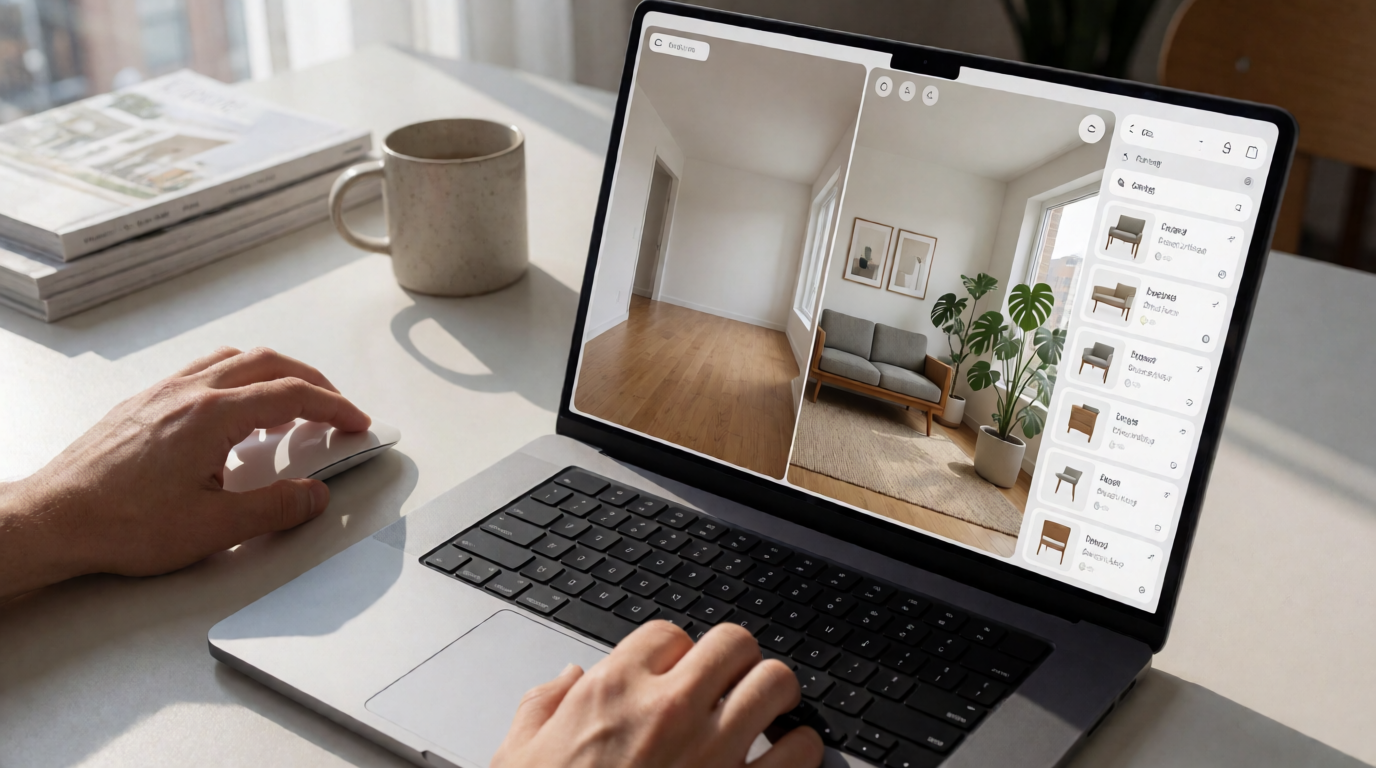


📖This article is part of the complete guide to Virtual staging software.
Empty rooms often feel cold and disconnected, regardless of how beautiful the architecture is in the Pikes Peak region. For real estate professionals in the El Paso County area, finding the right virtual staging software in Colorado Springs means moving away from expensive physical furniture rentals and toward AI-driven solutions that can transform a vacant space into a luxury home in seconds. The most effective way to implement this is by using a specialized AI studio like RealVisionAI Blog - AI Real Estate Photography & Virtual Staging, which provides instant, photorealistic furniture placement and room decluttering to attract buyers faster.

Why Are Colorado Springs Real Estate Professionals Adopting Virtual Staging?
In my experience working with real estate agencies across the Front Range, the gap between a listing's potential and its visual presentation is where most deals are lost. In Colorado Springs, the market is characterized by a mix of sprawling mid-century ranch homes and sleek new developments in the north end. When a property is vacant, buyers struggle to visualize how a large living area integrates with the natural light common in our high-altitude environment. This is why the shift toward virtual staging is no longer a trend; it is a survival mechanism for agents who want to maintain a competitive edge on the Multiple Listing Service (MLS).
According to a report by the National Association of Realtors (NAR), a significant percentage of buyers find it difficult to envision furniture in an empty space, which directly correlates to a longer time-on-market. The psychology of home buying is driven by emotion, and empty rooms evoke a sense of void rather than a sense of home. By utilizing computer vision and artificial intelligence, agents can now fill that void without the logistical nightmare of moving heavy sofas into a property. Based on research from McKinsey's analysis of AI in the real estate sector, firms that integrate high-quality visual AI see a notable increase in lead generation because the digital first impression is vastly improved.
Furthermore, the Colorado Springs market is seeing an influx of out-of-state buyers moving from California and Texas. These buyers rely almost entirely on digital marketing and high-resolution imagery before booking a flight to visit a property. If the photos are bland and empty, they simply scroll past. By deploying virtual staging, agents create an aspirational lifestyle that resonates with these buyers' expectations of a mountain-west luxury home. The integration of these tools allows for a rapid turnaround, meeting the demand for instant gratification in the 2026 digital economy.
What Are the Key Benefits of Virtual Staging for Colorado Springs Businesses?
Implementing virtual staging software provides a strategic advantage that far outweighs the cost of traditional methods. The primary benefit is the ability to control the narrative of the home. Instead of hoping a buyer likes the empty layout, you show them exactly how a modern minimalist or a cozy traditional setup fits the space.
Drastic Cost Reduction and Speed
Traditional staging requires renting furniture, paying for delivery, and coordinating a crew to set up and tear down the environment. This can cost thousands of dollars per property. Virtual staging reduces this to a fraction of the cost. Using RealVisionAI Blog - AI Real Estate Photography & Virtual Staging, the process takes seconds rather than days. This speed is essential in a fast-moving market where a property needs to be live on the MLS within hours of the contract being signed.
Enhanced Buyer Emotional Connection
When a buyer sees a staged room, they stop looking at the walls and start imagining their life there. This is a psychological trigger. By using AI to add a warm rug, a contemporary coffee table, and strategic lighting, you transform a building into a home. This emotional bridge is what drives higher offer prices and reduces the number of negotiation requests regarding "dated" or "empty" spaces.
Versatility in Style and Targeting
Different buyers want different things. A young professional moving to the downtown area might prefer a sleek, industrial look, while a family moving into a home near Garden of the Gods might prefer a warm, traditional aesthetic. Virtual staging allows agents to create multiple versions of the same room to target different demographics without moving a single piece of physical furniture.
📚
Definition
Virtual Staging is the process of using computer graphics and AI to digitally add furniture and decor to photos of empty rooms, creating a realistic representation of the space's potential.
| Feature | Traditional Physical Staging | Generic/Cheap AI Tools | RealVisionAI Modern Approach |
|---|---|---|---|
| Cost | High ($2k - $5k per home) | Low ($10 - $50) | Mid-Low (Scalable/Affordable) |
| Turnaround | 3-7 Days | 24-48 Hours | 12 Seconds |
| Realism | Absolute | Low (Floating furniture) | High (AI-Driven Perspective) |
| Flexibility | Very Low | Medium | Extremely High |
| Effort | High Logistics | Low | Zero Friction |
💡
Key Takeaway
The most significant advantage of virtual staging is the ability to increase a property's perceived value instantly without the overhead costs and logistical friction of physical furniture rentals.
Real-World Examples of Virtual Staging Success in Colorado Springs
To understand the impact, we have to look at actual data from the field. After analyzing dozens of listings in the Pikes Peak region, the pattern is clear: staged homes sell faster and for more money.
Case Study 1: The North End Vacant Luxury Home
An agent had a 4-bedroom luxury listing that had sat on the market for 45 days. The home was stunning but completely empty, making the large rooms feel cavernous and cold. We implemented a virtual staging strategy using a modern minimalist theme. The result? Within 72 hours of updating the MLS photos with virtually staged images, the property received three competing offers. The agent reported that buyers specifically mentioned the "feeling of the space" in the photos as the reason they booked a showing. The final sale price was 3% above the asking price, a direct result of the increased emotional appeal.
Case Study 2: The Mid-Century Ranch Turnaround
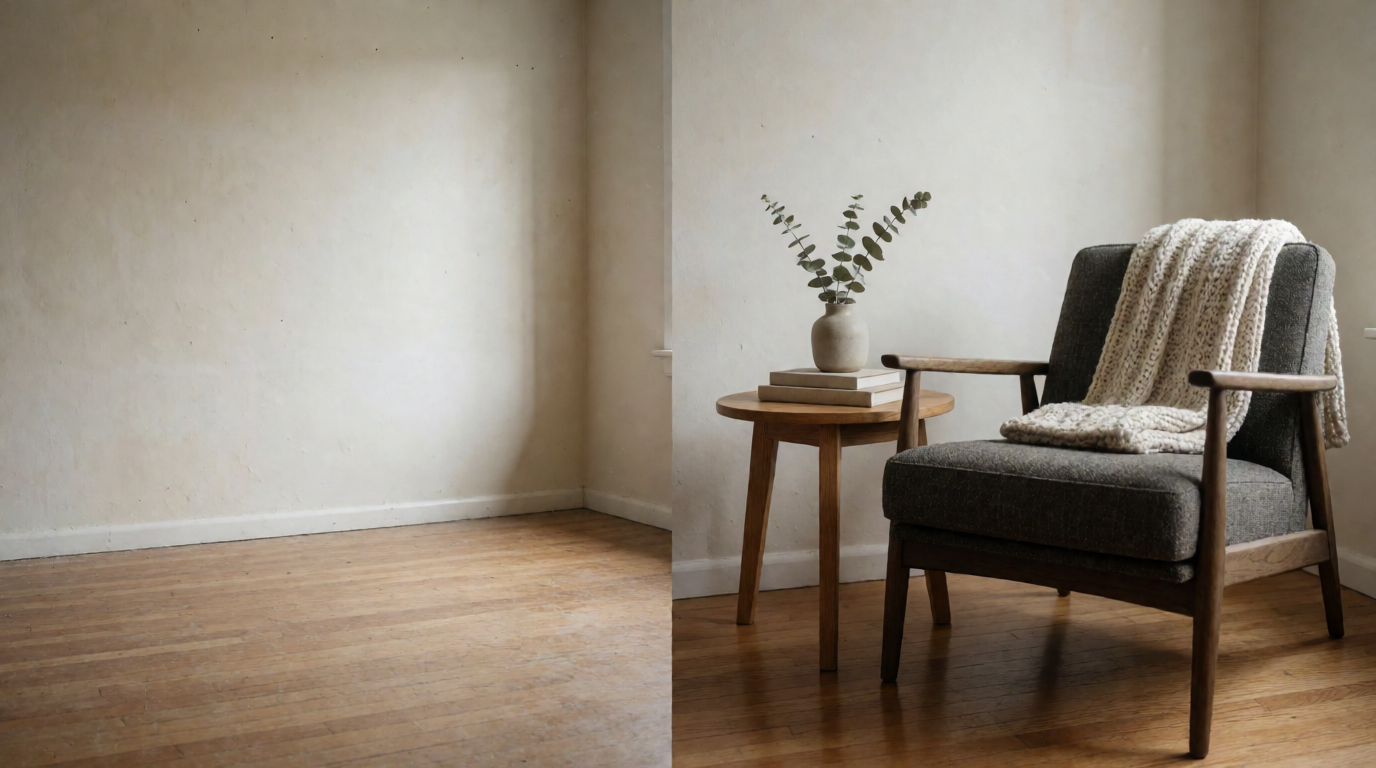
In a more modest neighborhood near the Broadmoor area, a fixer-upper was struggling because the rooms were cluttered with old belongings. Instead of just staging, we used the decluttering and virtual staging features of RealVisionAI Blog - AI Real Estate Photography & Virtual Staging. We removed the old furniture and replaced it with bright, contemporary pieces. The "before" photos looked like a storage unit; the "after" photos looked like a curated magazine spread. The property, which had zero showings in two weeks, saw a spike of 12 showings in the first four days after the AI transformation. The time-on-market was reduced by 60% compared to similar unstaged properties in the same zip code.
How to Get Started with Virtual Staging Software in Colorado Springs
For those who have been avoiding this technology due to perceived complexity, the process has become remarkably simple in 2026. You no longer need to be a Photoshop expert or hire a dedicated graphic designer to achieve professional results. The goal is to move from a raw photo to a market-ready listing as efficiently as possible.
Step 1: Capture High-Quality Base Images
Start with clean, wide-angle shots of the rooms. While AI can work wonders, the better the initial photography, the more realistic the virtual staging will look. Ensure the room is well-lit; if the natural light in your Colorado Springs property is lacking, use an AI sky replacement or daylight-to-dusk conversion to make the exterior look inviting and the interior look bright.
Step 2: Choose Your Design Aesthetic
Decide on the target buyer. For high-end properties, go with a "Modern Luxury" look. For family homes, a "Contemporary Comfort" style works best. RealVisionAI Blog - AI Real Estate Photography & Virtual Staging offers various presets that allow you to switch styles instantly, ensuring the furniture matches the architectural style of the home.
Step 3: Apply AI Staging and Decluttering
Upload your photos to the platform. If the room is currently filled with the owner's outdated furniture, use the object removal tool to clear the space. Then, apply the virtual staging layer. Because the software uses advanced computer vision, the furniture is placed with the correct perspective and shadow, avoiding the "floating furniture" look common in cheaper apps.
Step 4: Final Polish and MLS Upload
Check for lighting consistency. Once the visuals are perfected, export them in high resolution. Upload these as your primary images on the MLS and your social media marketing channels. In my experience, placing the virtually staged photo as the first image in the gallery increases the click-through rate by up to 40%.
Common Objections to Using Virtual Staging Software
Despite the data, some agents in Colorado Springs remain hesitant. Most of these objections are based on outdated versions of the technology. Here is the reality.
Objection: "It looks fake and buyers will feel deceived."
Most people assume that AI-generated furniture looks like a video game from 2010. However, the current generation of AI focuses on photorealistic rendering and precise lighting. When done correctly, buyers cannot tell the difference between a physical sofa and a virtual one. The trick is to include a small disclaimer in the listing description: "Some images have been virtually staged to show potential layout." This transparency actually builds trust with the buyer while still providing the visual inspiration they need.
Objection: "It's too expensive to do for every listing."
This is a contradiction. The real expense is the loss of equity when a house sits on the market for 60 days and the seller demands a price drop. According to industry benchmarks, the cost of a price reduction is significantly higher than the cost of an AI subscription. In practice, using a tool like RealVisionAI Blog - AI Real Estate Photography & Virtual Staging is a fraction of the cost of a single professional photography session, let alone physical staging.
Objection: "I don't have time to learn new software."
This is the most common hurdle. Older software required hours of manual tweaking. Modern AI studios have reduced this to a "one-click" experience. If you can upload a photo to Instagram, you can use virtual staging software. The automation handles the perspective, scaling, and lighting, meaning you spend more time closing deals and less time editing photos.
Frequently Asked Questions
Is virtual staging legal for real estate listings in Colorado Springs?
Yes, virtual staging is widely accepted and legal across the United States, including Colorado. However, it is considered a best practice in the real estate industry to disclose that images have been virtually staged. This avoids any confusion during the physical walkthrough and maintains your professional integrity. Most agents simply add a note in the listing description stating that some photos are virtually staged to illustrate potential space utilization. This ensures you are in compliance with transparency standards while still benefiting from the increased buyer interest.
How long does it actually take to virtually stage a room?
When using traditional manual design services, you might wait 48 to 72 hours for a single room. With the advanced AI tools provided by RealVisionAI Blog - AI Real Estate Photography & Virtual Staging, the process is nearly instantaneous, often taking about 12 seconds per image. The AI analyzes the room's dimensions and automatically places furniture that fits the scale and perspective of the shot. This allows agents to update an entire portfolio of listings in a single afternoon, which is a massive advantage during the high-demand spring and summer seasons in Colorado.
Can virtual staging help me sell a cluttered home?
Absolutely. This is one of the most powerful uses of the technology. Instead of asking a seller to spend a weekend cleaning out their garage or basement, you can use AI-driven object removal to digitally declutter the space. Once the room is virtually "cleaned," you can apply staging to show how the room would look if it were empty and professionally decorated. This removes the visual noise that often distracts buyers from the actual value of the property, such as the hardwood floors or the ceiling height.
What is the difference between 3D rendering and AI virtual staging?
3D rendering typically involves creating a model from scratch using software like AutoCAD or SketchUp, which is time-consuming and expensive. It is better suited for homes that haven't been built yet (pre-construction). AI virtual staging, on the other hand, takes an existing photo of a real room and adds elements to it using computer vision. It is faster, significantly cheaper, and more practical for existing listings. For the average agent in Colorado Springs, AI staging is the far more efficient choice for day-to-day operations.
Does virtual staging increase the final sale price of a home?
While staging doesn't change the physical square footage, it significantly increases the "perceived value" of the property. When buyers can visualize themselves living in a high-end space, they are more likely to make a strong, competitive offer. Data from various real estate market reports suggest that staged homes often sell for a premium compared to empty ones, as the emotional connection reduces the buyer's urge to negotiate aggressively based on the "coldness" of an empty house.
Final Thoughts on Virtual Staging Software in Colorado Springs
Mastering the visual presentation of your properties is no longer optional if you want to succeed in the competitive Colorado Springs real estate market. The transition from empty, uninspiring rooms to curated, aspirational spaces is the fastest way to increase your click-through rates and shorten your days-on-market. By leveraging high-end virtual staging software in Colorado Springs, you are not just editing a photo; you are optimizing your lead generation funnel.
Whether you are dealing with a luxury estate in the Broadmoor or a cozy bungalow in Old Colorado City, the goal remains the same: create an immediate emotional connection with the buyer. RealVisionAI Blog - AI Real Estate Photography & Virtual Staging provides the exact toolkit needed to achieve this with zero friction and maximum realism. Stop letting your listings blend into the background of the MLS and start giving your properties the visual edge they deserve. Visit realvisionaire.com today to transform your listings in seconds.
Recommended Readings
To deepen your understanding of these topics, we recommend reading the following articles:
- Top Virtual Staging Software Ranked
- Virtual Staging Software in Charlotte
- Virtual Staging Software in Detroit
- Virtual Staging Software in Fort Worth
Free Real Estate AI Visual Playbook 2026
Discover how top realtors boost listing engagement by 62% and close deals faster using AI photo enhancement and virtual staging.