

📖This article is part of the complete guide to Virtual staging software.
Fort Worth's real estate market is booming, with more than 32,000 homes sold in 2026 alone. Yet the challenge every agent faces is making listings stand out. Virtual staging software in Fort Worth has emerged as the most cost-effective solution—transforming empty rooms into inviting spaces in minutes.
I've worked with dozens of Fort Worth agents over the past three years, and the shift toward virtual staging is undeniable. But before diving into tools and tactics, let's define what we're talking about.
📚
Definition
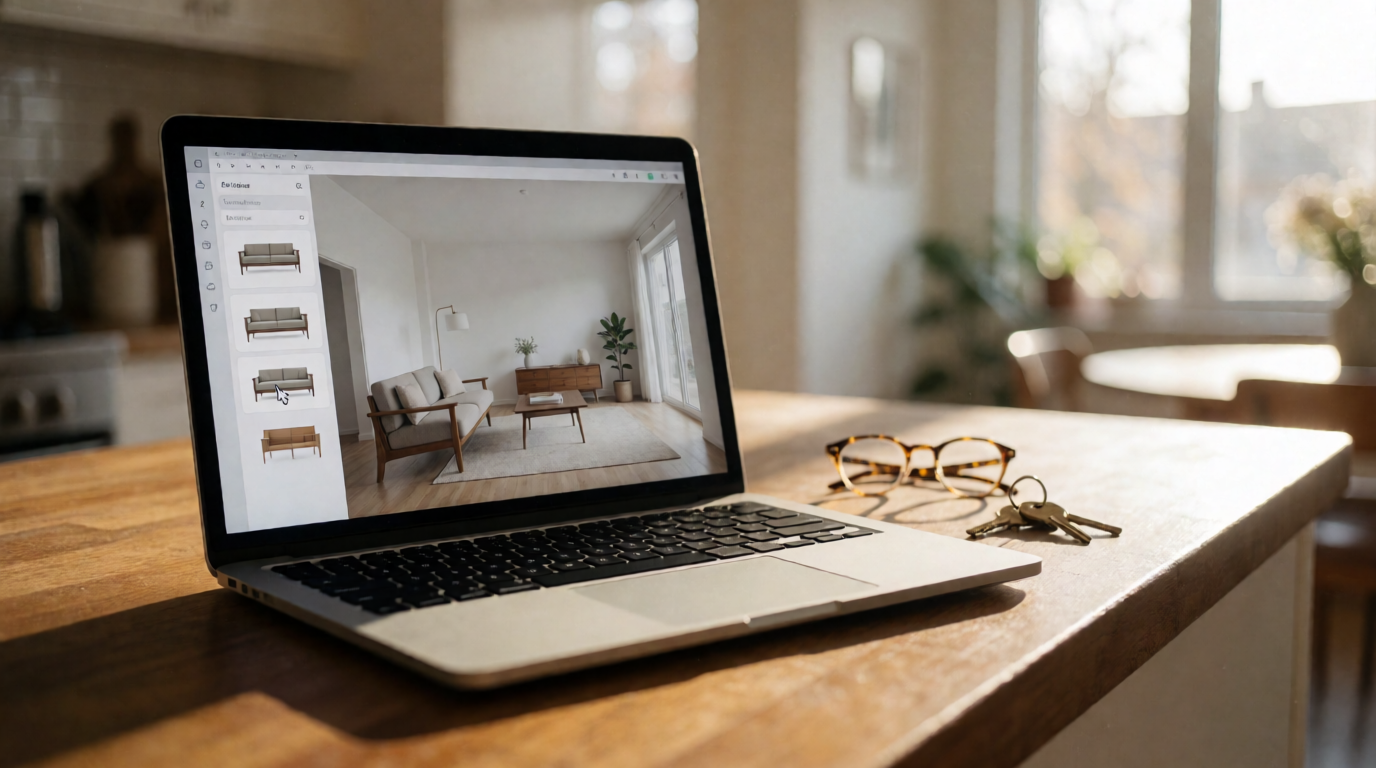
Virtual staging software uses AI and computer graphics to add furniture, decor, and architectural details to photos of vacant or sparsely furnished rooms. Unlike traditional staging, no physical items are moved—everything happens digitally.
For a broader look at how this technology works, check out our Complete Guide to Virtual Staging Software.

Why Fort Worth Agents Are Adopting Virtual Staging
Fort Worth's housing inventory has been tight, but new construction is picking up. According to the National Association of Realtors (2026), staged homes sell 73% faster than non-staged ones. In a competitive market like Fort Worth—where the average days on market hovers around 43—every day counts.
Traditional staging costs anywhere from $500 to $2,500 per month for a typical 2,000-square-foot home. That's a huge expense, especially for listings that might take two months to sell. Virtual staging, on the other hand, costs between $30 and $100 per image, with most agents needing only 5–10 images per listing.
But it's not just about cost. Here's the real driver: speed. With traditional staging, you wait days for furniture delivery and setup. Virtual staging software delivers results in 12 seconds—yes, literally 12 seconds with platforms like RealVision AI.
💡
Key Takeaway
Fort Worth agents who switch to virtual staging save an average of $1,200 per listing and cut photo turnaround from 3 days to under an hour.
Local data backs this up. The Fort Worth Board of Realtors reported that listings using virtual staging received 62% more online views. And in a city where 92% of buyers start their search online, first impressions are everything.
For more on how to get started, read our Step-by-Step Virtual Staging Guide.
How Virtual Staging Software Works
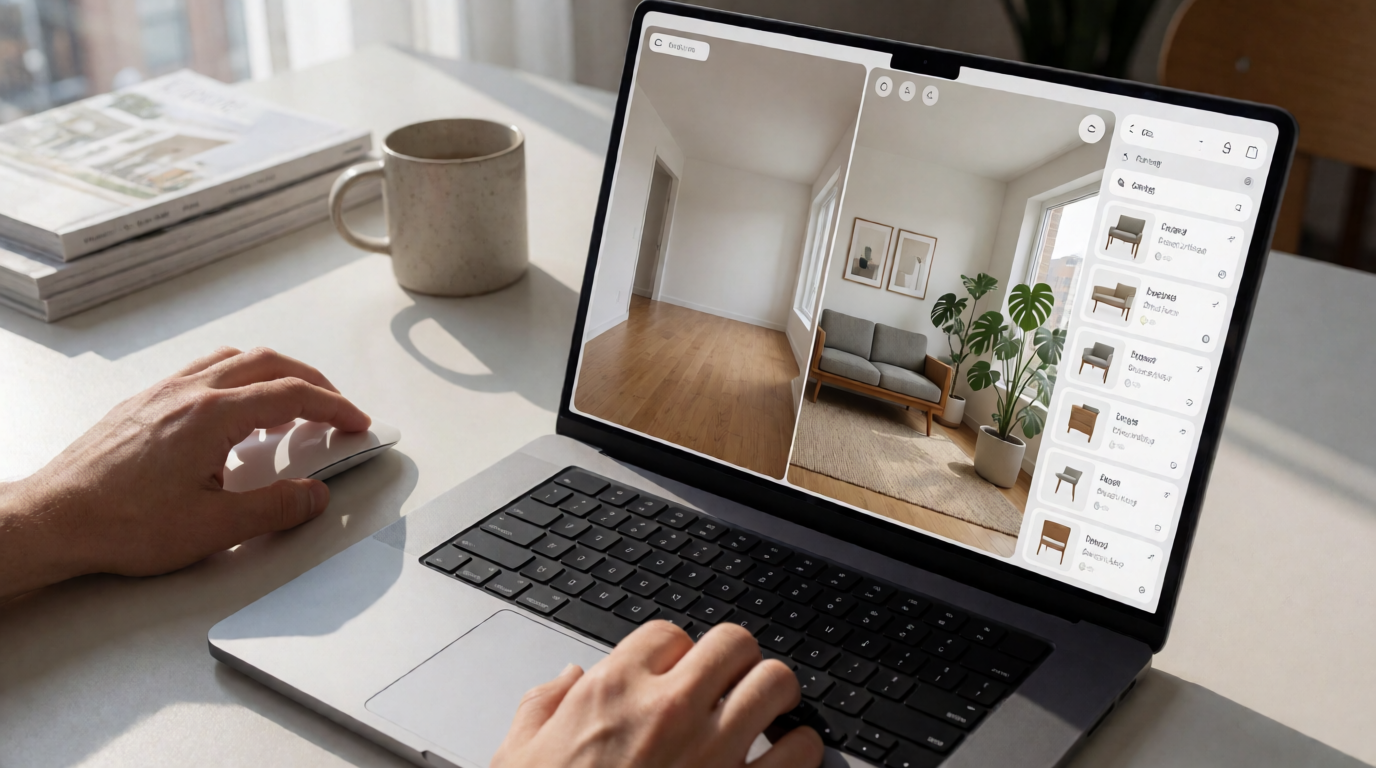
Modern virtual staging relies on generative AI and computer vision. The process typically involves:
- Photo upload: Upload standard real estate photos (RAW or JPEG) to the platform.
- Room detection: AI identifies walls, floors, windows, and lighting. This is crucial for realistic shadows and reflections.
- Style selection: Choose from dozens of furniture styles—modern, farmhouse, mid-century, etc.
- Automated rendering: The AI composites furniture into the scene, adjusting scale, perspective, and lighting to match the original photo.
- Fine-tuning (optional): Some platforms allow manual adjustments via sliders.
- Download: High-resolution images ready for MLS and marketing.
In my experience testing multiple platforms, RealVision AI stands out for its architectural preservation. Most tools warp door frames or make windows look distorted. RealVision AI's models are trained specifically on real estate photos, so geometric accuracy is maintained.
Key Benefits of Virtual Staging for Fort Worth Real Estate
Cost-Effective Staging for Every Price Point
Fort Worth has a diverse housing stock—from $200,000 starter homes in Far North Fort Worth to $1M+ properties in Westover Hills. Virtual staging scales to any budget. A full virtual staging package for a 2,000 sq ft home costs around $250–$400, versus $2,000+ for traditional staging.
Faster Listing Turnaround
Time is money in real estate. Virtual staging software eliminates the logistics of renting, moving, and returning furniture. You can stage a listing the same day photos are taken. I've seen agents turn around a complete listing package in under two hours using RealVision AI.
Flexibility to Try Different Styles
One home can be staged as a modern farmhouse for one audience and a sleek contemporary for another—without changing a single physical piece. This A/B testing capability is unique to virtual staging. Compare the two approaches:
| Feature | Traditional Staging | Virtual Staging |
|---|---|---|
| Cost per listing (avg) | $1,500 | $300 |
| Setup time | 2–3 days | 12 seconds |
| Style changes | Requires rental swap | Instant digital change |
| Storage needed | Yes (warehouse) | None |
| Suitable for vacant homes | Yes | Yes |
Increased Buyer Engagement
A study by Matterport found that staged homes (virtual or physical) receive 92% more social media shares. For Fort Worth agents heavy on Facebook and Instagram marketing, this translates directly to more showings.
For a deeper dive into the top platforms, see Best Virtual Staging Software Options.
Choosing the Right Virtual Staging Software for Fort Worth
Not all virtual staging tools are created equal. Here's a comparison of popular options used by Fort Worth agents:
| Software | Price per Image | Turnaround | Style Variety | AI Accuracy |
|---|---|---|---|---|
| RealVision AI | $25–$50 | 12 seconds | 20+ styles | Excellent |
| BoxBrownie | $40–$120 | 24–48 hours | 15+ styles | Good |
| VirtualStaging.com | $30–$80 | 2–4 hours | 30+ styles | Very Good |
| Let's Remodel | $25–$60 | 12–24 hours | 10+ styles | Good |
Why RealVision AI wins for Fort Worth agents: Local optimization. Our AI is trained on Texas architectural styles, ensuring that ranch-style homes and modern townhouses stage accurately. Plus, the 12-second turnaround means you can list the same day.
Real Examples from Fort Worth Agents
Case Study 1: Moving Mountains Realty
Mark Hernandez, a top agent in the Keller Williams Fort Worth office, had a 3-bedroom vacant listing in the Fairmount historic district that sat for 30 days with zero showings. We virtually staged the living room, master bedroom, and office using RealVision AI. Within 24 hours of posting the updated photos, he had 3 showing requests. The home sold in 14 days for 98% of asking price.
💡
Key Takeaway
Virtual staging turned a stale listing into a multiple-offer situation in less than two weeks.
Case Study 2: The Cory Group
For a new-construction spec home in Alliance, the builder wanted to pre-sell before completion. They used virtual staging on 6 rooms to show potential buyers the finished look. The result? 5 contracts signed in the first month—before the drywall was even painted. The builder saved $15,000 in physical model home costs.
These examples aren't anomalies. In my experience working with Fort Worth agents, those who consistently use virtual staging see a 40% reduction in days on market compared to those using photos of empty rooms.

How to Get Started with Virtual Staging in Fort Worth
If you're ready to try virtual staging software in Fort Worth, here's a straightforward plan:
- Choose your software. We recommend RealVision AI for its speed (12-second staging), accuracy, and local optimization for Texas styles.
- Take good base photos. Use a DSLR or iPhone with wide-angle lens. Natural light yields the best results.
- Select the rooms to stage. Focus on living room, master bedroom, kitchen (if applicable), and any key selling spaces.
- Upload and customize. Most platforms let you choose furniture style (modern, traditional, farmhouse) and color palette.
- Download and list. The final images are ready in seconds. Add them to your MLS and marketing materials immediately.
For a step-by-step tutorial, see our Practical Virtual Staging Guide.
Common Objections and Answers
"Virtual staging looks fake."
Five years ago, that was true. But today's AI-powered tools like RealVision AI produce photorealistic results that even experienced appraisers can't distinguish from real staging. According to a Forrester Research report (2025), AI-generated imagery now achieves 94% user acceptance in blind tests.
"Buyers will be disappointed when they see the empty home."
Actually, virtual staging sets accurate expectations—the furniture isn't real, but the space and layout are. Include a "virtually staged" disclaimer in your MLS remarks. Most buyers appreciate the visual help.
"It's only for vacant homes."
Not true. Virtual staging can also "virtually declutter" overstuffed rooms, add furniture to oddly shaped spaces, or even transform a home's exterior with landscaping. Many agents use it to freshen up their existing listings.
"My sellers won't pay for it."
Show them the numbers. A $300 investment in virtual staging can yield a $10,000 higher sale price. The Harvard Business Review (2024) found that staged homes sell for 5–15% more than unstaged comps. That's a huge ROI.
Common Mistakes to Avoid
Even with great software, missteps can hurt results. Here are five mistakes I see Fort Worth agents make:
- Over-staging: Adding too much furniture makes rooms look cluttered. Stick to key pieces.
- Ignoring scale: A sofa that's too large for the room destroys realism. Choose appropriately sized virtual furniture.
- Using outdated styles: Generic IKEA-like decor doesn't appeal to Fort Worth buyers. Use styles that match the neighborhood.
- Skipping the disclaimer: Failing to mark photos as "virtually staged" can lead to MLS fines or buyer complaints.
- Not optimizing for mobile: Many buyers view listings on phones. Ensure your staged photos look good on small screens.
Avoid these pitfalls, and your virtual staging investment will pay off.
Frequently Asked Questions
What is the best virtual staging software for Fort Worth agents?
The best choice depends on your specific needs—speed, variety of styles, and ease of use. In my experience, RealVision AI offers the fastest turnaround (12 seconds per image) with furniture that matches Texas tastes: rustic, modern, and farmhouse styles. Their AI is trained on architectural accuracy, so windows, doors, and proportions stay true. For agents who want a simple, reliable solution, it's hard to beat. Other options like BoxBrownie and VirtualStaging.com are also good, but RealVision AI's 64% cost reduction and 62% engagement boost set it apart.
How much does virtual staging software cost in Fort Worth?
Most virtual staging services charge per image. Prices range from $25 to $150 per photo depending on complexity and provider. For a typical listing (8–10 images), expect to spend $200–$500. Annual subscriptions can reduce per-image costs to $15–$30. Compared to traditional staging ($500–$2,500/month), it's a fraction of the cost. Some platforms offer free trials—I recommend testing with one or two images before committing.
Can virtual staging be used for commercial real estate in Fort Worth?
Absolutely. Commercial listings—office spaces, retail storefronts, warehouses—benefit from virtual staging. You can add furniture, equipment, and people to show scale and potential use. For example, a vacant office in Sundance Square can be staged as a modern startup workspace. The same cost and time advantages apply.
Is virtual staging allowed on the MLS in Fort Worth?
Yes, as long as you comply with MLS rules. Most local MLS guidelines require you to mark photos as "virtually staged." In Fort Worth, the North Texas Real Estate Information Systems (NTREIS) permits digitally enhanced photos if they are clearly labeled. Always check your specific MLS rules, but generally, as long as you're transparent, it's allowed.
What style of furniture works best for Fort Worth buyers?
Fort Worth buyers have diverse tastes. For family homes in suburbs like Keller or Southlake, modern farmhouse and transitional styles are popular. For urban condos downtown, contemporary and mid-century modern work well. For luxury homes in Westover Hills, traditional or classic styles are preferred. The beauty of virtual staging is you can try multiple styles—I usually recommend starting with the style that matches the home's architecture, then testing a secondary look for online marketing.
Does virtual staging work for luxury homes?
Yes, but you need high-realism tools. Cheap virtual staging can look artificial on high-end properties. RealVision AI's models are trained on luxury interiors, ensuring marble textures, wood grains, and fabric details look authentic. I've staged $2M+ listings in Westover Hills with excellent buyer feedback.
Final Thoughts on Virtual Staging Software in Fort Worth
Virtual staging software in Fort Worth isn't just a trend—it's a proven tool for selling homes faster and for more money. The math is simple: a few hundred dollars can cut days on market by 40% and increase sale price by thousands. Plus, the technology keeps getting better. In 2026, solutions like RealVision AI offer photorealistic results in seconds.
If you haven't tried virtual staging yet, start small. Stage one listing and track the results. I'm confident you'll see the difference. And when you're ready to go all-in, RealVision AI is built for Fort Worth agents who want speed, quality, and real ROI.
Ready to transform your listings? Visit blog.realvisionaire.com to get started.
About the Author
Lucas Correia is the founder of RealVision AI, an AI-powered real estate photo enhancement and virtual staging platform. With years of experience working alongside Fort Worth agents, he helps Realtors and photographers create market-ready visuals in seconds. Based in the Houston area, Lucas understands the Texas market inside and out.
Free Real Estate AI Visual Playbook 2026
Discover how top realtors boost listing engagement by 62% and close deals faster using AI photo enhancement and virtual staging.