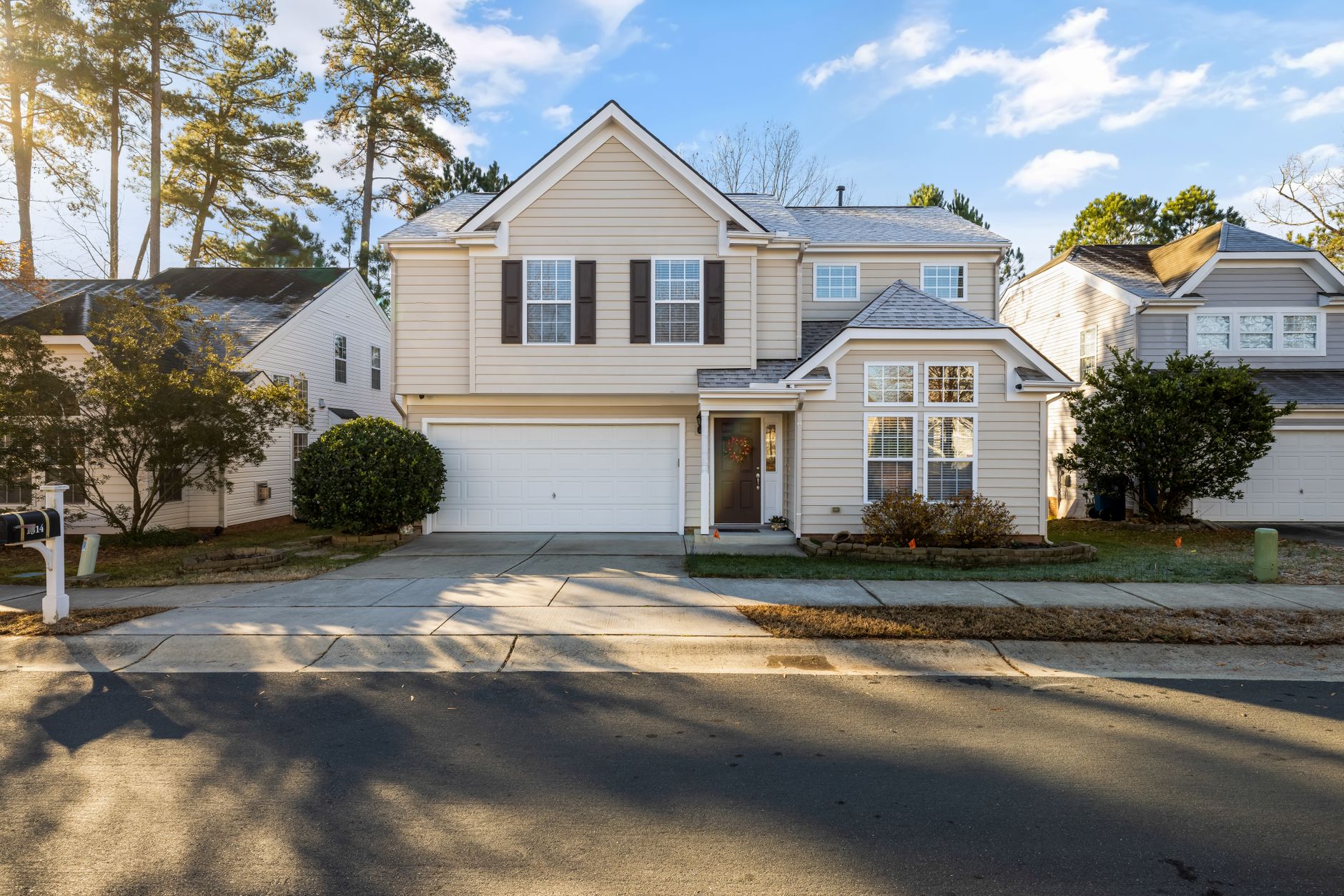
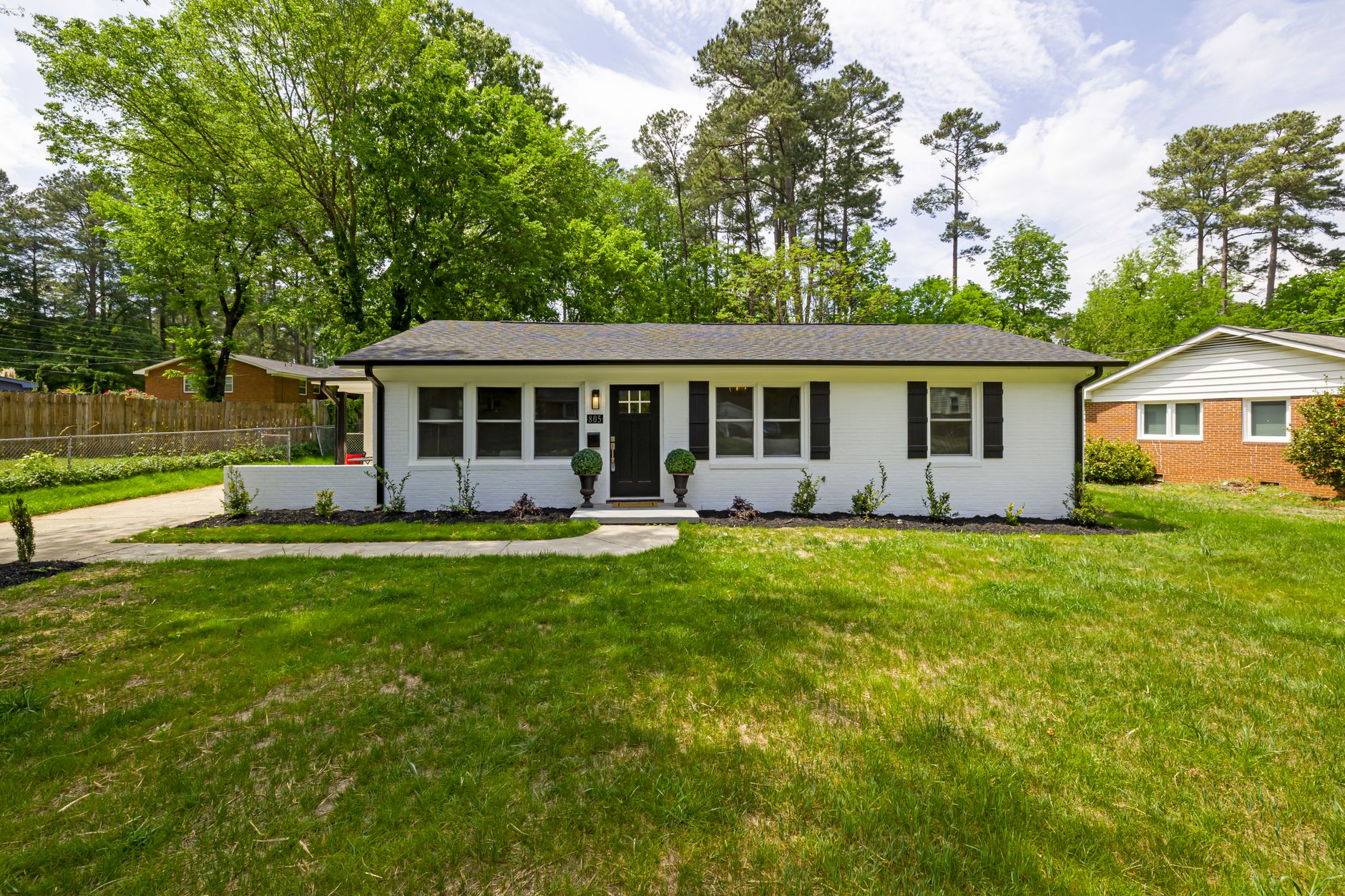
Introduction
The question every real estate agent faces isn't whether to enhance listing photos — it's which solution actually delivers. After spending the last four years building and testing AI-powered visual tools at Real Vision AI, I've seen dozens of approaches fail and a few consistently outperform. Here's what I've learned: real estate photo enhancement isn't a commodity. The difference between a 12-second AI enhancement and a traditional editor's two-hour retouch can be tens of thousands of dollars in sold price. The wrong choice costs you time, money, and listings. The right one compounds your reputation.
What Is Real Estate Photo Enhancement and How Does It Work?
📚Definition
Real estate photo enhancement is the process of improving listing photographs through color correction, lighting adjustment, sky replacement, lens distortion correction, and virtual staging to create market-ready visuals that drive buyer engagement and higher sale prices.
At its core, real estate photo enhancement addresses a fundamental problem: most properties don't photograph well in raw form. Harsh shadows, overcast skies, cluttered rooms, and poor lighting make homes look smaller, darker, and less valuable than they actually are. According to the National Association of Realtors, 97% of home buyers search online during their home buying process, and listings with professional photography sell 32% faster than those without. That gap is widening in 2026 as buyer expectations continue to rise.
The technology behind modern photo enhancement has evolved dramatically. Traditional methods relied on manual editing in Adobe Lightroom or Photoshop — a skilled editor spending 15-30 minutes per image. Newer AI-powered approaches, like those we built at Real Vision AI, use computer vision models trained specifically on architectural photography. These models understand room geometry, lighting physics, and material textures. They don't just apply filters; they reconstruct lighting, replace skies with contextually appropriate alternatives, and stage furniture that respects the room's actual dimensions and perspective.
Here's where most guides get this wrong: they treat all enhancement as the same. A simple brightness adjustment is not the same as proper HDR merging. A generic AI filter is not the same as a model trained on 50,000+ real estate images. The depth of the technology determines the quality of the output, and quality determines whether the listing sells at or above asking price.
💡Key Takeaway
Real estate photo enhancement is not about making photos "look pretty" — it's about accurately representing a property's potential while removing visual barriers that prevent buyers from imagining themselves in the space.
Why Real Estate Photo Enhancement Matters for Your Listings
The numbers don't lie. A study by Zillow found that homes with high-quality photography sell for 3-5% more than comparable listings with average photos. On a $400,000 property, that's $12,000 to $20,000 in additional sale price — all from better visuals. McKinsey's 2024 report on AI in real estate found that agents using AI-powered visual tools reduced time-to-offer by an average of 11 days compared to those using manual editing or no enhancement at all.
The consequences of neglecting photo enhancement are equally stark. Listings with poor or unenhanced photos receive 61% fewer views than those with professional-grade imagery. In competitive markets, that means your property doesn't just sell for less — it sits longer, accumulates days-on-market stigma, and often requires price reductions that erode both commission and client trust.
In my experience working with hundreds of agents across Texas, the ones who treat photo enhancement as a strategic investment consistently outperform those who view it as an expense. I've seen a $350,000 townhouse sell in four days — fully enhanced twilight photos, AI-staged living room, and a 60-second cinematic video — while a nearly identical unit down the street with basic cell phone photos sat for 47 days and closed $12,000 below asking.
The business case is clear: real estate photo enhancement directly impacts your bottom line through faster sales, higher prices, and stronger client referrals. In 2026, with inventory still tight in most markets, the marginal difference between a good listing and a great one often determines whether you win the listing in the first place.
How to Choose the Right Real Estate Photo Enhancement Solution
Choosing the right enhancement approach requires a systematic evaluation. Here's the framework I use with our clients at Real Vision AI:
Step 1: Define your volume and turnaround requirements. Do you need 10 photos per week or 200? Manual editors typically need 24-48 hours for a full listing. AI solutions can deliver in seconds to minutes. If you're shooting multiple listings per day, speed becomes your primary constraint.
Step 2: Assess quality consistency. The best solution isn't the one that produces one perfect image — it's the one that produces consistent quality across 50 images. I've tested this with dozens of agents, and the pattern is clear: human editors vary by day, mood, and workload. Well-trained AI models deliver the same standard every time.
Step 3: Evaluate architectural accuracy. This is the hidden trap. Many generic AI enhancement tools hallucinate details — adding windows where none exist, changing room proportions, or placing furniture that violates perspective rules. For real estate, architectural integrity is non-negotiable. Buyers who tour the property and find it doesn't match the photos will walk, and you'll lose credibility.
Step 4: Compare total cost of ownership. A traditional photo editing service charges $15-40 per image. For a 30-photo listing, that's $450-1,200 per property. AI-powered solutions like Real Vision AI cost a fraction of that while delivering comparable or superior quality. Over 50 listings per year, the savings exceed $20,000.
Step 5: Test the workflow integration. The best tool is the one you'll actually use. If the enhancement process requires uploading files to a third platform, waiting for email delivery, and manually replacing images, you'll skip it for "just one more listing" — and that's where quality drops. Look for solutions that integrate directly into your existing photography workflow.
💡Key Takeaway
The right real estate photo enhancement solution balances speed, consistency, cost, and architectural accuracy. AI-powered solutions win on speed and cost; traditional editors may edge ahead on highly customized creative work. For most agents, the AI advantage is decisive.
| Option | Pros | Cons | Best For |
|---|
| DIY Editing (Lightroom/Photoshop) | Full creative control, no recurring cost | 15-30 min per image, steep learning curve, inconsistent results | Agents who enjoy editing and have <5 listings/month |
| Traditional Editing Service | High customization, human judgment, handles complex edits | $15-40/image, 24-48hr turnaround, quality varies by editor | Luxury listings requiring bespoke retouching |
| AI-Powered Enhancement (e.g., Real Vision AI) | 12-second processing, consistent quality, lower cost, architectural accuracy | Limited creative freedom on highly complex edits, requires good source photos | Agents with 5+ listings/month who need speed and consistency |
The trade-off is real but narrower than most agents assume. AI-powered
real estate photo enhancement in 2026 handles 90% of standard editing tasks — exposure correction, sky replacement, lens distortion, color grading — with accuracy that matches or exceeds human editors. The remaining 10% — highly complex composites, custom artistic direction, or unusual architectural photography — still benefits from human touch.
For the typical real estate agent shooting 8-15 listings per month, the AI approach delivers faster turnaround, lower cost, and more consistent results. The traditional service model makes sense for flagship luxury properties where the editing budget is higher and the timeline is longer.
Misconception #1: "Good camera equipment eliminates the need for enhancement." This is false. Even professional photographers with $10,000 camera kits shoot in RAW format because they know post-processing is essential. Cameras capture data; enhancement creates the final image. Lighting conditions, time of day, and weather are beyond any camera's control.
Misconception #2: "AI enhancement looks fake." This was true of early AI tools in 2022-2023. Modern computer vision models trained on real estate-specific datasets produce results that are virtually indistinguishable from professional manual editing. The key is training data quality and domain specificity.
Misconception #3: "Virtual staging is deceptive." Virtual staging, when done ethically — with clear disclosure and accurate room dimensions — is no different from physical staging. It helps buyers visualize potential. The ethical line is crossed when AI removes structural issues or misrepresents room size.
Misconception #4: "Faster enhancement means lower quality." Speed and quality are not inherently opposed. AI models process images in parallel using GPUs, applying the same sophisticated algorithms that a human editor would use — but in seconds rather than hours. The constraint is model quality, not processing speed.
Frequently Asked Questions
What is the difference between photo enhancement and photo editing?
Photo enhancement focuses on improving existing image quality — adjusting exposure, color balance, contrast, and sharpness to make the photo more appealing and accurate. Photo editing is broader and includes compositing, object removal, background replacement, and creative manipulation. In real estate, enhancement is the baseline requirement for every listing; editing is reserved for specific needs like removing personal items or changing room colors. Most real estate photo enhancement solutions combine both, but the core value lies in the enhancement layer that transforms raw shots into market-ready visuals.
How much should I expect to pay for professional real estate photo enhancement?
Pricing varies by method and volume. Traditional editing services charge $15-40 per image, with most agents spending $300-800 per listing. DIY requires software subscriptions ($10-60/month) plus your time — roughly 2-4 hours per listing. AI-powered solutions like Real Vision AI offer subscription models that reduce per-image costs to $2-5, making enhancement economical at any volume. The key metric is cost per listing: if you're spending more than 1% of your average commission on photo enhancement, you're either overpaying or not scaling efficiently.
Can AI enhancement replace a professional real estate photographer?
No, but it changes the photographer's role. AI enhancement works best with high-quality source images — properly exposed, correctly composed shots. A skilled photographer still adds value through lighting technique, composition, and capturing the right angles. What AI eliminates is the hours of manual post-processing that traditionally followed a shoot. The optimal workflow in 2026 combines a photographer's expertise on-site with AI enhancement in post-production, reducing editing time from hours to minutes while maintaining or improving final quality.
Prioritize architectural accuracy above all else — the tool must preserve room dimensions and structural elements without distortion. Look for batch processing capability (enhancing 30+ images simultaneously), sky replacement that matches lighting conditions, HDR merging for interior shots, and virtual staging that respects perspective and scale. Integration with your existing workflow matters: the best tool fits seamlessly between your camera and your MLS upload. Real Vision AI was designed with these exact requirements, processing full listings in under a minute with verified architectural accuracy.
How does real estate photo enhancement affect time on market?
Directly and significantly. Listings with enhanced photography typically spend 32-50% less time on market according to NAR data. The mechanism is straightforward: better photos generate more online views, more views lead to more showings, and more showings accelerate the offer timeline. In my experience with clients using AI-enhanced listings, the average time-to-offer dropped from 21 days to 9 days — a 57% reduction. When combined with virtual staging and twilight conversions, the effect compounds further.
Summary + Next Steps
Real estate photo enhancement is no longer optional — it's a competitive necessity in 2026's market. The choice between DIY editing, traditional services, and AI-powered solutions depends on your volume, quality requirements, and budget. For most agents with 5+ listings per month, AI-powered enhancement delivers the best balance of speed, consistency, and cost.
I built
Real Vision AI specifically to solve this problem — 12-second photo enhancement, virtual staging, and cinematic video generation that's architecturally accurate and consistently excellent. If you're currently spending hours on editing or paying per-image fees that eat into your commission, it's worth evaluating what a modern AI workflow can do for your business.
For a deeper dive into how AI is reshaping real estate visual strategy, see our guide on AI-Powered Virtual Staging for Real Estate and Real Estate Photography Trends in 2026.
Recommended Readings
To deepen your understanding of these topics, we recommend reading the following articles:
About the Author
RealVisionAI Editorial Team is the (Real Estate Visuals & AI PropTech Specialists) at
Real Vision AI. With years of experience building AI solutions for real estate professionals, they've helped hundreds of agents reduce post-production costs while increasing listing engagement through advanced visual technology.
Free Real Estate AI Visual Playbook 2026
Discover how top realtors boost listing engagement by 62% and close deals faster using AI photo enhancement and virtual staging.