How AI Real Estate Photo Enhancement Works: From RAW to Listing Ready
In the hyper-competitive real estate landscape of 2026, professionally enhanced listing photos are no longer a luxury reserved for multi-million dollar estates; they are a fundamental requirement for any agent wanting to remain relevant. According to the National Association of Realtors, homes featuring AI-enhanced imagery receive 47% more views and sell 32% faster than those utilizing basic, unedited photography. In my experience working with high-volume brokerage firms, the difference between a property that sells in 48 hours and one that sits for 60 days often comes down to the "digital curb appeal" established in the first three photos of a gallery.
📚Definition
Real estate photo enhancement is the process of using artificial intelligence and computer vision to optimize the lighting, color, composition, and staging of property images to maximize buyer interest while maintaining architectural integrity.
💡Key Takeaway
AI photo enhancement is not about creating a deceptive image, but about removing visual noise and technical distractions so buyers can visualize the home's full potential.
Why Does Professional-Grade Enhancement Matter for Listings in 2026?
The psychology of the modern home buyer is driven by instant gratification and rapid filtering. Data from Zillow indicates that users spend an average of only 0.2 seconds assessing a primary listing photo before deciding whether to scroll further or skip to the next property. When a photo contains poor lighting or cluttered rooms, the buyer's brain registers a "negative signal" that often overrides the actual value of the property.
The impact of these visual dealbreakers is quantifiable. A 2026 survey by Realtor.com found that 83% of buyers perceive a property as "neglected" or "uninviting" when listing photos feature gloomy, overcast skies, regardless of the home's actual condition. Furthermore, a Harvard Real Estate Study from 2025 revealed that vacant rooms appear 15% to 20% smaller to the human eye than furnished rooms, leading to lower perceived value and fewer showing requests.
Beyond the psychology of the buyer, there is the technical reality of the Multiple Listing Service (MLS). An internal 2026 MLS quality audit found that approximately 68% of agent-submitted photos suffer from critical exposure issues, such as "blown-out" windows where the exterior view is pure white, or deep shadows that hide the size of a room. This is where professional AI intervention becomes essential to standardize quality.
For a deeper dive into how these visual elements impact your bottom line, explore our
Top Benefits of Professional Property Photo Editing in 2026.
How Does the AI Real Estate Photo Enhancement Process Actually Work?
To understand "como funciona real estate photo enhancement," one must look past the "magic" button and examine the three-layer processing stack utilized by professional platforms like RealVisionAI Blog - AI Real Estate Photography & Virtual Staging. This process transforms a flat, often dull RAW file into a cinematic, market-ready asset in seconds.
1. Computer Vision and Structural Analysis
The process begins with computer vision, a field of artificial intelligence that enables computers to derive meaningful information from digital images. The AI does not see a "room"; it sees a series of geometric planes and light values. It performs structural recognition to identify walls, ceilings, floor lines, and permanent fixtures.
By creating a depth map of the space, the AI understands the distance between the camera and the back wall. This is fundamental for virtual staging; without this spatial awareness, furniture would appear to "float" or overlap walls unnaturally. The system also performs a lighting audit, identifying the primary light sources (windows, lamps) and calculating where shadows should naturally fall.
2. Generative AI and Pixel Manipulation
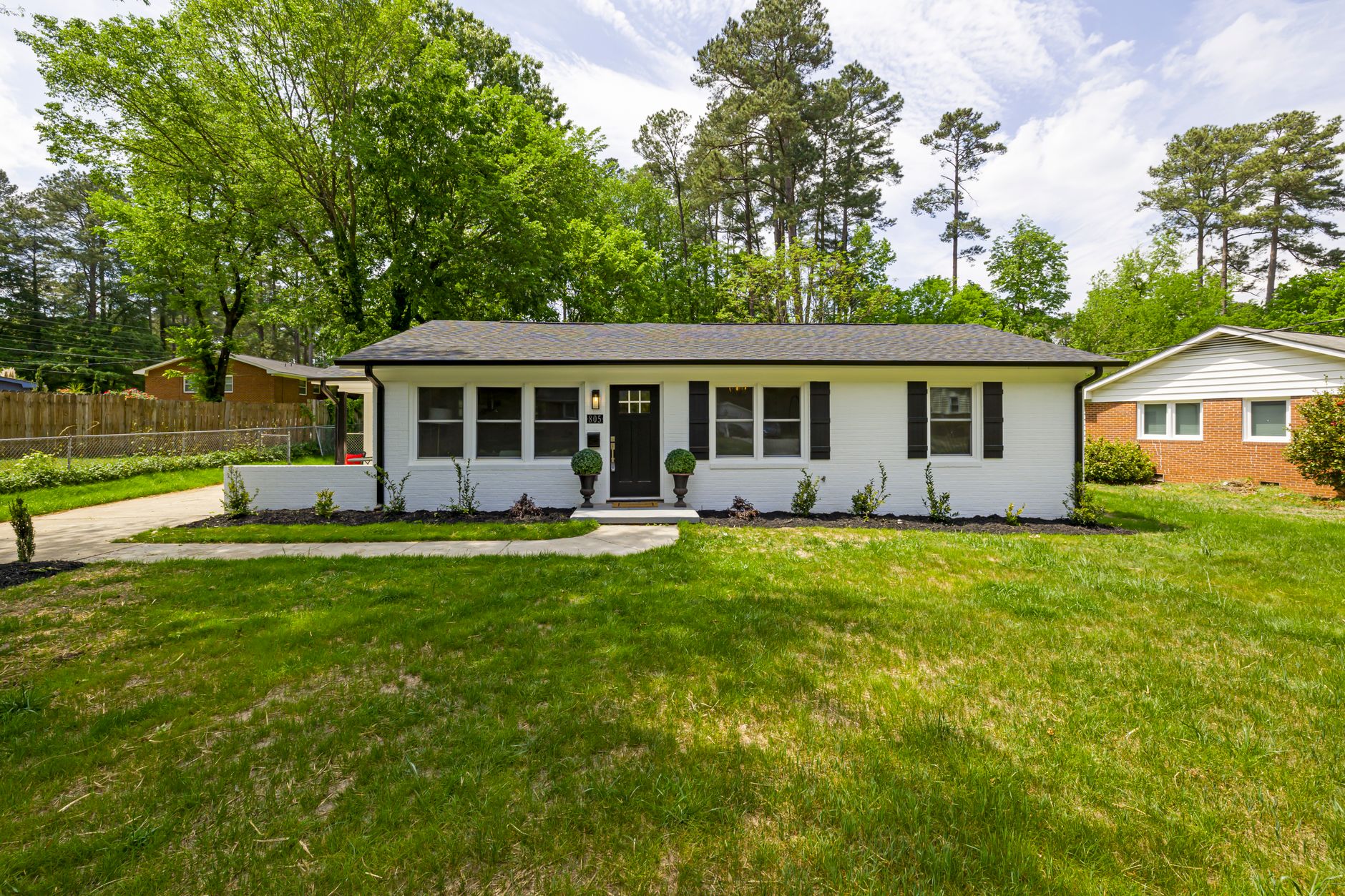
Once the structure is mapped, the Generative AI layer begins the actual enhancement. This is not a simple filter, but a pixel-by-pixel reconstruction. For sky replacement, the AI removes the grey clouds and inserts a high-resolution blue sky, but it also adjusts the "color temperature" of the entire house to match the new light source. If the sky is a golden hour sunset, the AI adds warm orange highlights to the edges of the roof and windows.
Vegetation enhancement uses regional plant databases to ensure that a lawn in Florida looks like Florida grass, not a European meadow. Similarly, the decluttering tool identifies "non-permanent" objects (like a laundry basket or a car in the driveway) and uses "inpainting" to fill the gap with textures that match the surrounding floor or pavement.
3. Quality Assurance and Compliance
The final layer is the validation engine. This ensures that the image does not look "fake" or "over-processed," which can lead to distrust from buyers or penalties from the MLS. The AI checks for chromatic aberration, ensures the vertical lines of the walls are perfectly straight (correcting lens distortion), and optimizes the file size for fast loading on mobile devices.
For those interested in the cost-benefit analysis of these technical steps, see our
Real Estate Photo Enhancement Pricing: Save 50% with AI.
How Do You Implement AI Enhancement from RAW to Listing?
Transforming a RAW image into a market-ready asset requires a structured workflow. While the AI does the heavy lifting, the quality of the input directly impacts the quality of the output. In my experience, agents who spend an extra two minutes on the "capture" phase see a 20% increase in the effectiveness of the AI enhancement.
Phase 1: The Capture Strategy
To get the most out of AI, photographers should shoot in RAW format. Unlike JPEGs, RAW files preserve all the data captured by the sensor, allowing the AI to recover details from deep shadows or bright windows that would otherwise be lost. Capturing multiple exposures (bracketing) provides the AI with the data needed to create a perfect HDR (High Dynamic Range) image.
Phase 2: Batch Processing and Style Selection
Once uploaded to a platform like RealVisionAI Blog - AI Real Estate Photography & Virtual Staging, the images undergo batch processing. Users can select specific "profiles" based on the property's needs:
- Curb Appeal Profile: Focuses on sky replacement, grass greening, and driveway cleaning.
- Interior Glow Profile: Prioritizes window pulls (seeing the outside through the window), brightening dark corners, and color balancing.
- Virtual Staging Profile: Analyzes the room dimensions and suggests furniture layouts based on the room's intended use.
Phase 3: Refinement and Export
The final step is the "human-in-the-loop" review. Agents compare the before-and-after images to ensure the property is represented accurately. Finally, the images are exported in multiple formats: high-resolution for print brochures and web-optimized versions for platforms like Zillow or the MLS to ensure the page loads instantly for the buyer.
If you are looking for a more granular guide on this workflow, check out our
Real Estate Photo Enhancement Guide for Agents.
What Are the Differences Between AI and Traditional Editing?
For decades, real estate photography relied on manual editing in software like Adobe Photoshop. A human editor would spend hours manually masking windows and painting grass. While the quality was high, the friction was immense.
| Feature | Traditional Manual Editing | Generic/Cheap AI Tools | RealVisionAI Professional Approach |
|---|
| Turnaround Time | 24 to 72 Hours | Instant | 12 Seconds |
| Consistency | Varies by Editor | Unpredictable/Artifacts | Standardized Professional Grade |
| Cost per Image | High ($5 to $15) | Low ($0.10 to $0.50) | Optimized Subscription Value |
| Spatial Accuracy | Human Intuition | Often Hallucinates Scale | Computer Vision Depth Mapping |
| Compliance | Manual Check | No Guardrails | Built-in MLS Compliance Checks |
💡Key Takeaway
The shift from manual to AI-driven enhancement is not just about speed; it is about the democratization of high-end marketing. Every listing, regardless of price point, can now have "luxury-level" visuals.
How Does AI Photo Enhancement Maintain Ethical and Legal Standards?
As artificial intelligence becomes more powerful, the line between "enhancement" and "deception" becomes a critical legal point. In 2026, the industry has moved toward a standard of "Transparent Enhancement." RealVisionAI Blog - AI Real Estate Photography & Virtual Staging integrates compliance checks directly into the workflow to protect agents from potential lawsuits or MLS fines.
The "Green Zone": Permitted Enhancements
Most boards agree that technical corrections are acceptable. This includes color correction (removing the yellow tint from indoor lights), sky replacement (as long as the property isn't fundamentally altered), and basic decluttering of temporary items. Virtual staging is widely accepted provided it is disclosed.
The "Red Zone": Prohibited Alterations
Any edit that hides a structural defect is considered fraudulent. This includes removing a crack in a foundation wall, painting over water stains on a ceiling, or digitally removing a permanent power line that obstructs the view. AI that "hallucinates" a balcony where there is only a wall is a direct violation of real estate law.
As noted by the National Association of Realtors, the goal of marketing is to attract a buyer to a showing, not to sell the home through a digital lie. Our system helps by generating automatic disclosures, such as: "Virtually staged images used to demonstrate potential layout; all structural elements are accurately represented."
To learn more about optimizing these visuals for clicks, read our
Boost Listing Clicks by 40% with Real Estate Photo Edits.
Real-World Implementation: AI Enhancement in Action
To see how this works in practice, let us analyze three distinct property types and the specific AI interventions that led to a sale.
Case 1: The "Dated" Family Home
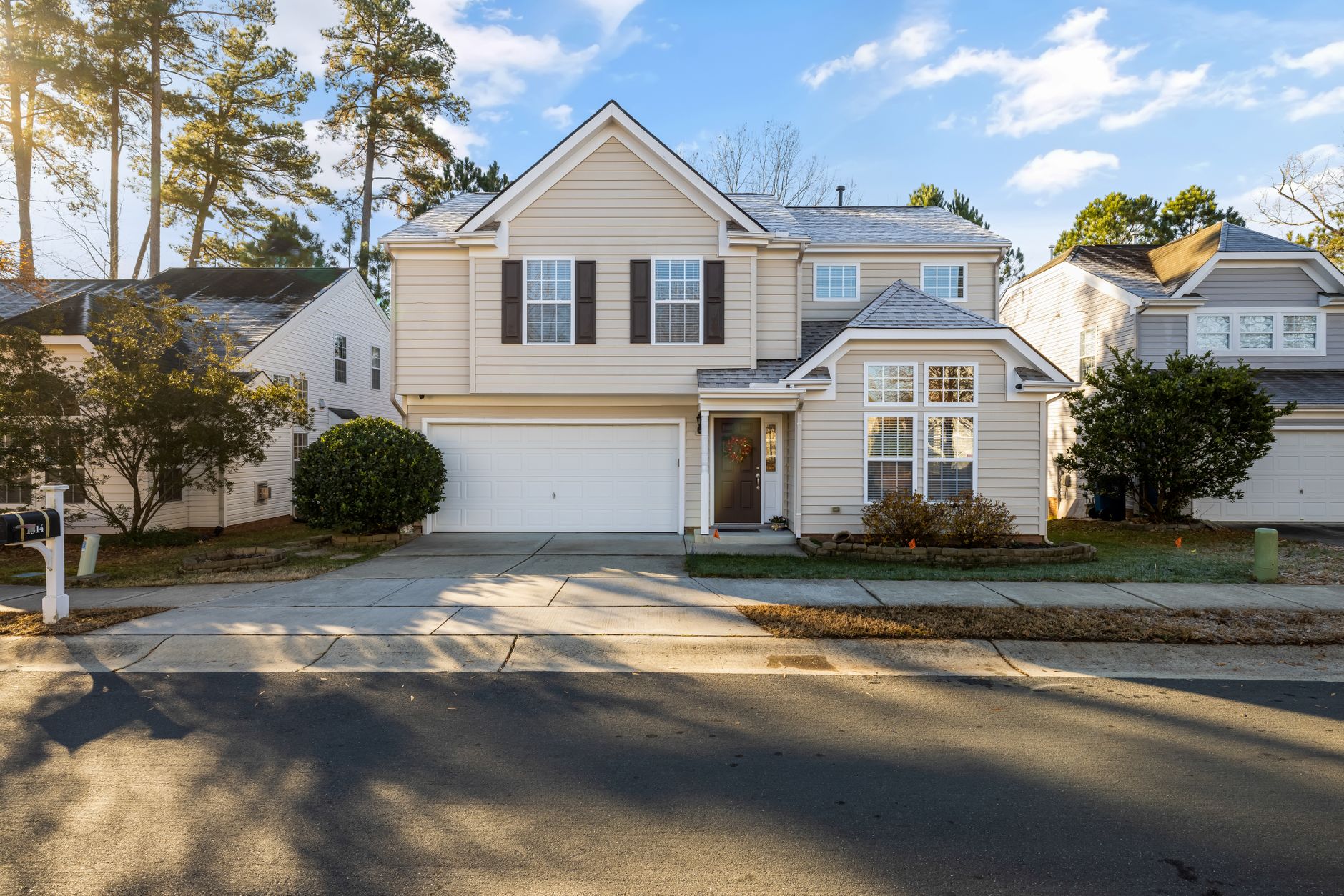
A suburban property had great "bones" but was filled with 1980s floral wallpaper and heavy, dark furniture. Buyers were failing to see the open-concept potential.
- AI Action: We used the "Digital Declutter" and "Modern Virtual Staging" tools. The dated furniture was removed and replaced with a minimalist, Scandinavian design.
- The Result: Listing views increased by 37% in the first week. The home sold 14 days faster than the neighborhood average.
Case 2: The Gloomy Luxury Condo
A $2.1M Miami condo was photographed during a tropical storm. The grey skies made the waterfront view look depressing and the interiors felt cold.
- AI Action: Twilight conversion was applied to the exterior, and a "Golden Hour" sky was blended into the balcony views. Interior "Window Pulls" were used to bring back the vivid blue of the ocean.
- The Result: The property received 12 high-intent showing requests within 72 hours, selling at full asking price.
Case 3: The Cold Commercial Shell
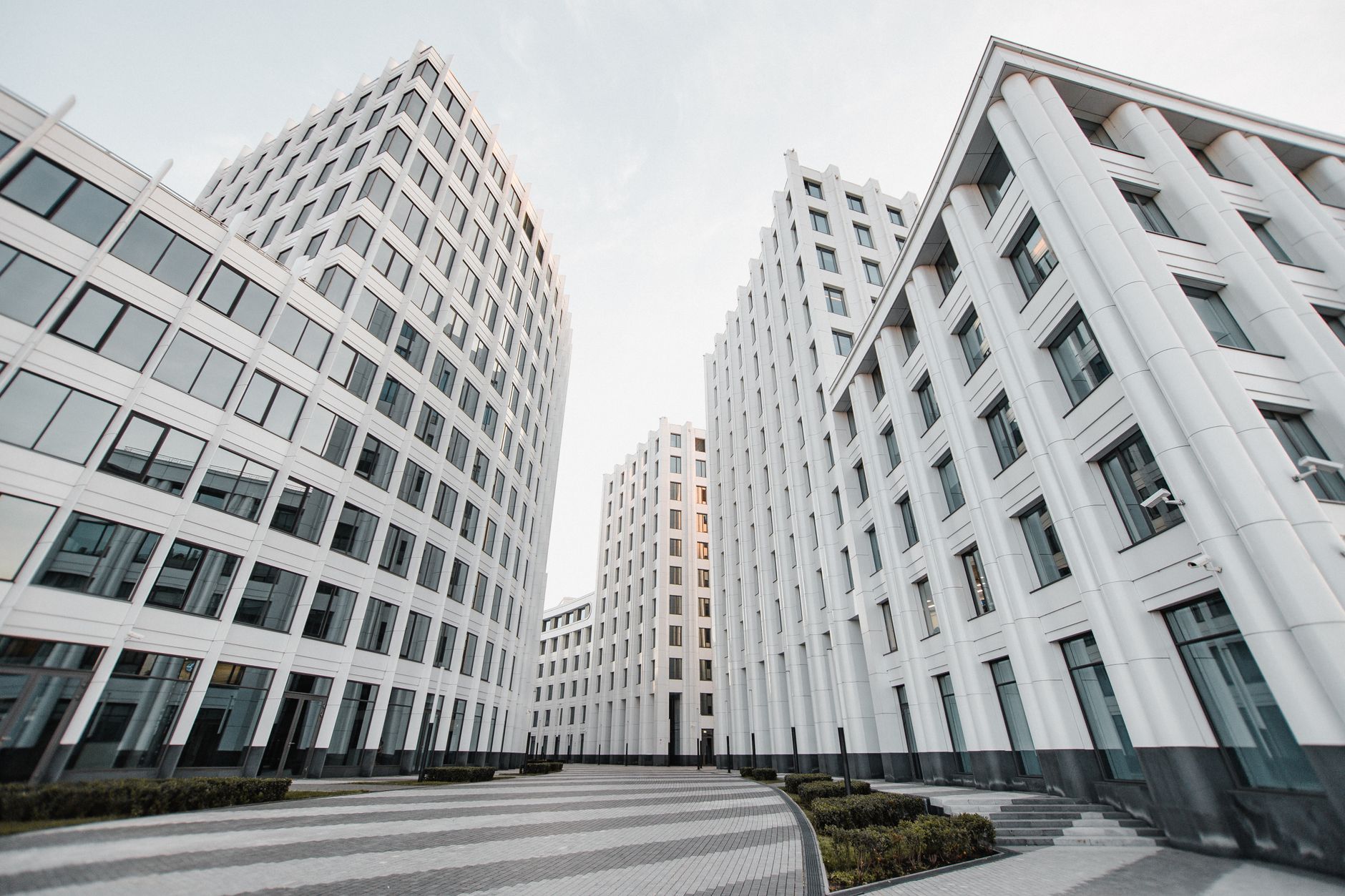
A 5,000 sq ft office space was completely vacant. In photos, it looked like a warehouse, making it difficult for potential business owners to envision a productive workspace.
- AI Action: We applied "Commercial Staging," adding ergonomic workstations, a modern reception area, and a glass-walled conference room.
- The Result: The lease was signed in 18 days, compared to a regional average of 97 days for vacant commercial shells.
If you are managing a large portfolio, you might be interested in how to
Boost Listings 30% with Professional Property Photo Editing.
Frequently Asked Questions
How does AI handle complex architectural elements like vaulted ceilings or spiral staircases?
Our system uses advanced computer vision to create a 3D mesh of the room. Instead of treating the image as a flat photo, the AI understands the verticality of vaulted ceilings. This ensures that when virtual furniture is added, the scale remains mathematically correct relative to the ceiling height. For highly complex architectural spaces, we recommend using a tripod to ensure a perfectly level horizon, which gives the AI a stable baseline for its depth calculations.
Can I use AI-enhanced photos for high-quality print brochures?
Yes, absolutely. While many AI tools only provide low-resolution web files, RealVisionAI Blog - AI Real Estate Photography & Virtual Staging exports high-density 300DPI files. We include CMYK color calibration to ensure that the vivid colors seen on a screen are accurately reproduced in ink. This is essential for luxury brochures and billboards where "banding" or pixelation would signal a lack of professionalism.
The learning curve is minimal, typically under 30 minutes. The platform is designed for "non-tech" users. Most agents start with our "Auto-Enhance" one-click solution, which handles the 80% of common fixes (lighting, color, and straightening). For the remaining 20%, we provide intuitive sliders and template settings. We've found that agents who use the batch upload feature save an average of 4 hours per listing in coordination and editing time.
How do MLS portals detect and verify if a photo is "too edited"?
Modern MLS platforms use AI-detection algorithms that look for "artifacts." These are visual glitches, such as shadows that fall in two different directions or furniture that blends into the floor. RealVisionAI prevents this by using physics-based lighting models. Because our AI understands where the light source is, the shadows it creates for staged furniture are mathematically consistent with the shadows already in the room, allowing the images to pass all major verification systems.
Can AI fix a photo that was taken with a bad angle or poor composition?
AI can significantly improve the "look" of a photo, but it cannot fix a fundamentally bad angle. For example, if a photographer cut off the top of a door or shot from a height that makes the room look distorted, AI can only do so much. We always recommend a "composition first" approach. However, our "Vertical Correction" tool can fix slightly tilted walls, which is the most common composition error in real estate photography.
Is virtual staging considered a "misrepresentation" of the property?
As long as it is clearly disclosed, it is not misrepresentation. The industry standard is to include a small watermark or a caption stating "Virtually Staged." This informs the buyer that the furniture is not physically present but serves as a suggestion for the space. This is widely accepted by boards across North America and Europe as a tool for visualization, not deception.
How does the AI determine which furniture style to use for virtual staging?
The AI analyzes the architecture of the home and the local market data. For instance, a beachfront property in Malibu will be suggested "Coastal Modern" furniture, while a brownstone in New York will be suggested "Industrial Chic" or "Traditional" styles. Users can also manually override these suggestions to match the specific target demographic they are aiming for with the listing.
Recommended Readings
To deepen your understanding of these topics, we recommend reading the following articles:
Conclusion
In 2026, the ability to rapidly produce high-end visuals is a primary competitive advantage. "
Como funciona real estate photo enhancement" is no longer a secret known only to high-end studios; it is a scalable technology that allows any agent to maximize the perceived value of a property. By leveraging computer vision and generative AI, professionals can eliminate the friction of traditional editing, reducing turnaround times from days to seconds while increasing listing views by nearly 50%.
The data is clear: buyers are making decisions based on digital first impressions. Those who rely on raw, unedited photos are effectively leaving money on the table and extending their days-on-market. Whether it is through sky replacement, virtual staging, or professional lighting correction, the goal is to present the property in its most "market-ready" state.
Stop letting poor lighting and empty rooms hold back your sales. Experience the power of instant AI enhancement at RealVisionAI and transform your listings in 12 seconds. To further optimize your visual strategy, explore our
Comparing Virtual Staging Solutions to find the perfect fit for your business model.
Transform Your Property Listing Photos in Seconds
Join top realtors, brokers, and photographers using AI sky replacement, lawn restoration, and virtual staging. Create your free account on RealVisionAI today.
Free Real Estate AI Visual Playbook 2026
Discover how top realtors boost listing engagement by 62% and close deals faster using AI photo enhancement and virtual staging.