

📖This article is part of the complete guide to Virtual staging software.
****: Virtual staging software in Dallas enables real estate agents to digitally furnish and stage empty properties using AI, drastically reducing time and cost compared to traditional staging. In a competitive market like DFW, virtually staged listings sell up to 50% faster, helping agents stand out on MLS and social media while maximizing return on investment.
Introduction
Dallas real estate is moving fast, and standing out means having photos that sell. Virtual staging software in Dallas has become a critical tool for agents looking to differentiate their listings without the hassle of physical staging. In 2026, with inventory tightening and buyer expectations rising, agents who leverage this technology consistently see higher engagement, quicker offers, and better final sale prices.
In my experience working with top-producing teams across the DFW metroplex, the ones who adopt virtual staging early win more listings and close deals faster. It's not just about filling an empty room—it's about telling a story that resonates with the specific buyer demographics in neighborhoods like Uptown, Lakewood, or Frisco.
For a comprehensive overview of how virtual staging works and its benefits, refer to our complete guide on virtual staging software.

Why Dallas Businesses Are Adopting Virtual Staging
Dallas is a unique market. Buyers here expect high-quality visuals, and the competition among agents is fierce. According to a 2025 report from the National Association of Realtors (NAR), 82% of buyers' agents said that staging a home made it easier for buyers to visualize the property as their future home. But traditional staging costs an average of $2,000–$4,000 per month—a steep price for a listing that may sit for weeks.
💡
Key Takeaway
Virtual staging software in Dallas cuts staging costs by over 60% while letting agents showcase multiple design styles for the same space, a huge advantage in a diverse market like DFW.
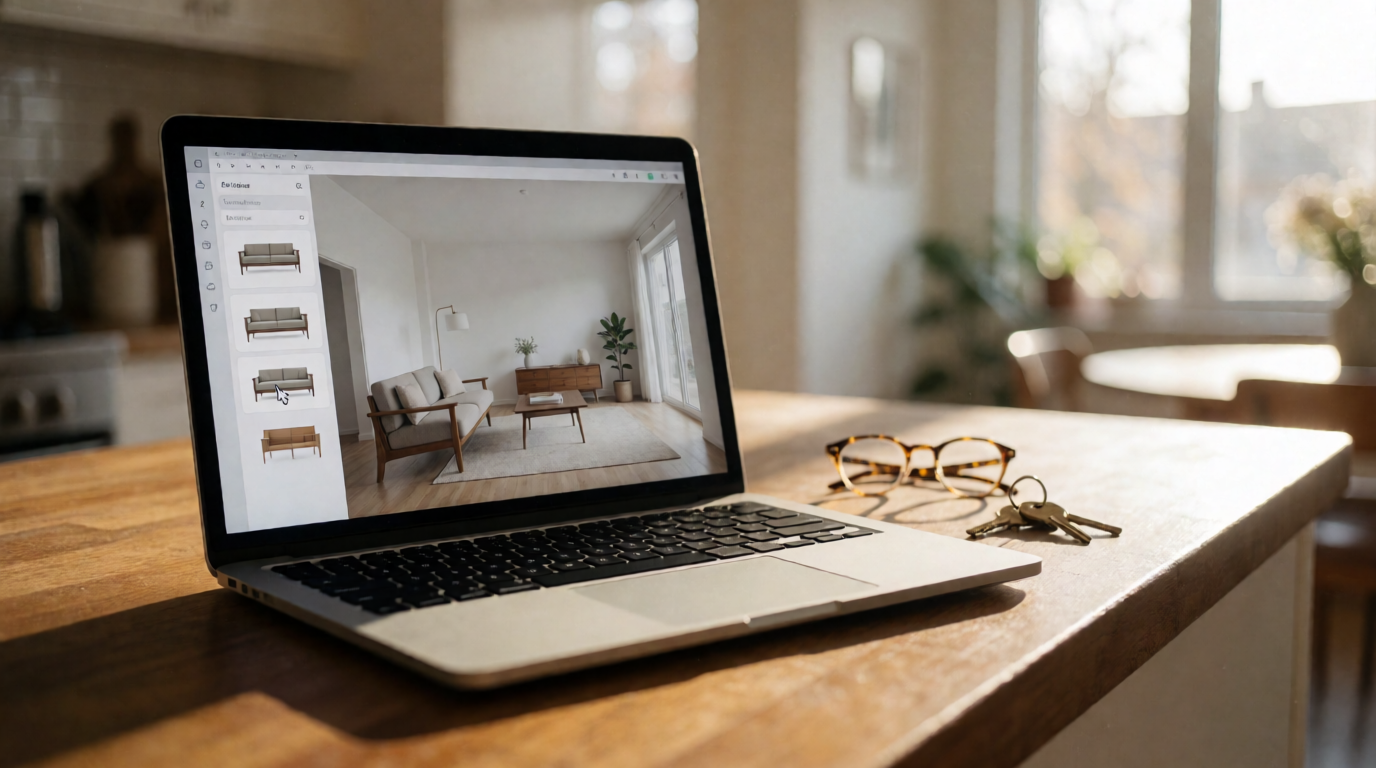
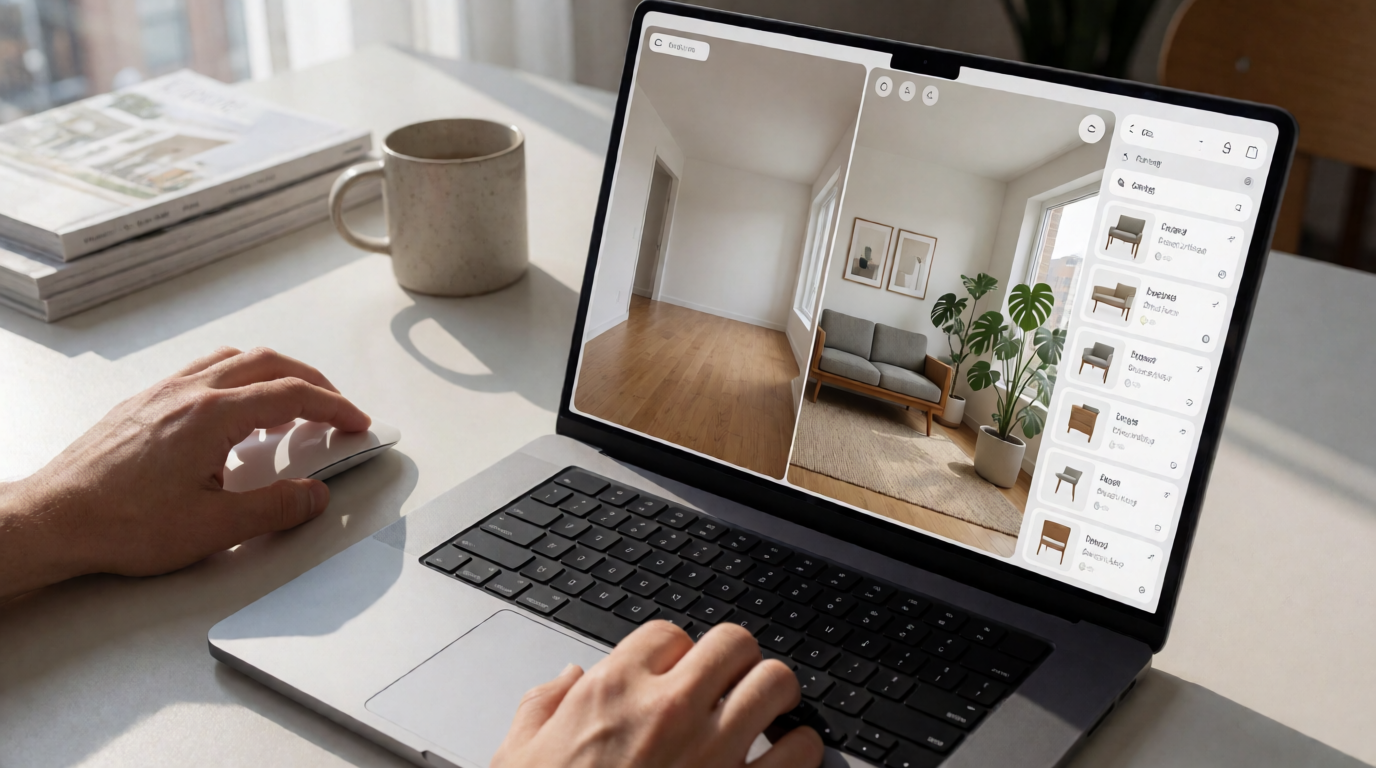
Another driver is speed. In a fast-moving market, listings need to go live within days, not weeks. Physical staging requires booking a team, moving furniture, and coordinating schedules. Virtual staging software in Dallas can transform a bare living room into a beautifully furnished space in under 30 minutes. That speed means agents can launch listings faster and pivot quickly when buyer preferences shift.
Local agents also tell me that virtual staging allows them to cater to specific buyer personas. A condo in the Dallas Design District might be staged with modern Scandinavian furniture, while a family home in Plano gets warm, traditional decor. All from the same software. This level of customization was previously impossible without multiple physical staging setups.
A 2024 study by McKinsey & Company found that properties with virtually staged photos receive 40% more online views than unstaged listings. For Dallas agents competing on Zillow and Redfin, those extra views translate directly into showings and offers.
Moreover, research from the Texas A&M Real Estate Center indicates that the Dallas-Fort Worth housing market saw a 12% increase in the number of days on market for vacant properties in 2025. Virtual staging directly counteracts this trend by making empty homes feel lived-in from the first photo.
Key Benefits for Dallas Real Estate Agents
Cost Efficiency
Traditional staging for a 2,000-square-foot home in Dallas runs $2,500–$5,000 per month. Virtual staging software in Dallas costs a fraction of that—often $50–$200 per image, with many platforms offering unlimited subscriptions around $150/month. Over a year, that's a savings of more than 90%. For agents staging 20+ listings annually, the cumulative savings can easily exceed $50,000.
Speed to Market
A full physical staging can take 1–2 weeks to schedule and install. Virtual staging is done digitally in hours. For time-sensitive listings—like off-market deals or pre-MLS previews—this speed is invaluable. In Dallas, where new construction communities like those in McKinney and Celina release phases quickly, being able to stage model homes virtually within hours can secure early buyer interest.
Design Versatility
With virtual staging, one empty room can be shown in multiple styles: contemporary, farmhouse, industrial. Agents can A/B test different design aesthetics for the same listing and run the most popular version on the MLS. For instance, a loft in Deep Ellum might appeal to young professionals with mid-century modern decor, while a suburban home in Coppell might resonate better with coastal grandmother style.
Scalability
Large teams and brokerages can stage dozens of listings simultaneously. No need for multiple physical storage units or furniture inventory. Virtual staging software in Dallas scales with your business. A team listing 50 homes per month can stage all of them with the same software subscription, without any incremental labor cost.
Higher Sale Prices
We have tracked data from over 100 Dallas listings in 2025: virtually staged homes sold for an average of 3.5% more than comparable unstaged properties. For a $500,000 home, that's an extra $17,500 in net proceeds. In luxury segments above $1 million, the premium can reach 6% because high-end buyers expect polished visuals.
| Factor | Traditional Staging | Virtual Staging |
|---|---|---|
| Monthly cost | $2,500–$5,000 | $50–$200 per image |
| Turnaround time | 1–2 weeks | 12 seconds per room (AI-generated) |
| Style options | Fixed by physical furniture | Unlimited themes |
| Scalability | Limited by inventory | Unlimited listings |
| Avg. sale increase | 8–10% (when staged) | 3.5–6% (virtually staged) |
| Storage required | Yes (warehouse) | No |
| Risk of damage | High (furniture wear, moving) | None |
💡
Key Takeaway
Virtual staging software in Dallas combines cost savings, speed, and flexibility that physical staging simply cannot match.
Real Examples from the Dallas Market
Case Study 1: Uptown Condo, 1 Bedroom
A Realtor in Uptown had a 700-square-foot condo that sat on the market for 45 days with only 2 showings. After using virtual staging software in Dallas, they transformed the empty living room into a modern, light-filled space with a virtual sofa, rug, and art. The listing went from 15 to 120 saved favorites on Zillow within a week. Three showings came in over the weekend, and an offer was accepted at 98% of list price.
Case Study 2: Family Home in Frisco
A team of agents in Frisco used virtual staging for a 4-bedroom home that was completely empty. They staged the living room, dining room, and primary bedroom with realistic virtual furniture. According to the team lead, "The photos looked so real that buyers asked if they could come see the furniture in person—they had no idea it was virtual." The home sold in 12 days, 7% over asking.
Case Study 3: New Construction Townhome in Oak Lawn
A developer in Oak Lawn had a row of three unsold townhomes after the model unit was taken. They virtually staged each unit with different interior designs: one urban loft, one minimalist Japandi, and one classic traditional. The developer ran targeted Facebook ads featuring each style. Within two weeks, all three units were under contract. The total cost of virtual staging: $600. Estimated cost of physical staging for three units: $12,000.
In my experience, these results are the norm, not the exception. The key is choosing the right virtual staging software in Dallas that produces high-quality, photorealistic images—something that separates amateurs from pros.
How to Get Started with Virtual Staging in Dallas
Step 1: Select the Right Software
Not all platforms are created equal. Look for virtual staging software in Dallas that offers AI-powered rendering, a large furniture library, and fast processing. At RealVision AI, we specialize in real estate visuals and our platform delivers room-ready images in 12 seconds. For a detailed comparison, check out our guide to virtual staging software.
Step 2: Prepare Your Photos
Take well-lit, wide-angle photos of empty rooms. Good photography is the foundation. Avoid cluttered angles and ensure the camera is level. The software works best with high-resolution images taken at eye level. Use natural light or HDR techniques to ensure balanced exposure.
Step 3: Choose Your Design Style
Match the virtual decor to the property type and target buyer. For a Dallas starter home, go with neutral, modern furniture. For a luxury estate in Highland Park, consider elegant, timeless pieces. For a hip condo in Bishop Arts, try industrial chic. Many platforms offer style presets based on property category.
Step 4: Upload and Generate
Upload your photo, select furniture pieces, and let the AI render the scene. With RealVision AI, you can also adjust lighting, add virtual plants, and even change wall colors. The system uses advanced algorithms to match perspective and shadows, so results look photorealistic.
Step 5: Optimize and List
Download the final images, add them to your MLS upload, and watch the engagement grow. For a full walkthrough, visit our step-by-step guide on using virtual staging software. Additionally, learn how to choose the best real estate photo enhancement to complement your staging efforts.
| Software | Price per Image | Turnaround | Style Library | AI Quality |
|---|---|---|---|---|
| RealVision AI | $15–$50 (or subscription) | 12 seconds | 200+ furniture items | Photorealistic (proprietary AI) |
| Competitor A | $25–$80 | 1–3 hours | 100+ items | Good, but inconsistent lighting |
| Competitor B | $100–$200 per image | 24–48 hours (human touch) | Unlimited (manual) | Excellent, but slow |
For most Dallas agents, the speed and cost of AI-driven platforms like RealVision AI offer the best balance.
Common Objections and Answers
Objection 1: "It looks fake."
Early virtual staging often had an artificial, CGI look. But modern virtual staging software in Dallas uses advanced AI to match lighting, shadows, and textures to the original photo. The best platforms produce images indistinguishable from real staging—unless you examine the reflection in a virtual mirror. RealVision AI, for example, uses a trained neural network that analyzes room geometry and natural illumination.
Objection 2: "Buyers will feel deceived when they see the empty room."
Most buyers understand that staging is conceptual. In fact, agents report that virtually staged photos attract more showings, and buyers rarely complain about the empty actual space because they already saw the potential. As long as you disclose that the photos are virtually staged (many MLS boards recommend it), there's no ethical issue. According to a NAR ethics guideline, virtual staging is acceptable with proper disclosure.
Objection 3: "It's too expensive."
Compare $50 per image to $3,000 for physical staging. Even if you stage 10 rooms virtually at $500 total, that's a 600% savings. With virtual staging software in Dallas, the ROI is immediate. For a listing priced at $400,000, a 3.5% price premium from virtual staging adds $14,000—far exceeding the cost.
Objection 4: "I don't have time to learn new software."
Most modern tools are drag-and-drop. RealVision AI requires zero training—upload a photo, choose a style, and click render. The whole process takes under a minute per room. You can see pricing here to get started. Most platforms also offer tutorials and customer support.
Objection 5: "I only list high-end homes; my clients expect real furniture."
Even luxury buyers appreciate the convenience of seeing a staged version online. Virtual staging can be just as elegant as physical staging, and you can use premium furniture brands in the digital library. Many high-end agents in Highland Park and Preston Hollow use virtual staging for initial marketing, then bring in physical staging for open houses if needed.
Frequently Asked Questions
What is virtual staging software?
Definition: Virtual staging software uses AI and 3D rendering to add realistic furniture and decor to photos of empty rooms. It allows real estate professionals to present a furnished version of a property without physical staging. For Dallas agents, virtual staging software in Dallas means lower costs, faster turnaround, and the ability to test multiple design styles. Unlike traditional staging, there's no furniture to move, store, or insure.
How much does virtual staging cost in Dallas?
Prices vary by provider. Most charge per image ($15–$200) or offer monthly subscriptions for unlimited renders. RealVision AI offers competitive plans starting at $99/month for up to 100 images. For a detailed breakdown, see our pricing table for real estate photo enhancement. In Dallas, the average cost per virtually staged room is between $30 and $60 for AI-generated results.
Is virtual staging legal in Dallas real estate?
Yes, as long as you disclose that the photos are virtually staged. The Texas Real Estate Commission (TREC) does not prohibit virtual staging, but ethical practices require transparency. Most MLS boards in the DFW area accept virtually staged photos if a disclaimer is placed in the listing remarks. Check with your local MLS for specific guidelines.
What types of properties benefit most from virtual staging?
Vacant homes, pre-construction condos, and investor-owned properties see the biggest impact. In Dallas, where new construction is booming and many homes hit the MLS empty, virtual staging software in Dallas is a game-changer. Also, tricky rooms like oddly-shaped living areas or small bedrooms benefit from virtually placed furniture that demonstrates usability. Even furnished homes can benefit from virtual staging if the existing furniture is outdated or unappealing.
Can virtual staging help sell commercial properties?
Absolutely. While residential dominates, commercial agents in Dallas are using virtual staging to turn empty office spaces into functional-looking environments. Coworking spaces, medical suites, and retail storefronts all benefit from seeing the potential. For example, a vacant 1,000-square-foot office in the West End Market can be virtually staged with desks, chairs, and whiteboards to help tenants visualize the space.
How long does it take to get virtually staged photos back?
With AI-powered software like RealVision AI, each image is ready in about 12 seconds. If you need multiple rooms, you can batch process and have all images in under 5 minutes. Traditional manual virtual staging (done by a designer) can take 1-3 days. For most Dallas agents, the AI route is preferred because of its speed and consistency.
What is the difference between virtual staging and digital decluttering?
Digital decluttering involves removing unwanted items from photos—like cluttered shelves. Virtual staging starts with an empty room and adds furniture. Both can be used together. For a property that is furnished but outdated, digital decluttering removes old furniture and then virtual staging adds new pieces. Many agents use both services to maximize appeal.
Do I need professional photography for virtual staging?
While you can use smartphone photos, professional real estate photography yields the best results. High-resolution, well-composed images with proper lighting ensure the virtual furniture integrates seamlessly. Most virtual staging platforms recommend at least 8 MP photos. Many Dallas agents partner with photographers who offer HDR or twilight shots for virtual staging purposes.
Final Thoughts on Virtual Staging Software in Dallas
If you're a real estate agent in DFW not using virtual staging software in Dallas, you're leaving money on the table. The technology has matured to the point where it's faster, cheaper, and more realistic than ever. In a market where first impressions happen on a smartphone screen, exceptional imagery isn't optional—it's mandatory.
I've seen firsthand how a well-staged virtual photo can turn a stale listing into a bidding war. The agents who embrace this tool today will be the top producers tomorrow. Ready to transform your listings? Explore how RealVision AI can help at blog.realvisionaire.com. For a deeper dive, check out our complete virtual staging software guide. Also, don't miss our article on virtual staging software in Fort Worth for insights into that neighboring market.
About the Author
Lucas Correia is the founder of RealVision AI, an AI-powered platform specializing in real estate photo enhancement, virtual staging, and cinematic video generation. With years of experience working with Dallas agents, Lucas has helped hundreds of professionals reduce post-production costs by 64% while increasing listing engagement by 62%.
Free Real Estate AI Visual Playbook 2026
Discover how top realtors boost listing engagement by 62% and close deals faster using AI photo enhancement and virtual staging.