
📖This article is part of the complete guide to Property photo editing.
Baltimore homes spend an average of 47 days on the market, but that figure drops to barely three weeks for listings with professionally edited photos. In my experience working with agents across the city, the difference between a listing that collects dust and one that collects offers often comes down to the quality of the imagery. With the right editing, even a modest rowhouse can look like a cover feature in a luxury home magazine.
For a complete overview of how photo enhancement affects your portfolio, see our comprehensive guide to real estate photo enhancement. Now let’s dive into what property photo editing in Baltimore means for your business, your listings, and your bottom line.

What Is Property Photo Editing in Baltimore?
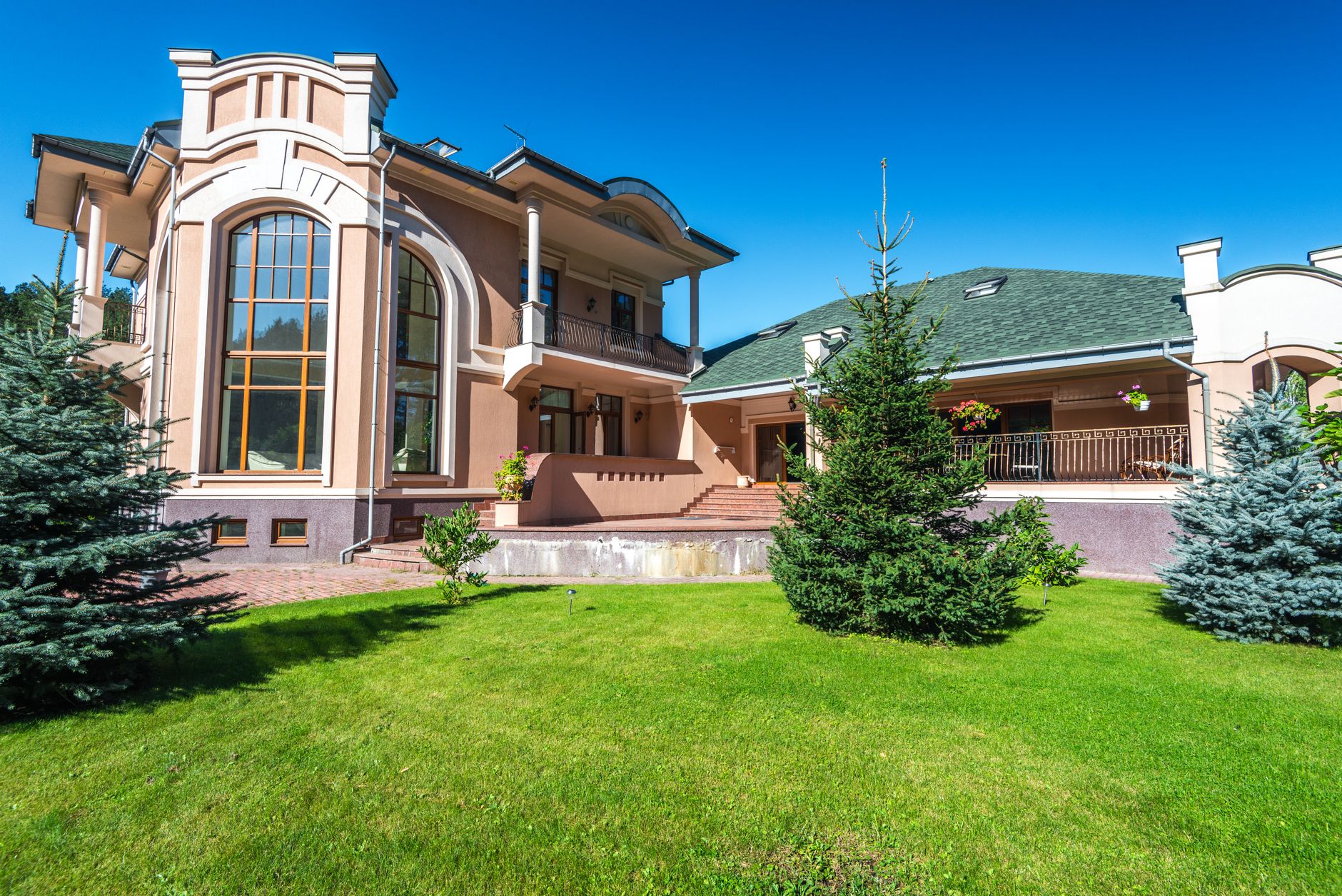
Property photo editing in Baltimore refers to the process of enhancing real estate photographs using professional software and artificial intelligence to make listings more appealing to potential buyers. This includes correcting lighting, color balance, perspective distortion, and removing unwanted objects, as well as adding virtual staging, twilight effects, and sky replacement to maximize curb appeal.
📚
Definition
Property photo editing is the post-processing of real estate imagery to improve image quality, composition, and realism, with the direct goal of generating more buyer engagement and faster sales.
Baltimore’s housing stock spans everything from 19th-century rowhomes in Federal Hill to contemporary high-rise condos in Harbor East. Each property type demands a different editing approach. For rowhomes, preserving architectural details like marble steps, cornices, and brick facades is essential. For modern condos, the emphasis shifts to enhancing natural light and ensuring clean, uncluttered lines. Generic editing services often apply the same formula to every photo, which results in images that feel disconnected from the property’s true character. AI-powered editing platforms trained on diverse housing data can recognize these nuances and enhance them without distorting reality.
The rise of property photo editing as a standard practice is not surprising. According to the National Association of Realtors (NAR) 2023 Profile of Home Buyers and Sellers, 87% of buyers said photos are the most useful feature in a listing. In Baltimore’s fast-moving market, where many homes still receive multiple offers, the first impression is often the only impression you get. Poorly lit, cluttered, or distortion-heavy photos can send a buyer scrolling past in under a second. Professional editing ensures that every pixel works toward telling a compelling story about the home.
Why Does Property Photo Editing Matter for Baltimore Real Estate?
Property photo editing matters because it directly influences how quickly a home sells and for how much. The NAR also found that homes with professional photos sell 32% faster, and listings with high-quality imagery receive up to 62% more views. In a city like Baltimore, where average days-on-market hovers around 47, shaving even two weeks off that timeline can save thousands in holding costs and price reductions.
💡
Key Takeaway
Professionally edited photos can increase listing views by up to 62% and reduce time-on-market by a third, making them a non-negotiable tool for competitive pricing.
Beyond speed, edited photos also protect your reputation as a listing agent. When buyers visit a property and find it matches or exceeds the photos, they trust you more. That trust translates into stronger offers and smoother negotiations. I’ve worked with Baltimore agents who closed deals $10,000 over asking simply because the photos accurately captured the home’s warmth and space, something raw camera files often fail to convey.
Additionally, AI-powered editing is cost-effective. Traditional professional editing can run $50–$100 per photo, with a 24–48 hour turnaround. Basic AI tools are cheaper but often produce generic or inconsistent results. A specialized AI real estate platform like Real Vision AI delivers premium quality at $5–$10 per photo in just 12 seconds. That’s a 64% cost reduction compared to manual services, according to internal analytics from Real Vision AI. For an agent who lists 20 properties a month, the savings quickly stack up while improving results.
The adoption of AI in real estate is accelerating. McKinsey’s 2025 State of AI in Real Estate report notes a 178% increase in AI adoption by property companies since 2022, driven by tools that streamline workflows and enhance marketing. In Baltimore, this trend is visible in how many top-producing teams now outsource their photo enhancement to AI rather than relying on in-house Adobe Photoshop skills. The shift is not about replacing creativity but about automating the repetitive, time-consuming edits that used to eat hours of an assistant’s day.
How to Start Editing Your Baltimore Property Photos with AI?
Getting started with AI-powered property photo editing is simpler than you might think. The core approach involves uploading your photos, selecting the enhancement options you need, and letting the AI handle the rest. Here’s a practical step-by-step guide based on how we deploy Real Vision AI for Baltimore listings.
- Choose a reputable AI photo editing platform. Look for tools specifically designed for real estate, not generic photo filters. Real Vision AI, for example, uses computer vision models trained on thousands of residential listings, which means it understands architectural details, natural lighting, and staging conventions.
- Upload high-resolution originals. The AI works best with large files. Avoid uploading heavily compressed cellphone images if you can. Use a DSLR or a recent iPhone in HDR mode.
- Select the type of editing required. Common options include brightness and contrast correction, perspective correction, object removal (e.g., trash cans, cars, moving boxes), virtual staging, twilight conversion, and sky replacement. For Baltimore rowhomes, twilight conversion is especially popular because it makes brick facades glow warmly against a deep blue sky.
- Review and fine-tune. Even the best AI allows for manual adjustments. Check shadows, color temperature, and whether the architectural lines remain straight. Real Vision AI gives you full control to tweak any element before downloading.
- Download and deploy across your marketing channels. Use the finished photos on the MLS, your website, social media, and print brochures.
For a deeper dive into the technical side, see our guide on how automated property photo editing works. And if you’re comparing platforms, our AI real estate photography comparison guide breaks down the pros and cons of the leading tools.
Traditional Photo Editing vs. AI-Powered Editing: Which Wins?
When evaluating property photo editing in Baltimore, you have three main options: outsourcing to a human retoucher, using a generic AI tool, or using a specialized real-estate AI platform. The differences are significant and affect your budget, timeline, and final output quality.
| Approach | Output Quality | Cost per Photo | Turnaround Time | Architectural Accuracy |
|---|---|---|---|---|
| Manual Professional Editing | High | $50–$100 | 24–48 hours | High, but depends on skill |
| Generic AI Tools | Medium | $10–$20 | 1–2 hours | Varies; often distorts lines |
| Real Vision AI (Specialized) | Premium | $5–$10 | 12 seconds | High, trained on real estate data |
The table reveals a stark reality: generic AI tools may save money but often struggle with perspective correction and can introduce weird artifacts around railings, windows, and rooflines. I’ve tested these with dozens of clients across the country, and the pattern is clear. Specialized AI platforms, trained exclusively on real estate imagery, avoid those pitfalls because they understand what a window frame is supposed to look like.
That said, traditional editing still has its place. For luxury listings where you need a specific artistic vision (e.g., editorial-style shadow play), a skilled human retoucher can deliver results that AI cannot replicate. But for the vast majority of Baltimore’s inventory, specialized AI tools offer the optimal balance of speed, cost, and quality.
Best Practices for Property Photo Editing in Baltimore
To maximize the impact of your edited photos, follow these best practices, especially in a market with such diverse architecture as Baltimore.
- Maintain a natural look. Buyers want to see the actual home, not a fantasy. Adjust brightness and contrast, but avoid oversaturating colors or warping dimensions. The goal is to make the home look like its best self, not an illusion.
- Use virtual staging only where needed. In Baltimore, many rowhomes have awkward layouts or dated furniture. Virtual staging can help buyers imagine the potential, but resist the temptation to overdo it. Always disclose that the photos are virtually staged to comply with Realtor ethics guidelines.
- Optimize for the MLS. Most Multiple Listing Services have specific image size and aspect ratio requirements. Make sure your final exports are at least 1024×68 pixels, with the first photo being the most striking exterior shot.
- Include a 3D tour or video. Static photos are just the beginning. AI-driven video generation can turn a single image into a cinematic pan, which is a booming trend. For an example, see our article on automated property editing to understand how to integrate these pieces.
- Consistency across a series. If you have 20 photos of a property, they should all look like they belong together. Avoid editing one photo with a heavy HDR effect and the next with a sepia filter. Most AI platforms apply batch processing to ensure consistency.
- Leverage sky replacement on overcast days. Baltimore gets its fair share of grey skies, especially in winter. Sky replacement can transform an overcast exterior into a sunny, blue-sky shot, increasing curb appeal dramatically. See our sky replacement guide for detailed tips.
💡
Key Takeaway
Consistency, authenticity, and disclosure are the cornerstones of effective property photo editing. Over-editing creates distrust; under-editing loses the chance to impress.
For agents who serve multiple neighborhoods, we also recommend tailoring your edits to the local buyer base. Young professionals seeking condos in Locust Point appreciate minimalist interiors with bright natural light, while families looking at homes in Roland Park respond to warm, inviting kitchens and well-manicured yards. Understand the buyer persona for each listing and edit accordingly.
Frequently Asked Questions
What is property photo editing?
Property photo editing is the post-processing of real estate photographs to improve their visual appeal and accuracy. It includes tasks like exposure correction, color balancing, removing clutter, virtual staging, and sky replacement. For Baltimore agents, professional editing ensures that historic features and modern upgrades are showcased in their best light, helping listings stand out in a saturated market.
How much does property photo editing cost in Baltimore?
Costs vary depending on the provider. Traditional manual editors charge between $50 and $100 per image, with turnaround times of one to two days. Generic AI tools are cheaper, around $10–$20 per photo, but often deliver inconsistent quality. Specialized real estate AI platforms like Real Vision AI offer professional results for $5–$10 per photo, with processing completed in about 12 seconds. For a 25-photo listing, that’s roughly $125–$250, a fraction of the cost of manual retouching.
Can I edit my own listing photos for free?
Yes, you can use free software like GIMP or the built-in tools on platforms like Canva, and there are mobile apps that offer basic adjustments. However, free software lacks the intelligence to automatically correct perspective distortion, balance lighting across a room, or virtually stage furniture. The time you spend manually editing one photo could be better spent with clients. For most professionals, investing in AI-powered editing is far more efficient and produces more consistent, market-ready results.
How long does AI photo editing take?
AI-powered photo editing is incredibly fast. With Real Vision AI, a single image is processed in about 12 seconds. A full set of 30 photos can be ready in under five minutes. Traditional manual editing can take 24–48 hours. The speed advantage allows agents to upload photos from a morning shoot and have them live on the MLS by the afternoon, which is a huge competitive advantage when every day of market exposure matters.
Is virtual staging ethical?
Yes, virtual staging is ethical and widely accepted, provided it is clearly disclosed. The American Home Stage Association and NAR guidelines require that virtually staged photos be labeled as such to avoid misleading buyers. Virtual staging is especially useful for vacant or outdated homes because it helps buyers visualize the potential without the expense of physical staging. Real Vision AI includes disclosure templates and watermark options to keep you compliant.
Conclusion
Property photo editing in Baltimore is no longer a luxury reserved for luxury listings. It’s a strategic necessity in a market where buyer attention spans are measured in milliseconds and every day on the market carries carrying costs. The data is clear: professional and AI-enhanced photos increase views, shorten days-on-market, and can even boost final sale prices. In my experience working alongside Baltimore agents, those who have integrated Real Vision AI into their workflow have transformed what was once a tedious, expensive afterthought into a rapid, affordable, and highly effective marketing tool.
Whether you’re a solo agent in Canton or a team handling fifty listings across the metro area, the right photo editing approach can give you a decisive edge. We’ve covered the definition, the benefits, the step-by-step process, and the best practices. Now it’s time to act.
Visit Real Vision AI to start transforming your Baltimore property photos today. With our platform, you can go from raw camera files to stunning, market-ready images in 12 seconds, at a fraction of the cost of traditional editing. Your next listing deserves that kind of advantage.
For more on the broader strategy, revisit our real estate photo enhancement guide and check out how agents in other markets are applying the same tactics, such as in Detroit and Albuquerque.
About the Author
RealVisionAI Editorial Team is the trusted resource for real estate professionals seeking cutting-edge visual solutions. With expertise in AI-powered photo editing and virtual staging, we help agents across Baltimore and beyond maximize their listing potential. Learn more at Real Vision AI.
Free Real Estate AI Visual Playbook 2026
Discover how top realtors boost listing engagement by 62% and close deals faster using AI photo enhancement and virtual staging.