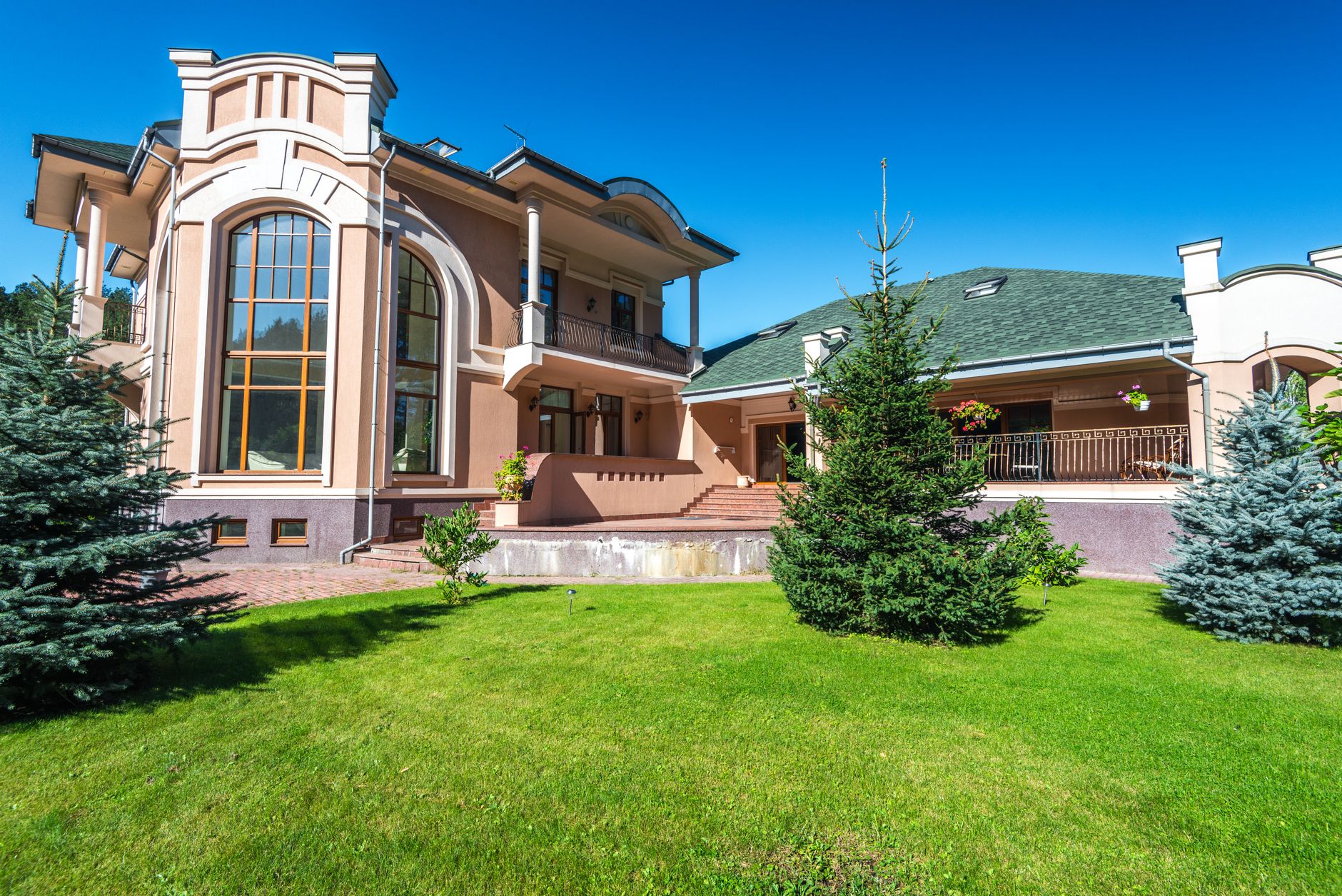


📖This article is part of the complete guide to Property photo editing.
What Is Property Photo Editing and How Does It Transform Listings?
Most agents I work with tell me the same story: they spend hours scheduling shoots, only to get back photos that look flat, dull, or worse — downright misleading. That's where property photo editing enters the picture. It's the process of digitally enhancing real estate photos to improve lighting, correct colors, remove distractions, and make every room look its absolute best. But here's what most guides get wrong: real estate photo editing isn't about making a property look fake. It's about removing the limitations of camera sensors and lighting conditions so buyers see what the space actually feels like in person.
📚
Definition
Property photo editing refers to the post-production workflow applied to real estate photographs — including exposure correction, color grading, HDR blending, lens distortion fixes, sky replacement, and object removal — all designed to present a home in optimal market-ready condition.
In my experience managing hundreds of listings across different markets, the difference between unedited photos and professionally edited ones is the difference between a listing that sits for 90 days and one that goes under contract in under two weeks. According to the National Association of Realtors, 95% of home buyers search online during their home buying process, and listings with high-quality photos receive 118% more views than those without. Those views convert directly into showings and offers.

For a deeper look at how automated systems handle this processing, check out our guide on How Automated Property Photo Editing Processes Images in Seconds.
Why Does Property Photo Editing Matter for Your Business in 2026?
The real estate market in 2026 is more competitive than ever. With inventory still tight in many markets and buyers becoming increasingly discerning online, your listing photos are your first — and often only — chance to make an impression. Data from Zillow consistently shows that listings with professional-grade photos sell for 3% to 5% more than comparable listings with standard photos. On a $400,000 home, that's an additional $12,000 to $20,000 in sale price.
But it's not just about price. It's about time on market. Listings with poorly lit, unedited photos can sit online for weeks without generating a single showing request. Meanwhile, the same property, re-photographed with proper editing, can attract multiple showings within the first week. The Redfin data backs this up: homes with high-quality photos sell 32% faster than those with average or below-average photos.
Here's the math that matters: a single day on market costs the seller roughly $100–$300 in carrying costs depending on the market. If editing your photos cuts 10 days off the market, that's $1,000–$3,000 in direct savings. Compare that to the cost of professional photo editing — typically $20–$50 per session for automated solutions — and the ROI becomes obvious. That's why AI Real Estate Photography vs Local Photographers: Cost & Speed Compared is a conversation every agent needs to have.
Beyond the numbers, there's the credibility factor. When a buyer sees consistent, well-lit, professionally edited photos across a listing, they subconsciously trust the agent more. They assume the property is well-maintained and that the transaction will be handled professionally. In my experience, agents who invest in quality photo editing consistently get higher ratings on review platforms and more repeat referrals.
How to Edit Property Photos: A Step-by-Step Workflow
Now let's get to the practical part. Here's the exact workflow I've developed after editing thousands of real estate photos and training teams across multiple brokerages. Whether you're doing it yourself or using a service, these steps are non-negotiable for quality results.
Step 1: Cull and Select Your Best Images
Before you edit anything, you need to decide which photos are worth your time. For a typical 2,000-square-foot home, I recommend shooting 80–100 photos on site, then culling down to 15–25 for the final set. Remove anything that's blurry, poorly composed, or redundant. A common mistake is including too many photos of the same angle. Buyers get bored and scroll past.
Step 2: Batch Adjust Exposure and White Balance
The single biggest quality issue in real estate photos is incorrect exposure and color temperature. Rooms shot with mixed lighting — sunlight plus incandescent bulbs — often look green or orange. Use a tool that allows batch correction. Set your white balance to a neutral daylight setting (around 5500K) for consistency. Adjust exposure so the brightest parts of the image (windows) aren't blown out, and the darkest parts (corners) retain detail.
Step 3: HDR Blending or Single-Frame Enhancement
This is the step that separates amateur editing from professional results. HDR blending combines three exposures of the same shot — underexposed, properly exposed, and overexposed — to capture detail in both the brightest window views and the darkest interior corners. If you're using a single RAW file, software like Lightroom or an AI tool can simulate this effect. The result is a photo where you can see the view outside the window AND the furniture inside the room, both perfectly exposed.
Step 4: Correct Perspective and Lens Distortion
Wide-angle lenses, essential for real estate photography, create barrel distortion — straight lines near the edges of the frame appear curved. This is especially noticeable in doorframes, cabinets, and countertops. Use the lens correction tool in your editing software to fix this. Also, correct vertical perspective so walls appear truly vertical, not leaning inward or outward. A properly corrected photo makes rooms look larger and more professional.
Step 5: Color Grade for Consistency and Appeal
Color grading in real estate is about warmth and neutrality. Skin tones should look natural, wood tones should be accurate, and whites should be white — not blue or yellow. I typically warm up shadows slightly (think golden hour warmth) while keeping highlights neutral. The goal is to make every photo in the set feel like it belongs to the same property shot on the same day.
Step 6: Remove Distractions and Clean Up Details
This is where you zoom in and get meticulous. Remove power cords, trash cans, toilet brushes, and personal photos from the frame. Remove lens flares and dust spots. Straighten crooked picture frames using the transform tool. These small fixes compound into a clean, professional result.
Step 7: Apply Virtual Staging Where Needed
For empty rooms, virtual staging adds furniture digitally. Done right, it helps buyers visualize the space's potential. Done poorly, it looks fake and hurts credibility. Use realistic furniture models, appropriate scale (don't put a king bed in a 10x10 room), and consistent lighting. The best virtual staging matches the property's architectural style — modern furniture for contemporary homes, traditional pieces for historic properties.
For a complete walkthrough of this process from start to finish, see our Complete Guide to Using Property Photo Editing | 2026 Guide.
💡
Key Takeaway
The seven-step workflow — cull, correct exposure, HDR blend, fix distortion, grade colors, remove distractions, and stage virtually — produces consistent, market-ready photos every time. Skipping any step creates noticeable quality gaps.
Property Photo Editing Options Compared
When deciding how to handle your photo editing, you have several routes. Here's a comparison based on real-world results:
| Option | Pros | Cons | Best For |
|---|---|---|---|
| DIY with Lightroom | Full control, low ongoing cost | Steep learning curve, takes 20–40 min per session | Agents who edit 1–2 listings per month |
| Freelance editor on Fiverr/Upwork | Affordable ($15–$35/session), human judgment | Inconsistent quality, communication delays, turnaround 24–48 hours | Budget-conscious agents with flexible timelines |
| Automated platform (AI-based) | 12-second turnaround, consistent results, no back-and-forth | Less creative control than human editor | High-volume agents, teams wanting consistency |
| Professional in-house editor | Maximum quality, full customization | $75–$200/session, scheduling friction | Luxury listings, high-end brokerages |
According to McKinsey's 2024 analysis of AI in real estate, automated editing solutions reduce post-production time by 94% compared to manual workflows while maintaining output quality comparable to mid-range human editors. For most agents, the automated middle ground offers the best balance of speed, cost, and quality.
Common Questions and Misconceptions About Property Photo Editing
Myth #1: "Good photography doesn't need editing." This is false. Even the best photographer in the world cannot capture a room with bright windows and dark corners in a single frame. Camera sensors have limited dynamic range — about 12 stops for a full-frame camera, while the human eye can perceive 20+ stops. HDR blending and exposure compensation are necessary to match what the human eye actually sees. Editing isn't cheating; it's correcting the limitations of physics.
Myth #2: "AI editing produces fake-looking results." This was true two years ago. Modern AI models trained specifically on real estate — not general photography — now produce results indistinguishable from professional human editors. The key is using a platform tailored for real estate, not a generic photo filter. The difference is night and day.
Myth #3: "More editing is always better." The opposite is true. Over-editing — oversaturated colors, aggressive HDR that looks cartoonish, unrealistic sky replacements — actually hurts your listing. A Realtor.com study found that listings with moderate editing (cleaned up, properly lit, natural colors) performed better than both unedited and heavily edited listings. The sweet spot is "best version of reality," not "fantasy version."
Myth #4: "I can just use my phone's auto-enhance." Phone-based auto-enhance tools are designed for social media and portraits, not architecture. They often over-sharpen, misread white balance in mixed lighting, and fail to correct perspective distortion. For real estate, purpose-built editing tools are non-negotiable.
Frequently Asked Questions
What is the difference between property photo editing and virtual staging?
Property photo editing focuses on correcting and enhancing the existing photograph — exposure, color, clarity, and distortions. Virtual staging, on the other hand, adds digital furniture and decor to empty or sparsely furnished rooms. Think of editing as fixing what's there, and staging as adding what's missing. Both serve the same goal: making the property look its best online. Many agents use both services for a complete presentation. For a detailed breakdown, see Entenda Tudo Sobre Edição de Fotos de Imóveis: Guia Essencial | 2026 Guide.
How long does professional property photo editing take?
Turnaround time varies by method. Automated AI platforms can process an entire set of 20–25 photos in 12 to 30 seconds. Freelance editors typically take 4 to 24 hours depending on their workload and your deadline. Professional in-house editors at a brokerage may offer same-day service for premium listings. For time-sensitive listings, automated solutions are the clear winner — you can shoot, edit, and upload in under an hour.
Does property photo editing increase home sale price?
Yes, multiple studies confirm this. The National Association of Realtors reports that staged homes — which rely heavily on quality photos — sell for 5% to 15% above list price on average. Zillow data specifically shows that listings with professional photography sell for 3% to 5% more. On a $500,000 home, that's $15,000 to $25,000 in additional value. The cost of editing ($20–$50) is negligible compared to the return.
Can I edit real estate photos on my phone?
You can, but the results are typically inferior to desktop or AI-powered editing. Phone apps lack the precision tools for HDR blending, lens correction, and consistent color grading across a batch of images. However, for quick social media posts or informal marketing, phone editing can work in a pinch. For MLS-listed properties where presentation directly affects sale price and speed, use a proper editing tool or service.
How often should I update property photo editing for the same listing?
Once a listing goes live, the photo set should remain unchanged unless the property undergoes significant changes — new paint, new flooring, landscaping improvements, or staging changes. Updating photos mid-listing can reset the MLS photo count and confuse buyers. The exception: if a property has been on market 30+ days with no offers, consider re-shooting and re-editing fresh photos. A completely new set signals to buyers and agents that something has changed.
Summary and Next Steps
Mastering property photo editing is one of the highest-leverage investments you can make in your real estate business. The workflow I've outlined — cull, correct exposure, HDR blend, fix distortion, grade colors, remove distractions, and stage virtually — produces consistent, market-ready results every time. The data is clear: better photos mean more views, faster sales, and higher prices.
Your next step is simple: decide whether to DIY, outsource, or automate. For most agents, an automated AI solution offers the best balance of speed, cost, and quality. At RealVisionAI, we've built a platform that processes your photos in under 12 seconds, trained specifically on real estate imagery. No generic filters. No back-and-forth with a freelancer. Just high-quality, consistent results every time.
Visit blog.realvisionaire.com to learn more about how our Automated Property Photo Editing: The Definitive Realtor Guide for 2026 can streamline your workflow and improve your results. Or jump straight into our Property Photo Editing for Beginners: Essential Tips | 2026 Guide to start building your skills today.
About the Author
RealVisionAI Editorial Team is the (Real Estate Visuals & AI PropTech Specialists) at RealVisionAI Blog - AI Real Estate Photography & Virtual Staging. With hands-on experience editing thousands of real estate photos and building AI workflows for agents nationwide, the team focuses on practical, results-driven strategies that help real estate professionals sell more properties faster.
Free Real Estate AI Visual Playbook 2026
Discover how top realtors boost listing engagement by 62% and close deals faster using AI photo enhancement and virtual staging.