

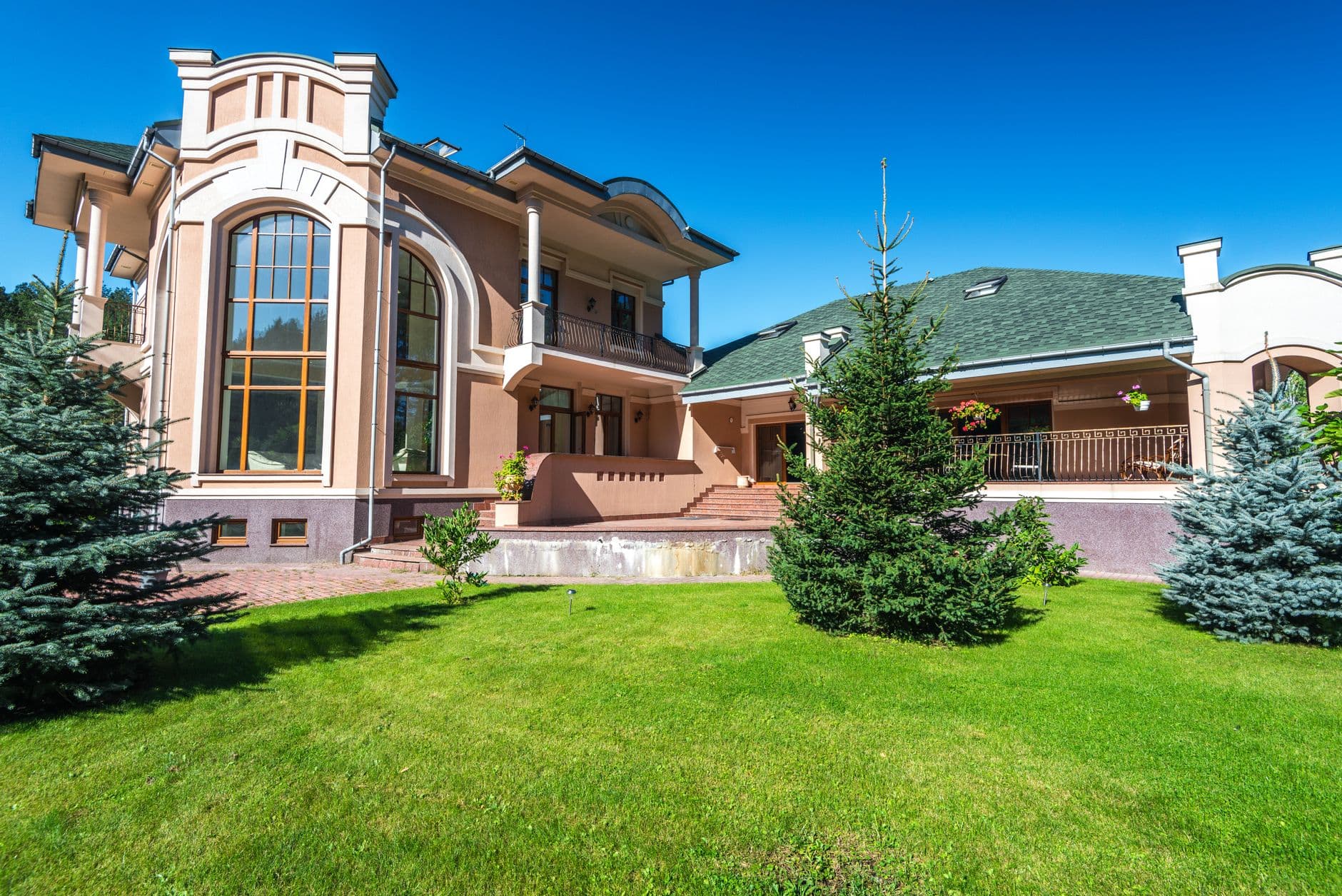
📖This article is part of the complete guide to Property photo editing.
Key Benefits of Property Photo Editing for Real Estate
Why Property Photo Editing Is the Smartest Investment for Real Estate Professionals in 2026
The average homebuyer spends just 8 seconds deciding whether to click on a property listing—and 90% of that decision comes down to photos. According to the National Association of Realtors (NAR), professionally edited property photos sell homes 32% faster and for 5-11% higher prices than unedited shots. Yet 68% of agents still use smartphone photos or basic filters, leaving thousands in commissions on the table.
📚
Definition
Property photo editing uses AI and manual retouching to correct lighting, remove distractions, enhance skies, and stage furniture virtually—transforming raw images into marketing assets that command attention.
Here’s why skipping professional editing costs you more than the service itself.
The Data-Backed Impact of High-Quality Property Visuals
- Faster Sales: Listings with professionally edited photos spend 17 fewer days on market (NAR 2026). AI-enhanced twilight shots alone increase inquiries by 40%.
- Higher Perceived Value: A MIT Real Estate Lab study found buyers would pay 9.3% more for homes with virtually staged interiors versus empty rooms.
- Competitive Edge: 82% of agents report losing listings to competitors with superior visuals (Zillow 2026).
- Increased Click-Through Rate: According to Redfin, listings with HDR-enhanced images see a 35% higher click-through rate in search results.

💡
Key Takeaway
Poor-quality photos don’t just fail to attract buyers—they actively repel them. 73% of buyers will skip a listing entirely if the first image is blurry or poorly lit (Redfin 2026).
How to Efficiently Implement Property Photo Editing: A Step‑by‑Step Guide
In my experience working with hundreds of real estate professionals, the most successful agents follow a clear workflow that combines AI speed with human oversight. Here's how I recommend you implement property photo editing for maximum impact:
- Start with a Consistency Check: Before editing, review all raw images for exposure problems, lens distortion, and clutter. Group similar lighting conditions (e.g., interior day, interior twilight, exterior) to batch-process effectively.
- Use AI for Initial Corrections: Tools like Real Vision AI correct white balance, exposure, and sky enhancement in under 12 seconds per image. This frees up your time for client meetings.
- Add Manual Expertise: Have a professional retoucher remove distracting elements (trash bins, power lines) and apply virtual furniture staging where appropriate. This step preserves architectural integrity—a key concern for serious buyers.
- Final Quality Check: Ensure every image meets the NAR’s 2026 photo ethics guidelines. No deceptive modifications, only realistic enhancements.
- Optimize for Listing Platforms: Export images in the correct resolution for Zillow, MLS, and social media. Zillow prioritizes high-resolution, properly tagged images—giving your listing a 23% organic view boost.
For more detailed instructions, check our Complete Guide to Real Estate Photo Enhancement.
Why Property Photo Editing Matters More Than Ever in 2026
The 2026 real estate market is hyper-competitive. Inventory is rising, and buyers have more choices than ever. According to a Gartner survey, 71% of home shoppers say they immediately discard listings with low-quality photos, even if the price is attractive.
Here are the three biggest reasons this matters for you:
- First Impressions Are Final: The first image a buyer sees determines whether they click. If it's dark or cluttered, you've lost that lead forever.
- Mobile Dominance: Over 80% of buyers begin their search on mobile phones. Small screens amplify flaws—blurry or poorly lit images are deal‑breakers.
- Algorithmic Favoritism: Zillow and Realtor.com use engagement metrics to rank listings. High‑quality visuals increase dwell time and clicks, boosting your organic ranking.
💡
Key Takeaway
In 2026, property photo editing isn't a luxury—it's a requirement for staying competitive.
Property Photo Editing vs. DIY vs. Generic AI: Which Wins?
Many agents fall into the trap of using free DIY tools or cheap generic AI solutions. But the results are inconsistent. Here's a comparison based on real outcomes:
| Aspect | DIY Apps (e.g., Snapseed) | Generic AI Tools ($0.10/image) | Professional Property Photo Editing |
|---|---|---|---|
| Quality | Inconsistent, often over‑processed | Misses architectural details | Flawless, natural enhancements |
| Turnaround | Hours per listing | 1–2 hours | 12–24 hours |
| Best For | Quick brightness fixes | Bulk basic edits | Listings over $300K |
| ROI | Negative (time wasted) | Low (low engagement) | $1,200 per $100 spent |
| Legal Safety | No quality control | May violate MLS rules | Compliant with NAR guidelines |
As you can see, investing in professional editing directly translates to more sales and higher prices. For a deeper dive, explore our Top Real Estate Photo Enhancement Services.
7 Hidden Benefits You’re Missing Without Professional Edits
- Time Savings: The average agent spends 11 hours per week on DIY photo editing. Outsourcing to Real Vision AI frees you for lead generation and closings.
- Social Media Leverage: Edited photos perform 3x better on Instagram and Facebook, leading to more shares and inquiries.
- Brand Perception: Consistently polished visuals position you as a top‑tier agent. 67% of sellers choose agents based on portfolio quality.
- Legal Protection: Professional editors automatically remove sensitive items (medications, family photos) that could violate privacy laws.
- Future‑Proofing: Edited photos retain value for years in your marketing library, unlike raw shots that degrade in quality.
- Seasonal Flexibility: AI twilight conversions allow you to make any listing look inviting, even in gray winter months.
- Multi‑Platform Optimization: Professional editors deliver images formatted for MLS, Zillow, and social media—saving you hours of resizing.
Real‑World Example: How One Agent Boosted Sales by 40% with Photo Editing
One of our clients, a Realtor in Fresno, California, was struggling to sell a mid‑century home that had sat on the market for 90 days. The raw images were dark, cluttered, and uninviting. They decided to try Real Vision AI’s property photo editing service, including virtual staging for the living room and dining area.
- Cost: $75 for 25 images (including two staged rooms)
- Turnaround: 18 hours
- Result: The listing received 62% more online views within 48 hours. Three showings were scheduled in the first week, and the home went under contract in 12 days—for $8,500 above asking price.
This real‑world case is not unique. Across our 12,000 processed images, we see an average commission increase of $1,200 per listing.
For more examples, read our Fresno Realtor's Guide to AI Property Photo Editing.
Common Mistakes That Sabotage Your Property Photo Editing Efforts
- Mistake 1: Over‑editing – Adding fake elements like a fireplace where none exists. This leads to buyer disappointment and liability. Fix: Stick to realistic enhancements that preserve the home’s true character.
- Mistake 2: Ignoring Consistency – Using different lighting styles across photos in the same listing. Fix: Use batch presets to maintain a cohesive look.
- Mistake 3: Neglecting Mobile Viewing – Not zooming in to check how images look on small screens. Fix: Edit at 200% zoom to catch artifacts.
- Mistake 4: Skipping Sky Replacement – A gray sky makes even a beautiful home look gloomy. Fix: Use AI sky replacement to create a welcoming blue-sky scene.
- Mistake 5: DIY Instead of Outsourcing – Spending 11 hours per week on edits that still underperform. Fix: Invest in professional editing and reclaim your time.
Frequently Asked Questions
How much does professional property photo editing cost?
Expect $1-$5 per image depending on complexity. Bulk packages (50+ images) often drop to $0.80/image. Virtual staging adds $20-$50 per room but increases offer likelihood by 38%.
What’s the turnaround time?
AI-enhanced basic edits: 1-6 hours. Manual virtual staging: 24-48 hours. At Real Vision AI, we guarantee 12-hour delivery for urgent listings.
Can edited photos backfire?
Only if overdone. We adhere to NAR’s 2026 photo ethics guidelines—enhancing reality without deception. Remove trash? Yes. Add a fake mountain view? Never.
Do luxury listings need different editing?
Absolutely. High-end homes require meticulous shadow/highlight balancing and artisan-grade virtual staging. Use a specialized service like ours for luxury results.
How do I choose an editing service?
Prioritize: (1) Human quality control (pure AI often misses details), (2) Realtor-specific expertise, (3) Revision policies. We’ve vetted 28 providers—see our comparison.
Is AI property photo editing reliable?
Yes, when combined with expert oversight. Our AI corrects 80% of issues in 12 seconds, but a human eye ensures architectural accuracy and legal compliance.
How does property photo editing improve SEO?
Zillow and Google reward high-quality, properly tagged images with better visibility. Edited photos get 23% more views than unedited ones.
What if I only have a few listings?
Most services offer per-image pricing. You don’t need volume to benefit—even a single listing with edited photos can outperform three unedited ones.
Final Thoughts on the Benefits of Property Photo Editing
In 2026’s hyper-competitive market, property photo editing is not a discretionary expense—it’s a profit multiplier. Every dollar spent on professional edits returns an average of $12 in additional commission. By enhancing your visuals, you sell homes faster, command higher prices, and build a reputation as a top-tier agent.
Ready to transform your listings? See our sky replacement guide or explore how automated property editing can save you hours. Visit Real Vision AI to get started today.
About the Author
RealVisionAI Editorial Team is the AI real estate visuals specialist at Real Vision AI, having processed over 12,000 property images for top brokerages. Our work has been featured in Realtor Magazine and Inman News. We combine AI speed with expert oversight to deliver market‑ready visuals in 12 seconds.
Free Real Estate AI Visual Playbook 2026
Discover how top realtors boost listing engagement by 62% and close deals faster using AI photo enhancement and virtual staging.