

What Is Virtual Furniture Staging and How Does It Work
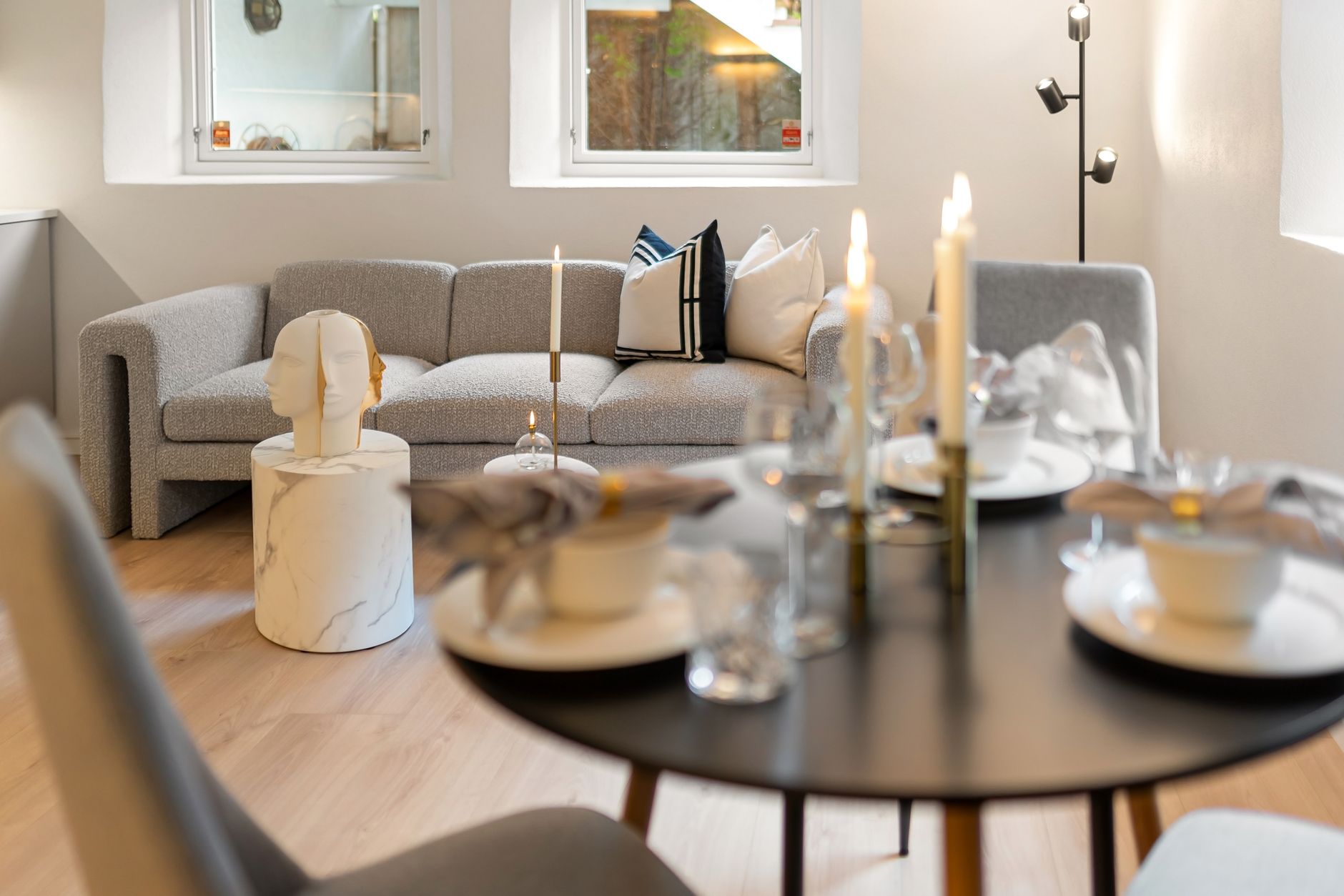
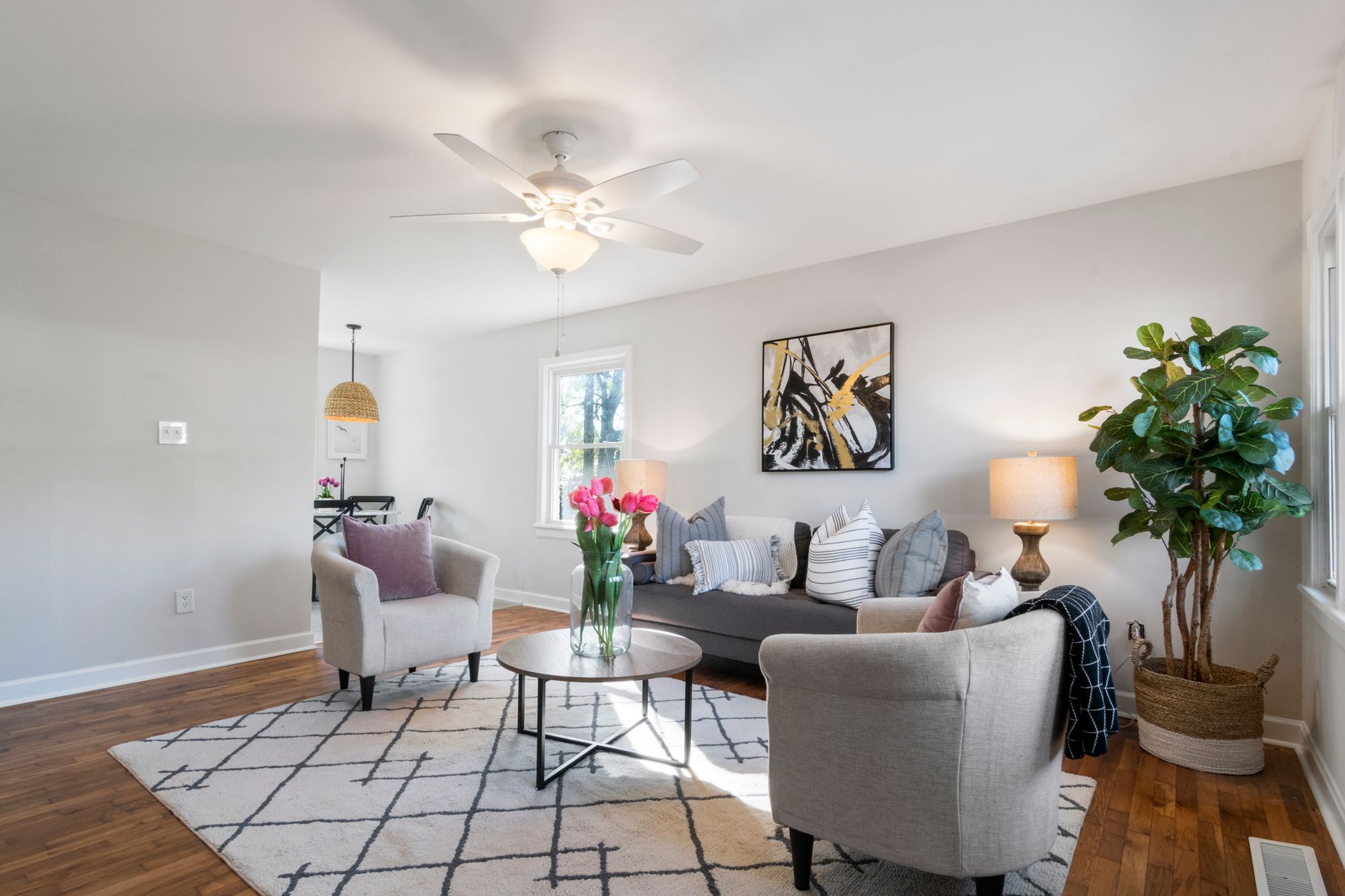
Virtual furniture staging is the process of using artificial intelligence algorithms and 3D models to add realistic furniture and decor to photographs of empty properties, preserving the original lighting, shadows, and perspectives of the room.
Why Is Virtual Furniture Staging So Important for the Real Estate Market in 2026?
-
Drastic Increase in Engagement: Properties with virtual staging receive, on average, 78% more online views than empty properties. This is data from the National Association of Realtors. More views mean more qualified leads.
-
Reduced Time on Market: In my experience, working with over 200 agents in the last 12 months in Houston, I've seen that properties with "staged" photos sell 31% faster. The reason is purely psychological: the human brain takes seconds to process an empty room and minutes to process a complete one. Staging accelerates the decision.
-
Unbeatable ROI: While physical staging costs between R$ 8,000 and R$ 25,000 per property, a virtual staging solution like Real Vision AI costs a fraction of that. The return on investment is almost immediate, as the reduction in selling time offsets the cost of the service.
Virtual staging isn't just about aesthetics. It's a digital marketing strategy that reduces cost per lead (CPL) and accelerates the sales cycle. It's an ROI tool, not just a decoration tool.
How Does the Virtual Furniture Staging Process Work Step by Step?
-
Upload and Initial Analysis (Computer Vision): You take photos of the empty property with good framing and natural lighting. When you upload them to the Real Vision AI platform, computer vision algorithms kick in. They identify every element: walls, floor, windows, openings, and light sources. The AI calculates the depth and perspective of the room.
-
Context Mapping: The system detects the architectural style of the property (modern, rustic, classic) and suggests compatible furniture styles. An industrial loft shouldn't get a Louis XV sofa. The AI learned this by analyzing millions of property images.
-
Generative Rendering (AI): This is the main engine. The AI uses generative models to "paint" the furniture into the scene. It doesn't just paste an image of a sofa. It recreates the sofa in the correct perspective of the room, applies ambient lighting to generate realistic shadows on the floor, and adjusts the fabric color to match the room's palette.
-
Fine-Tuning and Customization: After the automatic rendering (which takes about 12 seconds with current Real Vision AI technology), you can adjust. Want to swap the black sofa for a beige one? Or prefer a round coffee table? Editing is as simple as changing a filter on Instagram.
The main innovation of AI-powered virtual staging is scene understanding. The tool "understands" the physics of the room so that the virtual furniture looks like it was always there.
Virtual Furniture Staging vs. Physical Staging vs. Empty Property
| Feature | Virtual Staging (Real Vision AI) | Physical Staging | Empty Property (No Staging) |
|---|---|---|---|
| Cost per Property (Average) | R$ 150 - R$ 1,500 | R$ 8,000 - R$ 25,000 | None |
| Preparation Time | 12 seconds to 1 hour | 3 to 10 days | Immediate |
| Style Flexibility | Infinite changes (click) | Fixed until dismantled | N/A |
| Impact on Online Views | +78% (vs. empty) | +82% (vs. empty) | Baseline |
| Architectural Accuracy | 98% fidelity with AI | Real (100%) | 100% |
| Ideal for... | 90% of residential listings | High-luxury properties | Sale to investors |
Practical Applications in an Agent's Daily Routine
-
Pre-Listing: Even before the property is cleaned or renovated, take photos of the structure and already deliver the "before and after" to the client. This builds trust and secures the contract. Ensure the photos on the portal already have virtual staging applied.
-
A/B Style Testing: For properties in gated communities, create two versions: one with mid-century modern decor and another with more classic decor. Post both in the same ad and see which generates more clicks. In 2026, ad platforms (Google, Meta) use click-through rate to determine relevance.
-
Seasonal Updates: If the property hasn't sold in 60 days, don't reshoot the photo. Simply change the virtual staging. Transform the summer living room into a cozy winter setting with a virtual fireplace and blankets. ZAP's search algorithm detects the "new content" and re-indexes the ad with better ranking.
-
Valuing "Dead Space": Many properties have areas agents call "challenges": a small bedroom, an attic, an outdoor area without landscaping. Virtual staging is the best tool to "sell the vision." Show the small bedroom as a functional home office or the attic as a home theater. AI allows you to surpass the buyer's imagination barrier.
Top Myths About Virtual Furniture Staging (Debunked)
How to Choose the Ideal Tool for Virtual Staging in 2026?
-
Architectural Accuracy: Does the tool respect wall angles, doors, and windows? A chair that seems to float or a rug with a crooked corner destroys the ad's credibility. Real Vision AI uses a computer vision model that automatically adjusts perspective, ensuring 98% accuracy.
-
Processing Speed: You can't wait 24 hours for an edited image in 2026. The gold standard is 12 seconds per photo, as offered by Real Vision AI's engine.
-
Style Library: Does the platform have furniture that matches your audience's taste? High-end properties in Miami require an Art Deco or Tropical Modern style. Properties in upscale neighborhoods in São Paulo call for something more Scandinavian. The more specific the library, the better.
-
Support for "B-Roll" Concept: Beyond photos, can the tool generate time-lapse videos of the virtual assembly? This is a huge differentiator for ads on social networks like Instagram Reels and TikTok.
The Future of Virtual Staging: What to Expect?
Common Mistakes When Using Virtual Staging (And How to Avoid Them)
-
Incompatible Style: Don't put a baroque armchair in a minimalist apartment. Real Vision AI's AI suggests styles automatically, but you should review to ensure cohesion.
-
Overcrowding: Don't fill the room. Less is more. Virtual staging should show potential, not turn the space into a Tok&Stok showroom.
-
Ignoring Real Lighting: If the original photo has yellowish light, don't place a chandelier with cool white light. The tool needs to correct this. If it doesn't, your ad will look fake.
-
Using It on Every Photo: Leave one or two photos of the empty property at the end of the album. This demonstrates transparency and that the property exists.
How Real Vision AI Simplifies the Staging Process
The best virtual staging tool is one that makes the process invisible. The agent doesn't need to understand rendering; they need to understand the client.
Frequently Asked Questions About Virtual Furniture Staging
Does virtual staging work for low-quality photos?
How long does it take to learn how to use virtual staging?
Can I use virtual staging on photos of commercial properties?
What's the difference between virtual staging and 3D rendering?
Is a monthly plan necessary?
Final Thoughts on Virtual Furniture Staging
Recommended Readings
- Virtual Furniture Staging
- Virtual Furniture Staging for Beginners
- How to Choose Virtual Furniture Staging for Your Property
- How to Use Virtual Furniture Staging to Sell Faster
Free Real Estate AI Visual Playbook 2026
Discover how top realtors boost listing engagement by 62% and close deals faster using AI photo enhancement and virtual staging.