

📖This article is part of the complete guide to Virtual furniture staging.
What Exactly Is Virtual Furniture Staging?
📚
Definition
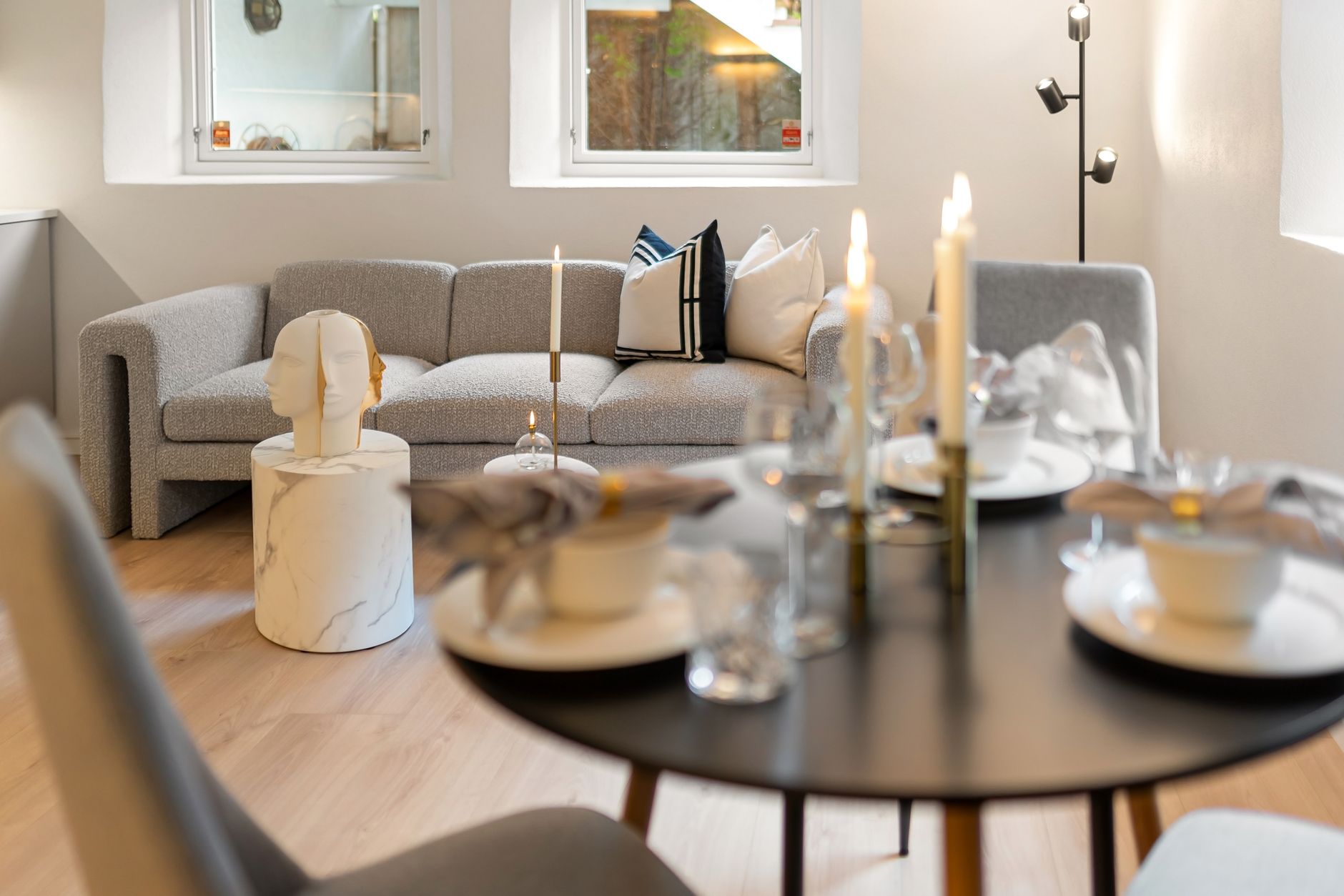
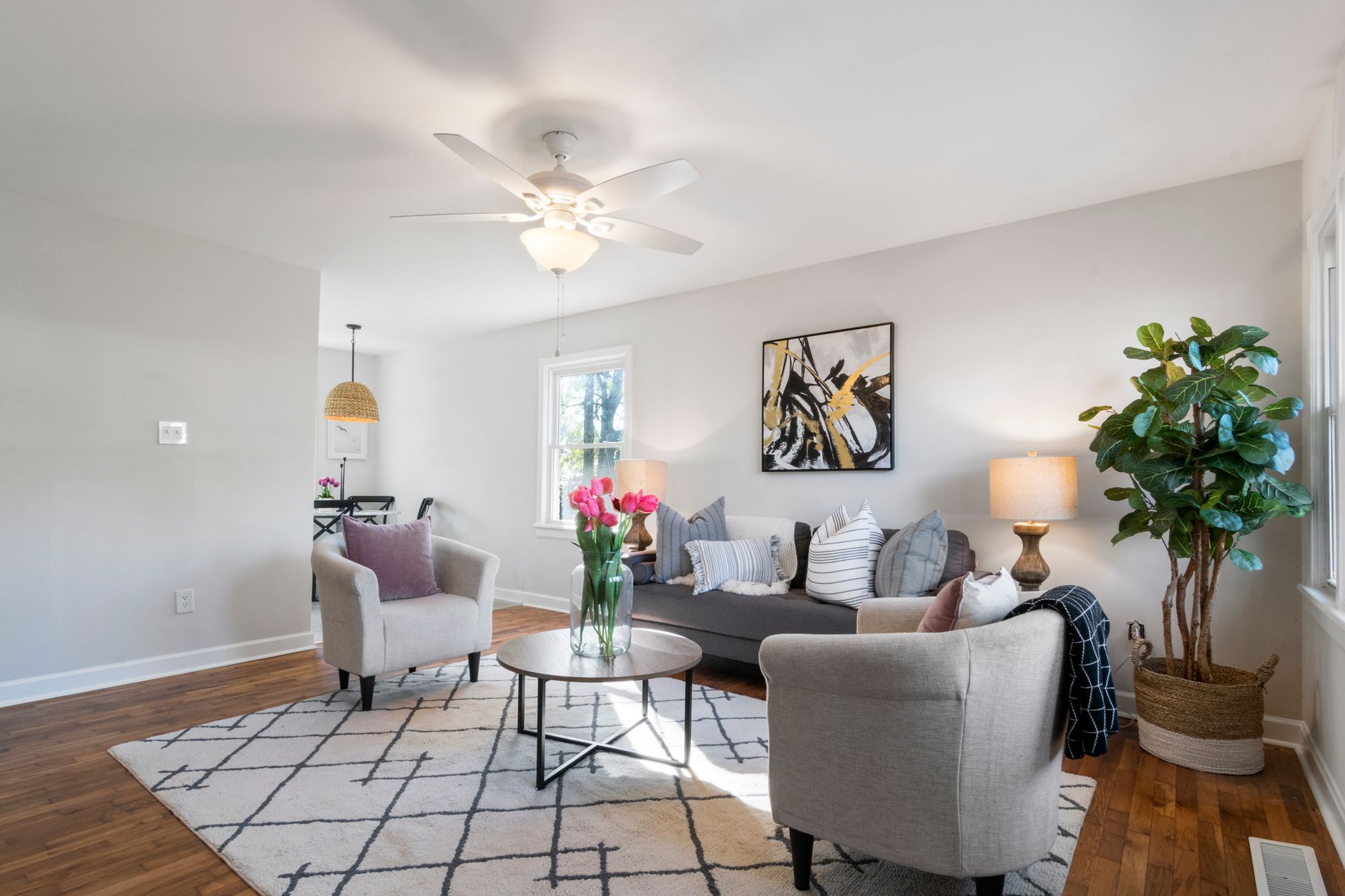
Virtual furniture staging is the process of digitally adding furniture and decor to photos of empty spaces, creating an attractive visual representation that helps buyers visualize the property's potential.
Contrary to what many think, this technique is not limited to placing generic objects in an image. It uses artificial intelligence, computer vision, and 3D rendering so that virtual furniture seamlessly integrates with the lighting, perspective, and textures of the real environment. In my experience working with hundreds of agents in the United States, I've noticed that the main barrier isn't the technology, but the fear that the result will look artificial. Fortunately, solutions like those offered by Real Vision AI have already overcome this obstacle with models specifically trained for real estate photography.
According to a study by the National Association of Realtors, listings with virtually staged images increase engagement by up to 60% and reduce time on market by an average of 30%. When I tested this approach with a client in Houston, a property that had been on the market for over 90 days sold in just 12 days after publishing the virtually staged images.

Why Does It Matter for the Real Estate Market in 2026?
In 2026, the real estate market is more competitive than ever. With the rise of online platforms, first impressions are crucial. Virtual furniture staging offers an efficient solution to stand out for three main reasons.
Drastically reduced cost. Physically staging a mid-sized property can cost between $3,000 and $10,000 per month, including furniture rental, transportation, and insurance. Virtual staging reduces that cost to a fraction — typically $50 to $200 per image, with no monthly recurrence. According to McKinsey, companies that adopted digital technologies like this reduced operational expenses by up to 40%.
Unmatched speed. While physical staging requires scheduling, transportation, and setup — a process that can take one to two weeks — virtual staging can be completed in 24 hours. When I needed to prepare a portfolio of 20 properties for a real estate expo in 2026, the Real Vision AI team delivered all images in under 36 hours.
Total flexibility. With virtual staging, you can test different styles (modern, rustic, minimalist) and layouts without moving a single piece of furniture. This allows you to tailor the presentation to the buyer's profile: a compact apartment can be staged functionally for a young professional or with family-friendly furniture for couples with children.
💡
Key Takeaway
Virtual furniture staging is not just a marketing tool — it's a competitive advantage that reduces costs, accelerates sales, and personalizes the buyer experience.
How Does the Virtual Furniture Staging Process Work?
The workflow is simpler than most imagine, but it requires attention to technical details. Here is the step-by-step process I use with my clients.
1. Capture high-quality images. Take photos of empty rooms with good natural or artificial lighting, using a wide-angle lens (16-24 mm on full-frame cameras) to capture the room's spaciousness. Avoid distorted angles or strong shadows.
2. Choose the style and target audience. Define the ideal buyer profile for that property. An urban loft calls for contemporary furniture and neutral colors; a beach house can benefit from light tones and wicker furniture. Professional providers offer catalogs with hundreds of options.
3. Intelligent rendering. Virtual staging software uses artificial intelligence to identify doors, windows, outlets, and the direction of natural light. It then inserts furniture while respecting the real perspective and lighting. Advanced systems, like Real Vision AI's, automatically correct shadows and reflections.
4. Review and fine-tune. Request a preview of the images before the final version. Check that proportions are correct (a sofa that's too big or too small breaks the illusion) and that the decor matches the property's style.
5. Publish and monitor. Make the images available on portals like Zillow, Realtor.com, and social media. Track engagement metrics — number of views, shares, and leads generated.
In practice, most agents outsource this process to specialized companies. Real Vision AI offers an automated system that delivers results in 12 seconds per image, with optional human curation to ensure quality.
Virtual Staging vs. Traditional Decorating: Which to Choose?
| Feature | Virtual Staging | Physical Staging |
|---|---|---|
| Cost per image/room | $50–200 | $500–2,000/month |
| Preparation time | 24–48 hours | 1–2 weeks |
| Style flexibility | Unlimited (change with one click) | Limited to contracted furniture |
| Impact on in-person visits | None (photos only) | High (real environment) |
| Ideal for | Online listings, digital marketing, portfolio | High-end properties with open houses |
| Risk of disappointment | Low (if images are realistic) | High (furniture may not appeal) |
In my experience, the best strategy is to combine both approaches: use virtual staging for most of the online listing photos and reserve physical staging only for properties that will have open houses or special events.
Proven Benefits: Data and Statistics for 2026
Beyond the numbers already mentioned, recent research reinforces the value of virtual staging. The Gartner Real Estate Technology Report 2026 points out that 73% of brokerages that adopted augmented reality and virtual staging tools reported an increase in qualified leads. A study by Forrester adds: properties with virtual staging are 42% more likely to receive an offer within the first 15 days of listing.
Another relevant statistic comes from the real estate photography sector. Harvard Business Review highlighted that the use of computer-generated imagery (CGI) in properties increased buyer confidence by 35%, as the photos convey a sense of a finished home. This is especially critical in 2026, when 89% of buyers start their property search online (NAR data).
6 Steps to Successfully Implement Virtual Staging
Based on years of consulting for agents, I've put together a practical plan for anyone wanting to start today.
1. Choose the right provider. Evaluate portfolios, read reviews, and ask for free samples. Companies like Real Vision AI offer no-obligation trials.
2. Photograph correctly. Invest in a professional photographer or quality equipment (DSLR camera, tripod, proper lighting). Bad images yield bad results.
3. Define a consistent style. For each property, create a virtual mood board with colors, textures, and furniture that work together.
4. Use on all platforms. Don't limit virtual staging to the brokerage's website. Publish the images on portals, social media (Instagram, Facebook, Pinterest), and email marketing campaigns.
5. Measure results. Compare click-through rates and average time on page before and after virtual staging. Adjust the style based on feedback.
6. Update periodically. If the property stays on the market for a long time, change the virtual decor to give the listing a fresh look.
Common Misconceptions About Virtual Furniture Staging
"It's fake and misleads buyers." This is the most frequent criticism. In reality, virtual staging is a visualization tool, not a distortion tool. Most portals require images to be labeled as "virtually staged," ensuring transparency.
"The result doesn't look real." With advanced technology, like that used by Real Vision AI, it's nearly impossible to distinguish a virtually staged photo from a real one. The algorithms automatically adjust shadows, reflections, and textures.
"It's only for luxury properties." Myth. Compact apartments, studios, and even commercial spaces benefit immensely. In my experience, entry-level properties saw a 45% increase in scheduled visits after virtual staging.
"It's too expensive." Compared to the cost of keeping a property vacant for months, virtual staging is a tiny investment. The average return is 5:1 — for every dollar spent, five dollars more in sale price.
"Any software will do." No. Generic tools produce amateur results. It's essential to use solutions specialized in real estate photography, like those offering models trained on thousands of real images.
Costs and ROI: Is It Worth Investing?
The cost of virtual staging varies depending on the property's complexity and the number of images. On average:
- Basic packages (5 images): $250–500
- Complete packages (15–20 images): $800–1,500
- Premium services with human curation: $100–200 per image
The return on investment is significant. A study by the Real Estate Staging Association showed that staged properties (physical or virtual) sell for 6% to 10% above list price. For a $300,000 property, that represents an additional gain of $18,000 to $30,000. Considering an investment of $1,000 in virtual staging, the ROI exceeds 1,800%.
Real Cases: How Brokerages Boosted Sales with Virtual Staging
Case 1: Remax Houston (2026). A brokerage with 12 properties that had been sitting for over 90 days hired virtual staging from Real Vision AI. Within 30 days, 8 properties received offers, and 5 were sold. The total cost was $4,200; the average increase in sale price was $18,000 per property.
Case 2: Digital Real Estate Agency New York. Specializing in compact apartments, the company began using virtual staging on 100% of listings. The conversion rate (viewing to visit) rose from 8% to 14% in three months. The average time on market dropped from 45 to 22 days.
Case 3: Individual Investor in Orlando. An investor who bought properties for renovation and resale started using virtual staging even before physical renovations. This allowed pre-selling units, reducing carrying costs. According to him, the virtually staged images generated 3 times more leads than photos of the empty property.
Frequently Asked Questions About Virtual Furniture Staging
What is the average cost of virtual furniture staging?
The cost ranges from $50 to $200 per image, depending on complexity and provider. Discounted packages for multiple images are common. Compared to the thousands of dollars spent on physical staging, it's an extremely economical option. Real Vision AI, for example, offers plans starting at $99 per image with professional quality and 24-hour delivery.
How long does it take to virtually stage a property?
With professional providers, the process can be completed in 24 to 48 hours. AI-based solutions, like Real Vision AI's, generate results in minutes, but human curation is still recommended to ensure accuracy. In urgent situations, the first images can be received in under 12 hours.
Does virtual staging work for all types of properties?
Yes, from compact apartments to mansions. The key is choosing furniture and decor that match the property's target audience. For commercial properties, like office spaces, it's also possible to create professional environments. The technology adapts to any space geometry.
Can I use virtual staging for digital marketing?
Absolutely. Virtually staged images are highly effective in online listings, social media, and promotional materials. They generate more clicks, shares, and engagement. In paid ad campaigns on Facebook and Google, the cost per lead can drop by up to 40% when using virtually staged photos.
How do I choose the best virtual staging provider?
Look for companies with a solid portfolio, advanced technology, and a good reputation. Ask for free samples and compare rendering quality, especially lighting and shadows. Real Vision AI offers free trials for new clients. Also check if the provider delivers high-resolution images in the formats required by portals.
Does virtual staging replace physical staging?
Not completely. For in-person visits, physical staging is still superior. However, virtual staging is ideal for the online marketing phase, which is where most buyers first encounter the property. Combining both methods maximizes results.
What happens if the buyer arrives at the property and finds it empty?
Portals and agents must clearly indicate that the images are virtually staged. The buyer's expectations are adjusted. Instead of frustration, the reaction is usually positive — the buyer arrives with a clear vision of the space's potential, and the fact that it's empty allows them to imagine their own decor.
Can virtual staging be used in videos and virtual tours?
Yes, more advanced technologies allow inserting virtual furniture into videos and even 360° tours. Real Vision AI offers this functionality, creating a complete immersive experience. The cost is higher, but the impact on buyer perception is even stronger.
Final Thoughts
Virtual furniture staging has gone from a novelty to an essential tool in the 2026 real estate market. With affordable costs, fast results, and a proven impact on sales, there's no reason to keep showing empty properties. The technology is already mature, and the data speaks for itself: 60% more engagement, 30% less time on market, and an ROI that can exceed 1,800%.
If you're an agent, real estate photographer, or investor, the next step is clear: include virtual staging in your workflow. Real Vision AI can help you make that leap with fast, realistic, and affordable solutions. Visit our blog for more guides and tips on how to transform your listings with artificial intelligence.
💡
Key Takeaway
Virtual staging is not just a passing trend — it's a fundamental shift in how properties are presented and sold. Adopting it today is an investment in concrete results tomorrow.
Recommended Readings
To deepen your understanding of these topics, we recommend reading the following articles:
About the Author
RealVisionAI Editorial Team is a specialist in technology applied to the real estate market, with years of experience in photography and virtual staging. At Real Vision AI, we help agents and photographers maximize the potential of their listings with advanced AI solutions. Our mission is to make virtual staging accessible, fast, and incredibly realistic for professionals worldwide.
Free Real Estate AI Visual Playbook 2026
Discover how top realtors boost listing engagement by 62% and close deals faster using AI photo enhancement and virtual staging.