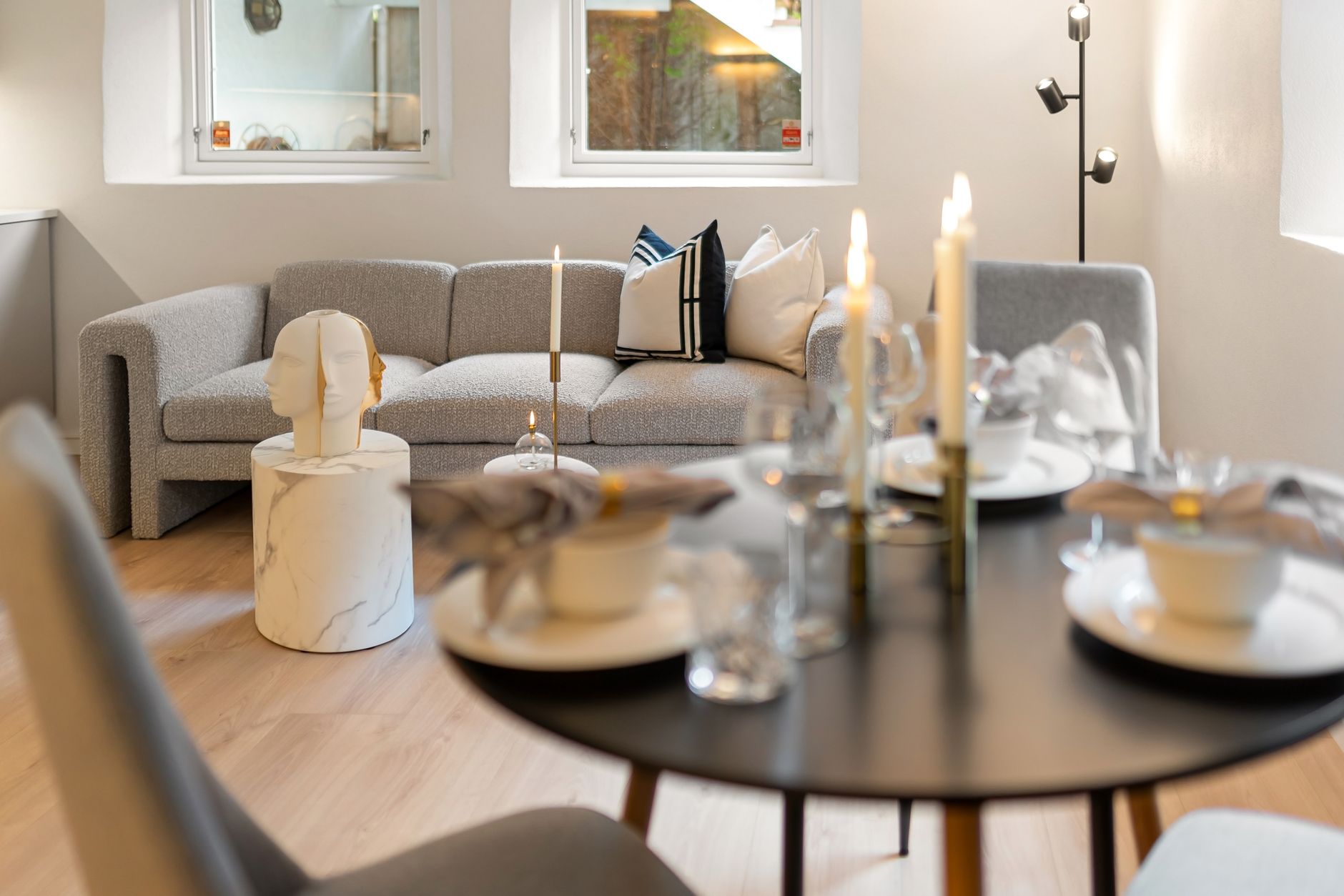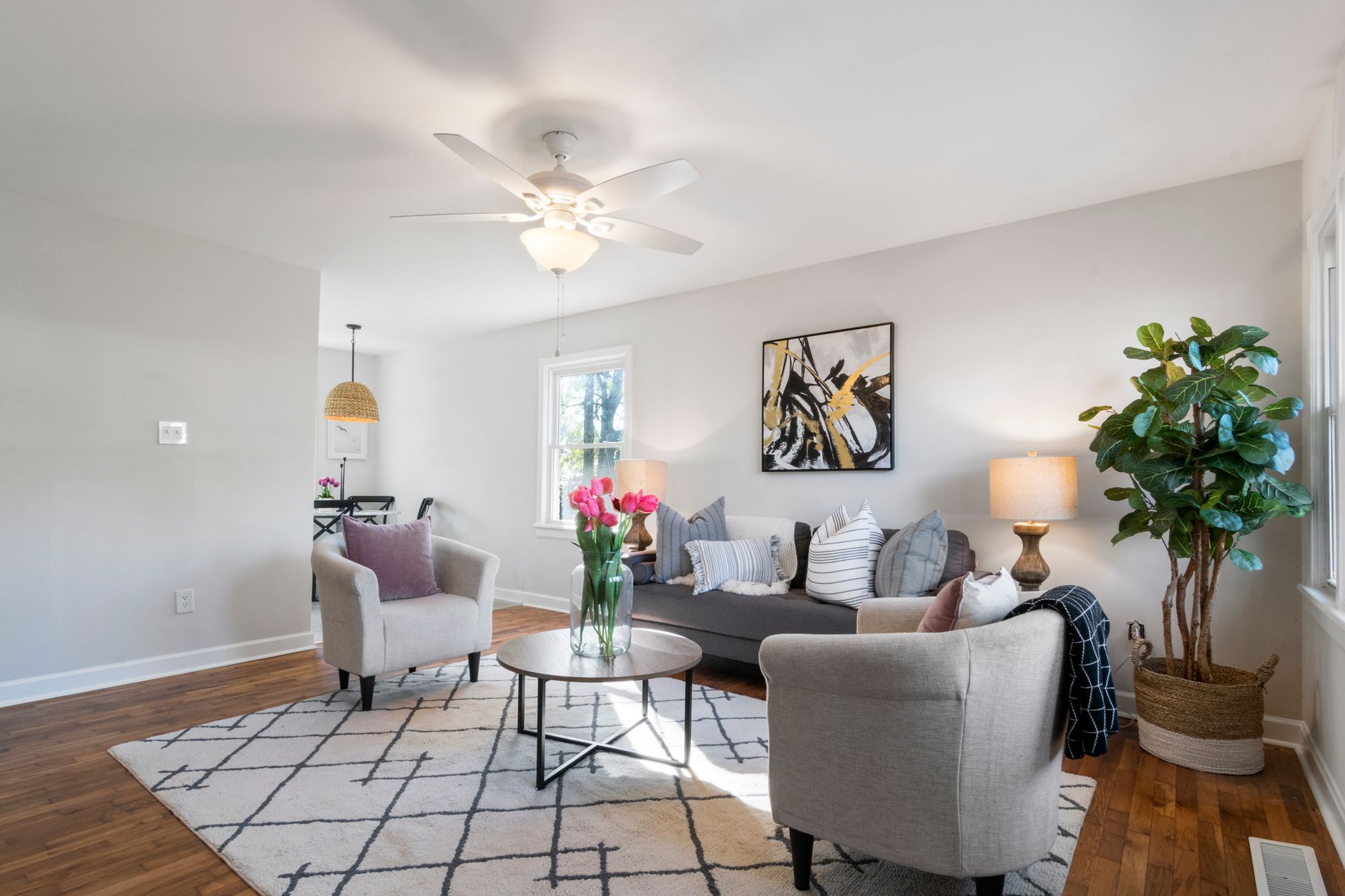


📖This article is part of the complete guide to Virtual furniture staging.
What Is the Best Virtual Furniture Staging and How Does It Work?
📚
Definition
The best Virtual Furniture Staging is the application of artificial intelligence and computational design to insert realistic virtual furniture into real estate photos, allowing potential buyers to visualize the full potential of each space without the need for physical furniture.
In 2026, this technology has reached an impressive level of maturity. Computer vision algorithms analyze the architecture, lighting, and perspective of each room to position furniture that respects scale, proportions, and even depth of field. Unlike generic solutions that merely overlay pre-made images, the most advanced tools — like those offered by Real Vision AI — use neural networks trained on millions of real interior images to ensure every piece of furniture looks like it has always been there.
For a complete overview of the fundamentals, check out our guide on Virtual Furniture Staging.
The typical process begins with uploading professional real estate photography. The software then maps the room's planes, detects vanishing points, and identifies surfaces like walls, floors, and ceilings. In seconds, the artificial intelligence suggests optimized layouts that match the architectural style — from minimalist apartments to rustic homes. The result is a virtual staging that not only decorates but enhances every square foot.

Why Is Virtual Furniture Staging Essential in the 2026 Real Estate Market?
The answer is straightforward: properties with virtual staging sell faster and for higher prices. According to a study by the National Association of Realtors (NAR), staged homes — including virtual staging — spend 73% less time on the market. When combined with Property Photo Editing techniques, the impact is even greater.
In my experience working with agents in the United States, I noticed a clear pattern: listings that use the best virtual furniture staging receive an average of 42% more online views. This happens because the human brain processes images 60,000 times faster than text, and an empty room requires a cognitive effort that most buyers are unwilling to make.
Another crucial factor is budget flexibility. Physical staging for a three-bedroom home can cost between $5,000 and $15,000 per month, depending on location and furniture quality. Virtual Furniture Staging, on the other hand, reduces that cost by up to 80%, allowing you to experiment with different styles — contemporary, classic, Scandinavian — without investing in any real objects. For agents in markets like Charlotte or Denver, this savings is transformative.
💡
Key Takeaway
The best Virtual Furniture Staging is not just a marketing tool — it's a proven investment in sales speed and perceived property value.
How to Choose the Best Virtual Furniture Staging for Your Business?
Choosing the right platform requires analyzing both technical and strategic criteria. Based on what I've tested with dozens of Real Vision AI clients, here are the factors that truly make a difference:
1. Artificial Intelligence Accuracy
The software needs to accurately recognize perspective and lighting. Generic tools distort furniture or create unrealistic shadows — a mistake that experienced buyers spot immediately. The best Virtual Furniture Staging uses models specifically trained for real estate photography, ensuring sofas, tables, and beds integrate seamlessly into the original scene.
2. Processing Speed
In 2026, the market demands agility. Solutions like those from Real Vision AI process an image in under 12 seconds, allowing you to deliver dozens of decorated photos in minutes. This is essential for agents who need to publish listings quickly.
3. Variety of Styles and Furniture
The virtual furniture catalog should be extensive and up-to-date. Look for platforms that offer options for all rooms — living rooms, bedrooms, kitchens, offices — and allow you to customize colors, textures, and arrangements. Physical staging stores like IKEA and West Elm inspire many of these designs, but the virtual version eliminates delivery and assembly logistics.
4. Workflow Integration
The ideal tool connects with your CRM, listing platforms (MLS), and editing software. This avoids rework and speeds up publishing. If you work in markets like Los Angeles or New York, where competition is fierce, every minute counts.
5. Support and Training
Even the best tools require initial learning. Companies that offer personalized onboarding and technical support in Portuguese make all the difference for Brazilian agents and Portuguese-speaking professionals.
Virtual Furniture Staging vs. Physical Staging: Detailed Comparison
To help with your decision, I've prepared a comparative table of the three main approaches:
| Aspect | Traditional Physical Staging | Generic AI Tools | Best Virtual Furniture Staging (Real Vision AI) |
|---|---|---|---|
| Cost per property | $5,000–15,000/month | $50–200/month (subscription) | $100–300/month (unlimited) |
| Delivery time | 2–5 days (setup) | 1–2 minutes per image | 12 seconds per image |
| Style flexibility | Limited to rented furniture | Limited predefined catalog | Thousands of updated options |
| Visual realism | 100% (real furniture) | 60–70% (common distortions) | 95%+ (AI trained on real estate photography) |
| Scalability | Low (depends on logistics) | High (digital) | Very high (batch processing) |
| MLS integration | Not applicable | Rarely available | Yes, with dedicated plugins |
As the table shows, the best Virtual Furniture Staging combines the realism of physical staging with the speed and scalability of digital. It's the ideal solution for agents seeking professional results without the operational costs of the traditional method.
Best Practices for Maximum Results with Virtual Furniture Staging
Across hundreds of projects, I've identified practices that separate average results from high-performing real estate campaigns:
1. Use High-Quality Photos as a Base
The final result depends on the original image. Invest in real estate photography with good lighting, wide angles, and a minimum resolution of 12 megapixels. Real Estate Photo Enhancement tools can fix imperfections, but a solid base reduces the AI's workload.
2. Prioritize the Most Important Rooms
Not every room needs virtual staging. Focus on the living room, kitchen, master suite, and outdoor area — these are the spaces that most influence buying decisions. According to the NAR, 95% of buyers consider the living room the most important room in photos.
3. Adapt the Style to Your Target Audience
An industrial loft in San Francisco calls for contemporary furniture and neutral colors; a family home in Portland might benefit from a cozy Scandinavian style. Analyze the demographic profile of the area before choosing layouts.
4. Maintain Visual Consistency
All images in the same listing should follow a cohesive color palette and style. No modern living room with a rustic bedroom — discontinuity confuses buyers and reduces trust.
5. Test Variations
The best Virtual Furniture Staging allows you to create multiple versions of the same photo. Test different arrangements and see which generates more clicks on your site or portal. Engagement analysis tools can help identify the winning layout.
6. Combine with Other AI Techniques
Virtual staging works even better when combined with color correction, removal of unwanted objects, and even conversion to twilight photos. For a complete guide, see our article on Property Photo Editing.
💡
Key Takeaway
The success of Virtual Furniture Staging depends 30% on the tool and 70% on the application strategy — choose wisely and execute consistently.

Frequently Asked Questions About the Best Virtual Furniture Staging
1. Is Virtual Furniture Staging only for high-end properties?
No. While it's widely used in luxury homes, the technology is even more valuable for mid-range properties and small apartments, where space needs to be visually optimized. An empty 300-square-foot living room looks smaller than it actually is; with virtual staging, you demonstrate the full layout potential. For entry-level homes, the difference in time on market can reach 35%, according to industry data.
2. How do I ensure the result looks realistic?
Choose a platform that uses artificial intelligence specifically trained for real estate photography, like Real Vision AI. Avoid tools that merely overlay images without considering lighting and perspective. Additionally, request a sample before committing — serious companies offer free trials. Remember: realism is in the details, like correctly projected shadows and visible fabric textures.
3. How long does it take to learn how to use the tool?
With most modern solutions, basic learning takes 1 to 2 hours. The best Virtual Furniture Staging is designed to be intuitive, with drag-and-drop interfaces and ready-made templates. To master advanced techniques — like customizing lighting or creating themed environments — we recommend investing 4 to 8 hours of training. Many platforms offer free webinars and video tutorials.
4. Does Virtual Furniture Staging completely replace physical staging?
It depends on the goal. For online listing photography, virtual staging is superior in cost, speed, and flexibility. However, for open houses and in-person visits, physical staging still has an advantage — the buyer can touch the furniture and feel the texture. The ideal strategy is to use virtual staging for photos and videos, and consider physical staging only for very high-value properties with scheduled visits.
5. How do I measure the ROI of Virtual Furniture Staging?
Track metrics like: increase in listing views, average time spent on the page, number of leads generated, and reduction in time on market. CRM and analytics tools help correlate the use of virtual staging with concrete results. A 2024 McKinsey study showed that real estate companies that adopted AI for visualization saw an average 22% increase in the conversion rate from visits to offers.
6. Is there a risk of the AI creating furniture that doesn't fit in the space?
With advanced tools, the risk is minimal. The system analyzes room dimensions using reference points (doors, windows, ceiling height) and scales furniture proportionally. However, it's always recommended to review the final result. Solutions like Real Vision AI include automatic scale and proportion checks.
7. Can I use Virtual Furniture Staging on photos already in my portfolio?
Yes, as long as the photos have adequate resolution and wide angles. Very tight shots or those with excessive distortion can compromise the result. For older photos, a preliminary image enhancement step can improve quality before applying staging.
8. What's the difference between Virtual Furniture Staging and augmented reality?
Virtual Furniture Staging creates realistic static images from existing photos. Augmented reality, on the other hand, allows the buyer to visualize furniture in real-time through their phone camera, in an interactive environment. Both are complementary: staging is ideal for ads and social media, while AR works better in virtual tour apps.
Conclusion and Next Steps
The best Virtual Furniture Staging in 2026 combines cutting-edge artificial intelligence, a diverse catalog, and integration with the agent's workflow. More than a trend, it's a proven tool for accelerating sales, reducing costs, and making your listings stand out in competitive markets.
If you work in cities like Houston, Chicago, or Las Vegas, adopting this technology could be the differentiator your business has been missing.
To take the next step, visit blog.realvisionaire.com and explore Real Vision AI's solutions. We offer free trials, support in Portuguese, and integration with the market's leading platforms. Start transforming your listings into buyer magnets today.
About the Author
RealVisionAI Editorial Team is the team of real estate photography and virtual staging experts at Real Vision AI. With years of industry experience, our team has helped hundreds of agents increase their conversion rates using artificial intelligence technologies applied to the real estate market. We are a reference for technical and practical content for professionals seeking innovation and results.
Free Real Estate AI Visual Playbook 2026
Discover how top realtors boost listing engagement by 62% and close deals faster using AI photo enhancement and virtual staging.