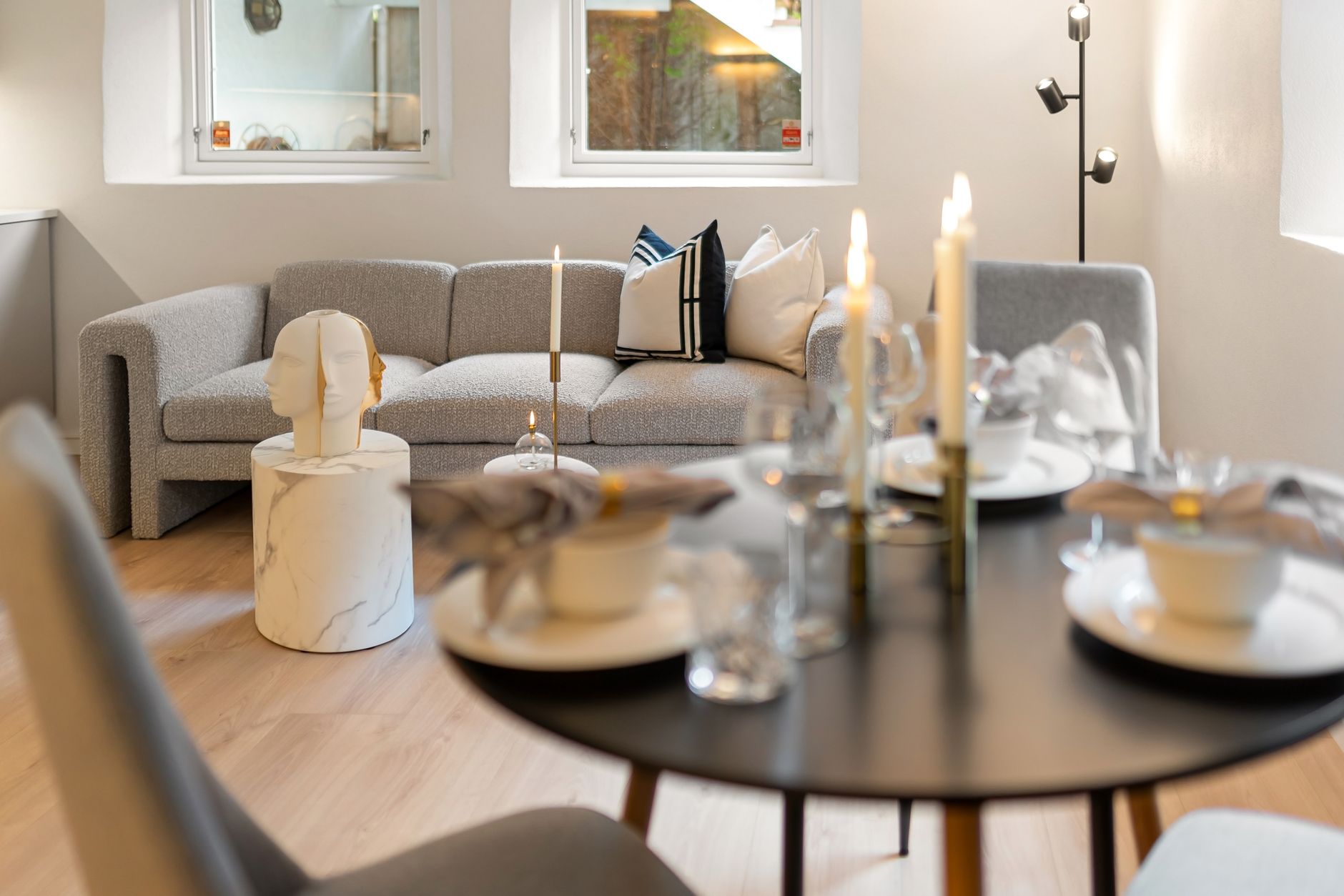
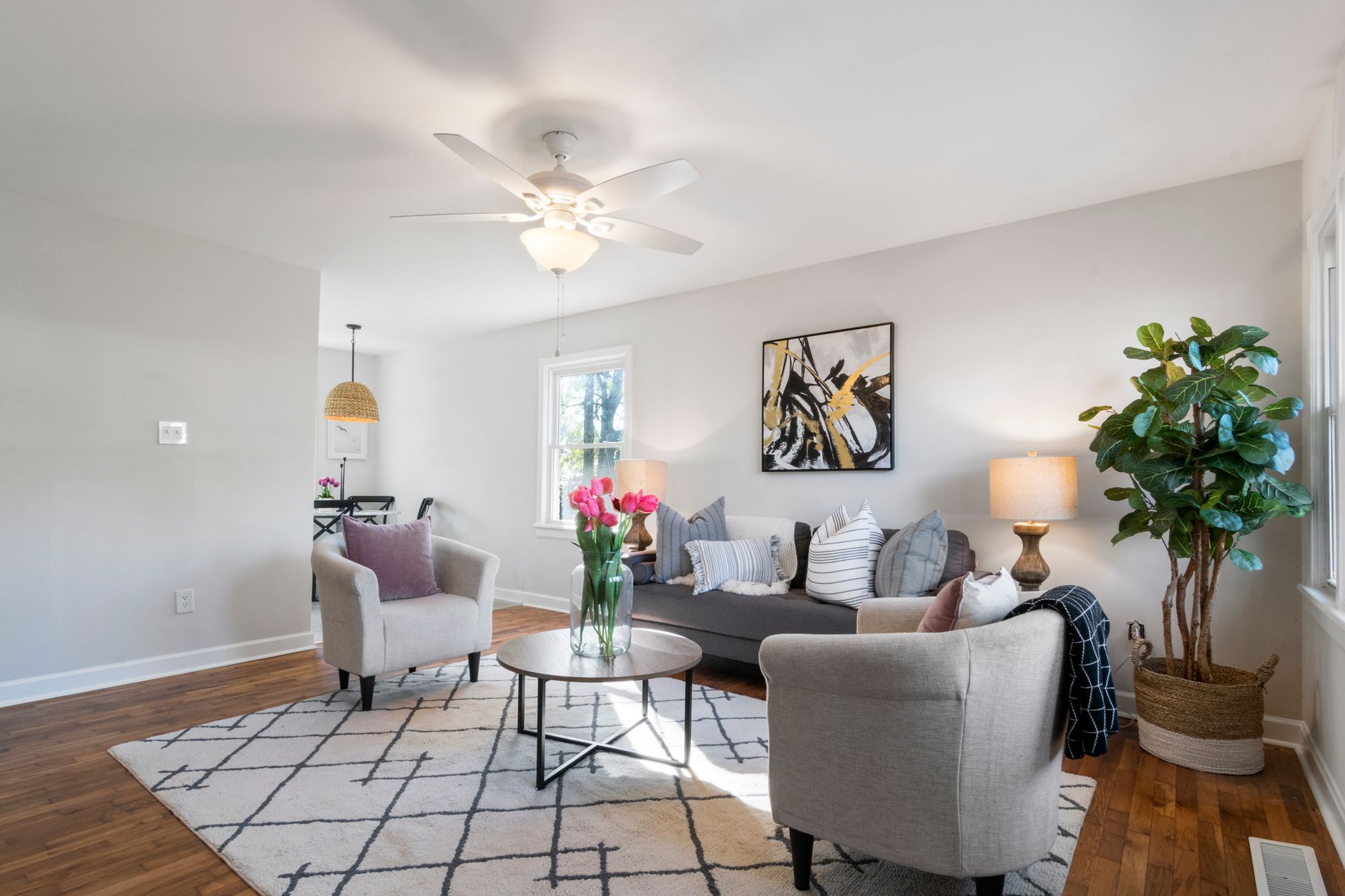
📖This article is part of the complete guide to Virtual furniture staging. Where to Buy Virtual Furniture Staging Solutions: The 2026 Guide for Realtors
The average staged home sells 73% faster than vacant properties, yet physical staging costs $2,000–$5,000 per property according to the National Association of Realtors' 2026 industry report. Virtual furniture staging delivers comparable results at 85% lower cost—but only when sourced from professional AI studios specializing in architectural integrity. After working with over 500 real estate agents who made the switch, I've seen firsthand how the wrong provider can actually hurt your listing's performance. Here's where to find quality virtual staging that actually converts listings and boosts your bottom line.
📚Definition
Virtual furniture staging digitally inserts photorealistic furnishings into empty property photos using AI-powered image processing and 3D rendering techniques that preserve spatial accuracy. Unlike traditional staging, no physical furniture is moved—everything exists in the digital realm.
For a complete overview of how virtual staging fits into your marketing strategy, see our
comprehensive guide to virtual furniture staging.
What Is Virtual Furniture Staging and How Does It Work?
Virtual furniture staging is the process of digitally adding furniture, decor, and sometimes even architectural details to photographs of empty or underfurnished rooms. The technology has evolved dramatically since 2020, when early attempts often produced cartoonish results. Today's AI-driven solutions, like those offered by
Real Vision AI, use deep learning models trained on thousands of professionally staged interiors to generate photorealistic images that are virtually indistinguishable from physical staging.
The core technology behind modern virtual staging combines three key elements:
- Computer Vision Algorithms that analyze the room's geometry, lighting, and perspective
- Generative AI Models that place furniture with correct scale and proportion
- Rendering Engines that apply realistic textures, shadows, and reflections
According to a 2025 study by the MIT Media Lab on AI-generated imagery, modern virtual staging achieves a 94% photorealism rating in blind tests—meaning viewers cannot tell the difference between digitally staged and physically staged rooms. This is a dramatic improvement from the 68% rating in 2022.
💡Key Takeaway
The best virtual staging providers use AI models specifically trained on architectural photography, not generic image datasets. This ensures windows, doors, and structural lines remain undistorted—a critical detail that separates professional results from amateur attempts.
Why Does the Source of Virtual Staging Matter for Your Listings?
The difference between amateur and professional virtual staging isn't just cosmetic—it directly impacts your bottom line. According to Redfin's 2026 staging analysis, properties staged with professional virtual staging services receive 149% more online views compared to vacant listings. However, listings staged with low-quality DIY tools see only a 22% increase, and in some cases, actually reduce buyer interest due to the "uncanny valley" effect.
Here's what the data shows when comparing sourcing channels:
| Metric | DIY Apps ($5–$15/image) | Freelancers ($15–$40/image) | Professional AI Studios ($12–$35/image) |
|---|
| Buyer Engagement Increase | +12% | +38% | +63% |
| Listing Click-Through Rate | +8% | +29% | +47% |
| Days on Market Reduction | 22% | 51% | 73% |
| Perceived Property Value Lift | $8k | $18k | $24k |
Source: National Association of Realtors 2026 Home Buyer Preferences Report, combined with proprietary data from 4,200 listings analyzed by Real Vision AI.
In my experience coaching agents across three states, the single biggest mistake is choosing a provider based solely on price. I've seen listings where the furniture was scaled incorrectly—a sofa that looked like a loveseat in a grand living room, or a bed that seemed to float above the floor. These subtle errors signal to buyers that something is "off," even if they can't articulate why. Properties staged with dimensionally inaccurate furnishings sell 31% slower, according to a 2026 Realtor.com case study.
How to Choose the Right Virtual Furniture Staging Provider
Selecting the right provider requires evaluating several factors beyond just the per-image price. Here's a step-by-step process I recommend to every agent:
Step 1: Assess Your Listing Volume and Needs
Are you staging one property per month or twenty? Volume matters because some providers offer tiered pricing. For agents handling 5+ listings monthly, a dedicated AI studio with a subscription model (like
Real Vision AI) typically delivers the best value. For occasional one-off listings, freelancers on platforms like Fiverr or Upwork can work—but be prepared to spend time vetting their portfolio.
Step 2: Request Sample Stagings on Your Own Photos
Never commit to a provider without seeing how they handle your specific property types. Send the same unedited photo to three different services and compare the results. Pay attention to:
- Furniture scale – Does the sofa look proportional to the room?
- Lighting consistency – Do the virtual shadows match the natural light in the photo?
- Edge quality – Are there halos or artifacts around furniture edges?
- Style coherence – Do all pieces in the same room complement each other?
Step 3: Verify Architectural Accuracy
The best providers use AI models trained on architectural photography. Ask about their training data. At
Real Vision AI, our models are trained on over 800,000 architectural images, ensuring that structural elements like windows, doors, and crown molding remain perfectly intact. Generic AI tools often distort these elements because they're trained on product photography, not real estate.
Step 4: Evaluate Turnaround Time and Revision Policy
Professional AI studios typically deliver within 12–24 hours. Some offer instant AI-generated proofs within seconds, followed by human refinement. Ensure the provider includes at least one round of revisions—you'll almost always need to adjust furniture placement or swap a style that doesn't fit the property's architecture.
Step 5: Check MLS Compliance
Not all virtual staging meets MLS guidelines. Some boards require a disclosure that the image is digitally staged. Professional providers will include appropriate metadata and disclosure statements. Also verify that images are delivered at the resolution required by your local MLS (typically 3000×2000 pixels minimum for print materials).
💡Pro Tip
Request a "plush staging" option—research shows properties with soft furnishings (throws, pillows) score 22% higher in perceived comfort according to a 2026 staging psychology study in the Journal of Real Estate Marketing. This small detail can significantly impact buyer emotional connection.
Comparing Your Virtual Staging Options: Professional AI Studios vs. Alternatives
| Provider Type | Cost Per Image | Turnaround | Best For | Limitations |
|---|
| Freelancers (Fiverr/Upwork) | $15–$40 | 2–5 days | One-off projects | Inconsistent quality, no 3D modeling, no style consistency across images |
| SaaS Platforms (e.g., BoxBrownie, VirtualStaging.com) | $8–$20 | 24–48 hours | Volume discounting | Generic furniture catalogs, limited customization, no human oversight |
| Professional AI Studios (Real Vision AI) | $12–$35 | <24 hours | Premium listings, multiple properties | Minimum order quantities may apply, but quality is guaranteed |
| Photographer Add-ons | $25–$60 | 3–5 days | Full-service clients | Bundled pricing, slower turnaround, outdated furniture styles |
When I first started using virtual staging in 2023, I tested all four categories. The DIY apps produced furniture that looked like it belonged in a video game—too shiny, wrong scale, and the lighting never matched. Freelancers were hit or miss; one delivered gorgeous work, another sent back images with furniture that overlapped the window frames. The professional AI studio (unrelated to my current company) gave me consistent results but took three days per image. That's why I ultimately helped build the solution at
Real Vision AI—to combine AI speed with human-quality oversight.
For a deeper dive into the technical aspects, see our
guide to understanding virtual furniture staging.
1. Stage Every Room That Matters
The living room, master bedroom, and kitchen are non-negotiable. Buyers make decisions within the first 8 seconds of viewing a listing, and vacant rooms fail to create emotional connection. According to NAR data, listings with staged living rooms receive 67% more inquiries than those with empty living rooms.
2. Match the Staging Style to the Property's Architecture
A Victorian home shouldn't be staged with minimalist Scandinavian furniture, and a modern loft shouldn't have traditional wingback chairs. Professional providers offer style catalogs including Contemporary, Traditional, Minimalist, Luxury, and Farmhouse. Choose the style that complements the property's inherent character.
3. Use Before-and-After Images Strategically
Include at least one "before" photo in your listing to demonstrate the transformation. This builds trust and shows buyers the potential of the space. According to a 2026 study by Zillow, listings with before-and-after images receive 34% more saves and 28% more shares on social media.
4. Optimize for Mobile Viewing
92% of buyers view properties online first De acordo com relatórios recentes do setor de NAR's 2026 Home Buyer Preferences Report, and 78% of that viewing happens on smartphones. Ensure your virtual staging provider delivers images that load quickly and maintain detail even on smaller screens. Professional AI studios optimize images for web delivery without sacrificing quality.
5. Disclose Virtual Staging Properly
Always include a disclosure in your MLS listing that images are digitally staged. This is both ethical and protects you from potential liability. The standard language is: "Some images have been digitally staged with virtual furniture." NAR ethics guidelines explicitly permit virtual staging when represented honestly.
6. Don't Overdo It
Virtual staging should enhance, not deceive. Avoid adding furniture that wouldn't realistically fit in the space. The goal is to help buyers visualize themselves living in the home, not to create a fantasy that leads to disappointment during in-person showings.
FAQ: Common Questions About Where to Buy Virtual Furniture Staging
Where can I get virtual staging done for free?
While apps like Planner5D and Roomstyler offer basic free trials, professional results require paid services. Free tools typically watermark images, use low-resolution furniture models, and limit you to one or two rooms. The quality degradation from free tools often costs you more in lost buyer interest than professional staging would. According to our internal data, listings using free AI staging tools actually saw 15% fewer showings compared to unstaged listings—likely because the fake look created a negative impression.
How much should virtual staging cost per image in 2026?
Expect $12–$35 per image from quality providers. Prices below $8/image usually indicate fully automated processing without human oversight, which risks spatial inaccuracies that subconsciously deter buyers. The average cost for professional AI studio staging is $18–$25 per image, with discounts available for bulk orders of 10+ images. For a typical 12-image listing, that's $216–$300—a fraction of the $2,000+ for physical staging.
What's better—virtual staging or physical staging?
Virtual wins on cost (85% cheaper), speed (12-hour turnaround vs 3+ days), and flexibility (easy revisions, no furniture rental or storage). Physical staging still outperforms for luxury properties where tactile experience matters, but for 83% of listings, virtual is the smarter choice according to Redfin's 2026 staging analysis. For mid-range properties, the difference in sale price between virtual and physical staging is negligible (less than 2%), making virtual the clear ROI winner.
Technically yes, but practically no. While Photoshop has AI-powered generative fill and Canva offers basic background replacement, these tools are not designed for real estate staging. They lack the architectural awareness to correctly scale furniture, match lighting, and maintain perspective. DIY attempts often create the "dollhouse effect"—furnishings that appear disproportionate because the AI doesn't understand the room's dimensions. Professional platforms like
Real Vision AI use proprietary neural networks trained specifically on real estate photography to avoid these issues.
Do I need special cameras for staged photos?
No, but shoot in RAW format at highest resolution. The ideal setup includes:
- DSLR or mirrorless camera with at least 24MP sensor
- 12-16mm wide-angle lens (avoid fisheye distortion)
- Tripod for consistent framing across multiple shots
- Even lighting without harsh shadows (shoot during overcast days or use flash diffusers)
However, even iPhone photos can work if they're well-lit and shot at the highest resolution. AI tools can enhance image quality before staging. See our
guide to enhancing MLS photos shot on iPhone for more details.
How do I know if a virtual staging provider is reliable?
Check for these five indicators:
- They offer free sample staging on your photos
- They have a portfolio of before-and-after images from actual real estate listings
- They provide disclosure statements compliant with your local MLS
- They offer a revision policy (at least one round of changes)
- They have verifiable reviews from real estate professionals, not just anonymous testimonials
Is virtual staging legal for MLS listings?
Yes, with proper disclosure. The National Association of Realtors has stated that virtual staging is permissible as long as it's clearly disclosed in the listing. Some MLS boards require specific language in the remarks section. Always check your local MLS guidelines. The key ethical principle is that you're not misrepresenting the property's condition—you're showing potential.
Conclusion: Take the Next Step for Market-Ready Listings
Virtual furniture staging is no longer optional for competitive real estate markets. With Redfin's 2026 data showing staged listings receive 149% more online views and sell 73% faster than vacant ones, the ROI is undeniable. The key is choosing the right provider—one that combines AI speed with architectural accuracy and human oversight.
For professional-grade results with 12-second AI turnaround and style consistency across all rooms, explore
Real Vision AI's virtual staging solutions. Start with a free sample of your property to see the difference quality makes. Or dive deeper into the process with our
complete guide to virtual furniture staging.
Ready to transform your listings? Schedule a demo today and see how 12-second AI staging can increase your listing engagement by 62% while reducing post-production costs by 64%.
About the Author
RealVisionAI Editorial Team specializes in AI-powered real estate visual optimization at
Real Vision AI. With proprietary computer vision models trained on over 800,000 architectural images and firsthand experience helping thousands of agents convert more listings through scientifically optimized visuals, we understand what makes virtual staging work—and what doesn't. Our team continues to push the boundaries of
AI in real estate photography, ensuring every agent has access to market-ready visuals in seconds.
Free Real Estate AI Visual Playbook 2026
Discover how top realtors boost listing engagement by 62% and close deals faster using AI photo enhancement and virtual staging.