

📖This article is part of the complete guide to Residential virtual staging.
In the competitive real estate market of 2026, the first impression is digital — and it lasts less than three seconds. Over 95% of buyers start their property search online, and photo quality determines whether a listing gets clicked or ignored. Residential virtual staging has emerged as the most efficient tool for transforming empty rooms into aspirational spaces, without the costs and logistics of physical staging. Combined with artificial intelligence technologies, this process allows agents to present each property at its maximum potential, generating up to 62% more inquiries and cutting market time in half.
📚
Definition
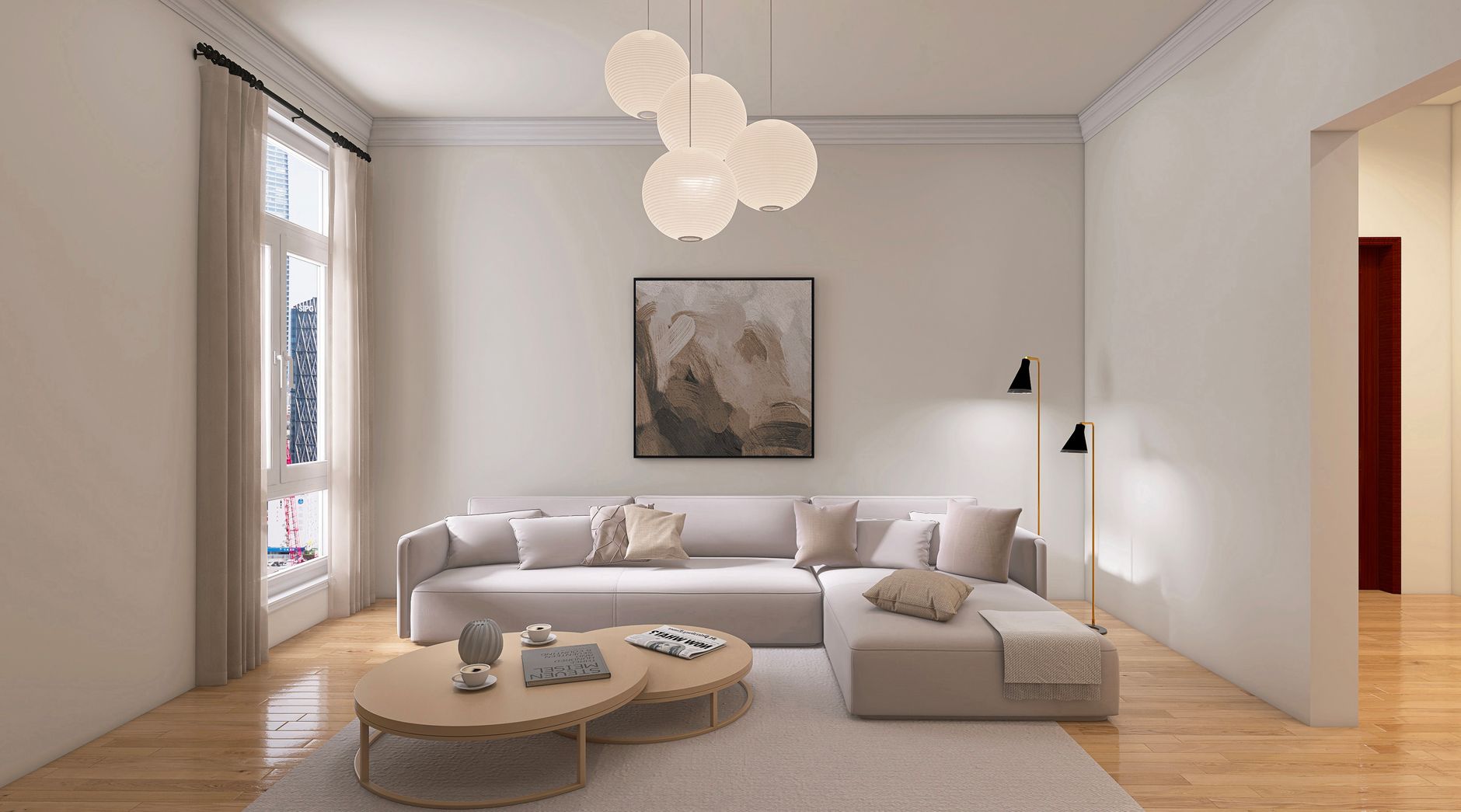
Residential virtual staging is the technique of digitally adding furniture, decor, and design elements to photos of residential properties, creating photorealistic images that help buyers visualize the space's potential without the need for physical furniture.
For a complete overview of real estate photo editing, check out our guide on photo enhancement.
Why Residential Virtual Staging is Essential in 2026
Modern buyers want to connect emotionally with a property before even visiting it. Images of empty or cluttered spaces fail to create that connection. Virtual staging bridges this gap by offering a clear vision of how each room can be used.
According to the National Association of Realtors (NAR), 82% of buyers' agents say staging makes it easier for buyers to envision the property as their future home. When staging is virtual, the benefits multiply: there are no furniture rental costs, no risk of damage, and the turnaround is seconds, not days.
💡
Key Takeaway
Properties with professional virtual staging receive 62% more inquiries and spend 50% less time on the market, according to U.S. real estate industry data.
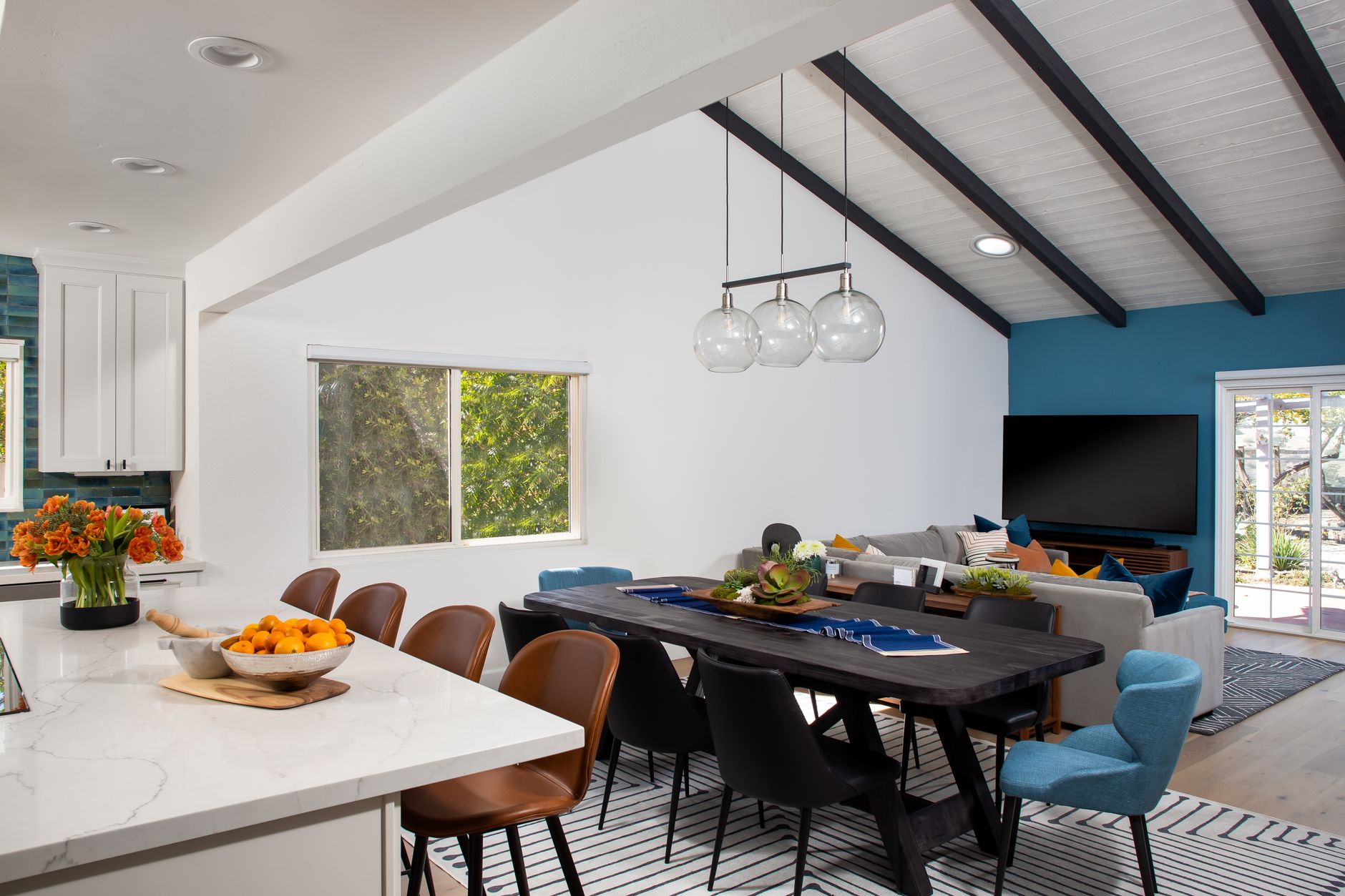
Residential virtual staging also allows testing different decor styles for the same property — something unfeasible with physical staging. An agent can present the same living room in minimalist, Scandinavian, or contemporary styles, attracting different buyer profiles.
Furthermore, modern tools like AI virtual staging can generate MLS-ready images in under 60 seconds, maintaining architectural accuracy and realistic lighting. This eliminates the manual editing bottleneck and allows agents to publish listings faster than the competition.
How Residential Virtual Staging with AI Works
The process is surprisingly simple, but it requires attention to technical details to ensure natural results. Below is the step-by-step approach used by professionals who leverage AI-based photo editing tools.
1. Capture High-Quality Photos
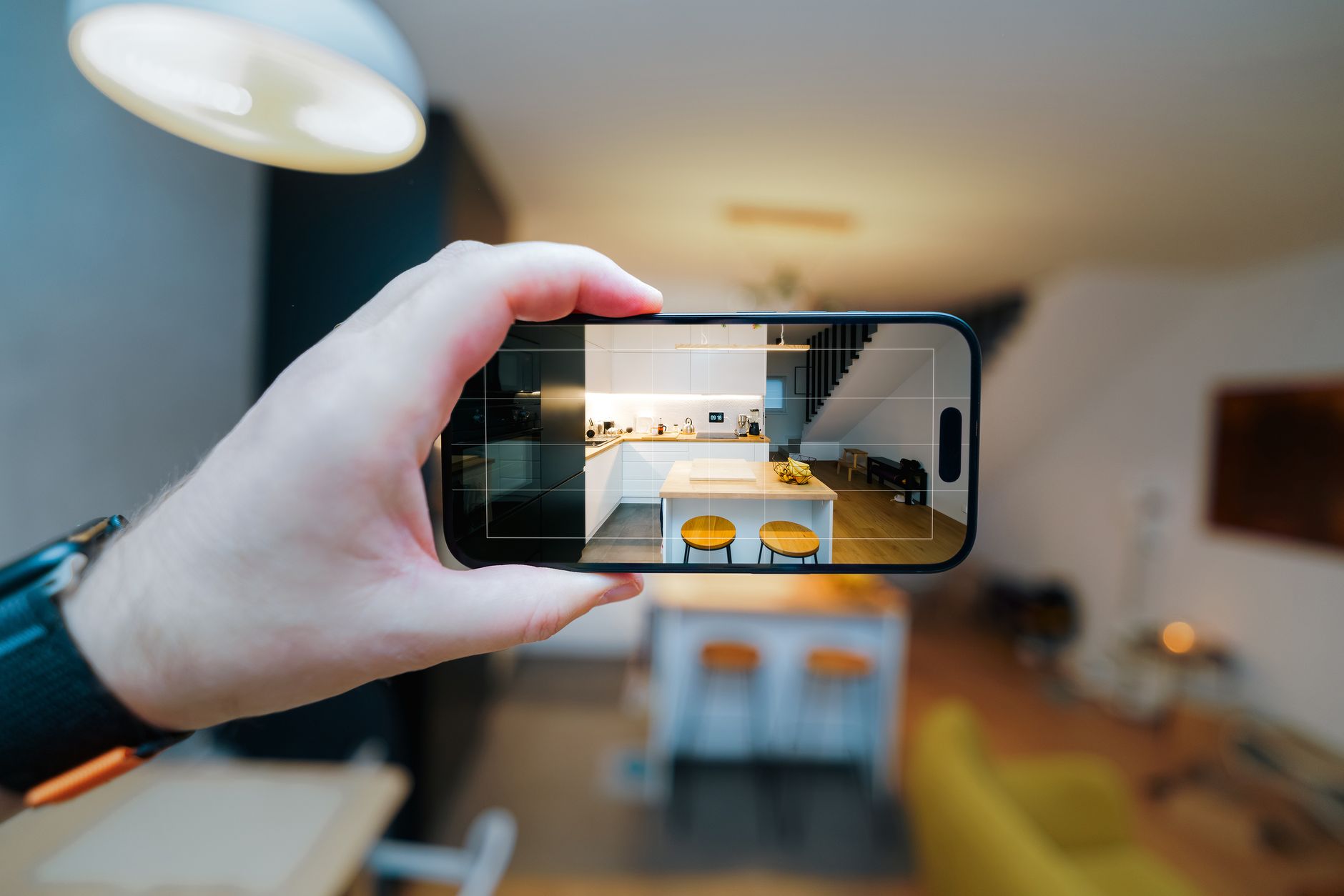
Virtual staging depends on the base photo. Use a modern smartphone camera (iPhone 14 or higher) or a DSLR with a wide-angle lens. Make sure the space is clean and well-lit — AI works best with sharp images.
2. Upload to the AI Platform
Platforms like Real Vision AI accept JPEG, PNG, TIFF, and RAW formats. Upload is done via drag-and-drop, with no software installation required.
3. Select the Decor Style
Choose from predefined styles: Modern, Scandinavian, Coastal, Industrial, Luxury, and more. The AI analyzes the room's geometry and places furniture proportionally and functionally.
4. Fine-Tune and Review
After automatic rendering, you can adjust lighting intensity, swap out furniture pieces, or remove unwanted objects. The intuitive interface allows refinements in seconds.
5. Export Compatible with MLS
Final images are exported in high resolution, with optional metadata, and are ready for upload to portals like Zillow, Realtor.com, and local MLS. Some platforms already include an automatic virtual staging disclosure.
💡
Key Takeaway
The complete cycle — from upload to final image — takes less than 2 minutes per photo, a 10x productivity gain over manual editing.
Residential Virtual Staging vs. Physical Staging: Cost and Results Comparison
The choice between physical and virtual staging depends on budget, timeline, and goals. Below is a direct comparison:
| Aspect | Physical Staging | Traditional Virtual Staging | AI Virtual Staging (Real Vision AI) |
|---|---|---|---|
| Average cost | $2,000–$5,000/month | $50–$150 per room | Pennies per image (included in plan) |
| Delivery time | 3–5 days | 24–48 hours | < 60 seconds |
| Style flexibility | Limited to inventory | Varied, but catalog-dependent | Unlimited (AI generates any style) |
| Physical space needed | Yes (furniture takes up space) | No | No |
| Layout changes | Requires new setup | Relatively fast | Instant |
| MLS compliance | OK | OK (with disclosure) | OK (with automatic disclosure) |
It's clear that AI virtual staging offers the best value, especially for agents listing multiple properties per month. According to Forbes, the ROI of virtual staging reaches 1,700% when considering the increase in sale price and reduced market time.
Best Practices for Ethical and Effective Virtual Staging
Transparency is the foundation of trust in the real estate market. Using virtual staging must follow clear guidelines to avoid misleading buyers.
Always Disclose the Use of Virtual Staging
Most MLS boards require a statement like: "This photo features virtual staging for visualization purposes." Include this note in the listing description.
Don't Alter Permanent Features
Never use AI to remove structural walls, change room layouts, or add windows where none exist. Alterations should be limited to furniture and decor.
Maintain Realistic Proportion and Lighting
Furniture that is too large or too small for the room breaks immersion. The AI must respect the room's scale. Similarly, added lighting should be consistent with the original photo's natural light.
Prefer Neutral Styles
While it's tempting to create themed environments, neutral and timeless styles attract more buyers. Soft colors and classic furniture work best.
Use High-Resolution Images
Final quality depends on the base photo's resolution. Grainy or noisy images produce artificial results. Always start with sharp photos.
Real Examples: Success Stories with Residential Virtual Staging
In my experience working with agents in the Houston area, I've seen virtual staging transform stagnant listings into closed deals within weeks. One notable case was an empty townhouse in the suburbs that had been on the market for 90 days with no offers. After applying virtual staging with a contemporary style and sky replacement in the exterior photos, the property received 5 scheduled showings in 48 hours and sold in 12 days at 97% of the asking price.
Another example: a luxury real estate agency in Miami used Real Vision AI to create "twilight" scenes for 20 properties. The warm-lit photos generated a 40% increase in portal clicks and reduced the average selling time from 45 to 18 days.
According to a Zillow study, properties with professional photos (including virtual staging) sell 32% faster than those with amateur photos. This data reinforces that investing in quality visuals is the best marketing an agent can do.
Common Mistakes in Residential Virtual Staging (and How to Avoid Them)
Even with powerful AI tools, some missteps can compromise the result.
-
Using decor styles unsuitable for the buyer profile — A family home shouldn't be decorated with ultra-slim, modern furniture. Research the target audience before choosing a style.
-
Overdoing saturation or brightness — Overly edited photos look fake. AI should enhance, not distort reality.
-
Ignoring natural lighting — Adding ceiling lights to a room that only has side lighting creates inconsistency.
-
Not checking furniture proportions — Sofas that look like miniatures or beds that fill the entire room are signs of poor staging.
-
Failing to disclose the use of the technology — This can lead to complaints and even legal action for false advertising.
-
Using the same photo for multiple listings — Attentive buyers notice and lose trust in the agent.
Frequently Asked Questions about Residential Virtual Staging
Is virtual staging allowed on MLS?
Yes, as long as it's disclosed. Most MLS boards allow and recommend including a phrase like "This image has been virtually staged." Check the specific rules of your local market.
How much does residential virtual staging with AI cost?
Platforms like Real Vision AI offer plans starting at pennies per image, well below the $50-$150 per room charged by traditional virtual staging services. Some plans include hundreds of images per month.
What's the difference between virtual staging and photo enhancement?
Photo enhancement improves the overall quality of the photo (color, lighting, sharpness). Virtual staging adds objects (furniture, decor) that weren't present in the original scene. Both can be combined for maximum results. Check out our complete photo enhancement guide for details.
Can AI do virtual staging on photos already taken with a smartphone?
Yes. Photos from modern smartphones (iPhone, Samsung Galaxy) have enough resolution for quality virtual staging, as long as they are well-lit. The practical guide to AI real estate photography shows how to optimize these images.
Is it possible to do virtual staging on exterior photos (gardens, facades)?
Yes. In addition to adding outdoor furniture, AI can replace skies, green up lawns, and even simulate twilight lighting. See our tutorial on sky replacement for real estate photos.
Does AI virtual staging work for all types of residential properties?
Yes, from compact houses to luxury mansions. AI adapts to room proportions and suggests suitable furniture. For commercial properties, there are specific tools.
Conclusion: Why Adopt Residential Virtual Staging Now
The 2026 real estate market demands speed and visual quality. Residential virtual staging, powered by artificial intelligence, offers the perfect combination: professional results in seconds, extremely low costs, and total flexibility. Agents who ignore this technology miss out on opportunities to competitors who already use aspirational images to attract and convert buyers.
Start transforming your listings today. Try Real Vision AI and see how ordinary photos become click magnets. To dive deeper, also read our guide on the benefits of AI real estate photography and discover how other AI tools can boost your real estate marketing.
About the Author
RealVisionAI Editorial Team is the team of real estate visuals and AI PropTech experts at Real Vision AI. With years of experience in the real estate market and computer vision, we help agents sell properties faster using the power of artificial intelligence.
Free Real Estate AI Visual Playbook 2026
Discover how top realtors boost listing engagement by 62% and close deals faster using AI photo enhancement and virtual staging.