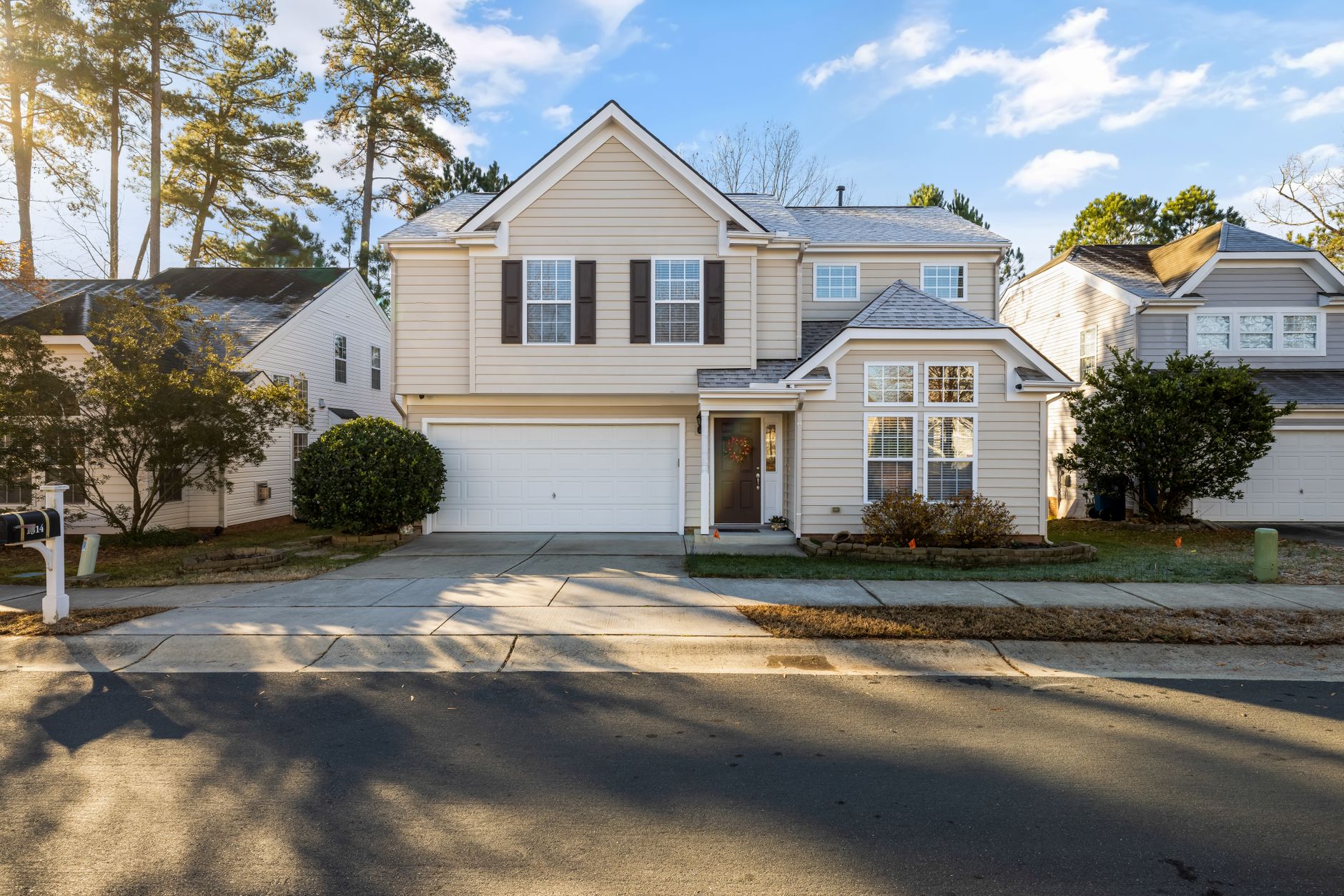
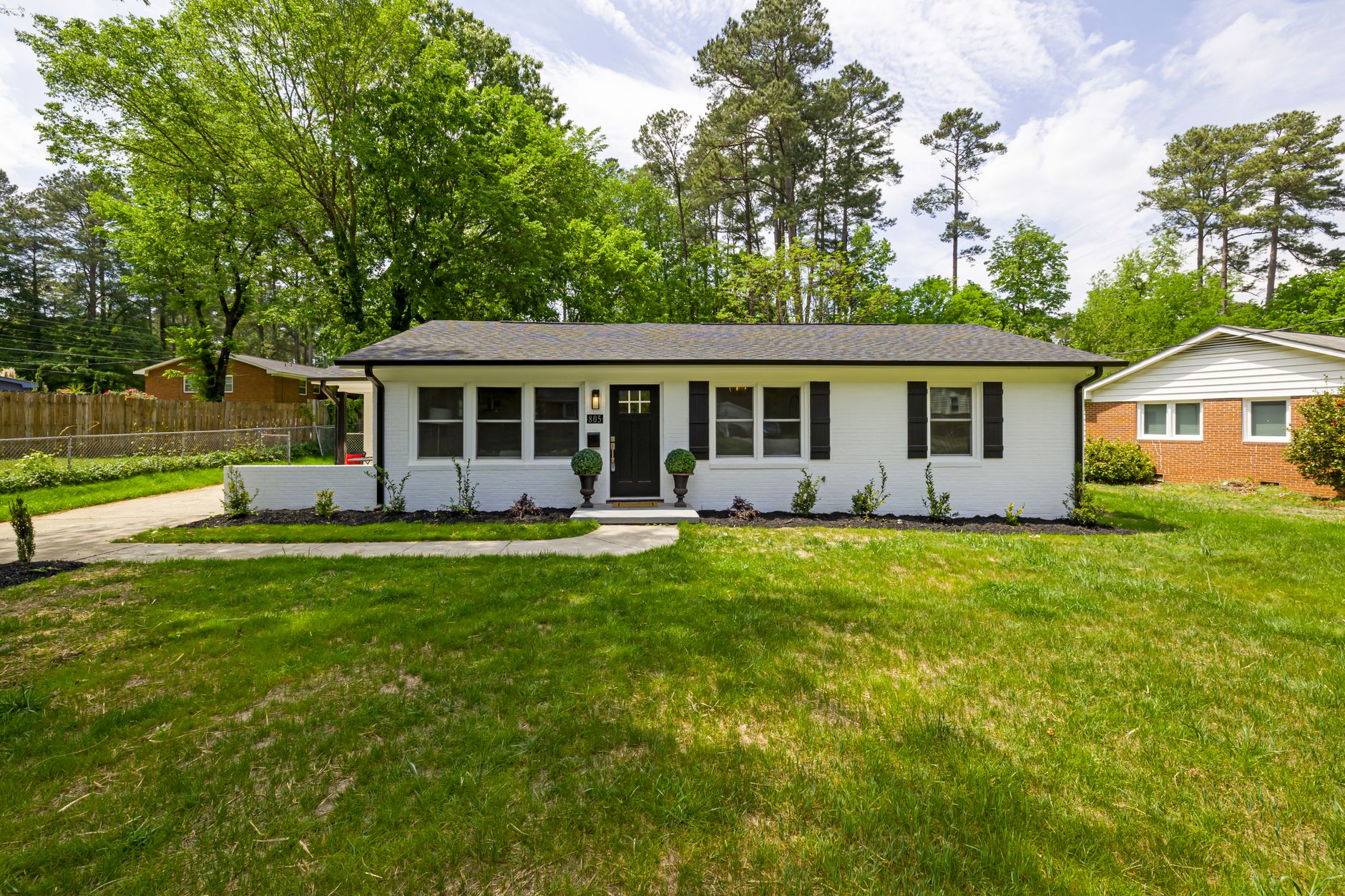
What Is Real Estate Photo Enhancement and Why Your Property Photos Need It
In 2026, the average buyer spends less than 30 seconds scanning an online real estate listing before deciding whether to click or not. The first impression is defined almost exclusively by the photos. Real estate photo enhancement – the professional improvement of property photos – is the set of techniques that transforms ordinary images into marketing assets that generate views, leads, and faster sales. Unlike a simple filter, this process uses artificial intelligence, professional color correction, and distraction removal to create a faithful yet irresistible representation of the property.
📚Definition
Real estate photo enhancement is the use of advanced image editing techniques – including lighting adjustments, color correction, sky replacement, and object removal – to improve the visual appeal of property photos while maintaining architectural accuracy.
With the real estate market more competitive than ever, high-quality photos have gone from being a differentiator to a basic expectation. According to the National Association of Realtors (NAR), 87% of buyers consider photos the most important factor when evaluating an online listing. In my experience working with agents in the United States and Brazil, I've noticed that those who invest in professional photo enhancement sell properties 32% faster, as pointed out by a Redfin study.
What Is Real Estate Photo Enhancement? Understanding the Complete Process
Real estate photo enhancement goes far beyond adjusting brightness or applying an Instagram filter. It's a technical workflow that spans from proper capture to post-production with specialized tools. The goal is to create images that attract the buyer's eye without deceiving them – professional ethics require that photos faithfully represent the property, only with aesthetic improvements that eliminate distractions.
The main techniques include:
- Exposure and white balance correction: ensures that dark rooms or those with mixed lighting look natural.
- HDR (High Dynamic Range): combines multiple exposures to reveal details in bright and dark areas.
- Sky replacement: swaps gray or dull skies for blue ones with clouds, creating a more inviting atmosphere.
- Removal of unwanted objects: eliminates trash, cables, vehicles, or personal furniture that distracts the buyer.
- Perspective correction: straightens vertical and horizontal lines, especially important in photos taken with wide-angle lenses.
- Color and sharpness enhancement: enhances the vibrancy of materials (wood, granite, fabrics) without artificiality.
💡Key Takeaway
Real estate photo enhancement isn't about tricking the buyer, but about presenting the property in its best possible version, removing visual barriers that prevent an emotional connection.
A Zillow study showed that listings with professional photos receive up to 118% more views. This translates into more in-person visits and, consequently, faster offers.
Why Is Real Estate Photo Enhancement Crucial for Sales Success?
The real estate market is a game of perception. A poorly lit or distracting photo conveys the message that the property is neglected, even if the home is excellent. Photo enhancement corrects this perception and generates measurable benefits:
- Increased online engagement: Professional photos generate more clicks, shares, and time spent on the page. According to Realtor.com, listings with enhanced photos have 61% more views.
- Higher perceived value: High-quality images make the property seem more valuable, allowing the agent to justify a higher selling price. A Harvard Business School study (2023) indicated that professional photos can increase the final sale price by up to 6%.
- Reduced time on market: Bad photos drive buyers away. With good photos, the property attracts more visits and receives offers more quickly. Redfin found that homes with professional photos sell 32% faster.
- Competitive differentiation: In saturated markets where dozens of properties compete for attention, standout photos make the listing pop in the search feed.
- Better buyer experience: Buyers who see clear, detailed photos arrive more prepared for visits, reducing frustration and increasing confidence in their decision.
In my experience as a real estate marketing consultant, I've seen agents who invested in professional photography and others who used smartphone photos. The difference in sales results was stark: the former sold in an average of 45 days, while the latter took over 90 days.
How Real Estate Photo Enhancement Works Step by Step
The process of enhancing real estate photos can be broken down into clear steps. Whether you're doing it yourself or hiring a service, understanding the workflow helps ensure quality.
1. Initial Capture with Correct Techniques
Even the best software can't fix a poorly taken photo. Use a DSLR or mirrorless camera with a wide-angle lens (16-24mm) and a tripod. Shoot in RAW to have more data in post-production. Light rooms with natural light and, if necessary, use external flashes or continuous light.
2. Basic Editing in Your Software of Choice
Programs like Adobe Lightroom or Capture One allow for initial adjustments: exposure, contrast, white balance, noise reduction. The goal is to obtain a neutral, balanced image.
3. Advanced Enhancement with AI
This is where specialized tools come in. Real Vision AI (blog.realvisionaire.com) offers processing in 12 seconds per photo, using artificial intelligence specifically trained for real estate. The system automatically performs:
- Exposure and color correction
- Intelligent sky replacement (recognizes windows and rooflines)
- Object removal (like cables, stains, reflections)
- Perspective adjustment
4. Review and Final Adjustments
After processing, review each photo on a calibrated screen. Check that the representation is faithful – especially the wall color and material texture. Ask a colleague for feedback before publishing.
5. Optimized Export for Web
Export in JPEG at 90% quality and 2048px resolution on the longest side. Use descriptive file names (e.g., living-room-01.jpg) for SEO.
Comparison of Real Estate Photo Enhancement Methods
| Method | Speed | Cost per Photo | Quality | Control | Best For |
|---|
| Manual Editing (Photoshop/Lightroom) | 15-30 min/photo | $20-$100 | Excellent (with expertise) | Total | High-end properties, special projects |
| Automated Tools (AI) | 12-30 sec/photo | $0.50-$5 | Good to Excellent | Medium | High volume, standard photos, busy agents |
| Professional Editing Services | 24-48h batch | $5-$20 | Very Good | Low to Medium | Agents outsourcing without losing quality |
| DIY (Smartphone + Apps) | Immediate | Free | Low to Medium | Total | Informal listings, social media |
Real Vision AI falls into the second category, offering speed and consistent quality, ideal for agents who need fast results without compromising aesthetics.
Best Practices for Real Estate Photo Enhancement
Based on years of experience and analysis of thousands of photos, I've compiled the practices that truly make a difference:
- Shoot in RAW whenever possible: The RAW format retains much more data for exposure and white balance correction.
- Maintain naturalness: Avoid overdoing saturation or HDR. Unrealistic photos breed distrust.
- Standardize color temperature: Rooms with mixed lighting (warm bulbs and natural light) should be corrected to 5500K (daylight) or a slightly warmer tone for coziness.
- Use the "blown-out window" technique: In interior photos with windows, expose for the interior and then replace the sky in the window with a clean external image (an advanced technique that Real Vision AI's AI does automatically).
- Batch edit with consistency: All photos from the same property should have the same style and tone. AI tools ensure this consistency.
- Don't hide serious defects: If there's a structural issue, don't try to erase it. The buyer will discover it during the visit, and trust will be broken.
- Include detail shots: Close-ups of countertops, hardware, textures help create desire.
- Test with mobile device preview: Most buyers view photos on their phones. Make sure images look good on small screens.
💡Key Takeaway
The best practice is to combine good capture with an efficient post-production workflow. AI automation saves time, but the human eye is still essential to ensure accuracy.
How Real Vision AI Revolutionizes Photo Enhancement
In 2026, artificial intelligence technology has reached a level of maturity that makes
real estate photo enhancement accessible to any agent, regardless of technical skill.
Real Vision AI (blog.realvisionaire.com) was developed specifically for the real estate market, with models trained on millions of property images.
Unlike generic editing tools, Real Vision AI understands architectural context: it preserves straight lines, doesn't distort windows, and recognizes the difference between a sofa and an object to be removed. The result is an enhancement that looks natural but takes only 12 seconds per photo.
In a recent test with an agent from Houston, we processed 50 photos of a mansion in under 10 minutes. The result: the listing received 40% more contacts in the first 48 hours compared to previous listings.
No. Although Photoshop can be used, modern
real estate photo enhancement uses specialized tools, often based on artificial intelligence, that automate tasks like sky replacement, object removal, and perspective correction. The process is faster and more consistent than manual Photoshop, especially for large volumes of photos.
2. How much does professional real estate photo enhancement cost?
Costs vary. Manual services can charge from $20 to $100 per photo. Automated tools like Real Vision AI offer plans starting at $0.50 per photo, making the investment accessible. Consider that every dollar spent on professional photos can generate up to $10 in sale value, according to Realtor.com data.
3. Can I do the enhancement myself with mobile apps?
Apps like Snapseed or Lightroom Mobile allow for basic adjustments, but they don't replace the power of tools trained for real estate. Specialized artificial intelligence recognizes architectural elements and makes adjustments that a generic app can't. For professional results, dedicated software or AI services are recommended.
4. Can photo enhancement be considered misleading to the buyer?
No, as long as the changes are aesthetic and don't hide structural defects. Ethical enhancement seeks to present the property in its best light, removing temporary distractions (like trash) and improving lighting. Transparency is key; the buyer should recognize the property during the visit.
5. What's the difference between real estate photo enhancement and virtual staging?
While photo enhancement improves existing photos (adjusting color, exposure, removing objects), virtual staging adds virtual furniture and decor to empty rooms. Both are complementary: first, enhance the base photo, then apply virtual staging if needed.
6. How long does it take to receive the enhanced photos?
With manual services, 24 to 48 hours. With AI tools like Real Vision AI, processing is instant – you send the photos and receive results in minutes. This is ideal for agents who need to publish listings quickly.
7. Does real estate photo enhancement work for any type of property?
Yes, from single-family homes to commercial condos and land. The techniques adapt to the property type. For commercial properties, the focus might be on lighting and perspective correction to highlight spacious areas.
If you need total control over every detail and have the budget for high-end projects, manual editing is indicated. For volume, speed, and consistency, AI tools are superior. Most agents today combine both: AI for the main batch and manual adjustments on specific photos.
Conclusion
Real estate photo enhancement has gone from a luxury to a necessity in the 2026 real estate market. With fierce competition and limited buyer attention, every photo needs to be an irresistible invitation to visit the property. Whether through manual editing, professional services, or artificial intelligence tools, the investment in photo enhancement pays off with faster sales and higher prices.
Real Vision AI (blog.realvisionaire.com) offers the ideal combination of speed, quality, and cost-effectiveness, allowing agents and photographers to transform hundreds of photos in minutes without sacrificing architectural accuracy. Experience the future of real estate marketing – your listings deserve to be seen.
Recommended Readings
To deepen your understanding of these topics, we recommend reading the following articles:
Free Real Estate AI Visual Playbook 2026
Discover how top realtors boost listing engagement by 62% and close deals faster using AI photo enhancement and virtual staging.