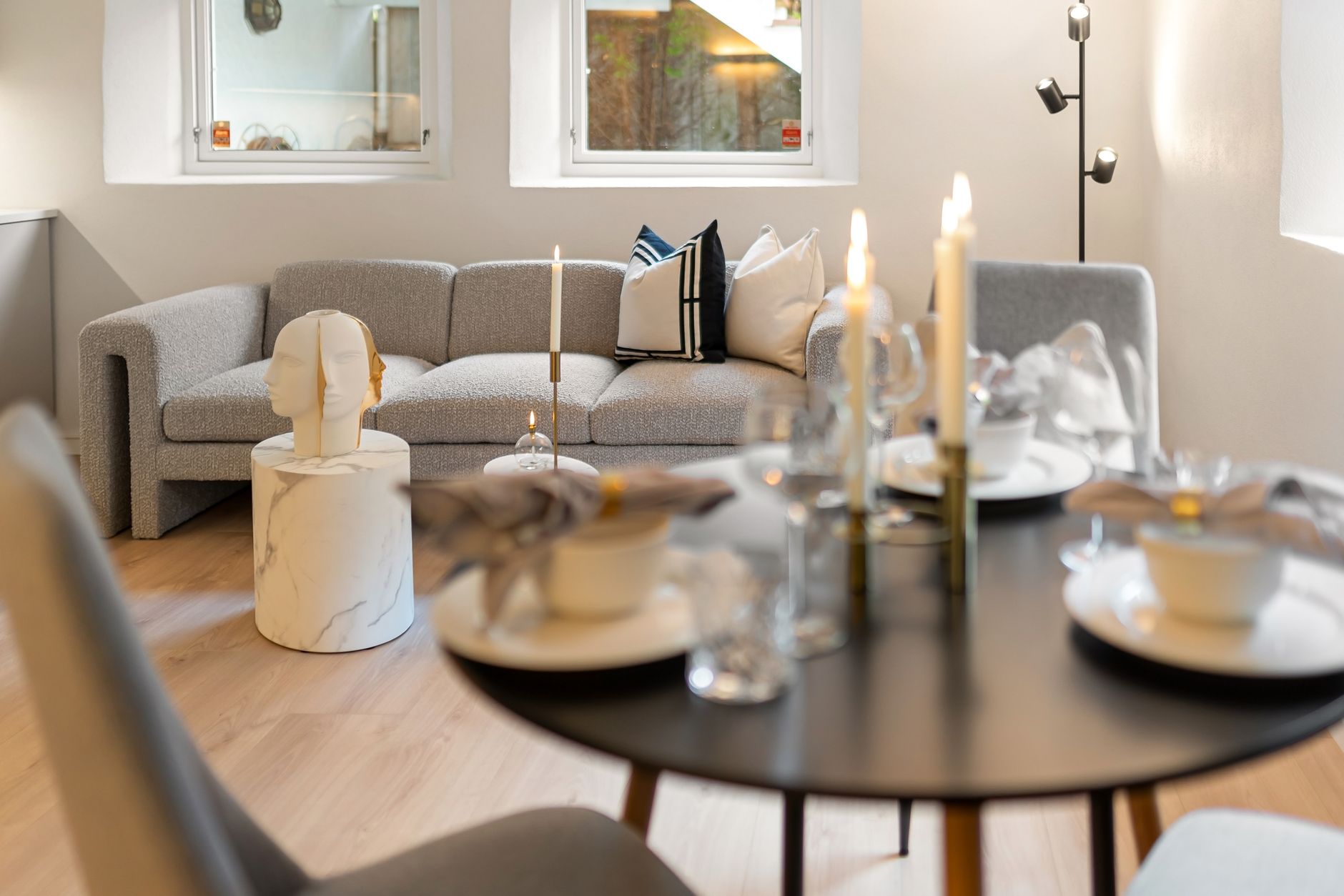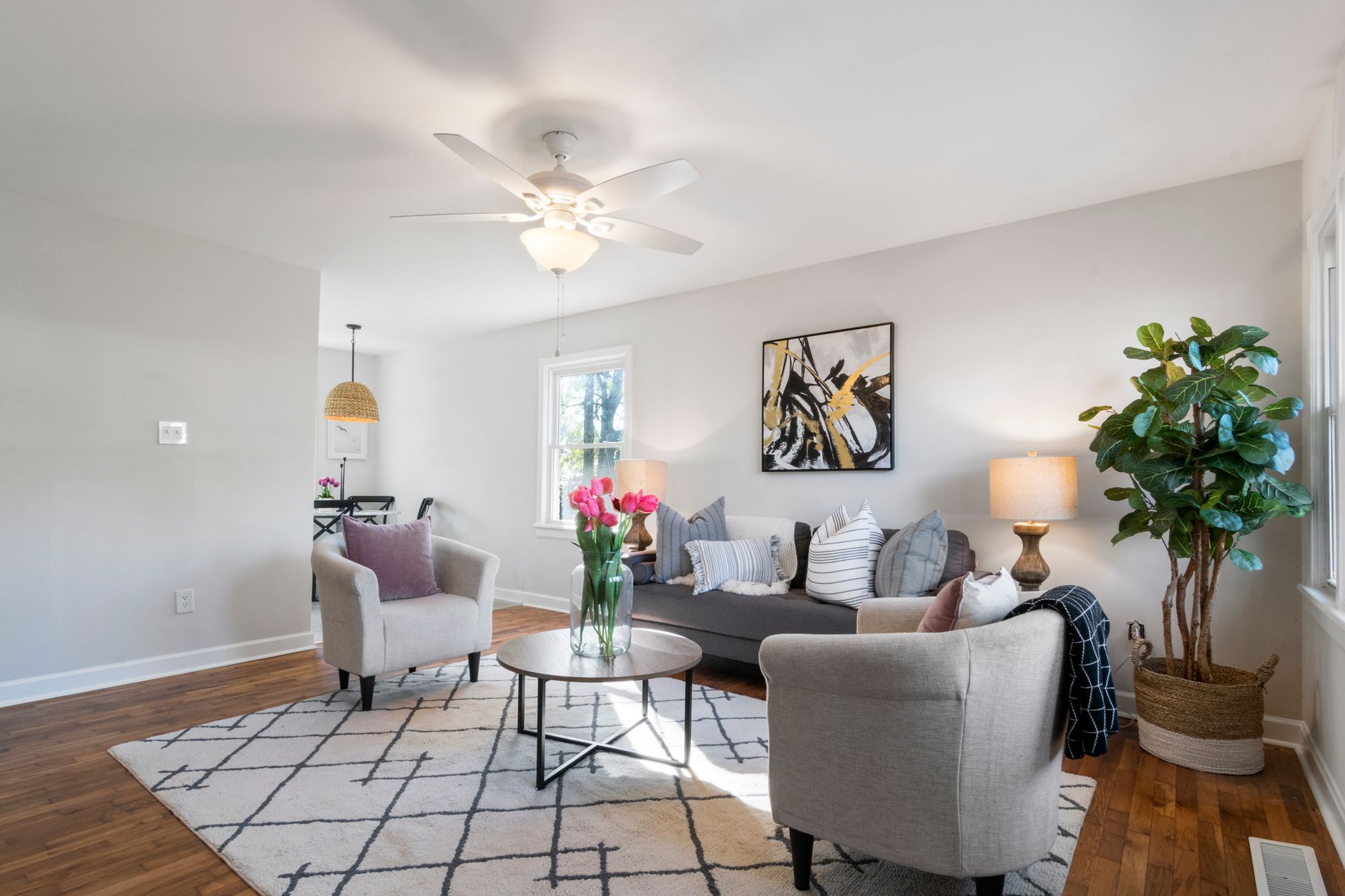


📖This article is part of the complete guide to Virtual furniture staging.
Exploring Types of Virtual Furniture Staging for Modern Spaces
In my experience working with high-volume real estate agencies, the biggest hurdle isn't usually the quality of the property, but the buyer's inability to visualize a void. An empty room doesn't feel like a home; it feels like a series of walls and floors. When we developed the processing engine at RealVisionAI Blog - AI Real Estate Photography & Virtual Staging, we discovered that a property with strategically placed digital furniture generates significantly more emotional engagement than a sterile, empty space. In 2026, the choice is no longer just "to stage or not to stage," but rather identifying which specific types of virtual furniture staging align with the property's market value and target demographic.
For a comprehensive overview of the foundational technology, explore our guide on AI staging for realtors.
What is Virtual Furniture Staging?
📚
Definition
Virtual furniture staging is the digital process of adding photorealistic furniture, lighting, and decorative elements to photographs of empty or cluttered interior spaces using computer vision and artificial intelligence.
Virtual furniture staging is more than just "Photoshopping" a sofa into a room; it is a strategic exercise in spatial psychology. By using artificial intelligence, software can now analyze the perspective, vanishing points, and lighting sources of a 2D image to place 3D assets that look naturally integrated. This process allows real estate professionals to showcase the functional potential of a room without the logistical nightmare of moving physical furniture into a vacant property.
The impact of this technology on the Multiple Listing Service (MLS) is profound. According to data from the National Association of Realtors, listings utilizing digital staging are significantly more likely to attract online attention because they bridge the "imagination gap." When a buyer sees a bedroom, they don't just see a room; they see where their king-size bed will fit and how the sunlight hits the morning reading nook. In 2026, the integration of computer vision allows these assets to be placed with millimeter precision, ensuring that the scale of the furniture remains honest and realistic, avoiding the "uncanny valley" effect common in early digital staging.

Why Does the Type of Virtual Furniture Staging Matter?
The choice of staging type is a business decision that directly affects your return on investment (ROI). Not every property requires a bespoke interior design consultation, but every luxury penthouse demands it. If you apply a generic, automated "modern" style to a rustic farmhouse, you create a cognitive dissonance that can actually repel potential buyers.
The primary reason the type of staging matters is the alignment between the visual narrative and the buyer's expectations. For instance, a first-time homebuyer looking for a starter condo responds well to "Contemporary Minimalist" or "Scandi" styles that emphasize efficiency and cleanliness. Conversely, a high-net-worth individual looking for a luxury estate expects "Transitional" or "Modern Classic" styles that signal prestige and comfort.
Furthermore, the speed of the real estate market in 2026 requires agility. A property that stays on the market for an extra two weeks due to poor visuals can cost the seller thousands in holding costs. Research from the Real Estate Staging Association indicates that professional staging can accelerate the sale process by over 80%. By selecting the correct type of staging—be it automated, custom, or hybrid—you are essentially optimizing your digital marketing funnel to convert a "browser" into a "viewer."
How Do the Different Types of Virtual Furniture Staging Compare?
Depending on your budget, volume, and quality requirements, you will likely choose one of three primary modalities. Each has a distinct impact on the final output and the cost per image.
1. Automated AI Staging
Automated staging leverages deep learning and generative AI to analyze a room and "fill" it based on a selected style template. This is the fastest method available, often producing results in under 12 seconds.
- The Process: The AI identifies the floor plane and walls, determines the room type (e.g., "Kitchen" or "Bedroom"), and populates it with a curated set of assets.
- Advantages: Extreme speed and the lowest cost point. It is ideal for agents managing 50+ listings per month.
- Disadvantages: Lack of granular control. You cannot tell the AI to "move the lamp two inches to the left" or "change this specific chair to a velvet texture."
- Best Use Case: Mid-market rentals or entry-level homes where a general "clean and furnished" look is sufficient.
2. Designer-Customized Staging
This is the "couture" version of virtual staging. It involves a human interior designer who treats the photograph as a canvas, selecting specific pieces of furniture that complement the architectural features of the room.
- The Process: A designer analyzes the room's unique characteristics (like a unique fireplace or a vaulted ceiling) and manually places high-fidelity 3D models to maximize the room's perceived square footage.
- Advantages: Unmatched realism and emotional resonance. Every piece is chosen to evoke a specific lifestyle.
- Disadvantages: Higher cost and slower turnaround times, often taking several days.
- Best Use Case: Luxury listings, historical properties, or "fixer-uppers" that need a visionary transformation to sell.
3. Hybrid Staging (The Professional Middle Ground)
Hybrid staging combines the raw speed of artificial intelligence with the critical eye of a human editor. The AI does the heavy lifting of placement, and a human expert refines the shadows, lighting, and asset choices.
- The Process: AI generates a baseline staging; a human then adjusts the "weight" of the furniture to ensure it doesn't look like it's "floating" and swaps out generic items for more stylish alternatives.
- Advantages: A balance of efficiency and quality. It eliminates the "AI-look" while remaining affordable.
- Disadvantages: Still requires a review cycle, meaning it isn't as instantaneous as pure automation.
- Best Use Case: Professional photographers who offer staging as a value-add service to their clients.
Comparative Analysis of Staging Approaches
| Feature | Automated AI Staging | Generic/Cheap AI Tools | Professional Hybrid Approach (RealVisionAI) |
|---|---|---|---|
| Turnaround Time | Seconds | Minutes | Minutes to Hours |
| Spatial Accuracy | Moderate | Low (Often distorts scale) | High (Precise perspective) |
| Design Cohesion | Template-based | Random/Cluttered | Curated & Stylized |
| Cost per Image | Very Low | Low | Competitive/Value-driven |
| Buyer Trust | Moderate | Low (Looks "fake") | Very High |
How to Implement Virtual Furniture Staging for Maximum Impact?
Implementing virtual staging is not as simple as adding a couch to a photo. To avoid the common pitfall of making a room look "fake," you must follow a technical workflow that respects the physics of light and space.
Step 1: Capture High-Quality Base Imagery
You cannot stage a blurry or dark photo. Use a wide-angle lens (but avoid extreme fisheye distortion) and ensure the room is well-lit. In my experience, the most successful virtual stagings start with photos taken during the "golden hour" or using HDR bracketing to capture a full range of tones.
Step 2: Select the Appropriate Style Palette
Before choosing a staging type, define the "Buyer Persona." If the property is in a trendy urban center, go with "Industrial Modern." If it's a suburban family home, "Transitional" is usually the safest and most effective bet.
Step 3: Execute the Staging Process
Using a tool like RealVisionAI Blog - AI Real Estate Photography & Virtual Staging, upload your empty room photos. Select the room type and the desired style. The AI will handle the perspective mapping and lighting integration.
Step 4: Quality Assurance (QA) Check
Check for three things:
- Scale: Does the sofa look too big for the wall?
- Shadows: Are the shadows falling in the same direction as the natural light from the windows?
- Flow: Is there a clear walking path through the room, or does the furniture block the "flow" of the space?
Step 5: A/B Testing with "Before and After" Visuals
One of the most powerful digital marketing tactics in 2026 is the "Before and After" slider. By showing the empty room and the staged room side-by-side, you prove to the buyer that the staging is a representation of potential, not a deceptive alteration.

Best Practices for Choosing the Right Staging Style
To maximize the effectiveness of your virtual furniture staging, you must move beyond generic labels. "Modern" is too broad. To truly convert leads, you need to apply specific design psychology.
- The Power of Neutrality: When in doubt, stick to a neutral palette (whites, greys, beiges). This allows the buyer to project their own belongings into the space without feeling that the current "digital" decor clashes with their taste.
- Focus on High-Traffic Areas: You don't need to stage every closet or hallway. Focus your budget on the "Money Rooms": the living room, the primary bedroom, and the kitchen. These are the areas that trigger the emotional decision to visit a property.
- Avoid "Over-Staging": One of the biggest mistakes I see is filling every square inch of a room. This makes the property feel smaller. Leave "white space" to emphasize the openness and airiness of the architecture.
- Align with Local Trends: If you are selling in a region known for mid-century modern architecture, don't use a "Ultra-Modern" glass-and-steel furniture set. Align the digital furniture with the physical soul of the neighborhood.
💡
Key Takeaway
The goal of virtual staging is not to decorate a room, but to communicate the utility and lifestyle of a space.
For those looking to optimize the entire visual pipeline, we recommend integrating these styles with our AI Real Estate Photography techniques to ensure the lighting matches perfectly across all images.
Common Mistakes to Avoid in Virtual Furniture Staging
Even with the best tools, a few tactical errors can make a listing look unprofessional. Here are the most frequent mistakes I've encountered while analyzing thousands of listings:
1. The Scale Disconnect
Nothing kills a sale faster than a "giant" sofa in a small room. When the AI or designer ignores the actual dimensions of the room, the buyer subconsciously perceives the space as smaller than it is. Always ensure the furniture used is proportional to the real-world square footage.
2. Ignoring the Lighting Source
If the window is on the left, the highlights on the furniture must be on the left, and the shadows must fall to the right. Inconsistent lighting is a "red flag" to the human brain, signaling that the image is fake and untrustworthy. Professional tools like RealVisionAI Blog - AI Real Estate Photography & Virtual Staging automate this by analyzing the image's light map.
3. Using Outdated Furniture Styles
Furniture trends move fast. Using a "beige-on-beige" 2010s style in a 2026 listing makes the property feel dated, even if it's a brand-new construction. Keep your style libraries updated with current design trends.
4. Over-Reliance on Automation for Luxury
Using basic automated staging for a $5 million estate is a mistake. High-end buyers are detail-oriented. They will notice the lack of a curated feel. For luxury assets, always pivot toward designer-customized or high-end hybrid staging.
5. Failing to Disclose Virtual Staging
While it's a marketing tool, transparency is key. A small watermark or a caption stating "Virtually Staged" prevents buyer frustration during the physical walkthrough and maintains the agent's integrity.
Frequently Asked Questions
What is the average cost of virtual furniture staging in 2026?
The cost varies significantly by the type of staging selected. Automated AI solutions are the most affordable, often costing between $5 and $15 per image, making them ideal for high-volume portfolios. Hybrid solutions generally fall in the $20 to $40 range, offering a blend of speed and human refinement. High-end, designer-customized staging is priced as a premium service, often ranging from $50 to $150 per image, depending on the complexity of the room and the level of detail required.
How long does it take to get the final staged photos?
Turnaround time is dictated by the method used. Purely automated AI staging is nearly instantaneous, with most platforms delivering results in under 12 seconds. Hybrid staging typically takes a few hours to a business day, as it requires a human editor to review and tweak the AI output. Full custom designer staging is a slower process, often taking 2 to 5 business days, as it involves a manual curation of assets and meticulous lighting adjustments to ensure total realism.
Does virtual staging replace the need for physical staging?
In the vast majority of cases, yes. Physical staging is incredibly expensive, involving the rental of furniture, hiring movers, and the risk of damage to the property. Virtual staging provides the same psychological "hook"—allowing the buyer to visualize the space—at a fraction of the cost and effort. However, for extremely high-end "show homes" or luxury open-house events, physical staging may still be used to create a tactile experience, but virtual staging remains the primary tool for online lead generation.
Can virtual staging be used for cluttered rooms, or only empty ones?
Virtual staging can be used for both. For empty rooms, we add furniture (Virtual Staging). For cluttered or poorly furnished rooms, we perform "Virtual Decluttering" first. This process involves using AI to remove existing furniture or trash from the photo, creating a clean, empty canvas, and then adding modern, stylish furniture on top. This is particularly effective for properties that are currently occupied by owners with outdated tastes.
How does virtual staging differ from 3D rendering?
The fundamental difference is the starting point. Virtual staging starts with a real photograph of an existing space and adds digital elements to it. 3D rendering, on the other hand, starts from a blueprint or CAD file and builds the entire room from scratch digitally. You use virtual staging to sell a property that exists but is empty; you use 3D rendering to sell a property that hasn't been built yet, such as a pre-construction condo.
Recommended Readings
To deepen your understanding of these topics, we recommend reading the following articles:
- Qual o Melhor Virtual Furniture Staging
- Virtual Furniture Staging Pricing Guide
- Virtual Furniture Staging Guide | RealVisionAI Blog
- Is Virtual Furniture Staging Worth It?
Conclusion
Choosing the right type of virtual furniture staging is not merely a technical choice, but a strategic marketing decision. Whether you opt for the lightning-fast efficiency of automated AI, the balanced precision of hybrid staging, or the bespoke artistry of a custom designer, the objective remains the same: to transform a vacant space into a desirable home. In the competitive real estate landscape of 2026, the ability to evoke emotion through high-quality visuals is the primary driver of click-through rates and showing requests.
By aligning your staging style with your target buyer's persona and maintaining a strict adherence to scale and lighting, you can significantly reduce the days a property spends on the market. Don't let your listings blend into the noise of the MLS. Transform your empty rooms into market-ready assets that command attention and higher offers.
If you are ready to elevate your property visuals and capture more leads, RealVisionAI Blog - AI Real Estate Photography & Virtual Staging provides the professional-grade tools you need to achieve stunning, photorealistic results in seconds.
Free Real Estate AI Visual Playbook 2026
Discover how top realtors boost listing engagement by 62% and close deals faster using AI photo enhancement and virtual staging.