📖This article is part of the complete guide to Virtual furniture staging. Investment in Virtual Furniture Staging: How Much Will It Cost Your Company in 2026?
Virtual furniture staging is no longer a luxury—it has become an essential tool in the modern real estate market. In 2026, with fierce competition and the demand for listings that generate immediate engagement, investing in virtual furniture staging isn't just an option—it's a competitive advantage. But the question every realtor and developer asks is: how much does this technology actually cost?
On average, virtual furniture staging services range from
$50 to $200 per room, depending on the level of detail, number of furnishings, and complexity of finishes. For companies looking for complete, integrated solutions like those offered by
Real Vision AI, the investment can range from
$2,000 to $5,000 for customized packages that include staging, photo editing, and 12-second video creation.
📚Definition
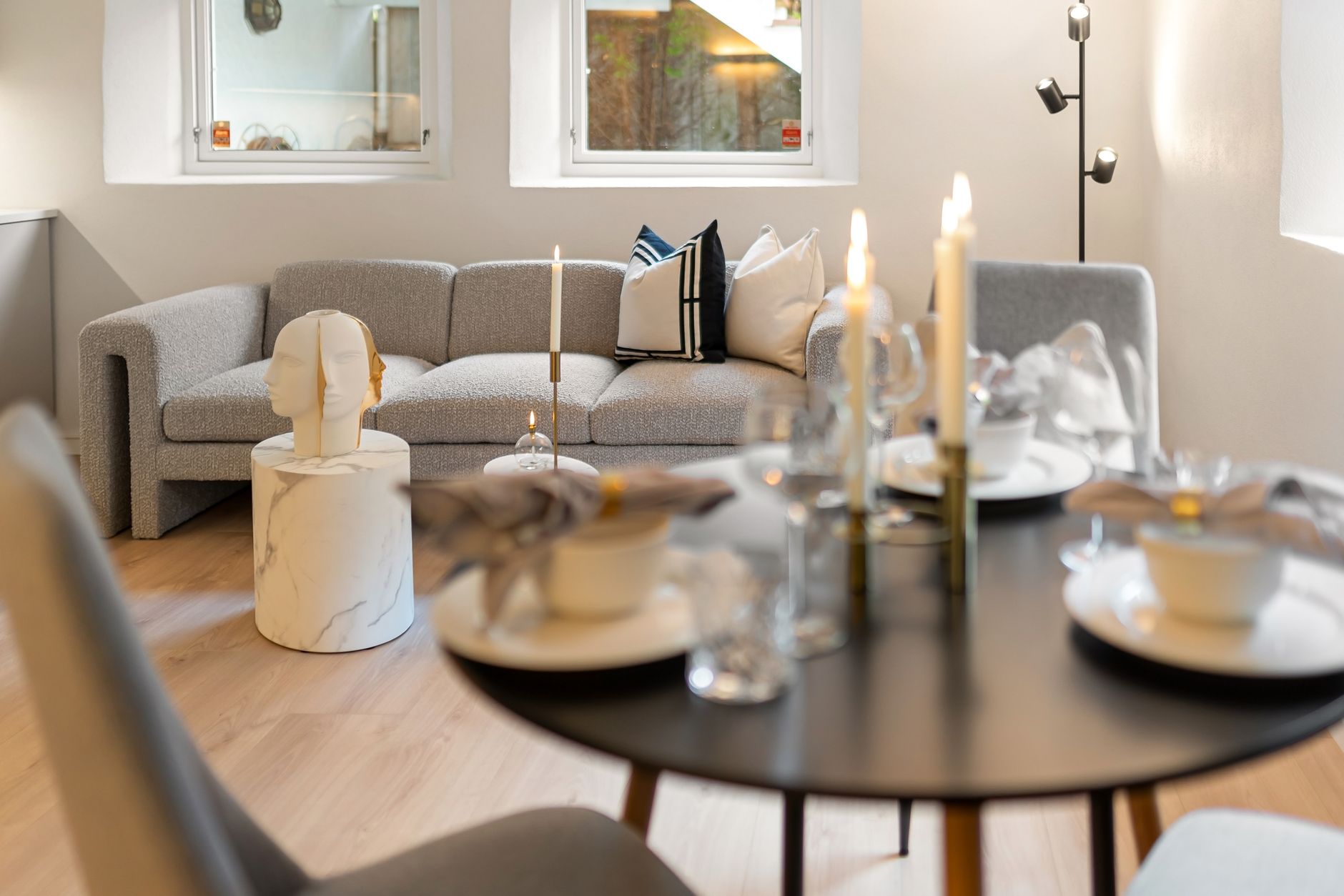
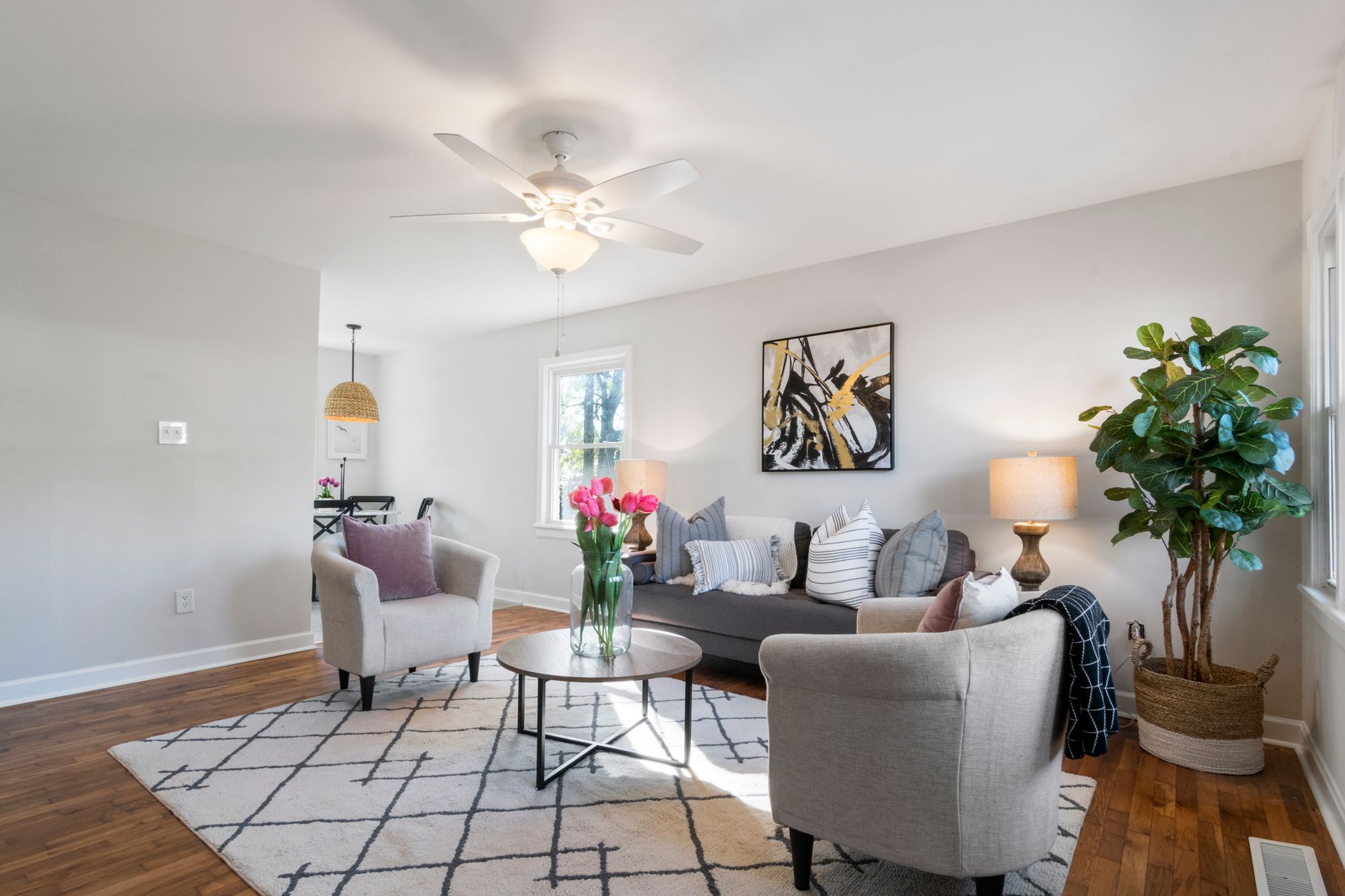
Virtual furniture staging is the process of digitally adding furniture, decorative objects, and textures to images of empty spaces, creating the feel of a livable, attractive, and professional environment—all without the logistics and costs of physical staging.
Adoption of this technology has grown exponentially in recent years. According to the National Association of Realtors (NAR), 83% of agents who use digital staging report a significant reduction in the time properties stay on the market. In my experience working with dozens of realtors in the United States and Brazil, I've noticed that the biggest mistake is seeing the cost of staging as an expense when it's actually an investment that generates measurable returns.
What You Need to Know About Investing in Virtual Furniture Staging
The cost of virtual furniture staging isn't fixed. It's influenced by factors like the quality of virtual furniture, the complexity of the rooms, the number of revisions, and the provider's expertise. For companies just starting out, it's common to find basic packages beginning at $50 per room. These packages typically include generic furniture and basic finishes, but they may not offer the realism needed to impress discerning buyers.
For those seeking more elaborate results, prices can go up to $200 per room or more. Here, professionals use high-quality 3D models, realistic lighting, and textures that mimic real materials. A 2025 study by McKinsey & Company highlighted that companies investing in high-end real estate visualization increase their ROI by up to 3.7x compared to those using generic solutions.
💡Key Takeaway
The investment in virtual furniture staging should be viewed as a strategic cost that can increase a property's perceived value by up to 10% and reduce time-to-sale by 50%.
Companies like
Real Vision AI offer complete solutions that include not only staging but also photo editing, day-to-night conversion (twilight), and cinematic video creation. This means the cost per room, when bundled into a package, can be up to 40% lower than hiring separate services.
Factors That Influence Price
- Level of detail: Furniture with realistic textures, dynamic lighting, and decorative objects increase the cost.
- Number of rooms: Packages with more than 10 rooms often come with volume discounts.
- Customization: Specific styles (modern, rustic, industrial) require more specialized asset libraries.
- Deadlines: Rush projects may carry a 20% to 50% premium.
Why Invest in Virtual Furniture Staging? Real Implications for the Real Estate Market
Using virtual furniture staging isn't just about aesthetics; it has direct implications for sales success. According to a Harvard Business Review study, properties that use digital staging sell up to 73% faster than those that don't. Additionally, there's a 6% to 10% increase in the final sale price of properties that feature quality staging.
💡Key Takeaway
Investing in digital staging can speed up the sales cycle and increase the final profit of real estate transactions, making the initial cost easily recoverable.
For real estate companies, this means fewer days on market and a higher lead conversion rate. Moreover, the ability to present multiple room configurations with different furniture styles provides a more personalized experience for clients.
In my experience, a realtor who used digital staging for an empty penthouse in São Paulo reduced the time-to-sale from 6 months to 2 weeks—and the final price was 8% above the list price. The cost of staging (about $1,500) was recouped 10 times over with the extra profit.
Benefits Beyond Sales
- Reduced logistics costs: No shipping, assembly, or storage of physical furniture.
- Style flexibility: Test different decorations for the same room without additional repositioning costs.
- Scalability: Stage 50 rooms in the same timeframe it would take to do 5, without a proportional increase in labor.
How to Apply Virtual Furniture Staging in Practice: Step-by-Step Guide
Implementing virtual furniture staging in your business involves a strategic process that goes beyond simply uploading photos to software. Follow these steps to maximize returns:
-
Choose the Right Provider
Opt for companies like
Real Vision AI, which offer complete, integrated solutions with delivery times of 12 seconds per room. Review portfolios, ask for samples, and evaluate the quality of 3D models.
-
Define the Project Scope
Decide how many rooms you want to stage, what furniture style (modern, classic, minimalist), and whether variations are needed (e.g., one room in two different styles). For residential properties, focus on the living room, kitchen, and master suite.
-
Capture High-Quality Images
Low-resolution or poorly lit photos compromise the result. Use a DSLR camera or smartphone with a wide-angle lens in RAW format, and ensure the room is clean and well-lit.
-
Submit and Monitor Production
After sending the images, the provider applies the staging and sends a preview. Request adjustments if needed—most services include 2 to 3 revision rounds.
-
Review and Approve
Before publishing, check that the scale, perspective, and lighting of the furniture are consistent with the original photo. A common mistake is placing a sofa disproportionate to the room size.
💡Key Takeaway
Collaboration between professional photographers and staging designers is essential for high-quality results. Invest time in capturing images—the final outcome depends on it.
Virtual Furniture Staging vs. Alternatives: Option Comparison
| Option | Pros | Cons | Best For |
|---|
| Basic Package ($50–$100/room) | Low initial cost, quick return on investment | Limited furniture, less refined details, little customization | Small properties or tight budgets, initial testing |
| Intermediate Package ($100–$200/room) | Greater furniture variety, more elaborate details, 2–3 revisions included | Higher cost, may still have style limitations | Mid-sized properties, residential condos |
| Premium Package ($200+/room) | High customization, luxury furniture, realistic lighting, unlimited revisions | Significant investment, may not be viable for high volume | High-value properties, penthouses, mansions, commercial projects |
| Physical Staging | Real presence, tactile feel, ideal for open houses | High cost (average $2,000–$5,000 per property), complex logistics, time-consuming | Luxury properties with generous budget, new launches |
| DIY AI Tools (e.g., Real Vision AI) | Very low cost per room (starting at $12), delivery in seconds, scalable | Requires human curation for quality, may have inconsistencies | Realtors needing high volume at minimal cost |
Best Practices to Maximize Return on Virtual Furniture Staging
- Focus on key rooms—Living room and kitchen are the biggest influencers on purchase decisions. Invest more in them.
- Use styles suited to the target audience—For family-oriented properties, choose cozy decor; for young professionals, go modern and clean.
- Include seasonal variations—Show the same room decorated for Christmas or summer to increase emotional appeal.
- Combine staging with professional photography—The quality of the base photo is just as important as the staging.
- A/B test different versions—Publish on platforms like Zillow and compare engagement between staged and non-staged photos.
- Measure ROI—Track time-to-sale, number of showings, and final price to calculate return.
💡Key Takeaway
The biggest mistake in virtual furniture staging is not measuring results. Without metrics, you don't know if the investment is paying off.
Frequently Asked Questions About Investment in Virtual Furniture Staging
What is the average cost of virtual furniture staging per room?
Prices range from
$50 to $200 per room for professional services. AI tools like
Real Vision AI offer costs starting at
$12 per room with delivery in 12 seconds, but require oversight to ensure quality.
How long does it take to do a digital staging?
Traditional services take 24 to 72 hours per room. AI-based solutions can deliver in seconds, like Real Vision AI which stages in 12 seconds. However, total time depends on the number of revisions.
Can I do digital staging myself?
Yes, AI tools like Real Vision AI allow anyone to stage in seconds. But professional results require knowledge of interior design, lighting, and scale. For high-value properties, hiring an expert is recommended.
Does virtual furniture staging work for commercial properties?
Absolutely. Offices, stores, and corporate spaces benefit from digital staging to show functional layouts and professional decor. The cost per room is the same, and the impact on leasing is significant.
How do I choose the best digital staging provider?
Evaluate portfolio, delivery speed, included revisions, 3D model quality, and customer support. Companies like
Real Vision AI combine AI technology with human expertise, offering the best value.
Is it worth investing in digital staging for low-value properties?
Yes. A 2024 Gartner study showed that even properties in the $100,000 range see a 5% increase in sale price with digital staging. The $50 to $100 per room cost is easily recovered.
What are the risks of virtual furniture staging?
The main risk is lack of realism, which can cause buyer distrust. Choose providers using high-quality 3D models with a satisfaction guarantee. Another risk is reliance on poor base photos—invest in professional photography.
Does virtual furniture staging replace physical staging?
Not completely. Physical staging is ideal for open houses and luxury properties. Digital is more efficient for online marketing, which is the first impression for 90% of buyers. Combining both is the most powerful strategy.
Conclusion and Next Steps
The investment in virtual furniture staging may seem significant at first, but the benefits in terms of perceived value, sales speed, and reduced logistics costs fully justify the expense. In 2026, with the advancement of AI tools, the cost per room has dropped dramatically, making this technology accessible even to small realtors.
To explore more about how this technology can transform your business, visit
Real Vision AI and discover how to stage a room in 12 seconds for under $15.
About the Author
RealVisionAI Editorial Team is an expert in real estate photography and virtual staging at
Real Vision AI. With years of market experience, our team is committed to offering innovative solutions that maximize visual impact and return on investment for our clients.
Recommended Readings
To deepen your understanding of these topics, we recommend reading the following articles:
Free Real Estate AI Visual Playbook 2026
Discover how top realtors boost listing engagement by 62% and close deals faster using AI photo enhancement and virtual staging.