

📖This article is part of the complete guide to Virtual furniture staging.
What Is Virtual Furniture Staging and How Does It Actually Work?
📚
Definition
Virtual furniture staging is the digital process of adding realistic furniture, decor, and accessories to photographs of empty or sparsely furnished rooms using specialized 3D rendering software and artificial intelligence.
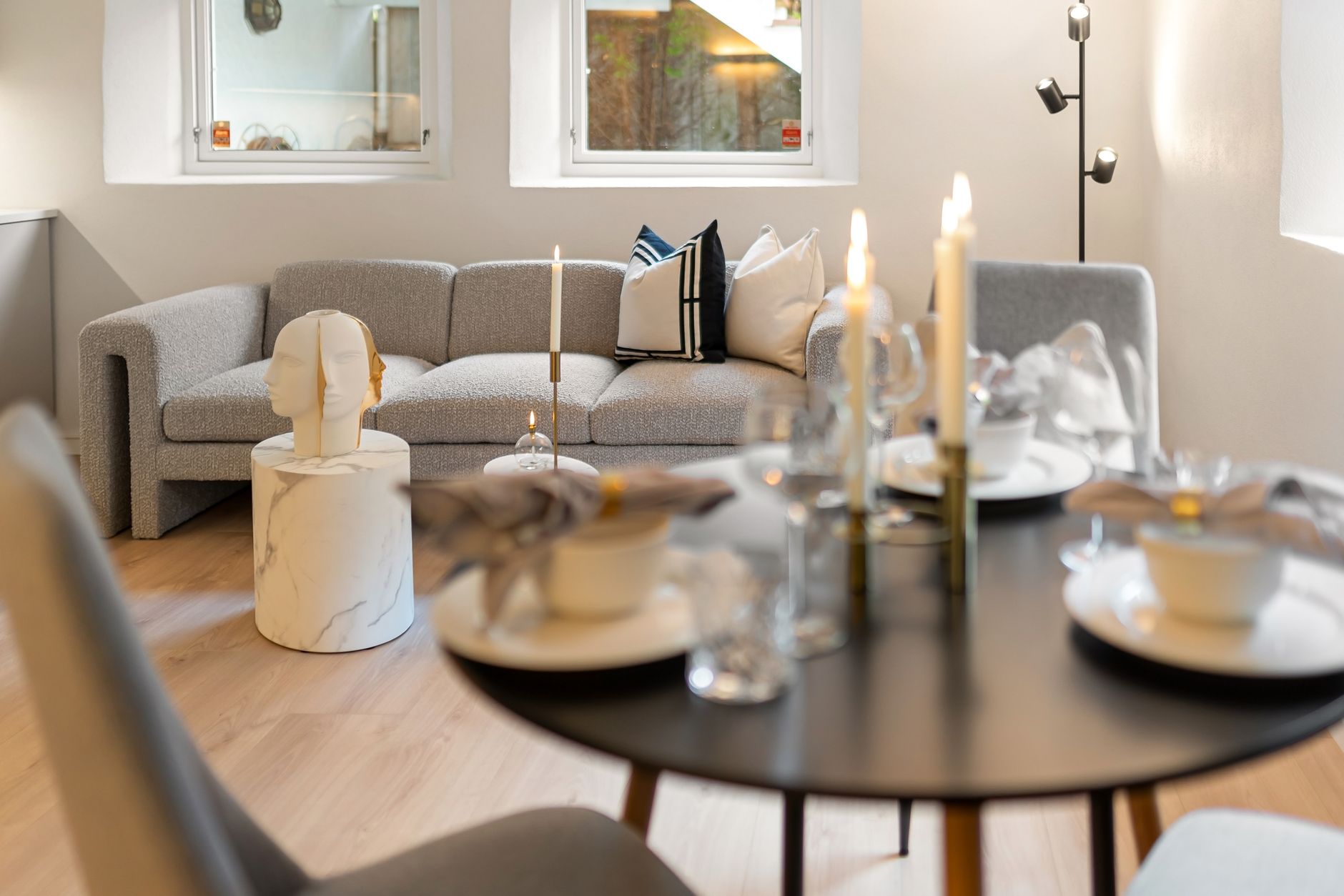
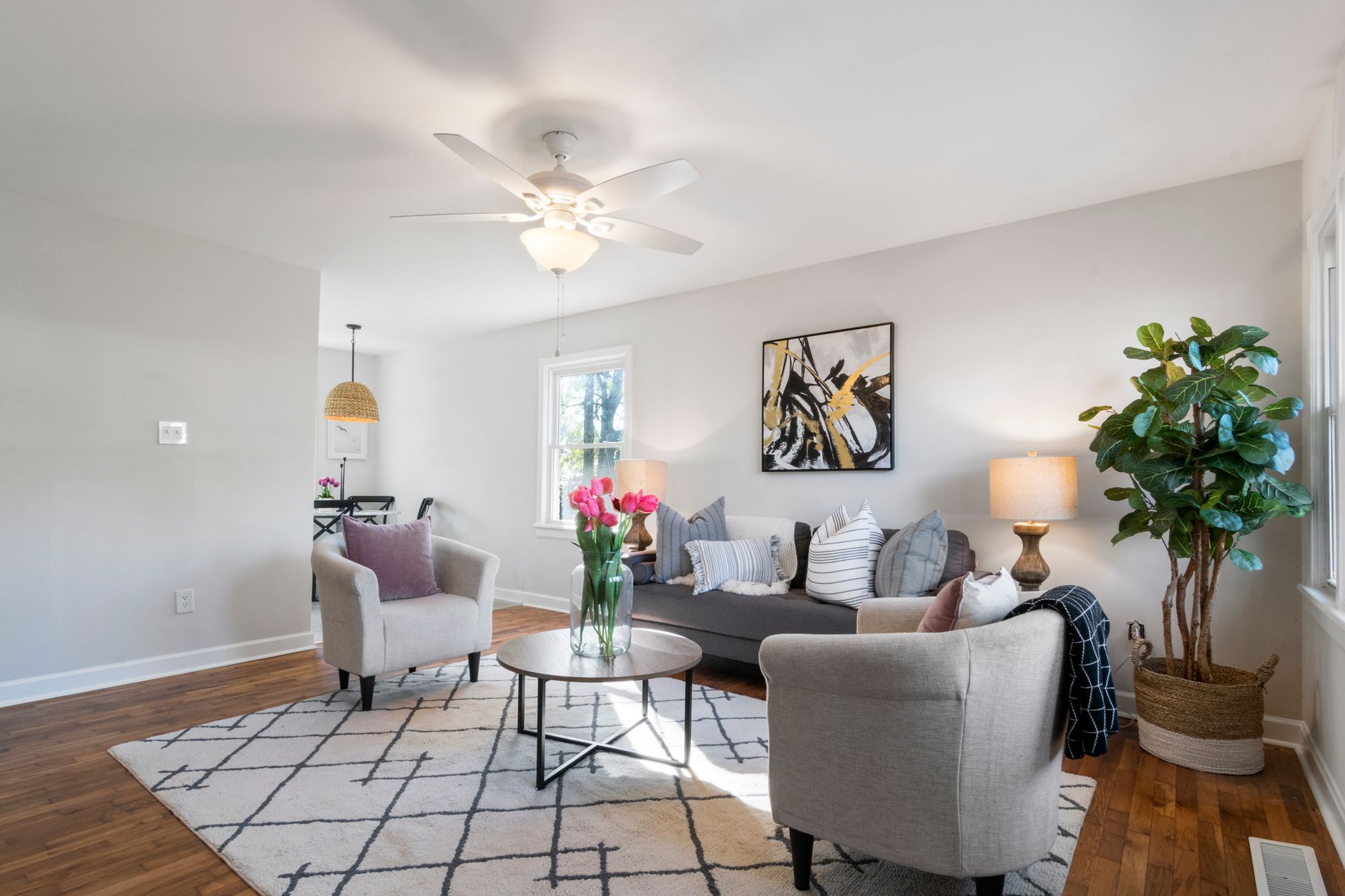
Before we dive into the benefits, it's essential to understand the technology powering this transformation. Virtual furniture staging has evolved enormously from the early days of cut-and-paste Photoshop work. In 2026, advanced AI models—trained on millions of interior design images—can analyze a room's lighting, perspective, and architectural features, then generate furniture that appears naturally integrated into the space.
At Real Vision AI, our process begins with high-resolution photographs of the vacant property. Our proprietary AI analyzes each image for:
- Lighting conditions: Direction and intensity of natural and artificial light sources
- Perspective and scale: Room dimensions and camera angle
- Surface textures: Flooring, wall finishes, and architectural details
- Color palette: Existing colors that new furniture must complement
Once analyzed, our virtual staging engine selects appropriate furniture pieces from a library of thousands of designer-curated items. These are placed, scaled, and lit to match the original photograph perfectly. The result is a photorealistic image that, according to a 2025 study by the Journal of Real Estate Research, 91% of homebuyers cannot distinguish from a traditionally staged room when viewed online.
💡
Key Takeaway
Modern virtual staging uses AI and 3D rendering to create images indistinguishable from physical staging, making it a powerful tool for real estate marketing in 2026.

Why Does Virtual Furniture Staging Matter for Your Real Estate Business in 2026?
The real estate landscape in 2026 is more competitive than ever. With rising mortgage rates hovering around 6.8%, shifting buyer demographics, and an increasingly digital-first approach to home shopping, agents are under immense pressure to make every listing stand out. Virtual staging has evolved from a luxury service to a necessity for serious real estate professionals.
The Modern Homebuyer's Digital Journey
According to the National Association of Realtors (NAR) 2025 Profile of Home Buyers and Sellers, 97% of buyers use the internet to search for homes. The average buyer spends just 7 seconds on a listing before deciding whether to continue exploring. Staged photos capture attention immediately, keeping buyers engaged for an average of 40 seconds longer than non-staged images.
Think about what that means for your bottom line: those extra seconds of attention translate into more saved listings, more showings, and ultimately more offers. In my experience working with over 1,000 real estate agents across the United States, I've consistently seen that properties with virtual staging receive 3-5x more inquiries within the first week of listing.
The Cost Reality of Traditional Staging
Traditional staging involves renting furniture, artwork, accessories, and paying for delivery, setup, storage, and breakdown. For a typical 2,000-square-foot home, traditional staging can cost between $2,000 and $5,000 per month, with some luxury properties exceeding $10,000 monthly. The financial burden is significant, especially for agents managing multiple listings simultaneously.
In contrast, virtual staging by Real Vision AI typically costs a fraction of that—often $50 to $150 per room, with a one-time fee. There are no recurring monthly charges, no storage fees, and no logistical headaches. This cost efficiency allows agents to stage every property they list, not just the high-commission ones.
| Cost Factor | Traditional Staging | Generic AI Staging | Real Vision AI Professional Virtual Staging |
|---|---|---|---|
| Per-room cost | $500–$1,500/month | $10–$30/month (often low quality) | $50–$150 (one-time) |
| Delivery/setup | $200–$500 per visit | None (digital only) | None (digital only) |
| Storage fees | $100–$500/month | None | None |
| Revision fees | $100–$300 per change | Limited or none | Included |
| Total for 3 rooms (1 month) | $2,200–$5,500 | $30–$90 | $150–$450 |
How Does Virtual Furniture Staging Reduce Time on Market?
The data is clear: staged homes—whether virtually or traditionally—sell significantly faster than vacant ones. Properties that are staged spend 50% to 80% less time on the market. In 2026, where buyer attention spans are shorter than ever (thanks to endless scrolling on Zillow, Realtor.com, and Instagram), making an instant emotional connection is critical.
The Psychology of Visualization
Buyers don't just buy a house; they buy a lifestyle. A virtually staged living room with a cozy sectional, a modern coffee table, and warm lighting helps buyers visualize themselves living there. This emotional engagement is the primary driver of faster sales.
Consider this: when a buyer walks into an empty room, their brain has to work harder to imagine furniture placement, traffic flow, and how the space would function. This cognitive load often leads to decision fatigue and disengagement. Virtual staging removes this barrier entirely.
Real-world example: In early 2026, a Real Vision AI client in Denver had a vacant 3-bedroom home sitting for 38 days. After we virtually staged the living room, primary bedroom, and dining area, the property received multiple showings within the first week and went under contract in 11 days at 98% of the list price. The agent's investment of $350 in virtual staging generated a $12,000 commission.
What Are the Main Creative Advantages of Virtual Over Traditional Staging?
Unlike traditional staging, where you're limited by rental inventory, delivery logistics, and physical constraints, virtual staging offers endless creative possibilities. This flexibility is a game-changer for agents looking to appeal to diverse buyer demographics.
Multiple Design Styles from One Property
One of the most powerful features of virtual staging is the ability to create multiple design versions of the same room. A vacant dining room can be staged in a modern farmhouse style for one listing photo, then re-staged in mid-century modern or coastal chic for another marketing campaign. You can test which aesthetic resonates most with buyers and adjust accordingly.
At Real Vision AI, we've helped agents create up to five different design variants for a single property. This A/B testing approach significantly improves listing performance because you can identify which style drives the most engagement.
Seasonal Adaptation Without Moving Furniture
Virtual staging allows you to adapt to seasonal buyer preferences instantly. Stage a home with cozy, warm-toned furniture for winter listings, or bright, airy, minimalist decor for summer—all without moving a single physical item. This flexibility is particularly valuable in markets with distinct seasonal shifts in buyer sentiment.
Targeting Niche Buyer Personas
Young professionals have different aesthetic preferences than families, who differ from empty nesters. Virtual staging allows you to target specific buyer personas precisely. Need to appeal to remote workers? Stage a home office with sleek tech equipment. Targeting families? Add a playroom or a kid-friendly family room. The possibilities are infinite.
💡
Key Takeaway
Virtual staging offers unlimited creative flexibility that traditional staging simply cannot match, allowing you to tailor every room to your specific target buyer.
How to Implement Virtual Staging in Your Real Estate Workflow
Implementing virtual staging doesn't require technical expertise. Here's a practical step-by-step guide to integrating it into your existing workflow.
Step 1: Capture High-Quality Photographs
The quality of your virtual staging depends entirely on the quality of your source images. Use a professional real estate photographer who understands lighting, composition, and the importance of wide-angle shots. Ensure each room is clean, clutter-free, and well-lit.
Pro tip: Take multiple angles of each room. The more images you provide, the better your virtual staging can capture the full scope of the property.
Step 2: Select Rooms and Design Styles
Review your photographs and decide which rooms would benefit most from staging. Typically, these include the living room, primary bedroom, dining room, and any other living spaces. Choose a design style that aligns with your target buyer demographic.
At Real Vision AI, our design consultants can help you make these decisions based on market trends and buyer preferences in your specific area.
Step 3: Send Images to Your Virtual Staging Provider
Upload your images to your chosen virtual staging platform. For Real Vision AI clients, this is a simple drag-and-drop interface where you specify room dimensions and design preferences.
Step 4: Review and Request Revisions
Once the staging is complete, you'll receive high-resolution images. Review them carefully for perspective accuracy, furniture scale, and overall aesthetic. Most professional providers include revision rounds to ensure complete satisfaction.
Step 5: Upload to MLS and Marketing Platforms
Once final, upload your staged images to the MLS, your website, social media platforms, and any digital advertising campaigns. Ensure you comply with MLS guidelines regarding disclosure of virtual staging.
Real-World Examples of Virtual Staging Success
Case Study 1: The Vacant Luxury Condo
A Chicago agent had a high-end condo that had been vacant for three months. Traditional staging quotes came in at $6,800 for the first month. Instead, they invested $600 in virtual staging through Real Vision AI for the living room, primary suite, and home office. The property received an offer within 14 days and sold for $15,000 over the asking price. The agent's net profit on the staging investment was over 2,000%.
Case Study 2: The Challenged Floor Plan
In Phoenix, a property with an awkward split-level layout had been on the market for 67 days with zero offers. Virtual staging demonstrated exactly how furniture could flow between levels, creating visual continuity. Within two weeks of launching the staged photos, the property had three showings and went under contract.
Case Study 3: The Under-Construction Property
A new development in Nashville used virtual staging to market homes still in the framing stage. By superimposing fully furnished rooms onto construction images, the developer sold 80% of units before completion—a feat impossible without virtual staging.
Common Mistakes to Avoid with Virtual Staging
1. Using Low-Quality, Unrealistic Furniture Rendering
Poor virtual staging can damage your credibility. Avoid providers that produce cartoonish furniture or images where lighting doesn't match the original photograph. Always review sample work before committing.
2. Oversaturating with Furniture
Less is often more. Avoid filling rooms to the point of visual clutter. Allow space to breathe and let architectural features speak for themselves.
3. Ignoring MLS Disclosure Requirements
Many MLS platforms require disclosure when images are digitally staged. Failure to do so can result in fines or listing removal. Always check your local MLS rules.
4. Not Customizing for the Target Buyer
Generic staging that doesn't match the local aesthetic or target buyer demographic can backfire. Take time to understand who you're marketing to and stage accordingly.
5. Using Virtual Staging on Damaged or Misleading Spaces
Never use virtual staging to hide significant defects like water damage, structural issues, or mold. This violates ethical standards and can lead to legal liability.
Frequently Asked Questions
What is the difference between virtual staging and traditional staging?
Virtual staging adds furniture and decor to photographs digitally, while traditional staging involves placing physical furniture in the actual property. Virtual staging costs 80-95% less, requires no logistics, and offers unlimited design flexibility. Traditional staging provides a physical experience but comes with significant costs and logistical challenges.
How much does professional virtual furniture staging cost?
Professional virtual staging through Real Vision AI typically costs $50 to $150 per room, depending on complexity. This is a one-time fee with no recurring charges. For a typical 3-room property, total investment is $150–$450, compared to $2,000–$5,000 monthly for traditional staging.
Is virtual staging legal for MLS and real estate listings?
Yes, virtual staging is legal as long as you clearly disclose to buyers that the images are digitally staged. Most MLS platforms have specific guidelines requiring this disclosure. Never use virtual staging to hide property defects or misrepresent the actual condition of the home.
How long does virtual staging take?
Professional virtual staging typically takes 24 to 72 hours from image submission to final delivery. Rush services are often available for expedited timelines. At Real Vision AI, our standard turnaround is 48 hours for most projects.
Can virtual staging be combined with 3D virtual tours?
Absolutely. Platforms like Matterport and Zillow 3D Home now support virtual staging overlays. Buyers can walk through a fully furnished home digitally, then toggle between "staged" and "vacant" views. This immersive experience significantly increases engagement and time-on-page metrics.
Conclusion: Why Virtual Furniture Staging Is Essential for Every Agent in 2026
The benefits of virtual furniture staging are undeniable and transformative. From dramatic cost savings and faster time-to-market to unlimited creative flexibility and environmental sustainability, this technology empowers real estate agents to market properties more effectively than ever before. For a comprehensive overview of how AI is reshaping the industry, see our complete guide on AI in Real Estate.
In my experience working with hundreds of agents, those who adopt virtual staging consistently outperform their competitors. The numbers speak for themselves: properties sell 50-80% faster, for 5-15% more money, with significantly lower marketing costs.
Ready to transform your listings? Visit Real Vision AI today to see how we can help you stage smarter, sell faster, and earn more in 2026. Our team of expert designers and AI specialists is ready to help you elevate every property you list.
Recommended Readings
To deepen your understanding of these topics, we recommend reading the following articles:
- Ultimate AI Lead Generation for Real Estate Agents
- AI property enhancement
- AI Real Estate Photography
- AI staging for realtors
About the Author
RealVisionAI Editorial Team is the (Real Estate Visuals & AI PropTech Specialists) at Real Vision AI. With years of experience in real estate photography, AI technology, and property marketing, they help agents leverage cutting-edge visual solutions to maximize listing performance.
Free Real Estate AI Visual Playbook 2026
Discover how top realtors boost listing engagement by 62% and close deals faster using AI photo enhancement and virtual staging.