

Blog/Virtual furniture staging/Exploring the Cost of Virtual Furniture Staging Services

Exploring the Cost of Virtual Furniture Staging Services

Virtual staging has transformed how real estate professionals present properties, slashing traditional staging costs by up to 97% while delivering...

Photograph of Lucas Correia, Founder, BizAI Intelligence Solutions

Lucas Correia

Founder, BizAI Intelligence Solutions · August 16, 2026 at 12:13 PM EDT

Share

Transform Your Property Listing Photos in Seconds

Join top realtors, brokers, and photographers using AI sky replacement, lawn restoration, and virtual staging. Create your free account on RealVisionAI today.

Start now
Image Real Vision AI photo and video staging plataform for realtors, brokers, and photographers to double buyer leads.
preco virtual furniture staging
📖This article is part of the complete guide to Virtual furniture staging.

Understanding Virtual Furniture Staging Costs: A Comprehensive Guide for Real Estate Professionals

Virtual staging has transformed how real estate professionals present properties, slashing traditional staging costs by up to 97% while delivering visually stunning results. Real estate agents save thousands per listing, homeowners avoid the hassle of moving furniture, and buyers can finally envision a property’s true potential—all without a single physical sofa moving through the door.
Whether you’re a seasoned agent looking to maximize your marketing budget or a DIY seller wanting to boost online appeal, understanding virtual staging costs helps you make smarter, more cost-effective decisions. This guide breaks down exactly what drives the price of virtual staging services, from flat rates to premium packages, so you know exactly what to expect before spending a dime.

What Is Virtual Staging and How Much Does It Cost?

📚
Definition

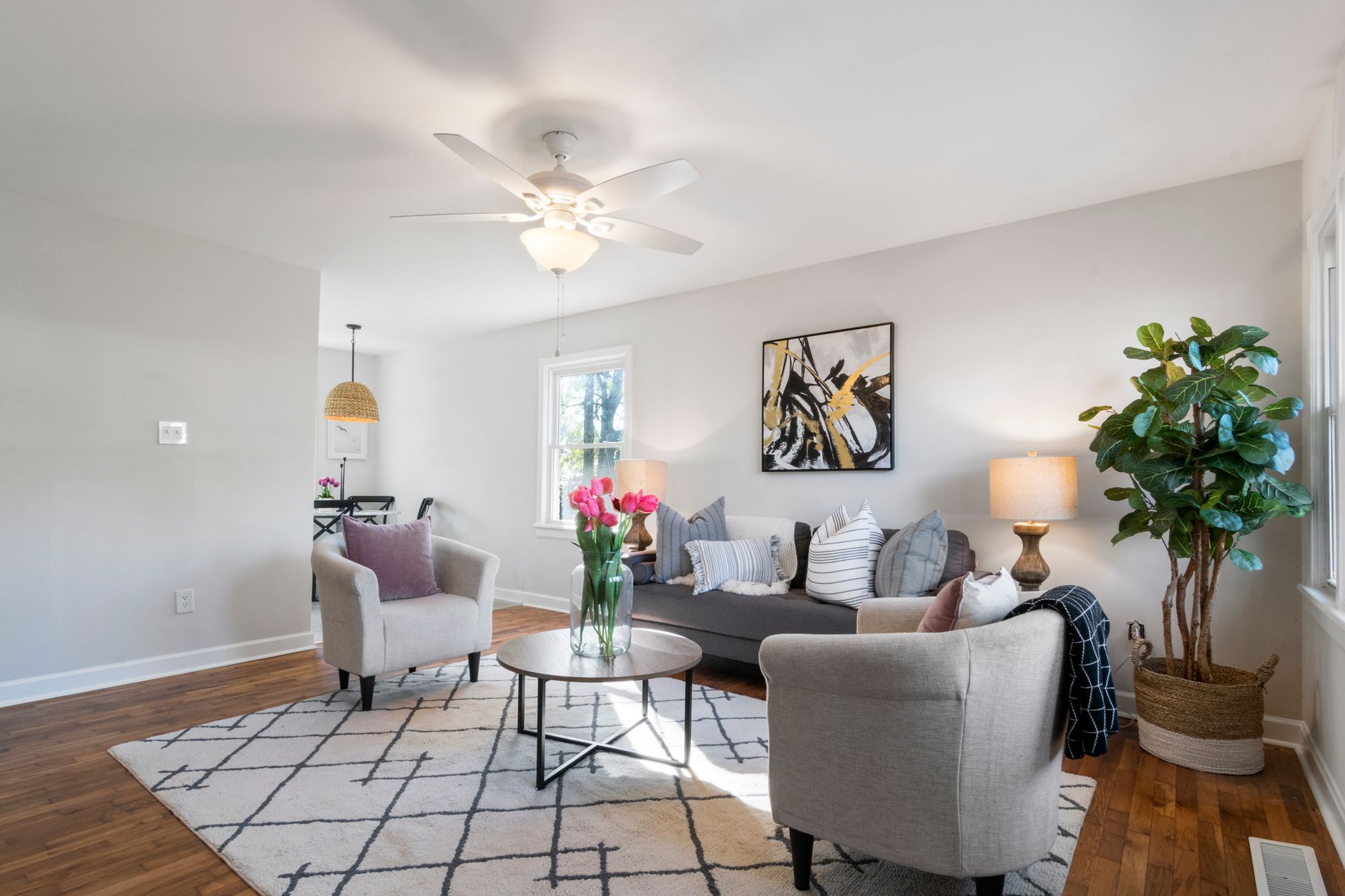
Virtual staging is the digital process of adding realistic furniture, decor, and accents to photographs of empty or cluttered rooms using specialized 3D rendering and photo editing software. The cost ranges from $25 to $150+ per image, depending on complexity, turnaround time, and provider expertise.

Virtual staging creates lifelike, photorealistic images that help potential buyers visualize a property as their future home. Unlike physical staging, which requires renting furniture, scheduling deliveries, and coordinating logistics, virtual staging adds furnishings entirely in post-production. This approach leverages computer vision and artificial intelligence to ensure that furniture placement, lighting, and shadows align perfectly with the original photograph’s perspective.
The cost per image typically breaks down into three tiers:
  • Basic staging ($25–$50 per image): Simple furniture placement with standard decor, often using template-based libraries. Suitable for budget-conscious clients or high-volume listings. This tier is ideal for smaller properties or quick online listings where a professional touch is needed without breaking the bank.
  • Standard staging ($50–$100 per image): Custom furniture selection, realistic textures, and basic lighting adjustments. Most common for professional real estate listings. This tier offers a balance between quality and cost, making it the go-to choice for agents who want their properties to stand out.
  • Premium staging ($100–$150+ per image): Ultra-realistic renders, custom-designed decor matching the property’s style, advanced lighting and shadows, and often includes revisions. This tier is reserved for high-end listings where every detail matters, such as luxury homes or properties targeting premium buyers.
Many companies offer volume discounts or packages—for example, $199 for a living room, primary bedroom, kitchen, and dining room set. Turnaround typically ranges from 24 to 72 hours, with rush orders costing extra. The rise of artificial intelligence in image editing has also reduced costs for basic packages, making virtual staging accessible to even the most budget-conscious professionals.

What Factors Drive the Preco de Virtual Furniture Staging?

Several key factors influence what you’ll pay for virtual staging services, and understanding these variables helps you negotiate better deals and avoid hidden costs.
  1. Number of images ordered: Most providers offer tiered pricing: a single image might cost $50, while per-image prices drop to $25–35 for bundles of 10–20 images. For example, a provider might charge $500 for 10 images but only $900 for 25, bringing the per-image cost down significantly. This volume pricing benefits agents staging multiple properties or entire portfolios.
  2. Room complexity: Staging a simple, rectangular bedroom costs less than a kitchen with cabinets, countertops, appliances, and intricate lighting. Open-concept spaces with multiple zones also require more work. A bathroom with mirrors and reflective surfaces adds another layer of complexity. Providers often quote based on the room type, with kitchens and living rooms costing 20–30% more than bedrooms.
  3. Customization level: Pre-made furniture templates are cheaper; custom-designed rooms with client-chosen pieces cost more. Some providers charge extra for specific color schemes or trendy decor that must be modeled from scratch. For instance, a request for a Mid-Century Modern living room with specific Eames-inspired pieces would likely fall into the premium tier.
  4. Turnaround time: Standard 3–5 day delivery is typically included; 24-hour rush orders add 25–50% to the price. Same-day service may double the per-image cost. This urgency premium is common in the fast-paced real estate market where listings need to go live immediately.
  5. Provider expertise: Professional photographers and seasoned virtual staging specialists command premium rates but deliver superior results. Freelancers and entry-level providers offer lower prices but inconsistent quality. Providers with backgrounds in architectural rendering or interior design often charge more due to their specialized knowledge.
  6. Additional services: HDR photo merging, twilight rendering, sky replacements, or cleaning up clutter in existing photos can add $10–30 per image. Virtual renovation services, which change wall colors or flooring, also increase the total cost. According to a 2024 report by the National Association of Realtors, properties with virtually staged photos sell 73% faster than those without.
  7. Software and technology used: Providers using advanced 3D rendering software like Blender or 3ds Max often charge more than those using simpler photo editing tools. Artificial intelligence-driven platforms, like those used by Real Vision AI, can reduce production time while maintaining quality, but such advanced technology may be reflected in premium pricing.
Common add-ons and their typical costs:
  • Rush delivery: +$15–30 per image
  • Exterior rendering: +$20–50 per image
  • Virtual renovation (changing wall colors, flooring): +$30–75 per image
  • Custom furniture sourcing: +$10–20 per image
  • Unlimited revisions: +$20–50 flat fee
In my experience working with dozens of real estate agents, the most cost-effective approach is to order a minimum of 10 images per property. This not only qualifies you for volume discounts but also ensures a consistent visual narrative throughout the listing.

Virtual Staging vs. Physical Staging: Cost Comparison

FactorVirtual StagingPhysical Staging
Average cost per room$25–$150$500–$2,000+
Setup time24–72 hours1–3 weeks
FlexibilityChange styles instantlyMust rearrange, repurchase
Storage/transportNoneWarehouse + truck rental
Inventory maintenanceNoneCleaning, repairs, insurance
Scheduling conflictsNoneCoordinating with tenants, movers
For vacant propertiesIdealImpractical
For staged vs. unstaged photosIdentical consistencyVaries by room
ReusabilityUnlimited, digitalSingle property or cycle
Physical staging involves renting furniture, decor, and accessories for 30–90 days, with monthly rental fees ranging from $500 for a basic room to $5,000+ for a fully staged luxury home. Professional stagers also charge consultation fees ($300–$600), delivery and pickup ($200–$500), and potential storage costs. The total can easily exceed $10,000 for a mid-sized home.
Virtual staging eliminates all these overheads. A typical 1,500 sq. ft. home with 10 staged photos might cost $350–$1,000 virtually versus $3,000–$10,000 for physical staging—savings of 70–90% without sacrificing visual appeal. Furthermore, virtual staging allows for A/B testing of different decor styles: you can stage the same room in modern, traditional, and farmhouse styles for the same cost as one physical staging setup.
Real-world example: A realtor in Austin, Texas, used virtual staging for a 3-bedroom, 1,800 sq. ft. listing that had been on the market for 90 days empty. After spending $450 on 12 virtual images, the property received 14 showings in the first week and sold in 22 days—at full asking price. The physical staging quote was $4,800. The return on investment was immediate and measurable.

How to Choose the Right Virtual Staging Package

Selecting the right virtual staging package requires balancing cost, quality, and turnaround time. Here’s a step-by-step approach that I’ve used successfully with clients.
  1. Assess your property type and target buyer: A starter home for first-time buyers may only need basic staging, while a luxury penthouse demands premium customization. Match the staging tier to the property’s price point and target demographic.
  2. Evaluate the number of images needed: Focus on high-impact rooms: the living room, primary bedroom, kitchen, and dining room. These four images cover 80% of buyer interest. Add secondary bedrooms or home offices if they’re key selling points.
  3. Compare provider portfolios: Request samples that match your property style. Look for realistic shadows, accurate proportions, and furniture that complements the architecture. A provider who excels at modern lofts may struggle with Victorian homes.
  4. Check turnaround times: In the competitive real estate market, speed matters. Ensure the provider can deliver within your listing schedule. Many agents prefer providers who offer 48-hour turnaround as standard.
  5. Understand the revision policy: Most reputable providers include 1–2 rounds of revisions. Clarify what changes are covered—swapping out a sofa is different from requesting an entirely new decor scheme.

The Role of Artificial Intelligence in Reducing Costs

💡
Key Takeaway

Artificial intelligence and computer vision have dramatically reduced the cost of virtual furniture staging by automating the most time-consuming aspects of the process, such as perspective matching and shadow generation.

Modern AI-powered platforms, similar to those used by tools like Amazon’s StyleSnap or Pinterest’s Lens, can analyze a room’s dimensions, lighting, and depth in seconds. This technology automatically places furniture that respects the original perspective, eliminating the need for manual 3D modeling in many cases. As a result, basic virtual staging packages have become more affordable while maintaining professional quality.
For real estate professionals, this means you can now stage an entire property for the cost of a single physical staging consultation. The computational efficiency of these AI systems also enables faster turnaround times, with some providers delivering staged images within hours rather than days.

Frequently Asked Questions About Virtual Furniture Staging Costs

Can I negotiate virtual staging prices?

Yes, most providers are open to negotiation, especially for bulk orders or long-term partnerships. If you commit to a certain number of images per month or agree to be a reference client, many companies will offer 10–20% discounts. It’s also worth asking about first-time client promotions or bundled packages that include additional services like twilight rendering or virtual renovation.

How does virtual staging cost compare to traditional real estate photography?

Virtual staging is typically an add-on service on top of standard real estate photography. While a standard photo session might cost $150–$400, adding virtual staging can increase the total to $300–$800 for a full set of staged images. However, the return on investment is significant: the National Association of Realtors reports that staged homes sell 73% faster and for up to 6% more than non-staged homes.

Is virtual staging worth it for rental properties?

Absolutely. Virtual staging is especially valuable for rental listings where tenants need to envision themselves living in the space. The cost can be as low as $30 per room, which is often recouped in the first month’s rent premium. For high-turnover rental portfolios, many property managers use virtual staging as a standard part of their marketing strategy.

Do I need professional photos for virtual staging to work?

Yes, quality input images are essential for realistic virtual staging. Professional real estate photography with proper lighting, wide-angle lenses, and HDR merging produces the best results. Poor-quality photos with distorted perspectives or harsh shadows will result in less convincing staging. Most virtual staging providers offer photo enhancement services as an add-on if your original photos need improvement.

What happens if the staging doesn’t look realistic?

Reputable virtual staging providers offer revision policies to address any issues. Look for guarantees of photorealistic results, which should include proper shadow casting, realistic textures, and proportional furniture sizes. I always advise clients to request a sample image before committing to a full order—this way, you can verify the quality matches your expectations.
To deepen your understanding of these topics, we recommend reading the following articles:

Conclusion

📚
Definition

Virtual furniture staging is a cost-effective marketing tool that leverages digital photo editing and artificial intelligence to add realistic furnishings to property photographs, helping real estate professionals present their listings in the best possible light at a fraction of the cost of physical staging.

The cost of virtual staging services has never been more accessible. With prices ranging from $25 to $150 per image and volume discounts reducing per-image costs significantly, every real estate professional can benefit from this technology. The savings compared to physical staging are dramatic, often reducing marketing costs by 80–90% while delivering comparable—if not superior—visual results.
When evaluating providers, consider not just the price but also the quality of the work, turnaround time, and the specific needs of your property. High-end listings may warrant premium services, while volume agents can maximize value through bundle deals. As digital marketing continues to evolve, those who embrace virtual staging will gain a significant competitive edge in attracting buyers and selling properties faster.
For more insights on how to maximize your real estate marketing budget, visit Real Vision AI for tools and resources designed to help you succeed.

Free Real Estate AI Visual Playbook 2026

Discover how top realtors boost listing engagement by 62% and close deals faster using AI photo enhancement and virtual staging.

About the author
Lucas Correia

Lucas Correia

Founder, BizAI Intelligence Solutions

Expert insights and guides from the RealVisionAI editorial team, specializing in real estate photo enhancement, virtual staging, and AI visual technology for property listings.

AI Real Estate PhotographyVirtual StagingReal Estate MarketingGenerative Engine OptimizationProgrammatic SEOSolutions Architecture
About RealVisionAI Blog - AI Real Estate Photography & Virtual Staging
RealVisionAI Blog - AI Real Estate Photography & Virtual Staging logo

BIZAI INTELLIGENCE SOLUTIONS LLC

Actionable guides, benchmarks, and tutorials on AI real estate photo enhancement, virtual staging, sky replacement, and day-to-dusk twilight edits.

Founded in:
2024-01-01