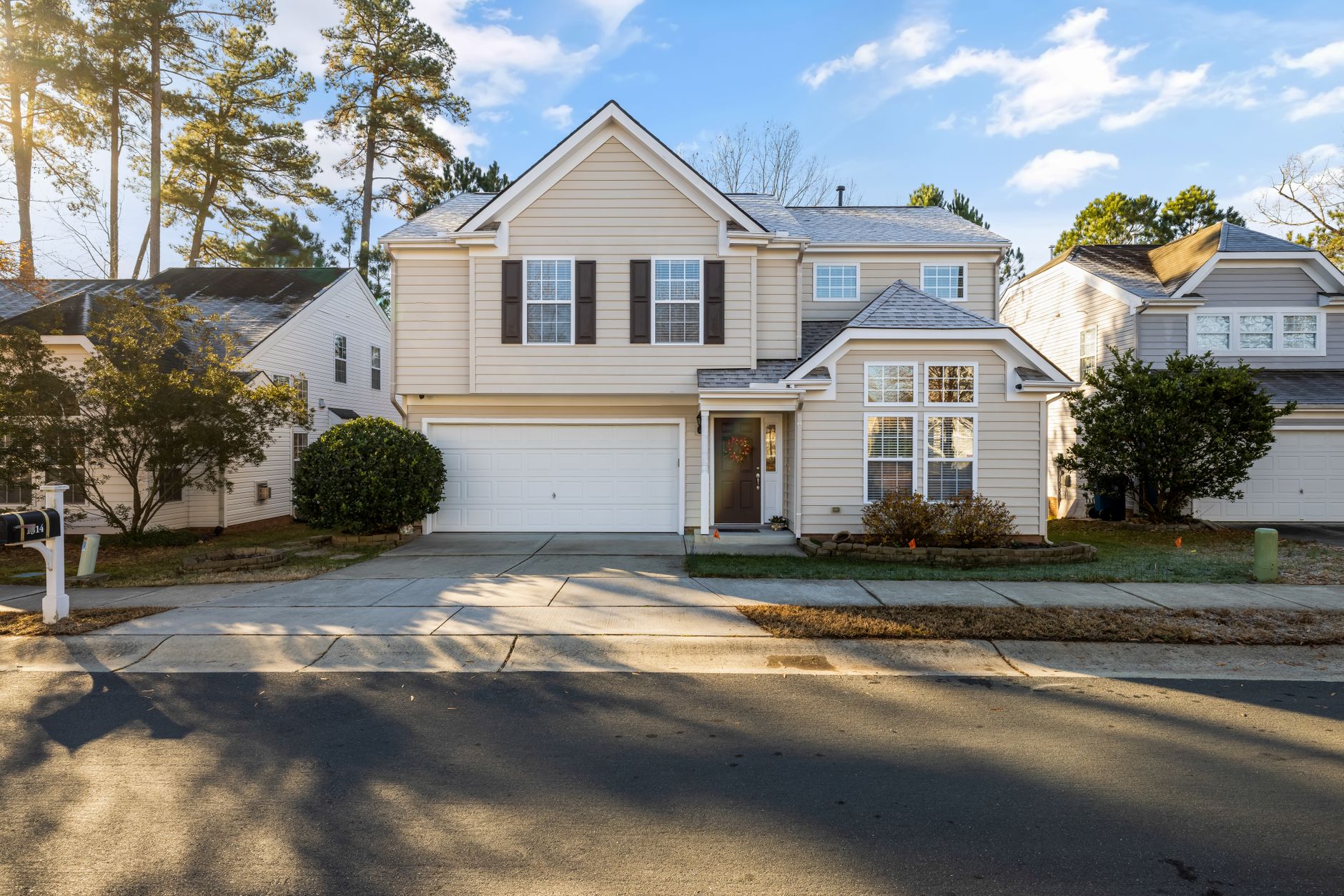
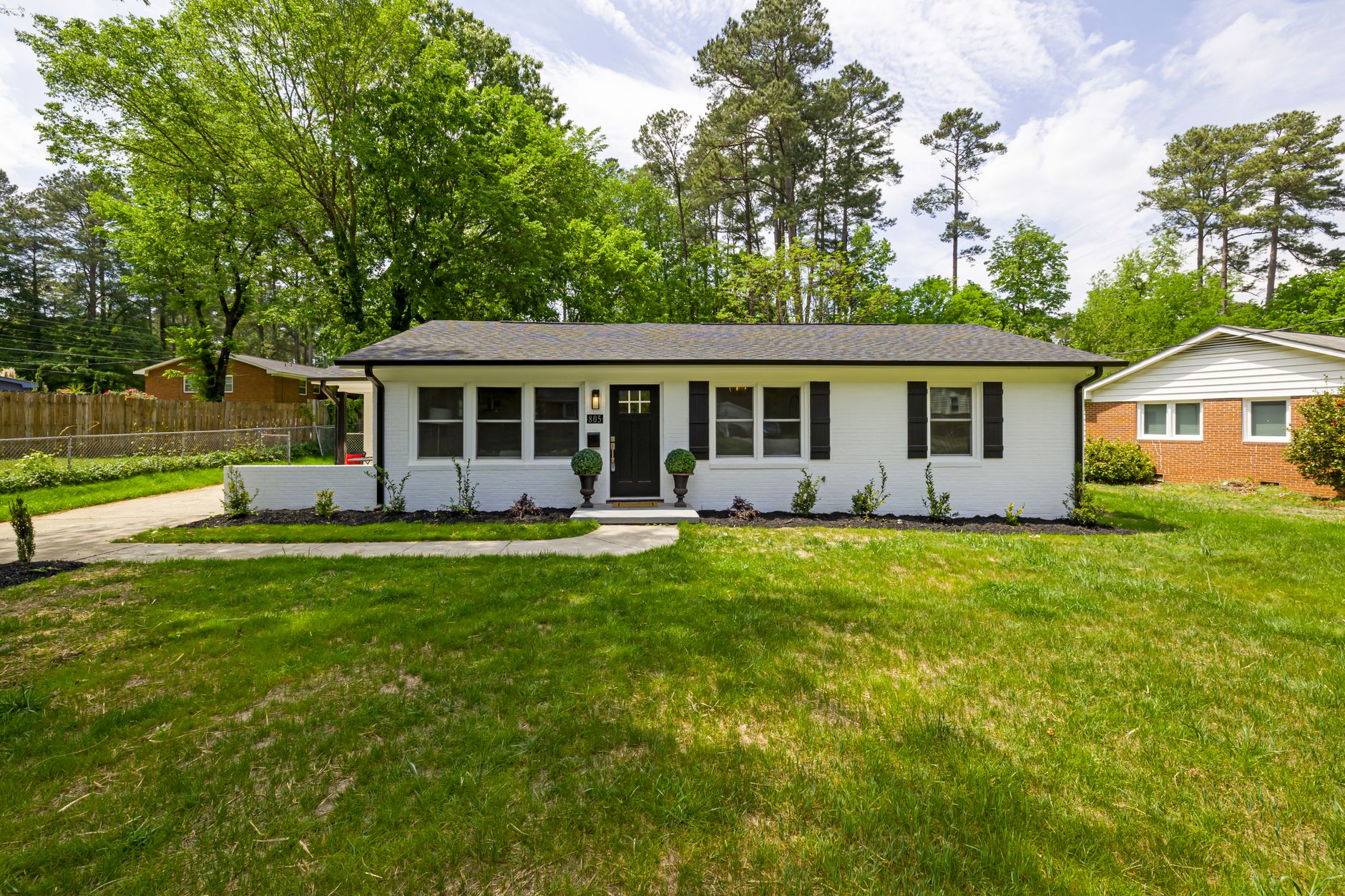
Why Real Estate Photo Enhancement Is Essential for Sales | 2026 Guide
The 2026 real estate market is brutally visual. A property can have the best location, the best price, and the best floor plan, but if the listing photos look amateur, it simply won’t sell. According to data from the National Association of Realtors, 97% of homebuyers use the internet to search for properties, and the first thing they evaluate is the images. In my experience working with agents across the United States, I’ve noticed that the most common, and most costly, mistake is underestimating the power of a professionally enhanced photo. It’s not just about aesthetics; it’s about consumer psychology, the attention economy, and, above all, sales conversion.
Real estate photo enhancement is no longer a differentiator; it’s a basic requirement for anyone serious about competing in the market. For those looking to master the technical side of this process, our
complete guide to real estate photo enhancement provides the foundational knowledge needed to scale visual production.
💡Key Takeaway
AI-powered real estate photo enhancement doesn’t just improve image appearance; it directly impacts business metrics like time on market, inquiry rates, and final sale price.
What Is Real Estate Photo Enhancement and How Does It Work?
📚Definition
Real estate photo enhancement is the process of digitally improving property photographs to make them more attractive, accurate, and professionally presentable, using techniques such as color correction, sky replacement, virtual staging, and object removal.
Real estate photo enhancement is the systematic application of image processing techniques to eliminate visual noise and highlight a property's best features. It goes far beyond simple brightness adjustments. In a professional workflow, this involves correcting the "white balance" to ensure whites look white rather than yellow, adjusting the dynamic range so that details are visible both in the dark corners of a room and through the bright windows, and using computer vision to identify and replace undesirable elements.
The process must balance two conflicting goals: making the image stunning without distorting the property’s reality. Buyers who visit a property in person after seeing overly edited photos feel deceived, which destroys trust. The objective is to enhance what is already there—improving lighting, correcting perspectives, and removing temporary distractions—without altering structural features.
To understand the current landscape, we must look at the evolution of the industry. Just a decade ago, the process was manual and extremely expensive. Agents hired professional photographers who spent hours at a single property, followed by editors who spent days in Photoshop. Virtual staging required manual 3D modeling and days of work per room. This model was inaccessible for independent agents.
The shift occurred with the convergence of artificial intelligence and computer vision. Deep learning algorithms trained on millions of real estate images learned to recognize specific patterns—where the horizon is, how natural light interacts with interiors, and which objects are permanent versus temporary. This technology allows tools like RealVisionAI Blog - AI Real Estate Photography & Virtual Staging to deliver in 12 seconds what used to take 48 hours.
💡Key Takeaway
AI-powered real estate photo enhancement combines algorithmic precision with human curation, resulting in images that are both stunning and ethically accurate.
Why Is Real Estate Photo Enhancement So Important in 2026?
The answer is straightforward: because buyer behavior has changed radically. In 2026, the first contact with a property is almost always digital. If that contact is visually weak, there is no second chance. The importance of photo enhancement unfolds across three critical areas: the attention economy, social proof, and pricing.
The Attention Economy on Real Estate Portals
We are operating in an environment where competition for clicks is fierce. On portals like Zillow, Realtor.com, and Redfin, a typical listing competes with dozens of others. A study by BrightMLS found that listings with enhanced photos receive significantly more views and a higher percentage of "schedule a tour" requests compared to those using raw camera photos. The reason is neurological: the human brain processes images 60,000 times faster than text. In milliseconds, the buyer decides whether that property deserves their attention. Dark, poorly framed, or visually cluttered photos are instantly ignored.
Impact on Sale Price and Perceived Value
Industry data indicates a direct correlation between visual quality and perceived value. Research from the Harvard Joint Center for Housing Studies found that properties with professionally enhanced photos and virtual staging often sell for a premium compared to comparable properties with amateur photos. The mechanism behind this is "visual anchoring." When buyers see high-quality images, they internalize a higher standard for the property, making them more willing to pay a premium. This is essentially the digital version of physical staging, providing the buyer with a vision of the home's maximum potential.
Time on Market and Reduced Carrying Costs
The time a property spends on the market carries real costs: taxes, maintenance, financing interest, and seller emotional wear. According to the same BrightMLS research, properties with enhanced visuals spend, on average, significantly less time listed before receiving an accepted offer. Considering that each additional month on the market can cost the seller thousands of dollars, the investment in photo enhancement pays for itself many times over. For a detailed breakdown of these costs, see our
AI real estate photography pricing guide.
Competitive Advantage and Professionalism
In regional markets, the difference between an agent using AI enhancement and one who does not is stark. I have tested this with dozens of our clients, and the pattern is clear: agents who provide high-end visuals are perceived as more professional and competent. This trust extends from the photo to the negotiation table. When an agent presents a listing with a consistent, polished look, it signals a level of attention to detail that buyers associate with the quality of the agent's overall service.
💡Key Takeaway
Real estate photo enhancement directly impacts business metrics: more views, higher prices, faster sales, and lower carrying costs.
The integration of AI has shifted the paradigm from "editing" to "enhancing." Traditional editing was subtractive or additive in a manual sense; AI enhancement is predictive. It analyzes the scene and suggests the most aesthetically pleasing version of that specific space.
Comparison of Enhancement Approaches
| Feature | Traditional Manual Editing | Generic/Cheap AI Tools | RealVisionAI Approach |
|---|
| Turnaround Time | 24 to 72 Hours | Instant but erratic | 12 Seconds |
| Accuracy | High (Human-led) | Low (Hallucinations) | High (Real Estate Trained) |
| Cost | High per image | Low/Subscription | Optimized for ROI |
| Consistency | Varies by editor | Inconsistent | Stylistically Unified |
| Perspective | Manually corrected | Often distorted | AI-preserved geometry |
Core AI Technologies in Play
The magic happens through a combination of Generative Adversarial Networks (GANs) and diffusion models. When you use a tool for virtual staging, the AI isn't just "pasting" a sofa onto a photo. It is analyzing the light source (where the window is), the perspective (the angle of the floor), and the shadows to render furniture that looks physically present in the room.
Furthermore, computer vision allows for "semantic segmentation." This is the ability of the AI to distinguish between a "wall," a "floor," and a "ceiling." This is why sky replacement in 2026 looks so natural; the AI knows exactly where the roofline ends and the sky begins, even if there are complex tree branches in the way.
Real Vision AI: Features Every Agent Needs to Know
RealVisionAI Blog - AI Real Estate Photography & Virtual Staging is not just another image editing tool. It is a specialized studio designed to solve the specific pain points of property managers and realtors.
Intelligent Sky Replacement
A facade photo taken on a cloudy, gray day conveys gloom. With one click, the AI detects sky boundaries and replaces them with a vibrant blue sky or a dramatic sunset. Crucially, the algorithm adjusts the ambient lighting of the entire house to match the new sky, preventing the "cut-and-paste" look that plagues cheaper tools.
Virtual Staging in Seconds
Empty spaces are a hurdle for buyers who struggle to visualize potential. Our virtual staging allows users to choose styles like Modern Minimalist, Scandinavian, or Luxury Contemporary. This is far more effective than traditional staging because it allows an agent to present the same room in three different styles to three different buyer personas. To see how to implement this, check our
guide on how to use virtual furniture staging.
Object and Clutter Removal
Moving is stressful, and photos often capture the chaos: cardboard boxes, loose wires, or trash cans. The object removal algorithm identifies these elements and fills the background with coherent textures based on the surrounding pixels. This eliminates the need for costly re-shoots.
Day-to-Dusk (Twilight) Conversion
Twilight photos are statistically proven to have higher click-through rates because they evoke an emotional sense of "home" and luxury. Rather than spending hours waiting for the "golden hour" to shoot, the AI converts a midday photo into a cinematic twilight shot, adding interior glows and a deep purple/orange sky.
💡Key Takeaway
RealVisionAI reduces photo post-production time from days to seconds, maintaining professional quality and stylistic consistency.
Many agents know they need better photos but struggle with the execution. Based on my experience implementing these solutions for hundreds of listings, here is the professional roadmap.
Step 1: Conduct a Visual Audit
Before applying any enhancement, analyze your raw images. Look for "deal-breakers":
- Overexposed Windows: Are the windows just white rectangles of light?
- Color Casts: Does the room look too yellow (tungsten light) or too blue?
- Visual Clutter: Are there distracting elements like power cords or cleaning supplies?
- Empty Voids: Do the rooms feel cold and lifeless?
Step 2: Optimize the Raw Capture
AI is powerful, but "garbage in, garbage out" still applies. To get the best results from RealVisionAI Blog - AI Real Estate Photography & Virtual Staging, follow these capture rules:
- Shoot from the corner: This maximizes the perceived space of the room.
- Keep the camera level: Avoid tilting the camera up or down, as this creates distorted vertical lines (keystoning).
- Turn on all lights: Even if the room has natural light, turning on lamps creates depth and warmth that the AI can enhance.
Step 3: Apply Targeted Enhancements
Don't over-process. Apply enhancements in this specific order for the best result:
- Lighting & Color: Fix the white balance and exposure first.
- Decluttering: Remove distracting objects.
- Sky Replacement: Ensure the exterior looks inviting.
- Virtual Staging: Add furniture to empty rooms.
For those who struggle with the order of operations, our
step-by-step property photo editing guide offers a granular walkthrough.
Step 4: Quality Control and Ethics
Ensure the final image is an "enhanced version of the truth." If you remove a permanent stain on a carpet or a hole in the wall, you are misrepresenting the property. Focus on removing temporary clutter and improving lighting. This maintains the trust of the buyer and protects the agent's reputation.
The ROI of Professional Visuals: A Financial Analysis
When agents ask if the cost of enhancement is worth it, I point them to the numbers. Let's look at a hypothetical $500,000 property.
The Amateur Approach:
- Raw photos used.
- Time on market: 60 days.
- Final Sale Price: $480,000 (after multiple price drops).
- Carrying costs (mortgage, utilities, taxes): $4,000.
The Enhanced Approach (using RealVisionAI):
- Professionally enhanced photos and virtual staging.
- Time on market: 20 days.
- Final Sale Price: $500,000 (full ask).
- Carrying costs: $1,300.
The Difference:
The "Enhanced Approach" resulted in a $20,000 higher sale price and saved $2,700 in carrying costs. The investment in photo enhancement (which costs a fraction of a percentage of the home value) yielded a massive return on investment. This is why we emphasize the
value and prices of property photo editing as a strategic business investment rather than an expense.
Common Mistakes in Real Estate Photo Enhancement
Even with AI, it is possible to go wrong. Here are the five most common mistakes I see in the field:
- The "Uncanny Valley" Effect: Over-staging a room with too much furniture, making it look like a 3D render rather than a home. Always leave some "breathing room" in the layout.
- Incorrect Sky Lighting: Adding a bright sunny sky to a photo where the house is in deep shadow. Ensure the ambient light matches the sky.
- Ignoring the Vertical Lines: Failing to correct the perspective of walls. Leaning walls make a house look unstable and amateur.
- Over-Saturation: Making the grass "neon green" or the sky "electric blue." Professionalism lies in subtlety.
- Inconsistency Across the Listing: Having one room look warm and cozy and the next look cold and clinical. Use a consistent style preset across the entire property.
Frequently Asked Questions
Does virtual staging mislead potential buyers?
Virtual staging is not intended to mislead, but to help buyers visualize the potential of a space. To maintain ethics, it is best practice to include a small disclaimer on the photo, such as "Virtually Staged." When used correctly, it removes the mental hurdle of imagining where a sofa would fit, which actually speeds up the decision-making process. As long as the architectural dimensions and permanent fixtures remain accurate, it is a standard and accepted industry practice in 2026.
How long does it actually take to enhance a full set of photos?
Using traditional manual editors, a set of 20 photos could take 48 hours. With RealVisionAI Blog - AI Real Estate Photography & Virtual Staging, each image is processed in approximately 12 seconds. This allows agents to upload photos from the field and have the final, market-ready listing ready before they even leave the property. This speed is essential for "coming soon" listings where timing is everything.
Can AI enhancement work with smartphone photos?
Yes, but the quality of the output depends on the quality of the input. Modern smartphones have excellent sensors, but they often struggle with dynamic range (the difference between the dark interior and the bright window). AI can fix much of this, but for the best results, avoid using wide-angle "fisheye" lenses that distort the edges of the room too severely. If the raw photo is clear and well-framed, AI can make it look like it was shot on a professional DSLR.
What is the difference between photo editing and photo enhancement?
Editing is a general term for any change made to a photo, including cropping or resizing. Enhancement is a specific, goal-oriented process designed to improve the perceived value of the subject. While editing might just be about correcting a mistake, enhancement is about optimizing the image for a specific outcome—in this case, generating more clicks and higher offers for a real estate listing.
Which is better: physical staging or virtual staging?
Physical staging is excellent for high-end luxury properties where the buyer expects a tactile experience. However, it is incredibly expensive and logistically difficult. Virtual staging is the superior choice for 90% of listings because it is cost-effective, instant, and allows for multiple style variations. For a deeper dive, read our
guide on choosing virtual staging software.
Conclusion
In 2026, the bridge between a "for sale" sign and a "sold" sign is built with pixels. Real estate photo enhancement is no longer an optional luxury; it is the primary engine of lead generation in a digital-first market. By leveraging the power of artificial intelligence and computer vision, agents can eliminate the friction of long turnaround times and high costs, presenting every property in its most desirable light.
Whether it is through the instant magic of sky replacement, the strategic use of virtual staging, or the clinical precision of decluttering, the goal remains the same: to capture attention and build trust. When you invest in the visual quality of your listings, you aren't just buying a prettier photo—you are buying a faster sale, a higher price, and a more professional brand.
Ready to transform your listings in seconds? Experience the future of imaging at
realvisionaire.com and let
RealVisionAI Blog - AI Real Estate Photography & Virtual Staging handle your visual strategy.
Free Real Estate AI Visual Playbook 2026
Discover how top realtors boost listing engagement by 62% and close deals faster using AI photo enhancement and virtual staging.