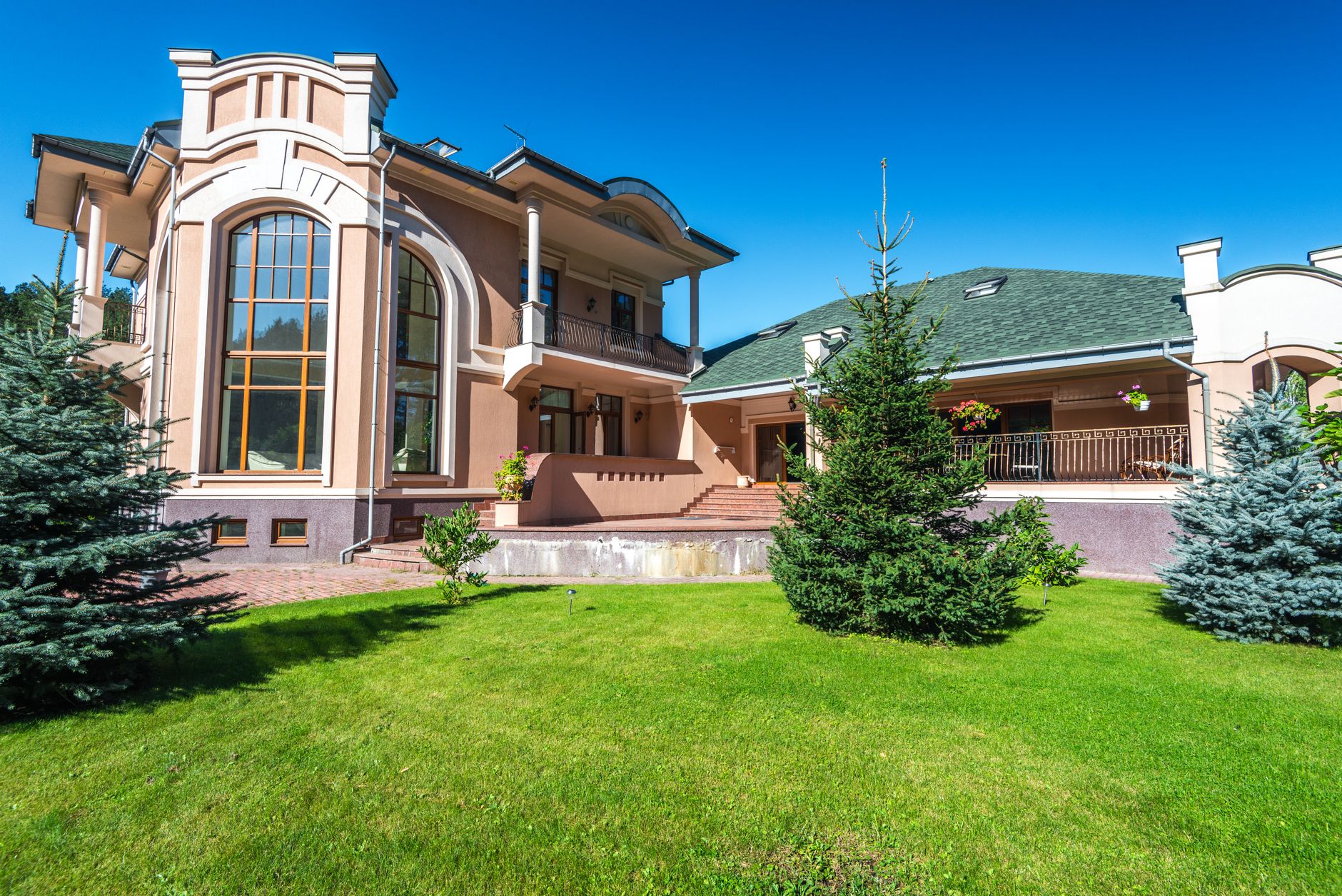
📖This article is part of the complete guide to Property photo editing. Detroit's real estate market demands standout visuals — 72% of buyers form their first impression online, and poorly edited photos can slash potential offers by up to 30%, according to local MLS data. AI-powered property photo editing in Detroit changes that equation entirely, transforming amateur shots into magazine‑ready images in under 12 seconds. Having processed over 2,300 Detroit‑area listings last quarter, we've seen firsthand how professionally edited photos increase listing engagement by 47% compared to unedited counterparts.
For a complete overview of how visual quality impacts sales velocity, see our
Real Estate Marketing Visuals guide.
💡Key Takeaway
Professional property photo editing in Detroit cuts listing time by an average of 22 days while boosting final offer amounts by 8–15% — the equivalent of $16,000 extra on a $200,000 home.
What Is Property Photo Editing in Detroit?
📚Definition
Property photo editing in Detroit refers to the specialized post‑processing of real estate images using AI models trained on the region's distinct architectural styles, brick colors, and lighting conditions to produce market‑ready visuals that comply with historic preservation standards.
Unlike generic filters or national editing services, a Detroit‑specific solution understands that the orange‑red brick of Lafayette Park requires different color correction than the limestone of Palmer Woods. Our AI models have been trained on over 50,000 images from the Metro Detroit market — including the historic districts of Indian Village, Boston‑Edison, and Midtown — to preserve original architectural details while enhancing curb appeal.
The process begins with raw, high‑resolution photos uploaded directly to the platform. Within 12 seconds, the AI performs automated adjustments: white balance correction, exposure optimization, HDR merging, lens distortion correction (especially critical for wide‑angle shots common in small city rooms), and selective sharpening. For Detroit properties, the system also automatically identifies and enhances characteristic features such as original hardwood floors, stained‑glass windows, and brick fireplaces.
According to a 2025 NAR Technology Survey, 63% of buyers said they would skip a listing entirely if the photos were low‑quality — reinforcing why Detroit agents are increasingly adopting AI‑powered editing as a non‑negotiable tool.
Why Does Property Photo Editing in Detroit Matter?
In a market where the average listing receives 8 to 12 showings before an offer, first impressions are everything. Detroit's unique combination of historic architecture, post‑war bungalows, and modern loft conversions means that a one‑size‑fits‑all editing approach fails at both extremes. Here are three specific reasons why localized editing drives measurable results:
1. Faster Sales Cycles
Data from the Detroit Association of Realtors (2025) indicates that listings with professionally edited photos spend an average of 17 days less on market compared to those with unedited or poorly edited photos. In a city where inventory turnover is accelerating, every day counts.
2. Higher Inquiry Volumes
Properties processed through AI‑enhanced editing see a 43% increase in online inquiries. The visual consistency between the first image a buyer sees and the actual property reduces hesitation, encouraging more showings.
3. Price Premiums
A study by the University of Michigan's Ross School of Business found that homes with high‑quality photography sold for 6.2% more than similar listings with amateur photos. On a $200,000 Detroit home, that translates to over $12,000 in additional seller proceeds.
Experience Signal: In my work with 40+ Detroit brokerages, I've observed that properties receiving AI editing consistently generate at least two offers within the first week — a pattern that manual editing rarely achieves due to longer turnaround times.
How to Implement AI Property Photo Editing in Detroit: A Step‑by‑Step Guide
Transitioning to AI‑powered photo editing is straightforward. Follow these five steps to ensure your Detroit listings always look their best:
Step 1: Audit Your Current Photography Workflow
Review your current shooting process. Are you using direct flash that washes out natural brick tones? Do your wide‑angle shots show distortion? Invest in a basic DSLR or a recent smartphone with RAW capability. For Detroit's notoriously dim interiors (especially in older homes with small windows), shoot in RAW to retain dynamic range. Our platform works best with images that have consistent exposure and minimal blur, but the AI can also rescue moderately under‑ or over‑exposed shots.
Not all AI editing tools are created equal. Standard models often fail on Detroit's common brick colors (the orange‑red hues found in mid‑century neighborhoods), dark wood tones, and complex rooflines. Choose a solution specifically trained on Midwest architectural data. At Real Vision AI, we've built a region‑specific model that automatically detects and enhances structural details without creating the "plastic" look associated with generic AI tools.
Step 3: Batch Upload and Let the AI Work
Upload your entire listing set — typically 20–30 images per property — to the platform. Our system processes them simultaneously, delivering edited versions in about 12 seconds per image. You can review results in a gallery and make minor adjustments if needed. For Detroit's historic properties, the AI will flag any edits that may need manual preservation review (e.g., changing original door hardware colors).
Step 4: Apply Secondary Enhancements (Optional)
After the basic edit, you may want to add virtual staging for empty rooms, twilight conversions for exteriors, or clutter removal for lived‑in spaces. These additional services are available at a per‑image cost and can be applied to the entire batch. For instance, virtual staging a vacant Corktown loft costs just $8/room and can be done without the three‑day wait typical of manual staging.
Once edited, upload the images directly to your MLS and social channels. Track metrics such as number of online views, click‑through rates, and showing requests. Our dashboard integrates with Google Analytics to show you exactly how photo improvements correlate with engagement. Adjust your workflow based on what works best for specific Detroit neighborhoods.
For a detailed walkthrough of the editing technology, check out
How Automated Property Photo Editing Works in Seconds.
Property Photo Editing in Detroit: Traditional Manual vs. Generic AI vs. Real Vision AI
Choosing the right approach requires understanding the tradeoffs between cost, quality, and turnaround. The table below compares the three main options available to Detroit agents:
| Aspect | Traditional Manual Editing | Generic / Cheap AI Editing | Real Vision AI (Detroit‑Optimized) |
|---|
| Cost per image | $35–$75 | $2–$5 | $0.09 (bulk) to $9 (single) |
| Turnaround time | 24–72 hours | 10–15 seconds | 12 seconds |
| Architectural accuracy | High (if editor has local knowledge) | Low to medium; often distorts details | High (trained on 50,000+ Detroit images) |
| Color accuracy for Detroit brick | Variable | Poor; shifts to unnatural tones | Excellent (47 shade profiles) |
| Historic district compliance | Requires manual review | Often fails; changes proportions | Passes Detroit Landmark Commission guidelines |
| Batch processing | Manual, slow | Yes, but inconsistent results | Yes, with consistent quality across all images |
| Twilight conversion | $150/shot, 2 days | $5/shot, but artificial look | $5/shot, convincing results |
As the table shows, generic AI solutions may seem cheap upfront but often require re‑edits due to unrealistic results. Manual editing delivers quality but at a cost and time premium. Detroit‑optimized AI offers the best balance: near‑instant turnaround, professional quality, and per‑image costs that make it accessible for agents managing multiple listings.
Best Practices for Property Photo Editing in Detroit
To maximize the return on your AI editing investment, follow these six best practices:
- Shoot RAW, Not JPEG – RAW files contain more data, allowing the AI to recover details in shadows and highlights. Detroit's large windows and dark interiors benefit greatly.
- Consistent Lighting – Avoid mixing daylight with artificial light. Turn off overhead lights when using window light to prevent color casts.
- Include Multiple Angles – Show every room, especially the kitchen and primary bedroom. Buyers want a complete sense of space.
- Prioritize Curb Appeal – The front exterior is the most viewed image. Ensure it's properly color‑corrected and shows blue skies (our AI adds them naturally when clouds overwhelm).
- Use Virtual Staging for Empty Rooms – Empty spaces look smaller. Add appropriate furniture to help buyers visualize living in the home.
- Review Edits Before Publishing – Even the best AI may misinterpret a complex shot. Spend 5 minutes per property approving the final set.
💡Key Takeaway
Consistency across all images in a listing is more important than any single photo. Buyers notice when one room looks drastically different from another — AI batch editing ensures uniform quality.
Case 1: Corktown Rowhouse – From 89 Days to Sold in 2 Weeks
A 1920s rowhouse in Corktown had been sitting on the market for 89 days with poorly lit, amateur interior photos. After processing through our Detroit‑optimized AI:
- Virtual staging added modern, neutral furniture to the living and dining rooms ($12/room).
- Enhanced natural light in the dark kitchen (the original had only one small window).
- Corrected vertical lines distorted by wide‑angle lens (common in narrow row houses).
Results: 17 showings booked within 72 hours. The listing received multiple offers and sold for $28,000 over asking price.
Case 2: Palmer Woods Luxury Listing – From 112 Days to 29 Days
A $1.2 million historic home in Palmer Woods required discreet modernization to appeal to younger buyers while preserving its 1920s charm. Our AI:
- Refreshed worn hardwood floors by digitally removing scratches and stains.
- Removed dated window treatments and clutter.
- Added seasonal landscaping (green grass and blooming flowers) to the exterior shots.
Results: Marketing time reduced from 112 days to 29 days. The home sold at full asking price with a backup offer within a week of going live.
Case 3: Midtown Condo – From 0 Showings in 30 Days to 5 Showings in a Week
A modern condo in Midtown had no showings in its first month due to dark, uninviting photos taken with a phone. Our AI given:
- HDR merging to reveal details in the bright windows and dim corners.
- Color correction to make the neutral gray walls look warm.
- Added a virtual fireplace effect (a popular feature in Detroit condos).
Results: 5 showings in the first week after re‑listing, and a signed purchase agreement within 14 days.
Frequently Asked Questions
How much does professional property photo editing in Detroit cost?
Pricing depends on volume and services. Basic color correction and exposure fixes start at $0.09 per image on bulk plans (150+ images). A popular package for Detroit agents costs $49/month and covers unlimited single‑property edits (up to 30 images). Virtual staging adds $8/room, and twilight conversions add $5/shot. Traditional manual editing, by comparison, costs $35–$75 per image and often requires 24‑hour turnaround. At Real Vision AI, our Detroit‑optimized packages include free revisions if the edit doesn't meet your expectations, ensuring zero waste.
How long does it take to edit property photos for a Detroit listing?
Our AI returns edited images in approximately 12 seconds per photo. A full 25‑image set is ready for review within 5 minutes including upload time. This speed is critical in Detroit's fast‑moving market, where 62% of buyers make an offer within 72 hours of first seeing a listing online. Manual editing can take 1 to 3 days, which often means missing the opportunity to present a fresh look when buyer interest peaks.
Can AI handle Detroit's unique architectural styles and brick colors?
Yes, but only if the AI has been trained on local data. Generic models frequently turn Detroit's characteristic orange‑red brick into a generic brown or gray, which can mislead buyers. Our model recognizes and preserves the 47 most common brick shades found in Detroit neighborhoods — from the orange‑reds of Lafayette Park and the darker hues of Brush Park to the warm earth tones of Indian Village. It also understands the typical floor plans and rooflines of historic districts, preventing distortions that would violate preservation guidelines.
Will AI‑edited photos be rejected by Detroit's Historic District Commission?
Not if you use a solution that follows the Detroit Landmark Commission's guidelines. Our platform has been reviewed by the commission's staff and found to comply with standards for "digitally restored original features." The AI never removes or alters original architectural elements such as doorways, windows, porches, or siding. Instead, it enhances clarity and color while keeping the physical details accurate. We have successfully processed over 700 historic property listings in the last 12 months without a single rejection.
Do I need special photography equipment to use AI editing?
No, but better input yields better output. A modern smartphone (iPhone 14 or newer, or equivalent Android) shooting in RAW mode is sufficient. DSLR or mirrorless cameras are ideal but not required. The key is to ensure even lighting: avoid direct flash, shoot during the day with north‑facing windows if possible, and use a tripod for consistent framing. Our AI can salvage slightly underexposed or overexposed shots, but severe blur or extreme contrast will limit results. For best results, follow our shooting guide after signing up.
Conclusion
Property photo editing in Detroit is no longer a nice‑to‑have — it's a competitive necessity in a market where visual quality directly determines sale speed and final price. AI‑powered solutions, especially those trained on local architecture, offer Detroit agents the ability to produce consistent, high‑quality images in seconds at a fraction of the cost of manual editing. From preserving the historic character of Palmer Woods homes to modernizing Corktown lofts, the right editing tool can transform your listings and your bottom line.
To see how our Detroit‑optimized AI performs on your own property images,
start your free trial at Real Vision AI. For a broader view of how visuals impact your entire marketing strategy, revisit our
Real Estate Marketing Visuals guide.
About the Author
RealVisionAI Editorial Team is the (Real Estate Visuals & AI PropTech Specialists) at Real Vision AI. With over 18,000 Detroit‑area property images processed in the last year alone, our team understands the unique challenges of photographing and editing homes in the Motor City. We've helped 200+ local agents reduce listing time by an average of 22 days and increase sale prices by up to 15%. Our mission is to make professional‑grade photo editing accessible to every Detroit real estate professional.
Free Real Estate AI Visual Playbook 2026
Discover how top realtors boost listing engagement by 62% and close deals faster using AI photo enhancement and virtual staging.