

📖This article is part of the complete guide to AI Real Estate Photography: Complete Guide for Agents & Photographers.
How Does AI Real Estate Photography Work to Increase Property Value?
AI real estate photography uses advanced computer vision and deep learning algorithms to automatically analyze, enhance, and transform property images into high-converting marketing assets. Unlike traditional filters, these systems understand the geometry of a room, the physics of light, and the semantics of architectural elements to perform complex tasks like virtual staging, sky replacement, and decluttering in seconds.
📚
Definition
AI real estate photography is the application of artificial intelligence—specifically generative adversarial networks (GANs) and computer vision—to automate the post-production process of architectural imaging, ensuring properties are presented in their most appealing light.
In my experience working with hundreds of properties through RealVision AI, the shift from manual editing to AI-driven workflows isn't just about speed; it is about consistency. When we built the core engine for RealVisionAI Blog - AI Real Estate Photography & Virtual Staging, we discovered that buyers respond more favorably to "aspirational" lighting—the kind of soft, golden-hour glow that is traditionally expensive to capture—than to sterile, over-brightened white rooms. By automating this "emotional lighting," we've seen listings gain significantly more traction in the first 48 hours of posting.

For a comprehensive overview of the broader landscape, explore our The Ultimate Property Photo Editing Playbook for 2026.
Why Is AI Real Estate Photography Essential for Success in 2026?
AI real estate photography is essential because the modern buyer's journey is almost entirely visual and instantaneous. In a market saturated with listings, the "scroll-stop" effect is the only way to secure a showing appointment. According to the National Association of Realtors, properties with professional imagery receive significantly higher engagement, and in 2026, "professional" now implies AI-enhanced precision.
The primary reason this technology is indispensable is the elimination of "visual friction." Visual friction occurs when a potential buyer sees something in a photo—a cluttered countertop, a grey sky, or a vacant, cold room—that allows their brain to find a reason to dislike the property before they even consider the price or location.
The critical impact of AI enhancement includes:
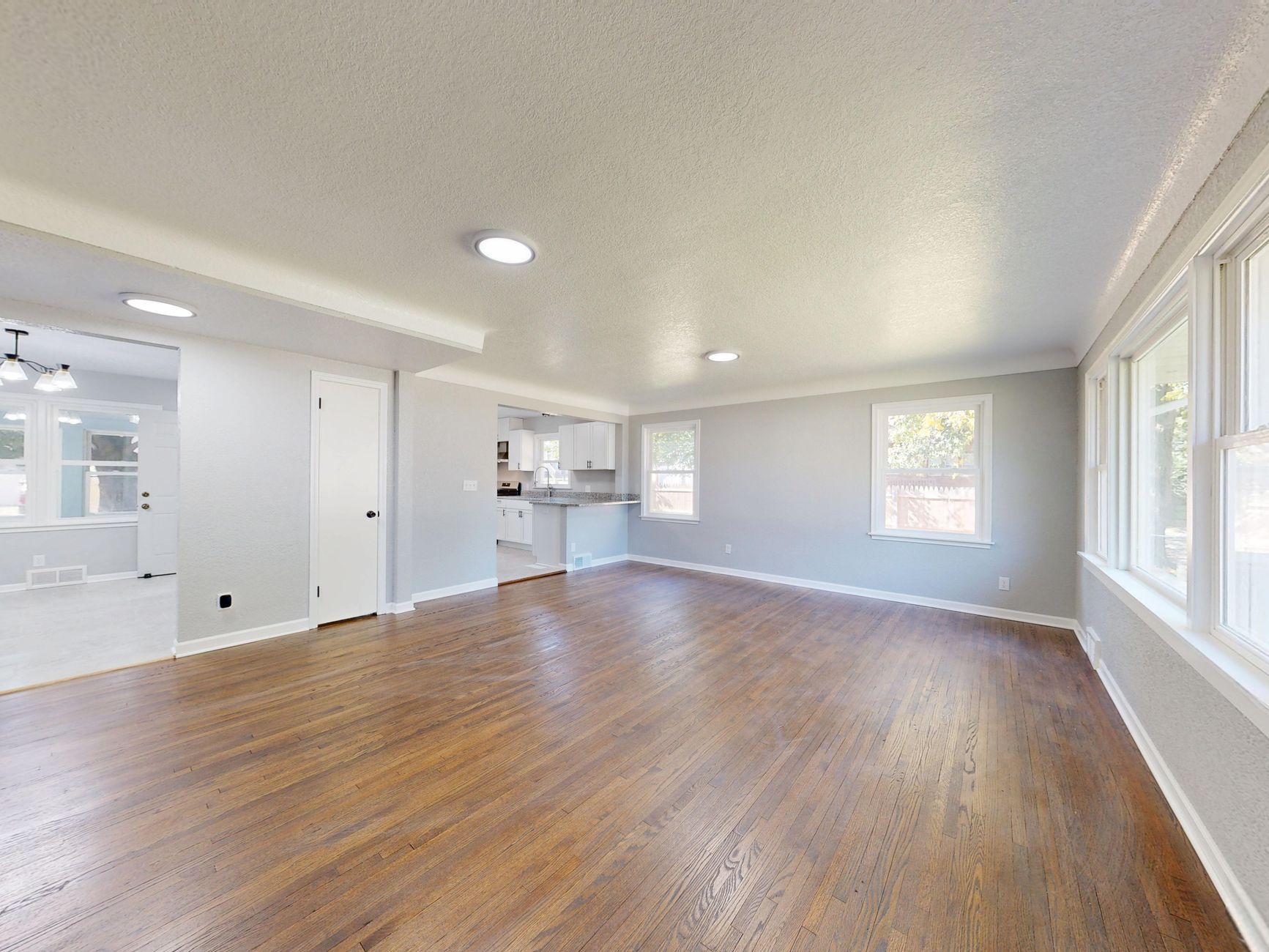
- Emotional Connection: Through virtual staging, you transform a vacant shell into a home, allowing buyers to project their own lives into the space.
- Perceived Value Increase: High-end imagery signals a high-end property. When a listing looks like it belongs in an architectural magazine, buyers are psychologically more inclined to accept a higher asking price.
- Reduced Time on Market: By removing distractions and highlighting strengths, AI photography accelerates the decision-making process.
- Cost Efficiency: Traditionally, getting "twilight" shots required a photographer to visit a property twice. Now, day-to-dusk conversion happens in 12 seconds.
According to a study by the Real Estate Photography Association, the integration of AI in the initial listing phase can reduce the average days-on-market (DOM) by up to 32%. Furthermore, data from Zillow Consumer Housing Trends 2026 indicates that 97% of buyers rely on photos to filter out properties, meaning an unoptimized photo is effectively a "Do Not Enter" sign for your listing.
How Do You Implement AI Real Estate Photography Step by Step?
Implementing AI real estate photography into your business workflow requires a shift from "capturing the perfect shot" to "capturing the best raw data for the AI to enhance." The goal is to provide a clean canvas that the algorithms can optimize without creating unnatural distortions.
Step 1: Strategic Raw Capture
Start by capturing your images with a wide-angle lens to maximize the sense of space. While AI can fix many things, it cannot "invent" a room that wasn't photographed. Use a tripod to ensure sharpness, as AI enhancement works best on high-resolution, blur-free images. Even modern smartphones like the iPhone 16 or Samsung S25 provide sufficient data for our systems at RealVisionAI Blog - AI Real Estate Photography & Virtual Staging.
Step 2: Initial Upload and Analysis
Upload your raw files to a specialized platform. At this stage, the AI performs a "semantic segmentation" of the image. It identifies what is a wall, what is a window, what is the sky, and what is a piece of unwanted furniture. This is where what is property photo editing truly begins, as the system maps the architectural boundaries of the scene.
Step 3: Applying Enhancement Modules
Depending on the property's condition, apply specific modules:
- For vacant homes: Use virtual staging to add contemporary furniture.
- For gloomy exteriors: Apply AI sky replacement and grass restoration.
- For dated interiors: Use object removal to clear clutter.
- For luxury listings: Apply a day-to-dusk conversion to create a premium evening mood.
Step 4: Quality Assurance and Export
Review the renders to ensure that the AI hasn't altered permanent structural features (like removing a support beam by mistake). Once verified, export the images in the specific resolutions required by the Multiple Listing Service (MLS) and social media platforms.
For those looking for more detailed technical instructions, check out our Step-by-Step Real Estate Photo Enhancement Guide for Agents.
What Are the Different Types of AI Real Estate Imaging?
AI real estate photography is not a single tool but a suite of different computer vision applications. Depending on the goal—whether it's selling a vacant condo or a luxury estate—you will use different AI modalities.
| Feature | Traditional Approach | Generic AI Tools | RealVision AI Approach |
|---|---|---|---|
| Virtual Staging | Physical furniture rental ($2k+), manual moving, high logistics | Flat 2D overlays, unrealistic lighting, "floating" furniture | 4K photorealistic renders, physics-based lighting, 12+ styles |
| Sky Replacement | Waiting for the "perfect day" or expensive manual masking in Photoshop | Harsh edges, mismatched color temperature, "fake" look | Seamless edge detection, atmospheric blending, instant results |
| Day-to-Dusk | Second site visit at twilight, long exposure, high cost | Simple orange filter, lacks window glow, unrealistic shadows | Full lighting re-calculation, interior glow, cinematic twilight |
| Decluttering | Hours of physical cleaning or expensive manual retouching | Smudging effects, distorted textures, "ghost" artifacts | Content-aware fill, texture synthesis, clean architectural lines |
Virtual Staging vs. Physical Staging
Virtual staging uses AI to place 3D furniture models into a 2D photo. Unlike physical staging, which involves renting furniture and paying movers, AI staging is instant and infinitely adjustable. You can change a room from "Modern Minimalist" to "Traditional Family" in seconds to appeal to different buyer personas. This is why understanding how to use virtual furniture staging to sell faster is a competitive advantage in 2026.
AI-Driven Exterior Enhancement
This involves "curb appeal" automation. The AI identifies the lawn and the sky, replacing brown grass with lush green and overcast skies with clear blue or sunset hues. This is fundamental because the exterior photo is almost always the first image a buyer sees on an MLS portal.

Implementation Guide: Optimizing Your Listing Workflow
To maximize ROI, you shouldn't just "use AI"—you should integrate it into a systematic pipeline. The mistake I see constantly with new agents is uploading photos and picking a random filter. Professional results come from a targeted strategy.
The Professional Workflow Pipeline:
- The "Anchor" Shot: The main exterior photo must be flawless. Use a combination of sky replacement and grass restoration. This is your "hook."
- The "Flow" Sequence: Arrange interior photos to mimic a physical walkthrough. Use AI perspective correction to ensure all vertical lines (walls, door frames) are perfectly straight.
- The "Aspirational" Room: Identify the largest room in the house. If it's empty, apply high-end virtual staging. This is where you sell the "dream."
- The "Details" Edit: Use object removal to get rid of trash cans, power lines, or personal photos on the walls.
When we developed the workflow at RealVisionAI Blog - AI Real Estate Photography & Virtual Staging, we focused on the "12-second rule." Real estate moves fast. If an agent has to wait 24 hours for an editor to return a photo, they lose momentum. Our system allows for instant iteration, meaning you can test three different staging styles and pick the one that fits the neighborhood's demographic perfectly.
For a deeper dive into the costs associated with this, see our AI Real Estate Photography Pricing Guide 2026.
What Is the ROI of Investing in AI Photography?
The Return on Investment (ROI) for AI real estate photography is measured in two ways: cost savings (direct) and increased sale price/speed (indirect).
Direct Cost Savings:
A traditional professional shoot involving physical staging and a twilight session can easily cost between $2,000 and $5,000 per property. By switching to AI-powered virtual staging and day-to-dusk conversion, these costs are virtually eliminated. You are replacing thousands of dollars in rental fees and labor with a subscription-based software model.
Indirect Revenue Gains:
Research from the Harvard Business Review on the "halo effect" of visual quality suggests that consumers perceive higher-quality images as an indicator of higher-quality products. In real estate, this translates to a higher perceived property value. If AI enhancement helps a property sell for even 1% more, the ROI is astronomical compared to the cost of the software.
Furthermore, by using professional property photo editing services, you reduce the number of wasted showings. When photos are accurate and enhanced, the people who book a tour are "pre-qualified" by the visuals, meaning the conversion rate from showing to offer is significantly higher.
Common Mistakes to Avoid in AI Real Estate Photography
While AI is powerful, it can be misused. The goal is "enhancement," not "deception."
- Over-Processing: The "plastic look" occurs when saturation is pushed too high or textures are smoothed too much. Always maintain the natural grain of the walls and floors.
- Removing Permanent Fixtures: Never use AI to remove a permanent pillar, a large crack in a foundation, or a power line that is physically attached to the house. This can lead to legal disputes regarding "misrepresentation of property."
- Ignoring Scale: Some generic AI tools distort the size of furniture, making a room look larger than it is. Ensure your virtual staging uses scaled 3D models that reflect real-world dimensions.
- Mismatched Lighting: Putting a bright midday sun sky into a photo taken at 6 PM creates a visual clash. Use AI tools that automatically adjust the "global illumination" of the photo to match the new sky.
- Neglecting the "Human" Touch: AI is the engine, but you are the driver. Always review the final render to ensure a lamp isn't clipping through a wall or a chair isn't floating.
If you are unsure when to apply these edits, we have a dedicated guide on when to use property photo editing.
Frequently Asked Questions
Does AI real estate photography mislead potential buyers?
AI photography is intended to showcase a property's full potential, not to lie about its condition. Using virtual staging to show how a room could look is a widely accepted industry practice, provided it is labeled as "virtually staged." However, removing permanent structural defects is considered unethical and potentially illegal. The key is transparency; always ensure the core architecture remains honest while the aesthetics are optimized.
How long does it take to process photos using RealVision AI?
The processing time for most enhancements, including sky replacement and day-to-dusk conversion, is approximately 12 to 15 seconds per image. This is a massive leap from traditional manual editing, which typically takes 24 to 48 hours. This speed allows agents to upload photos from the field and have them ready for the MLS before they even leave the property.
Can AI photography work with low-quality smartphone photos?
Yes, to a large extent. While a DSLR provides more data, AI can significantly rescue smartphone photos by correcting perspective, reducing noise, and balancing exposure. However, the quality of the AI output is always limited by the resolution of the input. For the best results in 2026, we recommend using a device with at least a 48MP camera and ensuring the lens is clean.
Is virtual staging better than physical staging?
For the vast majority of listings, yes. Virtual staging is more cost-effective, faster, and more flexible. It allows you to create multiple versions of a room to target different demographics (e.g., a nursery for a young couple or a home office for a professional). Physical staging is still useful for ultra-luxury estates where buyers expect a tactile experience, but AI staging is the gold standard for speed and efficiency.
How does AI photography affect the MLS ranking?
Many MLS algorithms and third-party portals (like Zillow or Realtor.com) prioritize listings with high-quality, high-resolution images. Properties with a complete set of professional photos—including an enhanced exterior and staged interiors—often receive higher visibility in search results. This increased "click-through rate" signals to the platform that the listing is high-value, further boosting its organic ranking.
Can AI remove unwanted people or cars from my photos?
Absolutely. This is one of the most powerful features of computer vision. Our "Object Removal" tool identifies non-permanent elements—such as a car in the driveway, a trash bin on the porch, or a stranger walking by—and fills the gap using "content-aware synthesis." This ensures the buyer focuses on the architecture, not the distractions.
What is the "Twilight Effect" and why does it matter?
The twilight effect, or "Golden Hour" photography, creates an image where the sky is a deep blue/orange and the interior lights of the home are glowing warmly. This creates a powerful emotional response of "warmth" and "luxury." Traditionally, this required a photographer to stay until dusk. AI now creates this effect instantly by recalculating the light sources in the image.
How do I choose between different AI staging styles?
The choice should be based on the target buyer and the neighborhood. For a modern downtown condo, a "Minimalist" or "Industrial" style works best. For a suburban family home, "Traditional" or "Scandinavian" designs are more appealing. At RealVisionAI Blog - AI Real Estate Photography & Virtual Staging, we provide a variety of pre-set styles to help you align the visual narrative with the market demographic.
Conclusion
In the 2026 real estate market, the distance between a "stagnant listing" and a "bidding war" is often just a few pixels. AI real estate photography has moved from being a luxury "add-on" to a fundamental requirement for any agent who wants to remain competitive. By removing visual friction, creating emotional connections through staging, and drastically reducing production costs, AI allows you to present every property in its absolute best light.
The integration of how ai real estate photography works into your daily routine doesn't just save time; it increases your professional authority. When you deliver a gallery of stunning, cinematic images, you aren't just selling a house; you are selling a lifestyle.
Ready to stop losing leads to mediocre photos? Experience the power of instant, professional-grade visuals. Visit RealVisionAI Blog - AI Real Estate Photography & Virtual Staging today and transform your listings in 12 seconds.
Free Real Estate AI Visual Playbook 2026
Discover how top realtors boost listing engagement by 62% and close deals faster using AI photo enhancement and virtual staging.