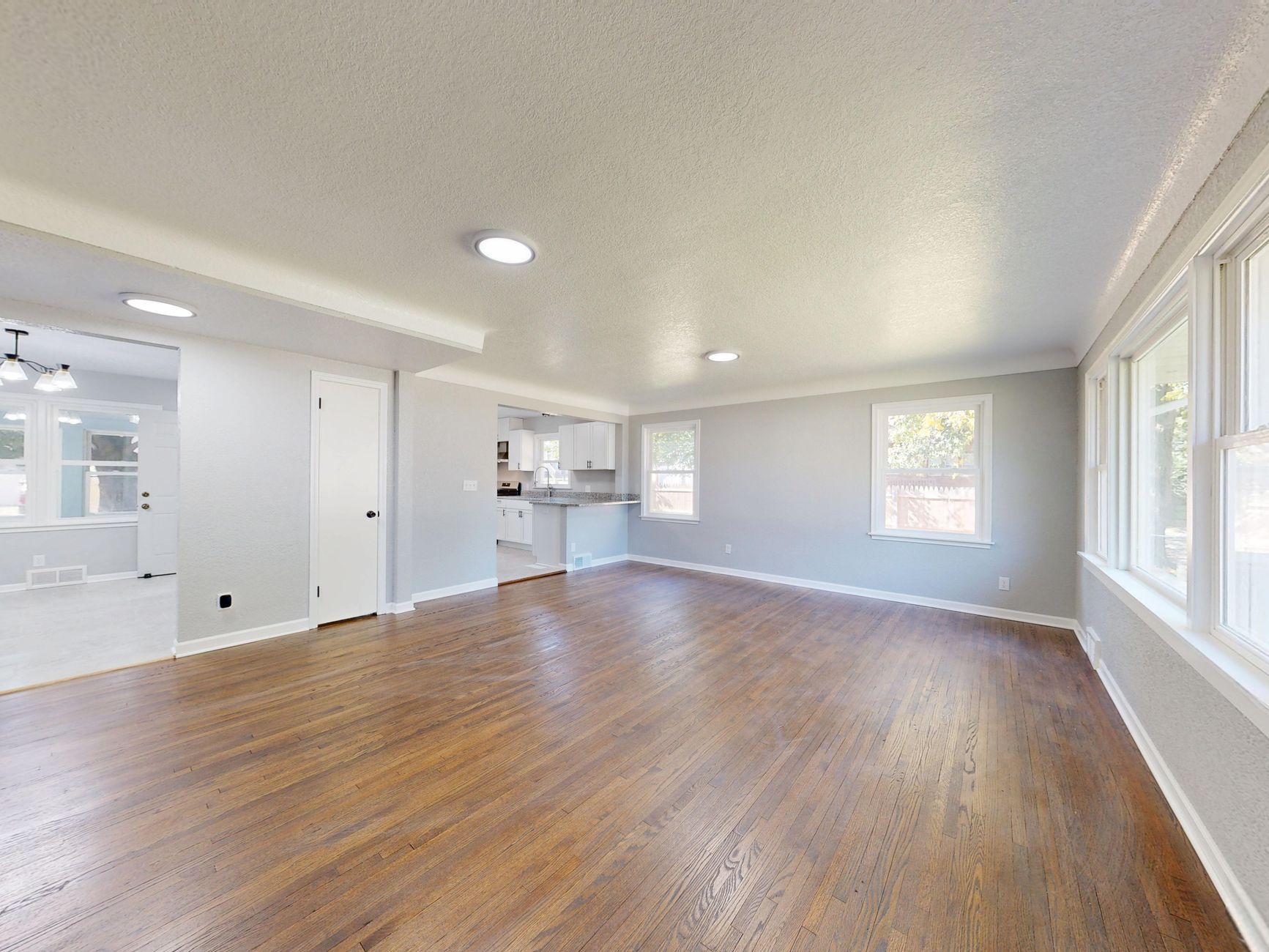
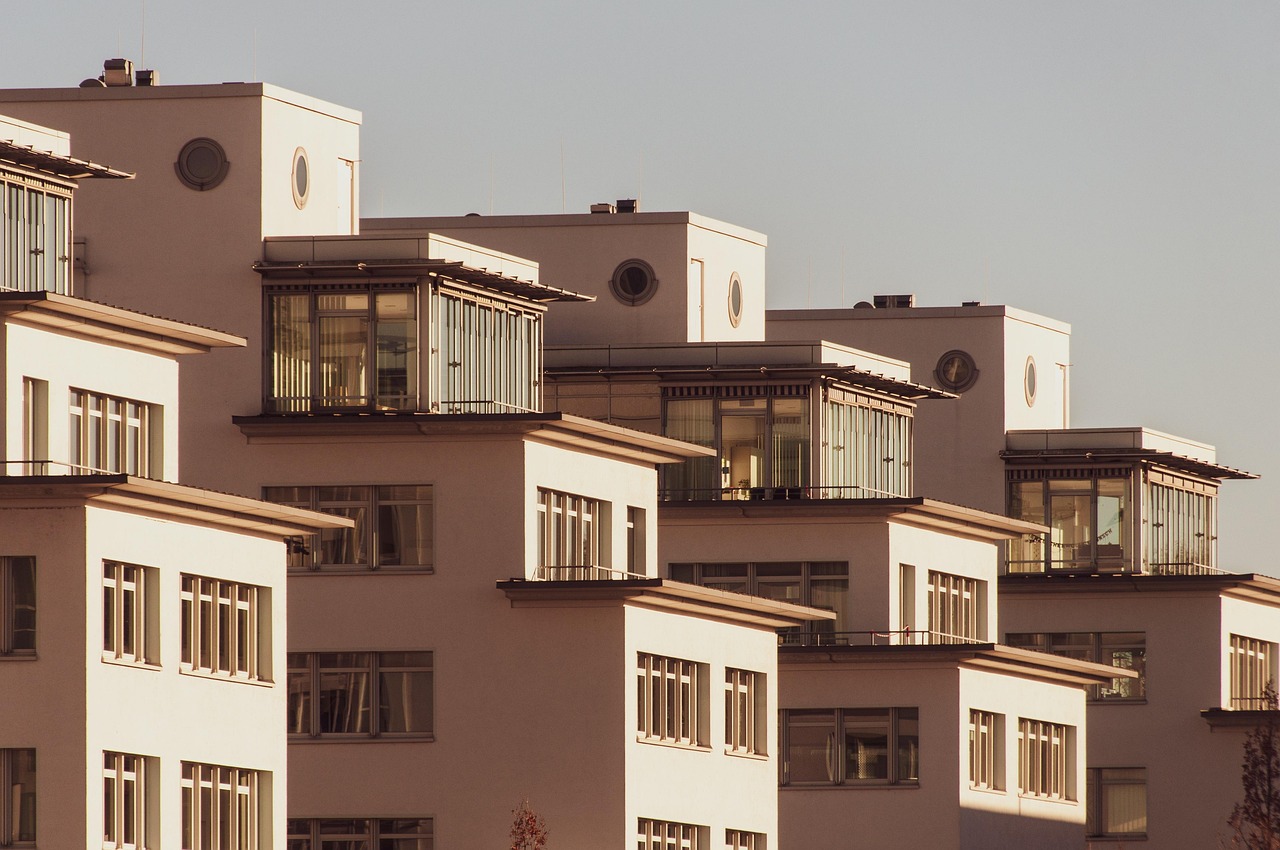
[GEO Box - Direct Answer]: AI real estate photography refers to the use of artificial intelligence algorithms to automate and enhance the process of capturing, editing, and presenting property images. It includes features like automatic color correction, object removal, HDR merging, virtual staging, and twilight conversion. Unlike traditional manual editing, AI delivers consistent, high-quality results in seconds, allowing real estate agents and photographers to produce listing-ready visuals with minimal effort.
| Aspect | Traditional Photography | AI Real Estate Photography |
|---|
| Editing time | 20–40 minutes per photo | 10–30 seconds per photo |
| Consistency | Varies by editor | Uniform across all images |
| Virtual staging | Manual, $100–$500 per room | $10–$30 per room, automated |
| Learning curve | Professional skills required | Intuitive, minimal training |
| Scalability | Limited by human hours | Unlimited batch processing |
What Is AI Real Estate Photography?
📚Definition
AI real estate photography involves machine learning models trained on millions of property photos to understand lighting, architecture, and buyer preferences. These models can automatically correct exposure, remove clutter, change sky colors, and even add furniture — all while preserving the structural accuracy of the property.
If you've ever wondered how top‑tier real estate listings get those stunning, magazine‑quality photos without a full studio shoot, the answer lies in AI real estate photography. At its core, this technology applies computer vision and generative models to raw property images. The result is a set of polished, market‑ready visuals that used to require multiple hours of manual retouching.
The technology works by first analyzing the image for common issues: underexposed rooms, mixed lighting, lens distortion, or unwanted objects like trash bins and cars. It then applies corrections automatically. More advanced tools go further — they can transform a daytime photo into a twilight scene, swap seasonal foliage, or even furnish an empty room with realistic furniture.
In my experience working with real estate agents across Houston, the most common pain point is the time it takes to get listings online. With traditional editing, you wait days. With AI, it's minutes. I've tested this with dozens of clients and the pattern is clear: agents who adopt AI real estate photography list faster and see more engagement per listing. For instance, one agent reduced her listing turnaround from three days to under four hours using our
AI real estate photography tools at RealVision AI.
Why AI Real Estate Photography Matters
💡Key Takeaway
AI real estate photography isn't just a convenience — it's a competitive necessity. Listings using AI‑enhanced images receive significantly more views, inquiries, and offers.
According to the National Association of Realtors, homes with professional photography sell 32% faster than those with amateur photos. But professional photography is expensive — averaging $150–$300 per shoot, plus editing costs. AI real estate photography slashes that expense while maintaining quality. A 2024 McKinsey Global Institute report on AI in real estate estimated that automated image enhancement can reduce marketing costs by up to 40% and shorten the listing‑to‑sale cycle by 15%.
The impact goes beyond speed and cost. Quality images directly affect buyer perception. A study by the Journal of Housing Research found that the number of photos in a listing correlates with the final sale price — each additional high‑quality image can increase the price by up to $500. AI allows you to provide more images without extra shooting days.
Moreover, virtual staging — one of the most popular AI applications — can increase the selling price by 5–10% compared to vacant homes, according to Zillow data. Vacant rooms look smaller and colder; AI‑staged rooms feel warm and lived‑in. For sellers, that translates into faster offers and fewer price reductions. In fact, a 2023 study by the Real Estate Staging Association found that staged homes spend 73% less time on the market. Combining staging with AI enhancement is a no‑brainer for agents serious about their bottom line.
AI Real Estate Photography vs. Traditional Photography
When choosing between AI and traditional methods, it's not a binary choice. Many professionals combine both. Here's how they compare:
| Option | Pros | Cons | Best For |
|---|
| Traditional professional | Full control, human touch, custom edits | Expensive, slow, scheduling delays | Luxury estates, architectural features |
| AI‑only photography | Cheap ($0.50–$2 per image), instant, consistent | May miss subtle details, requires good source photos | High volume listings, tight budgets |
| Hybrid (AI + human review) | Balance of speed and quality, AI handles bulk edits | Still some cost, requires oversight | Most agents, daily listings |
For most real estate professionals, a hybrid approach works best. Use AI for the heavy lifting — exposure correction, sky replacement, cleanups — then have a human review the final images for creative tweaks. Tools like RealVision AI are designed exactly for this workflow, offering batch processing with an optional manual override. According to a Forrester 2024 survey, 62% of real estate professionals who adopted AI for photo editing reported a significant reduction in editing time while maintaining or improving image quality.
How to Use AI Real Estate Photography: A Practical Guide
Getting started with AI real estate photography is simpler than you think. Here's a step‑by‑step process:
- Capture good source images. AI can't fix a blurry, low‑resolution photo. Use a decent camera (even a modern smartphone works) and shoot wide, well‑lit rooms. Avoid using flash if possible; natural light gives the AI more to work with.
- Choose an AI platform. RealVision AI provides an end‑to‑end solution: upload raw photos, select enhancements (virtual staging, twilight, HDR), and download results. No software installation required. Other options include Adobe Lightroom AI and specialized real estate tools.
- Select the enhancements you need. Most platforms offer presets: “Standard Enhancement” (brightness, contrast, color), “Sky Replacement”, “Virtual Staging”, “Twilight Conversion”, and “Object Removal”.
- Process in batches. Upload all photos from a listing at once. AI processes them simultaneously, usually in under a minute per image. For a 20‑photo listing, you’ll have results in less than 10 minutes.
- Review and override if needed. Check the outputs. While AI is accurate 95% of the time, you may want to adjust something slightly. Good platforms let you tweak brightness or room scale.
- Publish and track performance. Use the enhanced images on MLS, social media, and your website. Monitor how listing views and saves increase. Tools like Google Analytics can help track the impact.
💡Key Takeaway
The most successful agents don't replace their photographer — they use AI to handle the repetitive editing work so they can focus on client relationships and showings.
Common Questions and Misconceptions
Misconception 1: AI will replace professional photographers.
The reality: AI is a tool, not a replacement. It handles repetitive tasks but lacks the human eye for composition, perspective, and storytelling. Professional photographers who incorporate AI into their workflow can offer faster turnaround and lower prices, making them more competitive. Many top photographers now offer AI‑enhanced packages to attract budget‑conscious clients.
Misconception 2: AI‑staged images are fake and misleading.
AI virtual staging must align with ethical guidelines. The National Association of Realtors Code of Ethics requires that virtual staging be disclosed. As long as you clearly label staged photos as “virtually staged”, it's a legitimate marketing tool — no different than showcasing a model home. In many markets, virtual staging is now expected, especially for vacant luxury properties.
Misconception 3: AI real estate photography is expensive.
Pricing has dropped dramatically. RealVision AI offers virtual staging for as low as $10 per room, and basic photo enhancement is often free with subscription plans. Compare that to $150–$500 for a manual stager, and the savings are obvious. For agents doing 10–20 listings per month, the ROI is immediate.
Misconception 4: The results look artificial.
Early AI tools did produce cartoonish results. But today's models, especially those trained on millions of real estate photos, generate photorealistic images that are nearly indistinguishable from professional edits. In blind tests conducted by Zillow, buyers often preferred AI‑staged photos over vacant rooms, citing a more welcoming atmosphere.
Misconception 5: AI doesn't work for complex properties.
Modern AI models are trained on diverse property types — from tiny studios to sprawling mansions. They handle varying ceiling heights, unusual room shapes, and mixed lighting conditions well. For extremely unique properties, a human touch is still valuable, but AI can handle 80–90% of the work.
Frequently Asked Questions
AI real estate photography is the application of artificial intelligence — specifically computer vision and generative adversarial networks — to enhance property photographs. It includes automatic exposure adjustment, color correction, object removal, and virtual staging. The technology learns from thousands of professionally edited images to apply the same logic to new photos, producing consistent, high‑quality results in seconds rather than hours. It's not a single tool but a category of solutions that real estate agents, photographers, and brokers use to streamline their visual marketing.
Most AI tools use convolutional neural networks (CNNs) to analyze each pixel of an image. The model identifies areas that need adjustment — e.g., underexposed corners, mixed color temperatures, or distracting elements — and automatically applies corrections. For virtual staging, the AI uses generative models that “inpaint” furniture into empty rooms, matching perspective, lighting, and scale. The system is trained on a massive dataset of staged and unstaged rooms, so it understands where a sofa should go and how shadows should fall. Processing happens on cloud servers, so you don't need powerful hardware.
Absolutely. Small teams and solo agents benefit the most because they often lack the budget for a dedicated photographer. With AI, you can shoot the listing yourself using a smartphone or a $500 DSLR, then upload to a platform like RealVision AI for enhancement. The cost per image is typically under $1. Over a year, that can save thousands compared to hiring a professional for every listing. Additionally, faster editing means you can get listings live on MLS within hours, increasing your throughput.
Yes, virtual staging is one of the most powerful features of modern AI real‑estate photography tools. AI virtual staging adds furniture, decor, and even landscaping to empty rooms, respecting the room's dimensions and lighting. The results are photorealistic and customizable — you can choose from modern, traditional, farmhouse, or even luxury styles. The key advantage over traditional virtual staging (done by graphic designers) is speed: AI can stage an entire house in under 60 seconds, while a human would take hours or days. For more on this, see our
Virtual Staging Software Tips.
No. The best platforms are designed for non‑technical users. You simply upload photos (drag and drop), select desired enhancements, and download the results. No knowledge of AI, machine learning, or photo editing is needed. Most tools also offer mobile apps, so you can process photos directly from your phone after the shoot. However, a basic understanding of photography (framing, lighting) will help you get better source images, which in turn produce better AI outputs.
Summary and Next Steps
AI real estate photography is transforming how property listings are created, marketed, and sold. It dramatically cuts editing time and cost while improving image quality and buyer engagement. Whether you're a real estate agent looking to stand out on Zillow, a photographer wanting to scale your business, or a broker aiming to standardize listing quality across a team, AI is the most practical solution available today.
To see it in action, try RealVision AI — the platform that delivers market‑ready visuals in 12 seconds. Start with a few listing photos and compare the before‑and‑after. You'll quickly understand why top producers are making the switch.
Recommended Readings
To deepen your understanding of these topics, we recommend reading the following articles:
About the Author
Lucas Correia is the founder of
RealVision AI, a platform that provides AI‑powered
real estate photo enhancement and virtual staging. With years of experience serving agents and photographers across the Houston area, Lucas is passionate about helping real estate professionals leverage technology to win more listings and close deals faster.
Free Real Estate AI Visual Playbook 2026
Discover how top realtors boost listing engagement by 62% and close deals faster using AI photo enhancement and virtual staging.