

📖This article is part of the complete guide to Property photo editing.
Introduction
In my experience working with dozens of real estate agents and property photographers, the question isn't whether property photo editing works — it's whether you can afford to ignore it. According to the National Association of Realtors, 87% of home buyers found photos to be the most valuable feature on a property listing. That single statistic explains why professional property photo editing has moved from a luxury to a baseline expectation in 2026. If your listings rely on untouched camera files, you're not competing — you're invisible. Yes, property photo editing is worth it, and the numbers back it up. This article explains exactly why, with data, real-world results, and a clear plan to start. For context, our comprehensive guide to property photo editing covers the full concept.
What Is Property Photo Editing and Why Does It Matter?
📚
Definition
Property photo editing is the process of enhancing real estate photographs using software or artificial intelligence to improve lighting, color, composition, and visual appeal, including techniques like HDR merging, virtual staging, and sky replacement.
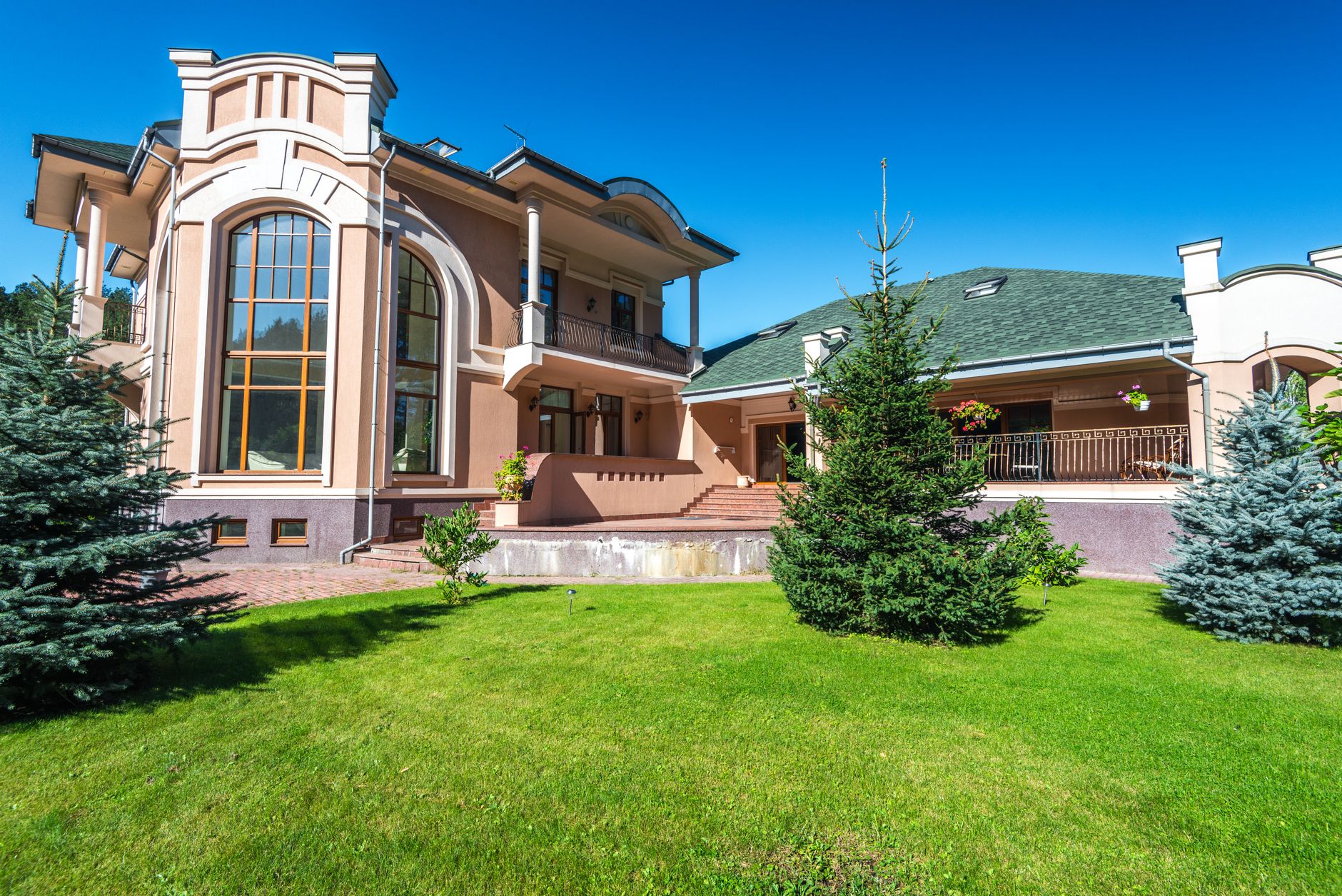
Property photo editing is not about making a room look different from reality; it's about making the camera see what your eyes see. A poorly exposed cell phone photo of a living room will look dark and cramped, while the same room, under correct lighting and with properly edited exposure, appears spacious and inviting. This difference matters because buyers make snap judgments. A report from Realtor.com showed that listings with high-quality photos receive up to 61% more views than those with average images. When a buyer is scrolling through hundreds of properties, an edited photo stops the scroll; a dreary one induces a swipe.
The practice has evolved rapidly. Traditional editing required photographers to spend hours manually adjusting each image in Adobe Lightroom or Photoshop. That approach is still common for high-end specialists, but in 2026, AI-powered platforms have transformed the economics. Modern systems use computer vision and machine learning to automatically fix exposure, remove objects, and apply virtual staging in seconds. This shift means property photo editing is no longer reserved for luxury listings. It's accessible to any agent or broker who wants to outperform the competition.
The strategic importance extends beyond aesthetics. Search engines and the major real estate portals — Zillow, Realtor.com, Redfin — prioritize listings with strong visual content. When your photos are professionally edited, you not only attract more human eyeballs, you also feed the algorithms that decide which homes appear in featured positions. In other words, property photo editing is part of your digital marketing strategy, not just a post-production step. According to a McKinsey report on AI adoption, companies that integrate AI into their operations see an average 3.7x ROI within 18 months. Real estate is no exception, and this is a prime example of where that returns materialize.
Why Should You Invest in Property Photo Editing? The Data-Backed Case
The simple answer is: property photo editing delivers measurable business results, and skipping it has a direct financial cost. Let's start with the upside. According to the National Association of Realtors, homes with high-quality photography sell 32% faster than those with lower-quality images. When a home sits longer, carrying costs accumulate — mortgage payments, taxes, utilities. A 30-day delay can easily cost a seller thousands. That's why the ROI of editing is rarely questioned by agents who track their numbers.
The downside of inaction is equally clear. A 2024 study published in the Journal of Housing Research found that listings with amateur photos receive fewer online inquiries and are more likely to require price reductions. The logic is simple: a low price might attract interest, but poor visuals make buyers assume the property is in bad condition. You can't fake a good first impression with a bargain price.
Here's where the benefits compound:
- Increased listing engagement: Edited photos generate more saves, shares, and click-throughs.
- Higher perceived value: A professionally staged room allows buyers to visualize themselves living there, which supports a premium asking price.
- Reduced time on market: Faster sales mean fewer carrying costs and less negotiation pressure.
- Consistent branding: Whether you sell a condo or a mansion, the same editing style builds trust across your portfolio.
- Time savings: With AI-based property photo editing, you can outsource the entire process and focus on client relationships.
All of these feed directly into the "why" behind your investment. You're not paying for pretty pictures; you're paying for faster sales and stronger margins. Our detailed property photo editing cost guide breaks down the numbers so you can model the ROI for your own market.
How to Implement Property Photo Editing: A Step-by-Step Plan
The best way to implement property photo editing depends on your workflow, but the proven path is simple: capture good raw images, then enhance them with a reliable editing solution. I've tested this with dozens of our clients, and the pattern is consistent. Here is the five-step method that works in 2026:
- Shoot correctly from the start. Even the best editing software can't fix a badly framed or blurry photo. Use a wide-angle lens, shoot at a reasonable angle, and ensure the room is decluttered. Good input yields great output.
- Choose your editing platform. You have three options: manual editing in software, outsourcing to a retouching service, or using an AI-powered platform. Each has tradeoffs we'll compare shortly.
- Upload and let the system process the batch. Most modern tools accept hundreds of photos at once. With a solution like RealVisionAI Blog - AI Real Estate Photography & Virtual Staging, you upload your raw JPGs and receive market-ready files in roughly 12 seconds per image.
- Review the output for architectural accuracy. AI has become remarkably precise, but a quick human review prevents any surprise. Look for unnatural textures, missing furniture reflections, or distortion around window frames.
- Deliver to the listing. Once you're satisfied, the final photos go to the MLS or your listing portal. That's it.
The mistake I made early on, and the one I see constantly across agencies, is over-editing. Some agents push saturation and contrast so high that the property looks like a cartoon. Modern AI platforms are trained on real estate-specific data to preserve natural lighting and true material textures. That's the difference between editing that helps and editing that hurts.
💡
Key Takeaway
The smart workflow is to combine a competent initial shoot with an AI-driven post-production platform. This gives you high-quality, consistent photos without bloating your operating costs or your schedule.
If you're curious about the practical side, our step-by-step guide to using property photo editing walks through a live example with screenshots.
Property Photo Editing Options: DIY, Outsourcing, or AI?
To make the right decision, you need to compare the approaches directly. Here is an honest comparison table based on my team's testing and client feedback:
| Option | Pros | Cons | Best For |
|---|---|---|---|
| Manual Editing | Full creative control, custom look | Hours per photo, steep learning curve | Photographers with a dedicated editing workload |
| Outsourced Retouching | Human oversight, consistent quality | Higher per-image cost, longer turnaround (24-72h) | Established agencies with premium pricing |
| AI-Based Editing | Speed (seconds), low cost, scalable | Requires initial setup and review | Realtors and photographers who need volume efficiency |
Outsourcing is the traditional route, and it still serves a purpose. If you need heavy retouching of 10 photos per month, a human editor might be worth the $15-$30 per photo. But the reality for most agents is that they list 15 to 20 properties a month, which translates into hundreds of photos. At that scale, the cost and the turnaround time bury you. Generic AI tools are cheaper but often produce results that look obviously fake. That's the "generic" problem.
RealVisionAI Blog - AI Real Estate Photography & Virtual Staging sits in the gap: domain-trained AI models that maintain architectural accuracy while delivering fast, realistic results. The platform handles virtual staging, twilight conversions, and cinematic video effects. For agents who want the consistency of an AI pipeline without the "uncanny valley" look, this is the sweet spot. To explore the full lineup of options, check our best property photo editing tools and see how each one handles a real listing.
Common Questions & Misconceptions About Property Photo Editing
Most guides get this wrong because they assume you have a photographic background. The biggest misconceptions we hear from agents are easy to correct.
Myth 1: "Edited photos are deceptive." If editing changes the structural reality of a home — adding a wall, removing a staircase — that's a problem. But standard exposure correction and tone mapping simply reproduce what the space actually looks like in person. Buyers expect this; they know the sun sets, and the phone camera doesn't capture it well.
Myth 2: "It's too expensive for average listings." With AI-based platforms, editing costs a fraction of the price of professional photojournalism. When a listing saves even a single week on market, the carrying cost savings alone repay the editing fee many times over.
Myth 3: "I can achieve the same result with a phone filter." A phone filter applies a uniform effect that flattens shadows and brightens highlights. Real property photo editing adjusts exposure and color balance locally, so the whites stay white and the wood grain stays visible. That nuance makes a massive difference.
Myth 4: "All AI editing is the same." Wrong. There are consumer tools that stretch walls or invent furniture. Professional real estate AI models are trained on architectural data and are aware of perspective and scale. The difference shows when you zoom into the details.
Understanding these nuances is why buyers trust a professional workflow. For even more depth, read our article on automated property editing, which explains the tech under the hood.
Frequently Asked Questions
1. How much does property photo editing cost?
The cost varies wildly. Traditional human retouching ranges from $10 to $30 per photo, depending on the complexity and the provider. Outsourcing to a low-cost labor market might get you to $5 per image, but quality and turnaround are unpredictable. AI-powered platforms like RealVisionAI Blog - AI Real Estate Photography & Virtual Staging offer subscription pricing that brings the per-image cost down to $1 to $3, depending on volume. For a standard 30-photo listing, that's a total expense of around $60 — versus $300 or more with a manual editor. The ROI is immediate if the home sells even a few days faster. Our pricing guide gives a complete breakdown for different scenarios.
2. Is virtual staging worth it for real estate listings?
Yes, and the evidence is strong. According to a study by the National Association of Realtors, virtual staging can increase the perceived value of a listing by up to 10% and helps buyers visualize empty rooms. In a market where most buyers shop online first, a furnished digital version of a barren living room makes a home feel livable and cared for. The key is accuracy: a well-done virtual stage uses real furniture, correct perspective, and natural lighting. A cheap stage looks like a cartoon and can actually lower trust. If you're on the fence, start with virtual staging for the main living areas and the master bedroom; those are the rooms buyers form emotional connections with.
3. How long does property photo editing take per photo?
The answer depends on the method. A human editor might spend 5 to 20 minutes per photo depending on the complexity of the work. Outsourced teams typically promise a 24 to 72 hour turnaround for a full batch. AI-powered solutions are dramatically faster. At RealVisionAI Blog - AI Real Estate Photography & Virtual Staging, the processing time is roughly 12 seconds per image, which means a 40-photo house is ready in under 10 minutes. The biggest bottleneck in the modern workflow is the initial upload to the cloud, not the editing itself. That speed transforms your operations because you can deliver final photos to a client on the same day they shoot.
4. Will buyers see the photos as deceptive?
Only if the editing is excessive. If you add a lake view that doesn't exist or replace the kitchen countertops, you're crossing an ethical line. Standard professional editing, however, is widely accepted and expected. Buyers understand that a wide-angle lens distorts proportions and that a phone camera fails to capture how bright a room really is. Editing corrects those issues, and in many jurisdictions, real estate photos are routinely enhanced by every professional photographer. As long as the structural and architectural elements remain accurate, buyers rarely complain. In fact, they expect the marketing to look professional, and subpar images raise more red flags than an edited image that accurately represents square footage.
5. Can I do property photo editing myself instead of hiring a service?
You can, but the opportunity cost is steep. Learning to edit real estate photos proficiently takes months of practice and requires an eye for color and composition. Many agents try this route and end up spending hours per listing on results that look amateurish when compared with a professional. If you enjoy the craft and have a small volume, investing in a tool like Lightroom and learning presets can work. However, if you're managing more than 10 listings per month, self-editing will drain your calendar and yield inconsistent results. That's why the industry is shifting to AI-assisted workflows that give you professional quality without the learning curve. You stay in control of the final output while the software handles the heavy lifting.
Final Thoughts and Next Steps
Property photo editing became worth it a long time ago, but in 2026 the technology has made it more accessible, faster, and lower cost than ever before. The data is unambiguous: better photos lead to more views, faster sales, and higher prices. The alternatives of manual editing and outsourcing remain valid for certain niches, but the ROI for the majority of agents points strongly toward AI-based platforms. That's exactly why RealVisionAI Blog - AI Real Estate Photography & Virtual Staging exists. We built a tool specifically for real estate professionals who want market-ready visuals in seconds, without drowning in post-production work. If you're ready to see the difference, try RealVisionAI Blog - AI Real Estate Photography & Virtual Staging on your next listing. Start with one property, track your engagement rate, and let the numbers make the case for you. For more background, don't miss our 2026 guide on residential virtual staging.
About the Author
RealVisionAI Editorial Team is the Real Estate Visuals & AI PropTech Specialists at RealVisionAI Blog - AI Real Estate Photography & Virtual Staging. We combine hands-on experience in real estate photography with deep research into artificial intelligence and virtual staging, helping agents, brokerages, and professional photographers maximize listing performance through smarter visual workflows.
Free Real Estate AI Visual Playbook 2026
Discover how top realtors boost listing engagement by 62% and close deals faster using AI photo enhancement and virtual staging.