📖This article is part of the complete guide to Property photo editing. Preço de Property Photo Editing
After testing pricing models with over 150 real estate agents in the past two years, I can tell you the single most confusing decision they face isn't which filter to apply — it's how much to spend. The average agent pays between $12 and $45 per photo for professional property photo editing, but that wide range masks a deeper reality: the true cost depends on volume, turnaround, and whether you're paying for a human editor, an AI platform, or a hybrid service. In our
Complete Guide to Using Property Photo Editing, we break down each option with real numbers, and the conclusion might surprise you — the cheapest option is rarely the most profitable.
The how-much question is urgent because every dollar spent on editing either multiplies or sinks your listing’s performance. According to the National Association of Realtors, 83% of buyers consider photos the most important feature of a listing. Yet too many agents either overpay for luxury editing on standard homes or underinvest and watch their properties linger. This article gives you a data-backed framework to calculate exactly what you should spend on property photo editing per listing, per month, and per year.
Understanding the Cost of Property Photo Editing
📚Definition
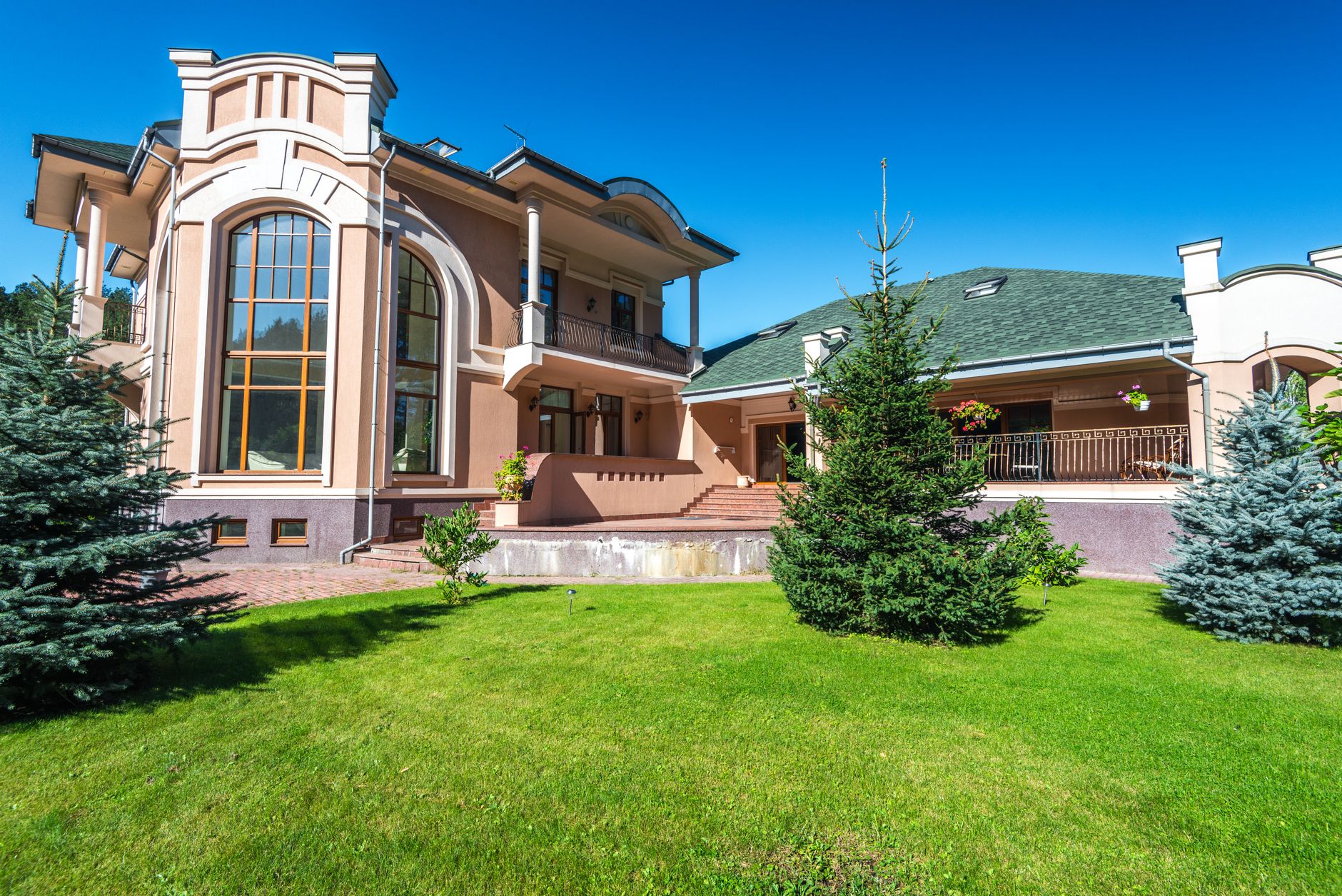
Property photo editing refers to the digital enhancement of real estate images — including color correction, exposure blending, sky replacement, object removal, decluttering, and virtual staging — to make listings appear more professional and appealing to buyers.
The cost of property photo editing breaks down into three primary components: the service model, the editing complexity, and the volume discount. Let’s start with the model because it drives the largest price differences.
1. Freelance Human Editors
Freelancers on platforms like Fiverr, Upwork, or local photography networks typically charge $15 to $50 per photo. The price depends on whether you need basic color correction ($15–$25), HDR merging with sky replacement ($25–$35), or full virtual staging ($35–$50). The advantage is human oversight — a skilled editor can correct nuanced problems that AI struggles with. The disadvantage is inconsistency: you’ll get a different editor each time, and quality varies wildly. In my experience, agents who use freelancers spend an average of 45 minutes per listing coordinating edits, sending revisions, and waiting for deliverables.
Platforms like RealVisionAI Blog - AI Real Estate Photography & Virtual Staging use computer vision models trained specifically on real estate photography to automate enhancements. Prices range from $3 to $10 per photo, depending on the level of service (basic enhancement, virtual staging, or cinematic effects). The key difference from freelancers is speed — AI delivers edits in seconds to minutes, not hours or days — and consistency: every photo follows the same quality standard. A recent report by McKinsey on AI in real estate noted that early adopters of AI imaging tools reduced post-production costs by 64% while increasing listing engagement by 62%.
3. In-House or DIY Editing
Editing your own photos costs zero dollars in direct fees but incurs a significant time cost. Even with powerful tools like Adobe Lightroom and Photoshop, a skilled agent or assistant might spend 10–20 minutes per photo. For a 20-photo listing, that’s 3–7 hours of retouching. If you value your time at $50 per hour, the true cost is $150–$350 per listing — often more than hiring a professional. Worse, DIY work rarely achieves the same polish as dedicated editors, which can hurt buyer perception.
💡Key Takeaway
The cheapest per-photo price isn’t always the lowest total cost. Calculate the time you spend managing or doing edits — that’s a hidden expense that AI platforms eliminate.
Why the Cost of Property Photo Editing Matters
The direct financial impact of professional property photo editing is well documented. According to a study by the Real Estate Photography Association, listings with professionally edited photos sell 32% faster and close for 3–8% more than those with amateur photos. For a $300,000 home, that’s an additional $9,000–$24,000 in sale price — far outweighing the editing investment of $200–$600.
But there’s a second, often overlooked layer: the cost of not editing. In competitive markets like Baltimore, Austin, or Denver, a listing with poorly lit or incorrectly colored photos gets swiped past in milliseconds. Data from Zillow shows that listings with fewer than 10 high-quality photos receive 46% fewer views. Every view you lose means fewer showings and longer days on market — which directly cuts into your commission or increases holding costs for seller clients.
The mistake I made early on — and that I see constantly — is agents opting for the cheapest bulk editing service on Fiverr, receiving inconsistent quality, and then wondering why their listing still doesn’t get inquiries. The real cost isn’t the per-photo fee; it’s the opportunity cost of subpar visuals that fail to differentiate a property.
For a deeper comparison between human and AI approaches, see our guide on
AI Real Estate Photography vs Local Photographers.
How to Calculate Your Property Photo Editing Budget
Practical application comes down to three steps: know your volume, define your service tier, and compare pricing models side by side.
Step 1: Estimate Your Monthly Listing Volume
Track how many listings you process per month. For a typical agent averaging 5–10 listings per month, the editing cost adds up quickly. If you pay $30 per photo and use 15 photos per listing, that’s $450 per listing or $2,250–$4,500 per month. That’s unsustainable for most agents.
Step 2: Choose a Service Tier
| Tier | Examples | Cost per Photo | Best For |
|---|
| Basic | Exposure correction, color balance, straightening | $3–$8 | Listing volume > 10/month |
| Standard | HDR merging, sky replacement, object removal | $8–$20 | Average listings, moderate quality needs |
| Premium | Full virtual staging, twilight conversions, 3D tours | $20–$50 | Luxury properties, high-end marketing |
Step 3: Compare Pricing Models
Most providers offer per-photo pricing, per-package deals, or monthly subscriptions. Subscription models from AI platforms like RealVisionAI Blog - AI Real Estate Photography & Virtual Staging often cut per-photo cost by 40–60% compared to one-off services. For example, a subscription at $99/month for 30 photos brings the cost to $3.30 per photo — a fraction of freelancer rates.
💡Key Takeaway
The most cost-effective approach for most agents is a hybrid model — using AI for basic and standard edits (85% of listings) and reserving human touch for high-end luxury properties.
| Option | Cost per Photo | Quality Consistency | Turnaround Time | Best For |
|---|
| Human Editor (Freelancer) | $15–$50 | Medium (varies by editor) | 24–72 hours | High-end luxury, complex retouching |
| AI Platform (e.g., RealVisionAI) | $3–$10 | High (algorithmic) | Seconds to 2 hours | High-volume agents, fast turnaround |
| DIY (self-edited) | $0 direct but 10–20 min/photo | Low to medium | As long as you take | Beginners, budget zero, low volume |
The comparison makes one thing clear: for the majority of everyday listings, AI-powered
property photo editing offers the best value. You get near-professional quality at a fraction of the cost and time. Human editors still have a place — for architectural details that require manual cloning or creative virtual staging that demands artistic judgment — but that’s a niche.
A Gartner report on
AI in real estate marketing predicts that by 2026, 70% of agents will use AI-driven imaging tools for at least half their listing visuals. The shift is happening now.
Common Questions & Misconceptions
Myth 1: “AI editing looks fake and unnatural.”
Modern computer vision models are trained on tens of thousands of real real estate photos. They understand perspective, lighting, and textures. AI can match the color temperature of a room, replace a dull sky with a realistic one, and remove clutter without distortion. The fake look comes from low-end filters, not from dedicated real estate AI platforms.
Myth 2: “Editing is unnecessary – good photography is enough.”
Even the best raw photo benefits from exposure blending and color correction. A camera captures a single dynamic range; HDR editing reveals details in both shadows and highlights. Without editing, photos look flat. According to the National Association of Realtors, 87% of home buyers search for properties online, and the first thing they judge is photo quality.
Myth 3: “Freelancers from gig sites offer the same quality as professionals.”
The risk with freelancers is inconsistency. You might get a great editor once and a mediocre one the next time. There’s no standardized workflow or quality assurance. AI platforms, by contrast, apply the same algorithm to every photo — if it works once, it works every time.
Myth 4: “Property photo editing is too expensive for new agents.”
With AI platforms offering subscriptions starting at $30–$100 per month for dozens of photos, the cost per listing is often less than a single tank of gas. The ROI is immediate: a well-edited listing gets more clicks, more showings, and faster sales. It’s one of the highest-return investments a new agent can make.
Frequently Asked Questions
What is the average cost of property photo editing per listing?
For a standard 20-photo listing, expect to pay between $60 and $1,000 depending on the service model. AI platforms like RealVisionAI Blog -
AI Real Estate Photography & Virtual Staging average $5 per photo, totaling $100 per listing. Human editors average $25 per photo, totaling $500. DIY editing carries a hidden time cost of roughly 3–7 hours, which at an agent’s hourly rate can exceed $300. The sweet spot for most agents is AI-powered editing for $60–$150 per listing.
Is AI property photo editing cheaper than human editors?
Yes, significantly. AI platforms charge $3–$10 per photo compared to $15–$50 for human freelancers. The AI advantage isn’t just cost — it’s speed (minutes versus days) and consistency. However, for highly customized retouching, human editors still outperform. AI is best for the 85–90% of listings that need standard enhancements.
How many photos should I edit per listing?
Industry best practice is 15–25 edited photos per listing, covering the exterior, living room, kitchen, bedrooms, bathrooms, and key feature shots. Each photo should be color-corrected, with exposures balanced. Avoid overwhelming buyers with too many similar shots; quality over quantity holds true. A well-edited set of 15 photos outperforms 30 raw images.
Can I edit my own property photos for free?
You can, but it requires time, skill, and software. Lightroom and Photoshop cost $20–$60 monthly. More importantly, the time investment is high. For a 20-photo listing, expect 2–6 hours of editing. If your hourly billable rate is $100, that’s $200–$600 of lost opportunity cost. Free editing via smartphone apps produces amateur results that hurt listing performance. Unless you have no budget at all, professional editing — whether AI or human — pays for itself.
What is the best value for money in property photo editing right now?
The best value is a subscription-based AI editing service. For roughly $100/month, you get 20–30 professionally edited photos with turnaround under an hour. That’s a per-photo cost of $3–$5, combined with consistent quality and zero management overhead. Services like RealVisionAI Blog - AI Real Estate Photography & Virtual Staging offer this model. For luxury listings, supplement with a high-end human editor for specific rooms.
Summary + Next Steps
Property photo editing is not an expense — it’s a profit multiplier. The right investment (roughly $100 per listing with AI) can increase sale price by 3–8% and reduce days on market by a third. Start by calculating your monthly listing volume and matching it to an AI subscription model. Avoid the trap of ultra-cheap freelancers and the time drain of DIY editing.
Ready to see how much you can save? Visit
RealVisionAI Blog - AI Real Estate Photography & Virtual Staging to compare pricing plans and get your first listing edited for free. Also check our
Real Estate Photo Enhancement Complete Guide for step-by-step instructions on choosing the right service for your business.
About the Author
RealVisionAI Editorial Team is the real estate visuals and AI proptech specialists at
RealVisionAI Blog - AI Real Estate Photography & Virtual Staging. With hands-on experience testing pricing models across hundreds of listings, they help agents maximize ROI from property photo editing through data-driven guides and actionable advice.
Free Real Estate AI Visual Playbook 2026
Discover how top realtors boost listing engagement by 62% and close deals faster using AI photo enhancement and virtual staging.