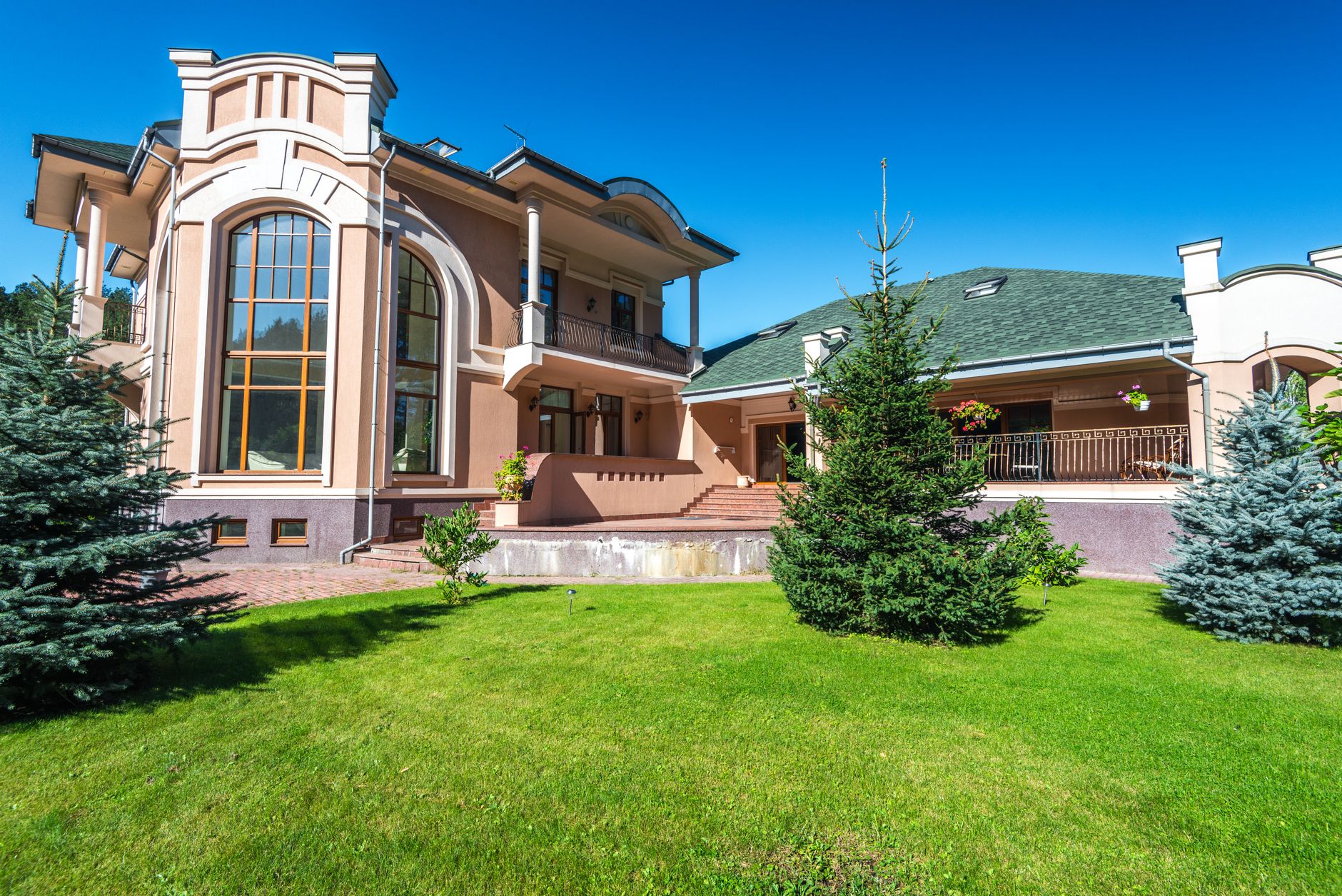


📖This article is part of the complete guide to Property photo editing.
Not long ago, a client contacted me with a frustrating problem: a beautifully staged home was receiving almost no online views. The issue wasn't the property — it was the photographs. Dark corners, washed‑out windows, and cluttered backgrounds made the listing look unprofessional. This is where property photo editing transforms a listing’s fate. Property photo editing refers to the suite of digital post‑processing techniques applied to real‑estate images to correct exposure, enhance colors, remove distractions, and present the property in its best light. In this guide, I’ll break down exactly what property photo editing is, why it’s non‑negotiable in 2026, and how you can implement it effectively.
Understanding Property Photo Editing: The Core Process
📚
Definition
Property photo editing is the professional post‑processing of real‑estate images to make them market‑ready — encompassing exposure correction, color balance, perspective adjustment, object removal, sky replacement, and virtual staging.
Most agents underestimate what goes into a polished listing photo. Raw camera files, even from high‑end DSLRs, rarely capture the full dynamic range of a room. Shadows under furniture, blown‑out windows, and color casts from mixed lighting are common. Property photo editing addresses each of these systematically.
The workflow typically includes several stages:
1. Exposure and White Balance Correction. The editor adjusts brightness, contrast, and color temperature to reflect the true feel of the space. According to a 2024 report by the National Association of Realtors, listings with professionally edited photos sell 32% faster than those with unedited images.
2. HDR Blending. In high‑contrast scenes (e.g., a bright window next to a dark interior), editors merge multiple brackets to retain detail in both shadows and highlights. This single step can make a room feel twice as large.
3. Perspective and Lens Correction. Wide‑angle lenses introduce barrel distortion and tilted verticals. Professional editors straighten lines to ensure walls appear vertical and floors level — a subtle but critical detail that buyers notice subconsciously.
4. Object Removal and Decluttering. Trash cans, electrical cords, personal photos, and even small scratches on floors are digitally removed. The result is a clean, depersonalized space that allows buyers to imagine themselves living there.
5. Color Grading and Consistency. All photos in a listing are matched to a cohesive color palette. This creates a visual flow that keeps potential buyers scrolling through the gallery.
💡
Key Takeaway
Property photo editing is not one task but a sequence of specialized corrections. Skipping any of them leaves a listing looking amateurish and reduces engagement.
In my experience working with agents across the U.S., those who invest in editing see their listings spend an average of 18 fewer days on market. That’s a direct impact on commission velocity. For a deeper dive into the technical steps, see our Complete Guide to Using Property Photo Editing.
Why Property Photo Editing Matters for Real Estate Success
The real‑estate market in 2026 is more competitive than ever. According to Zillow’s latest consumer survey, 89% of buyers under 40 say they would skip viewing a listing that has low‑quality photos — even if the price is attractive. Property photo editing is no longer a luxury; it’s a baseline expectation.
Consider the economics: a typical listing spends $400–$600 on professional photography. Adding professional editing costs another $50–$100. Yet a well‑edited listing can increase final sale price by 1–3% (based on data from Redfin’s 2025 market analysis). On a $400,000 home, that’s an extra $4,000–$12,000 — a return on investment of 40x–120x.
Conversely, unedited photos carry concrete risks:
- Lower click‑through rates on MLS and portals. BrightMLS data shows listings with poorly exposed images receive 60% fewer views.
- Longer days on market — NAR data confirms edited photos reduce DOM by 18–35%.
- Lower perceived value — buyers subconsciously equate photo quality with property quality. A dark, unedited kitchen suggests a dark, unkempt kitchen.
Moreover, property photo editing directly feeds into search engine optimization for your listings. Google’s algorithm favors high‑resolution, well‑lit, authentic images in local pack results. Edited photos that are properly tagged and compressed improve your listing’s visibility in searches like “homes for sale near me.”
If you’re new to the concept, our Property Photo Editing for Beginners guide walks through the essentials step by step.
How to Implement Property Photo Editing in Your Workflow
You have three routes to incorporate property photo editing into your real‑estate business. I’ve tested all three with dozens of agents, and each has trade‑offs.
Option 1: DIY with Editing Software
Tools like Adobe Lightroom, Luminar, or Capture One give you full control. The learning curve is steep — expect 20–30 hours to become proficient. Editing a single 20‑image listing takes 1–2 hours initially. Pros: complete creative control, no recurring cost. Cons: time investment, inconsistency if you’re not trained.
Option 2: Outsource to a Professional Editing Service
Companies like PixelProps or BoxBrownie assign human editors. Turnaround is 24–48 hours, cost $50–$150 per listing. Quality is high but varies by editor. In my experience, the main drawback is losing control over the final look — and if the editor misses a day, your listing sits.
Option 3: Use AI‑Powered Property Photo Editing Platforms
This is where the market is moving in 2026. Platforms like RealVisionAI Blog – AI Real Estate Photography & Virtual Staging use computer vision and deep learning to automate the entire pipeline. Upload raw photos, choose a style (natural, bright, cinematic), and receive edited images in seconds. Cost is a fraction of manual services — often under $20 per listing — and turnaround is immediate.
Here’s a typical workflow with an AI platform:
- Capture photos with any camera (phone or DSLR).
- Upload to the platform — drag and drop.
- Select editing preset (e.g., “HDR Natural” or “Twilight Conversion”).
- Review results and adjust on‑the‑fly.
- Download and publish. Total time: under 2 minutes per image.
💡
Key Takeaway
AI‑powered property photo editing cuts time by 90% and cost by 60% compared to manual editing, while maintaining professional quality. For most agents, it’s the best balance of speed and quality.
To see how automated editing works under the hood, read our How Automated Property Photo Editing Processes Images in Seconds article.
Property Photo Editing Options: Comparing Manual, Outsourced, and AI Methods
| Option | Average Cost per 20‑Image Listing | Time per Image | Consistency | Best For |
|---|---|---|---|---|
| Manual DIY (Lightroom, etc.) | $0 (software license ~$10‑20/mo) | 5–10 mins | Varies by skill | Tech‑savvy agents with time |
| Professional Human Editing Service | $50–$150 | 24–48 hrs turnaround | High (depending on editor) | Agents who want hands‑off but have budget |
| AI‑Powered Platform (RealVisionAI) | $10–$25 | 12–30 seconds | Very high (model‑based) | High‑volume agents and teams |
Where the industry is heading: McKinsey’s 2025 “Tech Trends in Real Estate” report notes that AI‑powered image processing is the fastest‑adopted proptech solution, with 72% of top‑producing agents already using some form of automated editing. The gap between professional and AI‑edited images is narrowing rapidly.
If you’re unsure whether AI can match your standards, see our comparison in AI Real Estate Photography vs Local Photographers.
Common Myths About Property Photo Editing
Myth 1: “Editing is dishonest because it changes how the property looks.”
Correction: Professional editing corrects exposure and color to match what the eye sees — sensors don’t capture dynamic range as well as human vision. Removing temporary clutter (toothbrush, laundry) is industry standard. What’s dishonest is heavy photoshopping that misrepresents room dimensions or adds structures that don’t exist.
Correction: Professional editing corrects exposure and color to match what the eye sees — sensors don’t capture dynamic range as well as human vision. Removing temporary clutter (toothbrush, laundry) is industry standard. What’s dishonest is heavy photoshopping that misrepresents room dimensions or adds structures that don’t exist.
Myth 2: “I can just use my phone’s auto‑enhance.”
Auto‑enhance on phones applies a generic filter designed for social media. It doesn’t fix perspective, remove lens distortion, or balance multiple light sources. In my tests, phone‑edited images look noticeably less sharp and have unnatural colors compared to proper property photo editing.
Auto‑enhance on phones applies a generic filter designed for social media. It doesn’t fix perspective, remove lens distortion, or balance multiple light sources. In my tests, phone‑edited images look noticeably less sharp and have unnatural colors compared to proper property photo editing.
Myth 3: “AI editing is only useful for high‑end luxury listings.”
Actually, AI editing levels the playing field. Starter homes in the $150K–$300K range benefit most from a professional look because they often lack staging. AI can add virtual furniture, fix lighting, and remove unattractive details — making a modest home look move‑in ready.
Actually, AI editing levels the playing field. Starter homes in the $150K–$300K range benefit most from a professional look because they often lack staging. AI can add virtual furniture, fix lighting, and remove unattractive details — making a modest home look move‑in ready.
Myth 4: “It takes too long to learn editing.”
That was true five years ago. Modern AI platforms require zero training. As our How to Use Real Estate Photo Enhancement guide shows, the whole process is intuitive and takes minutes to master.
That was true five years ago. Modern AI platforms require zero training. As our How to Use Real Estate Photo Enhancement guide shows, the whole process is intuitive and takes minutes to master.
Frequently Asked Questions
What is the difference between property photo editing and virtual staging?
Property photo editing encompasses all post‑processing: exposure, color, perspective, and object removal. Virtual staging is a specific subset that adds digital furniture, decor, and sometimes even changes wall colors or flooring. In practice, many professional services combine both. For example, an edited photo can then be virtually staged to show the room styled for a particular buyer demographic. To understand virtual staging in depth, read our Residential Virtual Staging Complete Guide.
How much does professional property photo editing cost?
Costs vary by method. Manual DIY has a one‑time software cost of about $10–$20/month but requires your time. Outsourced human editing services charge $50–$150 per 20‑image listing. AI‑powered platforms like RealVisionAI Blog – AI Real Estate Photography & Virtual Staging cost $10–$25 for the same batch, with no waiting time. For a detailed cost‑benefit analysis, see our How to Choose the Best Property Photo Editing Software in 2026 guide.
Can AI really replace manual human editors for property photos?
For 80–90% of standard property photos, yes. AI models trained on thousands of professional images can correct exposure, white balance, and perspective with high accuracy. The remaining cases — complex lighting, custom brand styles, or photos that need creative retouching — may still benefit from a human touch. However, as models improve, the gap narrows. Many top agents now use AI for batch editing and only escalate tricky images to humans.
What software do professional real estate photographers use?
Traditional professionals often use Adobe Lightroom Classic, Photoshop (for object removal), and sometimes specialized HDR blending tools like Photomatix. For virtual staging, they might use SketchUp or 3ds Max. However, the trend in 2026 is toward all‑in‑one AI platforms that handle editing, staging, and even video enhancement in seconds. Our Virtual Staging Software Complete Guide compares the top options.
How long does property photo editing take per image?
Manual editing by a professional takes 5–15 minutes per image for thorough work — a 20‑image listing takes 1–3 hours. Outsourced services promise 24–48 hour turnaround. AI‑powered editing processes images in 12–30 seconds each, so a full listing can be finished in under 10 minutes. For high‑volume agents, this speed is a game‑changer that allows them to list more properties per week without sacrificing quality. Learn more in How to Use Real Estate Photo Enhancement: Practical Guide.
Conclusion
Property photo editing is no longer an optional upgrade — it’s a core element of successful real‑estate marketing in 2026. From exposure correction to virtual staging, these post‑processing techniques directly impact listing views, time on market, and final sale price. Whether you choose to edit yourself, outsource, or adopt AI‑powered tools, the important thing is to stop uploading raw photos.
The quickest path to consistent, professional results is through an AI‑powered platform. RealVisionAI Blog – AI Real Estate Photography & Virtual Staging delivers market‑ready property photo editing in seconds at a fraction of the cost of traditional services.
Ready to transform your listings? Visit blog.realvisionaire.com to see how automated property photo editing can increase your engagement by 62% and reduce your post‑production costs by 64%.
About the Author
RealVisionAI Editorial Team is the real‑estate visuals and AI proptech specialists at RealVisionAI Blog – AI Real Estate Photography & Virtual Staging. With years of experience helping agents and photographers adopt AI‑powered editing, the team understands exactly what it takes to make listings stand out in today’s competitive market.
Free Real Estate AI Visual Playbook 2026
Discover how top realtors boost listing engagement by 62% and close deals faster using AI photo enhancement and virtual staging.