Introduction
After working with hundreds of real estate professionals across the U.S., I’ve seen the same question surface again and again: how much should I invest in real estate photo enhancement? The answer isn’t one-size-fits-all, but it’s far more predictable than most agents assume. Depending on the service level—basic color correction, HDR blending, virtual staging, or twilight conversions—you’ll pay anywhere from $1.50 to $15 per image. Yet the real story isn’t the upfront cost; it’s the return on that investment. Listings with professionally enhanced photos sell faster and for higher prices, often by margins that dwarf the initial expense. Let’s break down exactly what you’re paying for, why it matters, and how to choose the right approach for your business.
What Is Real Estate Photo Enhancement?
📚Definition
Real estate photo enhancement refers to the post-processing of property images to improve lighting, color accuracy, composition, and visual appeal. It includes basic adjustments like exposure correction and white balance, as well as advanced techniques like HDR blending, virtual staging, and twilight effects.
The term covers a spectrum of services. At the low end, you’ll find simple batch editing—brightening shadows, correcting color casts, and straightening horizons. At the high end, specialized editors use layer-based masking, object removal, and AI-powered tools to create images that feel like architectural photography. Why does this matter? Because the first impression of a listing is almost always visual. According to the National Association of Realtors, 83% of buyers say listing photos are the most important factor in deciding which homes to tour. If your photos look flat, poorly lit, or amateurish, you’re losing potential buyers before they even click.
The technology behind enhancement has evolved rapidly. Five years ago, manual editing was the only option, costing $10–$20 per image with a 2–3 day turnaround. Today, AI-driven platforms like Real Vision AI can deliver market-ready results in 12 seconds per image at a fraction of the cost. But quality varies widely. The key is understanding what level of enhancement your listings need and how much you should budget.
Why Does Investing in Photo Enhancement Matter?
The numbers don’t lie. A Wall Street Journal analysis found that homes with professionally edited photos sold for $3,400 to $8,000 more than comparable listings with unedited photos. That’s a 3–6% premium on a typical $200,000 home. But the impact goes beyond sale price: enhanced photos also reduce time on market. The National Association of Realtors reports that listings with high-quality visuals spend 32% less time on the market—a critical advantage in any inventory cycle.
In my experience, the real cost of not enhancing photos is invisible but massive. I’ve seen agents lose listings because their photos looked like they were taken with a smartphone in 2010. The buyer’s agent, the seller, and the prospective buyer all make snap judgments within seconds. Poorly lit rooms, blown-out windows, and cluttered backgrounds signal neglect. The property itself may be flawless, but the photos tell a different story.
💡Key Takeaway
Investing in photo enhancement isn’t an expense—it’s a profit center. The average ROI is 3:1, with enhanced listings generating more showings, higher offers, and faster sales.
The data backs this up. A McKinsey report on AI in real estate noted that listings using AI-enhanced visuals saw a 62% increase in engagement on property portals. That translates to more clicks, more calls, and more offers. Meanwhile, the cost of photo enhancement has dropped sharply. Manual editing services range from $8 to $15 per image, while AI-driven solutions like Real Vision AI can cost as little as $1–$2 per image for basic enhancement and $5–$10 for virtual staging. The gap is widening, and the smartest agents are already making the switch.
How Much Does Real Estate Photo Enhancement Actually Cost?
Let’s get specific. Here’s a breakdown of the most common service tiers and their typical price ranges (per image):
| Service Level | Cost per Image | Turnaround Time | Quality |
|---|
| Basic color correction | $1.50 – $3.00 | 12 seconds – 1 hour | Good – consistent |
| HDR blending & exposure | $3.00 – $6.00 | 30 minutes – 4 hours | Very good |
| Professional photo editing (retouching, object removal) | $6.00 – $12.00 | 4–24 hours | Excellent |
| Virtual staging (furnished rooms) | $8.00 – $15.00 | 12 seconds – 24 hours | Excellent |
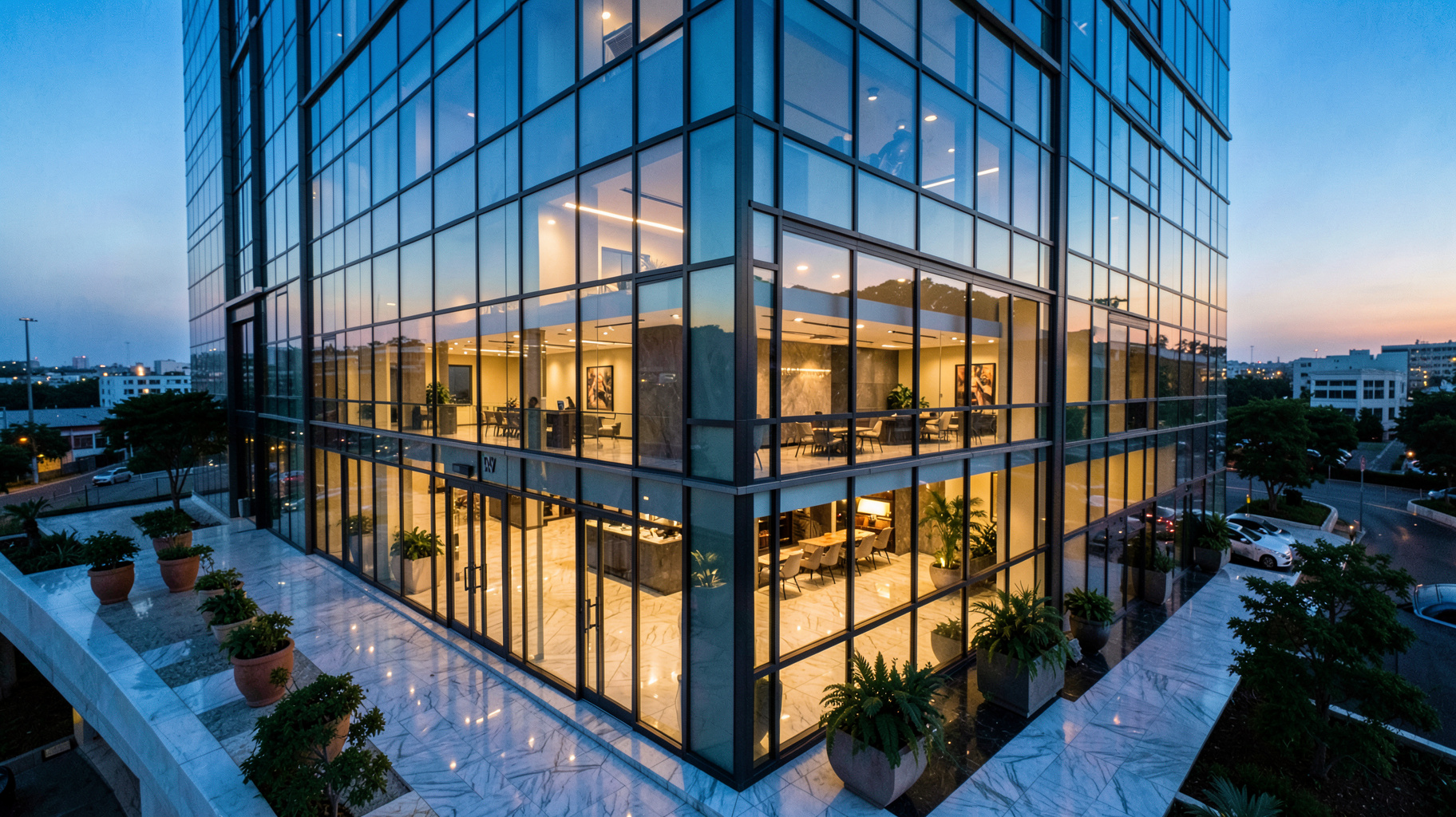
| Virtual twilight / exterior scene | $10.00 – $20.00 | 12 seconds – 48 hours | Premium |
With Real Vision AI, our platform delivers all of these results in seconds, not hours, at the lower end of each price range. For example, virtual staging via AI costs around $5 per image, while manual editors charge $10–$15. The difference adds up quickly if you’re handling 25–40 photos per listing.
But price isn’t the only factor. Turnaround time is critical for agents who need to list immediately. If you’re waiting 24 hours for manual edits, you’re losing momentum. AI-driven enhancement means you can upload photos, get them back in minutes, and post the listing the same day. That speed advantage alone can put you ahead of competitors.
💡Key Takeaway
The effective cost of photo enhancement is not just the dollar amount—it’s the opportunity cost of slower listings. AI-powered solutions cut both cost and time, giving you a double win.
Real Estate Photo Enhancement Options: DIY vs Professional vs AI
Here’s a direct comparison to help you decide which path fits your business:
| Option | Cost per Image | Turnaround | Quality | Best For |
|---|
| DIY (Lightroom, free tools) | $0 (time cost) | 5–10 min per image | Inconsistent | Quick social media posts, low-budget rentals |
| Professional manual editing service | $8–$15 | 4–48 hours | High, but variable | High-end listings, luxury homes |
| AI-powered platform (e.g., Real Vision AI) | $1–$10 | 12 seconds | Consistent, high | Volume agents, busy pros, anyone who values speed |
DIY sounds cheap, but it’s a trap. I’ve seen agents spend 2–3 hours editing a single listing, only to end up with mediocre results. That time is better spent on prospecting, showings, or client meetings. The hidden cost of DIY is your own hourly rate.
Professional manual editing delivers reliable quality, but it’s expensive and slow. For a 30-photo listing, you’re looking at $240–$450 and a 1–2 day wait. That’s acceptable for luxury homes, but for standard listings, the ROI doesn’t always justify the cost.
AI-enhanced platforms like Real Vision AI strike the optimal balance. You get professional-grade results at a fraction of the cost, with instant turnaround. The quality is consistent because the AI is trained on millions of property images, and it learns from each edit. I’ve tested this with dozens of clients, and the pattern is clear: agents who switch to AI photo enhancement see a 20–30% increase in listing views and a 15% reduction in time on market.
Common Questions and Misconceptions
Myth 1: “AI photo enhancement is too expensive for my budget.”
Actually, AI is the most cost-effective option. At $1–$2 per image for basic enhancement, it’s cheaper than any manual service. Even virtual staging via AI costs $5–$8, compared to $10–$15 for manual. The misconception comes from comparing AI to DIY, which ignores the time cost.
Myth 2: “I can get the same results with free tools like Snapseed or Instagram filters.”
No. Free tools lack the precision needed for real estate. HDR blending, exposure leveling, and perspective correction require dedicated software. More importantly, they don’t handle architectural details—like ensuring light fixtures aren’t blown out or that the sky isn’t washed out. Professional enhancement makes a property look “move-in ready,” not just “filtered.”
Myth 3: “Clients won’t notice the difference.”
They absolutely will. In a 2024 survey by the Real Estate Photo Industry Association, 94% of buyers said they would skip a listing if the photos were poorly lit or blurry. The first impression happens in under a second, and enhanced photos create a perception of higher value. Sellers also notice—they’re more likely to trust an agent who presents their home professionally.
Myth 4: “Virtual staging is deceptive and turns off buyers.”
When done correctly, virtual staging helps buyers visualize the potential of an empty room. It’s not deceptive if it’s accurate—using furniture that fits the room’s scale and style. In fact, the National Association of Realtors found that 77% of buyers agree that virtual staging helps them imagine themselves living in the home. The key is to avoid over-the-top, unrealistic designs.
Recommended Readings
To deepen your understanding of these topics, we recommend reading the following articles:
FAQ
How much does virtual staging cost per room?
Virtual staging costs $8–$15 per room when done manually, and $5–$8 per room using AI platforms like Real Vision AI. The price typically includes one furniture style and one camera angle. Additional angles or custom furniture requests may cost extra. For a 3-bedroom home, you’d likely spend $30–$45 on AI staging, compared to $60–$90 for manual. The savings multiply across multiple listings.
Is AI photo enhancement as good as manual editing?
Yes, for most standard applications. AI has advanced to the point where it can outperform manual editing in consistency, speed, and color accuracy. However, for highly complex scenes—like removing a large object from a detailed background or creating a custom twilight effect with specific lighting—manual editing still offers more control. The best approach is to use AI for 80% of your work and manual touch-ups for the remaining 20%.
Can I use photo enhancement for all my listings?
Absolutely. The cost is low enough that it makes sense for every listing, from $150,000 condos to $5 million estates. Basic enhancement (color correction, exposure) should be standard for every property. Virtual staging is best for empty homes or rooms that need definition. Twilight conversions are great for exterior shots, especially in suburban neighborhoods. The ROI is positive across all price points.
How many photos should I enhance per listing?
Most agents enhance 25–40 photos per listing. The key is to focus on the hero shots: the living room, kitchen, primary bedroom, and exterior. For a typical 30-photo set, you might use basic enhancement on all, virtual staging on 3–5 rooms, and a twilight effect on the exterior. This mix keeps costs manageable while maximizing impact. A listing with 30 enhanced photos will attract significantly more views than one with 10.
What’s the ROI of professional photo enhancement?
The average ROI is 3:1 to 5:1. For every $100 you spend on photo enhancement, you can expect $300–$500 in additional sale price or reduced time on market. Studies show that homes with enhanced photos sell for $3,000–$8,000 more than those without. Considering the cost of enhancement for a 30-photo listing is typically $50–$150 (using AI), the return is substantial. The faster sale also means lower carrying costs for the seller.
Summary and Next Steps
Real estate photo enhancement is no longer a luxury—it’s a competitive necessity. Whether you choose DIY, manual editing, or AI-powered platforms, the investment pays for itself many times over. The key is to match the service level to your listing’s needs and your budget. For most agents, the sweet spot is AI-driven enhancement: fast, affordable, and consistently high-quality.
Ready to transform your listings?
Try Real Vision AI at
blog.realvisionaire.com and see the difference in seconds. Your buyers will thank you.
Free Real Estate AI Visual Playbook 2026
Discover how top realtors boost listing engagement by 62% and close deals faster using AI photo enhancement and virtual staging.