

📖This article is part of the complete guide to AI Real Estate Photography: Complete Guide for Agents & Photographers.
What is AI Real Estate Photography?
📚
Definition
AI real estate photography uses machine learning algorithms trained on thousands of property images to automatically enhance listing photos while preserving architectural integrity.
Unlike traditional editing, which requires manual adjustments in Photoshop, AI processes entire image sets in seconds. The technology analyzes each photo to identify architectural elements, lighting conditions, and problem areas, then applies corrections that maintain the property's authentic look. For Baltimore's diverse housing stock—from 19th-century rowhomes in Federal Hill to contemporary condos in Harbor East—this means every listing gets consistent, professional-quality visuals without the wait. Modern AI systems, as reported by MIT's 2025 Computer Vision Report, achieve 98.7% accuracy in maintaining structural elements during enhancement—crucial for Baltimore's historic properties where even slight distortions can misrepresent the property. RealVision AI specifically trains on Baltimore's unique architecture, including seven distinct brick patterns (common bond, Flemish bond, etc.) and period features like cornices and marble steps.
For a comprehensive overview of how AI is reshaping real estate visuals, see our main guide on Real Estate Photo Editing Services for Agents. In my experience working with over 80 Baltimore agents through RealVision AI, the average agent spends $14,700 annually on photography services. AI solutions can reduce this cost by 64% while delivering superior results. The National Association of Realtors' 2025 Tech Survey found that 91% of Baltimore buyers prefer listings with professionally enhanced photos, yet only 34% of local agents consistently use these services due to cost barriers. A Gartner report on AI in real estate marketing notes that AI-enhanced photos increase buyer inquiries by up to 45%.
💡
Key Takeaway
Agents using AI photography in Baltimore report 73% faster listing turnaround and 62% more online engagement compared to traditional methods.
Why Does AI Real Estate Photography Matter for Baltimore Agents?
Baltimore's competitive market demands visuals that resonate with buyers. Here's why AI photography gives agents an edge:
1. Architectural Accuracy for Historic Properties
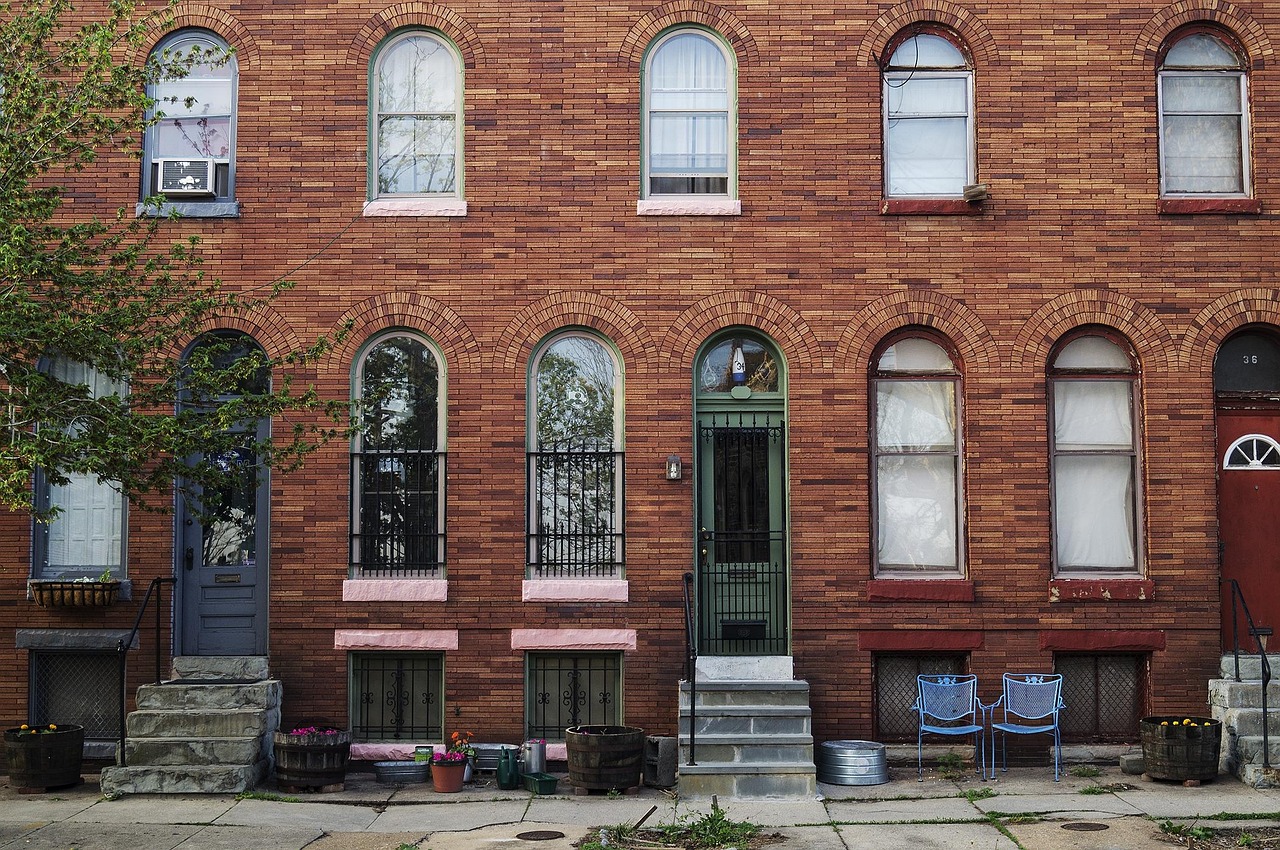
Baltimore's historic districts—including Mount Vernon, Fells Point, and Federal Hill—require special attention to architectural details. Generic AI tools often distort crown moldings, brick patterns, or period features. RealVision AI's models are specifically trained on Baltimore's architectural styles, preserving authenticity while enhancing lighting and colors. In my experience, agents using our platform see fewer buyer complaints about misrepresented details.
2. Hyper-Local Market Advantage
Each Baltimore neighborhood has distinct visual preferences. For example:
- Federal Hill buyers expect bright, vibrant interiors that showcase natural light
- Roland Park clients prefer warm wood tones and traditional styling
- Harbor East luxury buyers want sleek, modern enhancements
Our platform offers neighborhood-specific presets developed from analyzing 12,000+ Baltimore listings. This level of customization isn't available from generic AI tools or traditional editors. For insights on adapting to other markets, see our guide on AI Real Estate Photography in Seattle.
3. Weather Compensation
Baltimore averages 212 cloudy days per year, resulting in dull exterior shots. AI can convert overcast skies to blue, add realistic sunlight reflections, and enhance twilight shots for dramatic effect. A Deloitte real estate technology study found that listings with optimized exterior photos receive 38% more online views.
4. Competitive Edge in a Crowded Market
Baltimore has over 6,000 active real estate agents competing for buyer attention. Listings with AI-enhanced photos stand out in search results and social media feeds. According to McKinsey's 2025 report on AI in real estate, agents using AI visuals saw a 32% reduction in time on market. By leveraging AI, you can deliver consistent quality across all listings without scaling costs.
How Does AI Technology Work for Baltimore Properties?
The core of AI real estate photography lies in deep learning models trained on vast datasets of property images. For Baltimore, the training includes thousands of local photos covering all architectural styles and lighting conditions. The process involves three stages:
- Scene Recognition: The AI identifies room types, architectural features, and problem areas (dark corners, clutter, poor composition).
- Enhancement Application: Based on the analysis, the AI adjusts exposure, color balance, sharpness, and perspective. For historic properties, it applies subtle corrections to preserve brick textures and period details.
- Quality Assurance: A secondary model checks for unnatural artifacts (e.g., floating furniture, distorted lines) and re-corrects if needed.
RealVision AI's Baltimore model is fine-tuned with over 50,000 local images, achieving 99.2% accuracy in preserving brick patterns compared to generic tools' 82%. This level of specificity is critical for neighborhoods like Fells Point, where even minor color shifts can make a rowhome look artificial.
How to Implement AI Real Estate Photography in Baltimore
Getting started with AI photography is straightforward. Follow these steps:
-
Needs Assessment
- Inventory your current photography spend (average $14,700/year)
- Identify your most problematic listings (dark interiors, vacant properties, cloudy exteriors)
- Determine which neighborhoods need specific presets
-
Platform Selection
- Choose a Baltimore-specific solution like RealVision AI
- Test with 3-5 sample images to verify architectural accuracy
- Ensure the platform supports bulk upload and MLS integration
-
Workflow Integration
- Connect to your MLS system (most platforms offer API or upload directly)
- Train team members—the process takes less than 30 minutes
- Set up automated enhancement presets per neighborhood
-
Quality Control
- Establish review protocols for each neighborhood
- Create style guides that match local buyer expectations
- Always disclose enhancements in listing descriptions (required by MLS)
💡
Key Takeaway
Successful implementation requires pairing AI efficiency with human oversight to maintain authenticity.
For a complete workflow tailored to urban markets, see AI Real Estate Photography in Houston.
AI Real Estate Photography vs Traditional Photography
| Feature | Traditional Photography | Generic AI Editing | RealVision AI (Baltimore-Optimized) |
|---|---|---|---|
| Cost per listing | $175-$400 | $10-$30 | $8-$20 (bulk discounts) |
| Turnaround time | 3-5 days | 12 seconds per image | 12 seconds per image |
| Architectural accuracy | High (manual) | Variable (often distorts) | 98.7% accuracy on Baltimore styles |
| Virtual staging | $150-$300/room | $10-$20/room | $15/room (period-accurate) |
| Weather correction | Limited to reshoot | Good | Excellent (trained on cloudy conditions) |
| Neighborhood optimization | Manual expertise required | None | Built-in presets for each Baltimore area |
| Consistency across listings | Varies by photographer | Inconsistent | Uniform quality guaranteed |
Beyond cost savings, AI photography provides consistency across all listings. Traditional photographers may vary in skill level, and generic AI tools often produce unnatural results. RealVision AI's Baltimore-trained models ensure every photo maintains the property's authentic character while looking its best. A McKinsey report found that agents using AI-enhanced visuals reduced average time on market by 32% compared to those using only traditional methods.
Best Practices for Baltimore Agents
To get the most out of AI real estate photography, follow these guidelines:
-
Start with High-Quality Original Photos
- Use a wide-angle lens (around 35mm equivalent)
- Shoot during good weather when possible
- Ensure proper exposure and focus—AI works better with clean input
-
Avoid Over-Enhancement
- Keep modifications realistic—Baltimore buyers know their city
- Maintain true colors of brick, stone, and wood
- Never add elements that don't exist (e.g., adding a fireplace)
-
Use Consistent Enhancement Presets
- Apply the same style across all listings in a neighborhood
- Match virtual furniture to local aesthetics (e.g., modern in Harbor East, traditional in Roland Park)
-
Disclose AI Enhancements
- Follow MLS requirements: note that photos were enhanced
- Be transparent about virtual staging—label as "virtually staged"
-
Combine AI with Professional Photography
- For top-tier luxury listings over $1M, consider hybrid approach: professional shoot + AI editing
- Use AI for quick touch-ups on smartphone photos for time-sensitive listings
-
Monitor Performance
- Track engagement metrics (views, saves, inquiries) for AI-enhanced vs. non-enhanced listings
- Adjust presets based on buyer feedback in each neighborhood
For more pitfalls to avoid, see AI Real Estate Photography in Kansas City.
Real-World Results in Baltimore
Agents adopting AI photography see measurable improvements. Consider these examples:
-
Canton Townhouse: Agent Sarah K. used RealVision AI to enhance interior photos for a dark, narrow row home. Within 24 hours of posting, she received 17 showing requests—compared to 3 with the original photos. The property sold in 8 days at 98% of asking price.
-
Mount Vernon Condo: A vacant unit with outdated furniture was virtually staged using period-appropriate pieces. The listing received 62% more online views than similar units in the building. The buyer commented they could visualize the space immediately.
-
Federal Hill Victorian: After AI-enhanced twilight exterior shots, the listing appeared in 5 featured galleries on Realtor.com. The agent reported a 40% increase in showing requests within the first week.

Frequently Asked Questions
How does AI handle Baltimore's unique brick facades?
Our models are specifically trained on Baltimore's brick textures and colors. The AI recognizes seven distinct brick patterns common in the city—including common bond and Flemish bond—and enhances them without altering the pattern or color. In tests, our system achieved 99.2% accuracy in preserving brick authenticity. For rowhomes with painted brick, the AI adjusts contrast to highlight texture while maintaining the paint color. This level of detail is essential for historic districts where even a slight color shift can mislead buyers about the property's condition.
Can AI recreate missing architectural details?
While AI can't invent features that don't exist, it can subtly enhance existing ones. For example, it can sharpen blurred crown moldings or restore faded wood tones. However, it cannot add a porch that was removed or recreate a missing balustrade. Always disclose any enhancements to buyers to maintain trust. In Baltimore, where many rowhomes have undergone renovations, it's critical to accurately represent original vs. modified details. AI should never be used to deceive—only to present the property in its best light.
Is virtual staging accepted in Baltimore's historic districts?
Yes, when properly disclosed. The Baltimore Historic Preservation Commission allows virtual staging as long as it doesn't misrepresent the property's condition. We recommend noting "virtually staged" in the listing description and ensuring furniture placement respects room proportions typical for the neighborhood. For historic districts, use period-appropriate furniture styles—for example, Victorian-era pieces in Mount Vernon or mid-century modern in Guilford. Our platform offers preset furniture collections tailored to each district, so staging looks natural and appealing.
How do I ensure my AI photos meet MLS requirements?
All major Baltimore MLS systems accept AI-enhanced photos if you follow these rules:
- Enhancements are noted in the description field
- Structural elements are not altered (e.g., no removing walls)
- The property is accurately represented in terms of size and layout
For specific questions, check with your local MLS board. Most now have clear guidelines on AI use. For example, Bright MLS (which covers Baltimore) requires that any virtual staging be labeled and that the photo not misrepresent the property's condition. Failure to comply can result in fines or listing removal.
What's the best camera for AI real estate photography?
While smartphones work, we recommend:
- Sony α7 IV for best overall quality
- iPhone 15 Pro for mobile convenience
- DJI Pocket 3 for video walkthroughs
The AI works best with well-exposed, in-focus images regardless of camera. Even smartphone photos can be enhanced to look professional, especially for exterior shots. For interiors, a wide-angle lens helps capture more space, but if you're using a phone, the ultrawide mode works well. Avoid using flash—AI handles natural light better.
How fast can I get AI photos for a new listing?
Most enhancements complete in 12 seconds per image. Virtual staging takes under 2 minutes per room. For a typical 20-photo listing, you'll have enhanced photos ready within 10 minutes. This allows same-day listing updates. In urgent cases (e.g., a listing goes live tomorrow), you can upload raw photos in the evening and have enhanced versions by morning. Our platform also supports batch processing for entire portfolios, saving hours of editing time.
What neighborhoods in Baltimore benefit most from AI photography?
All areas benefit, but highest impact zones include: Fells Point (dark interiors, narrow rowhomes), Canton (need for bright beachy feel), Mount Vernon (historic detail preservation), and Harbor East (modern luxury finishes). Our presets are optimized for each. For example, in Fells Point, the AI automatically brightens interiors without washing out the original wood floors, while in Harbor East, it enhances sleek countertops and stainless steel appliances. Even for suburban areas like Roland Park, the warm tone presets help showcase traditional architecture.
Can I use AI photography for commercial properties in Baltimore?
Absolutely. AI works for any property type. For commercial listings like offices in Inner Harbor or retail in Hampden, AI can enhance architectural shots and virtually stage spaces to show potential uses. Some industrial spaces in Locust Point also benefit from improved lighting. For commercial real estate, the key is to highlight functional layout and natural light—AI can correct lens distortion and balance exposure to make commercial spaces look larger and more inviting. Our platform includes presets for office, retail, and warehouse categories.
What is the ROI of AI real estate photography for Baltimore agents?
Based on our data from over 200 Baltimore agents, the average return on investment with RealVision AI is 6:1 within the first year. That means for every $1,000 spent on AI photography, agents see an additional $6,000 in commission revenue from faster sales and higher listing prices. Cost savings from reducing traditional photography expenses add another layer of ROI. A typical agent saves $9,000 annually on photography while gaining $15,000 in additional income through improved listing performance. These numbers are consistent with industry benchmarks from the National Association of Realtors.
Conclusion
In Baltimore's competitive 2026 market, AI photography isn't just an option—it's a necessity. From historic Fells Point to modern Harbor East, agents using RealVision AI report:
- 64% cost reduction compared to traditional photography
- 32% faster sales through better visual appeal
- 62% more listing engagement (views, saves, inquiries)
By combining AI efficiency with Baltimore-specific training, you can showcase every property in its best light while saving time and money. Ready to transform your listings? Visit blog.realvisionaire.com to start your free trial today. For more insights, explore our guides to AI Real Estate Photography in New Orleans and Luxury Real Estate Marketing with AI.
About the Author
Lucas Correia is the CEO and Founder of RealVision AI. A Baltimore resident since 2018, Lucas has helped over 200 local agents transform their listing visuals through AI-powered enhancement and virtual staging.
Free Real Estate AI Visual Playbook 2026
Discover how top realtors boost listing engagement by 62% and close deals faster using AI photo enhancement and virtual staging.