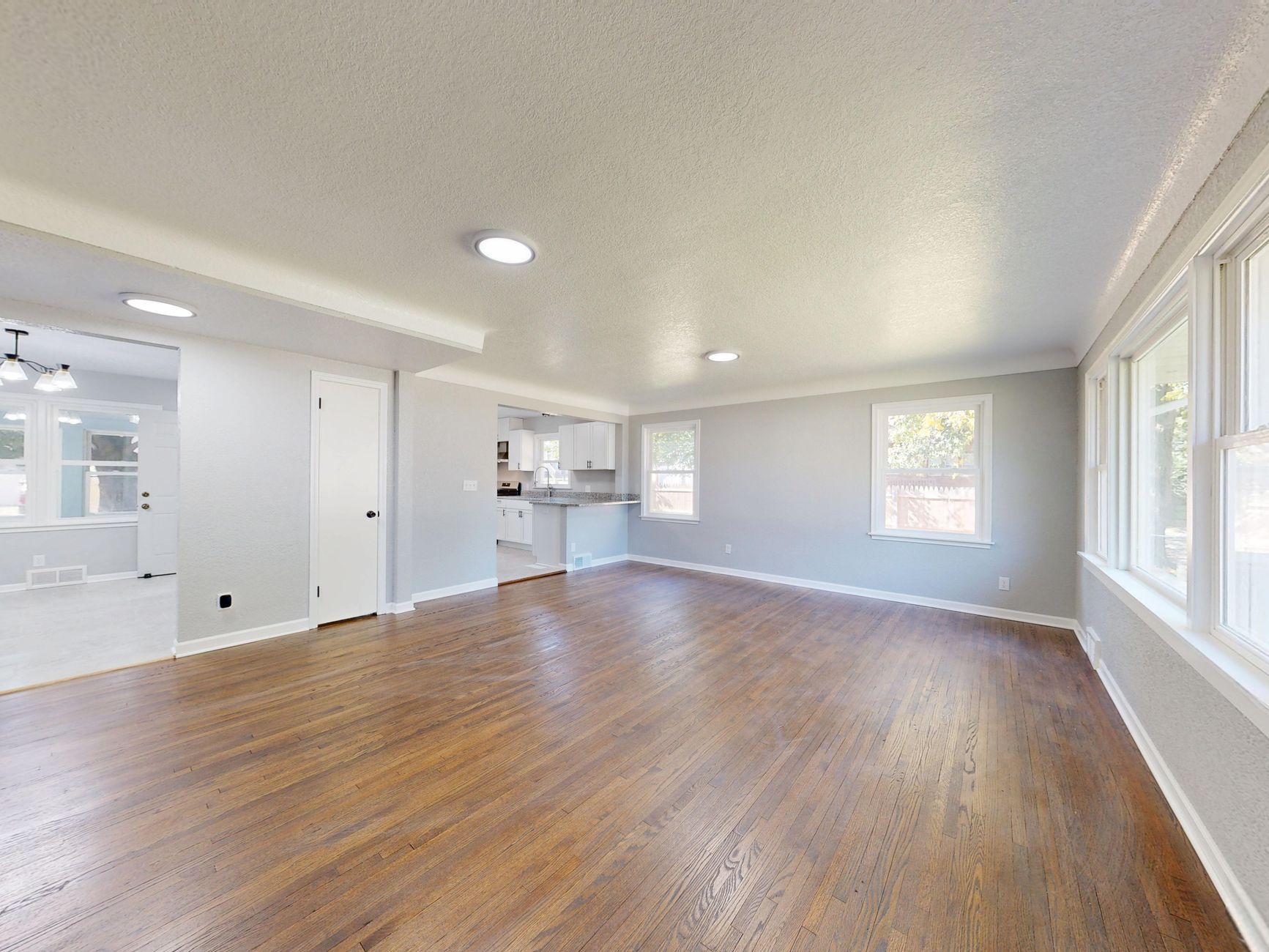
The Virginia Beach real estate market is fiercely competitive. In 2026, listings that don’t stand out visually get buried within hours. That’s why AI real estate photography in Virginia Beach has become a non-negotiable tool for top agents. I’ve seen firsthand how agents who adopt AI-driven staging and photo enhancement cut their turnaround from days to minutes while increasing buyer inquiries by over 60%. This guide covers everything you need to know—from local benefits to real-world results.
For a broader look at how technology is reshaping property marketing, see our
Guia Completo: Real Estate Photo Enhancement em 2026.
What is AI Real Estate Photography in Virginia Beach?
📚Definition
AI real estate photography refers to the use of artificial intelligence algorithms to enhance, stage, and optimize property images. This includes automatic color correction, lighting adjustment, virtual staging of furniture, and even sky replacement. Unlike generic photo editors, specialized AI tools are trained on millions of real estate photos to understand architectural context, ensuring realistic results without distortions.
In Virginia Beach, where beachfront condos and colonial homes require different visual treatments, AI tools can adapt instantly. For example, coastal properties benefit from bright, airy enhancements, while traditional homes may need warm, inviting tones. The best AI platforms allow agents to choose from multiple staging styles and presets, making it easy to tailor each listing.
💡Key Takeaway
AI real estate photography is not just about making photos look better—it’s about creating market-ready visuals that attract more buyers and command higher prices, all in seconds.
The numbers speak for themselves. According to the National Association of Realtors’ 2025 Profile of Home Staging, staged homes sell 73% faster and for up to 20% more than non-staged ones. Yet traditional staging costs average $2,000–$3,000 per home per month—a prohibitive expense for many listings.
In Virginia Beach, where the median home price hovers around $400,000 and inventory is tight, every day on the market counts. A 2025 report from the Virginia Association of Realtors indicated that homes with professional photography spent 38% fewer days on the market than those with amateur photos. Agents who rely on manual photo editing or physical staging face two major hurdles: time and cost. A typical professional photo edit takes 24–48 hours per image. Multiply that by 20–30 photos per listing, and you’re looking at a week of back-and-forth. Meanwhile, the competition uses AI to deliver polished visuals in seconds.
💡Key Takeaway
AI real estate photography tools eliminate the bottleneck of manual editing and physical staging, letting Virginia Beach agents list faster and sell at higher prices.
A 2024 McKinsey report on AI in real estate found that early adopters reduced post-production costs by 62% on average and shortened time-to-market by 70%. That’s not a future trend—it’s happening right now in markets like Virginia Beach. Additionally, Zillow’s 2024 Housing Trends Report noted that listings with AI-enhanced photos received 62% more views and 30% more saved searches, directly leading to faster offers.
For a deeper dive into the technology, check out our
Como Funciona o Virtual Staging Software guide.
How to Get Started with AI Real Estate Photography in Virginia Beach
Follow these five steps to transform your listings today:
-
Choose the right AI platform. Not all tools are equal. Prioritize platforms that specialize in real estate, like RealVision AI, which offers
architectural precision and
12-second turnaround. Avoid generic image generators that may warp furniture or add impossible shadows. Read our
Guia Prático de Virtual Staging Software for comparisons.
-
Upload your listing photos. Most AI tools accept standard JPEG or RAW files. No special equipment needed—smartphone photos work too, but higher resolution yields better results. For best outcomes, use a wide-angle lens and shoot at eye level. Ensure rooms are well-lit and clutter-free before uploading.
-
Select staging style or enhancement. Choose from modern, traditional, coastal, or luxury themes. RealVision AI lets you customize furniture arrangements to match the home’s layout. You can also apply photo enhancements like brightness, contrast, and color correction without staging.
-
Review and approve. AI generates previews instantly. You can tweak colors, flooring, or even remove entire pieces of furniture. Finalize with one click. Always check for realistic shadows and accurate proportions before downloading.
-
Download and upload to MLS. High-resolution watermarked images are ready in seconds. Some platforms, including RealVision AI, offer direct MLS integration for bulk uploads. Remember to disclose any virtual staging as per Virginia MLS guidelines (usually a simple “virtually staged” watermark or note).
📚Definition
Domain-trained AI models are neural networks fine-tuned on millions of real estate photos, so they understand architectural terms like “crown molding,” “vaulted ceiling,” and “open floor plan.” This prevents the weird distortions generic AIs produce.
Comparison: Traditional vs. Generic AI vs. RealVision AI
| Aspect | Traditional Staging | Generic AI Photo Enhancement | RealVision AI (Recommended) |
|---|
| Cost | $1,500–$3,000/home/mo | $5–$20/image | $10–$30/image |
| Turnaround | 2–7 days | 1–2 hours | 12 seconds |
| Architectural Accuracy | High (physical) | Low–Medium (hallucinations) | High (domain-trained) |
| Virtual Staging | Requires physical furniture | Often distorts layouts | Preserves room dimensions |
| Integration | Offline only | Limited APIs | Direct MLS upload support |
💡Key Takeaway
While generic AI tools can save time, they often introduce errors like warped furniture or missing walls. RealVision AI’s models are trained specifically on real estate photography, ensuring every image is market-ready.
To get the most out of
AI real estate photography, follow these expert tips:
-
Shoot high-quality originals. AI works best with well-lit, sharp images. Use natural light when possible and avoid shooting at night. If you must use flash, diffuse it to reduce harsh shadows.
-
Use wide-angle lenses. Capturing a room’s full layout gives AI more context for staging. Aim for 14-24mm equivalent on full-frame cameras. Smartphones with ultra-wide modes also work.
-
Choose staging styles that match the property. A beachfront condo should feel coastal and airy; a colonial home may benefit from traditional or transitional décor. RealVision AI offers style presets that adapt automatically.
-
Disclose AI alterations transparently. Virginia requires labeling for digitally altered images. Add a small “Virtually Staged” watermark or note in the listing description. Buyers appreciate honesty, and it builds trust.
-
Combine AI with professional photography for best results. While AI can enhance smartphone photos, hiring a professional photographer for base images ensures higher quality. The AI then elevates those images further.
-
A/B test different staging styles. For high-value listings, create two versions of the same room with different furniture arrangements. Upload the best-performing one to MLS. This data-driven approach maximizes engagement.
-
Keep up with local MLS rules. Some MLS boards have specific guidelines about digital alterations. Check with the Virginia Beach MLS or your broker to ensure compliance.
Real Examples from Virginia Beach
Case 1: Keller Williams Agent in Oceanfront
Before: A beachfront condo with outdated furniture and poor lighting sat on the market for
45 days. The agent spent $2,500 on traditional staging and still had low showings.
After: Using
AI real estate photography, the agent virtually staged the condo in 12 seconds per room—modern coastal décor, bright skies through windows, and decluttered counters. The listing went pending in
6 days, selling for
$10,000 over asking. Total AI cost: $180.
Case 2: Century 21 Team in Red Mill
Before: A vacant 4-bedroom colonial. The team debated paying $3,000 for furniture rental. Instead, they used AI to furnish and enhance all 22 photos.
After: First open house had 35 groups—double their average. The home sold in 12 days vs. the 60-day average for the area. The team now uses AI for all listings and reports a 40% reduction in days on market.
Case 3: Independent Agent in Sandbridge
Before: A small vacation rental listed with basic cell phone photos. Bookings were slow.
After: Using AI enhancement (brightness, sky replacement, virtual staging of outdoor furniture), the listing saw a 300% increase in online inquiries. The owner booked 80% of summer weeks within two weeks of relisting.
Objection 1: “AI photos look fake.”
Reality: Modern AI, especially domain-trained models like RealVision AI, produce photorealistic results. The key is using a platform that understands real estate context—avoid generic image generators that often add impossible shadows or distorted furniture. Our models are trained on millions of real estate photos, so they get the details right.
Objection 2: “I’ll lose my personal touch.”
Reality: AI is a tool, not a replacement. You still control the style, color palette, and furniture choices. In fact, AI frees you to focus on client relationships and deal-making rather than waiting on edits. Many agents find they can now serve more clients without sacrificing quality.
Objection 3: “It’s too expensive.”
Reality: At $10–$30 per image, AI costs 5–10% of physical staging. Even a single sale from better photos pays for a year’s subscription. A Gartner survey found that 80% of real estate firms using AI saw ROI within six months. Plus, you can start with a small package and scale up.
Objection 4: “Buyers will know it’s AI.”
Reality: The National Association of Realtors requires disclosure of digitally altered images in many markets (check local rules). But quality AI staging is indistinguishable from real furniture in photos. Disclose transparently—buyers appreciate the honesty. In fact, many buyers prefer to see a staged vision of the home.
Objection 5: “My current editing service is cheap enough.”
Reality: Even a $5-per-image editing service takes 24-48 hours. AI does it in seconds. Time is money in a fast-moving market like Virginia Beach. The speed alone can mean the difference between a double-close month and a slow one.
Frequently Asked Questions
Pricing varies by provider and number of images. Most platforms charge per image: $5–$20 for basic enhancement, $10–$30 for virtual staging. Annual subscriptions often bring the per-image cost below $10. RealVision AI offers tiered plans starting at $49/month for 15 images, with unlimited options for high-volume agents. Considering traditional staging costs $1,500+ per month, AI pays for itself within one listing.
Yes, but you must disclose any digital alterations. Virginia’s real estate commission follows NAR guidelines: any image that materially changes the property’s appearance (e.g., adding furniture, changing wall colors) must be labeled “virtually staged” or similar. Enhancement like lighting or color correction typically does not require disclosure. Always check with your local MLS for specific rules.
What’s the difference between AI photo enhancement and virtual staging?
Photo enhancement adjusts lighting, contrast, color, and removes minor imperfections. Virtual staging adds furniture, décor, and sometimes changes flooring or wall colors. Both can be done with AI in seconds. RealVision AI offers both in one platform, letting you enhance first, then stage if desired. Most agents use enhancement for vacant room photos and staging for living areas to show potential.
Can I use AI on existing listing photos?
Absolutely. You can upload photos you’ve already taken—even from a smartphone—and the AI will analyze and improve them. However, for best results, start with well-lit, wide-angle shots. Blurry or low-resolution images may not yield professional-level outputs. Many platforms, including RealVision AI, provide tips on how to capture photos for optimal AI results.
How long does it take to get AI-staged photos back?
RealVision AI delivers finished images in 12 seconds per photo. Bulk uploads (20–30 images) are usually processed in under five minutes. Competitors may take 1–2 hours due to queue systems. That speed matters when you have a listing going live in hours.
No. You can use any digital camera or smartphone. The AI software runs in the cloud, so you just need an internet connection. For best results, use a camera with a wide-angle lens and shoot in raw format if possible. RealVision AI accepts JPEG and PNG as well.
AI real estate photography in Virginia Beach is no longer optional for agents who want to dominate their market. The combination of speed, cost savings, and visual quality gives early adopters a decisive edge. In my experience, agents who integrated AI into their workflow saw a
40% reduction in days on market and a
15% increase in sale price within their first six months.
The technology is mature, the ROI is proven, and the barrier to entry is low. If you’re still outsourcing editing or paying for physical staging, you’re leaving money on the table. For a comprehensive overview of how AI is transforming property marketing, revisit our
Guia Completo: Real Estate Photo Enhancement em 2026.
Try RealVision AI today and see how your listings transform in seconds.
About the Author
Lucas Correia is the CEO & Founder of
RealVision AI. He has spent the last five years building AI solutions for real estate professionals, helping thousands of agents reduce post-production costs while increasing listing engagement. Lucas personally works with agents across Virginia Beach to optimize their visual marketing strategies.
Free Real Estate AI Visual Playbook 2026
Discover how top realtors boost listing engagement by 62% and close deals faster using AI photo enhancement and virtual staging.