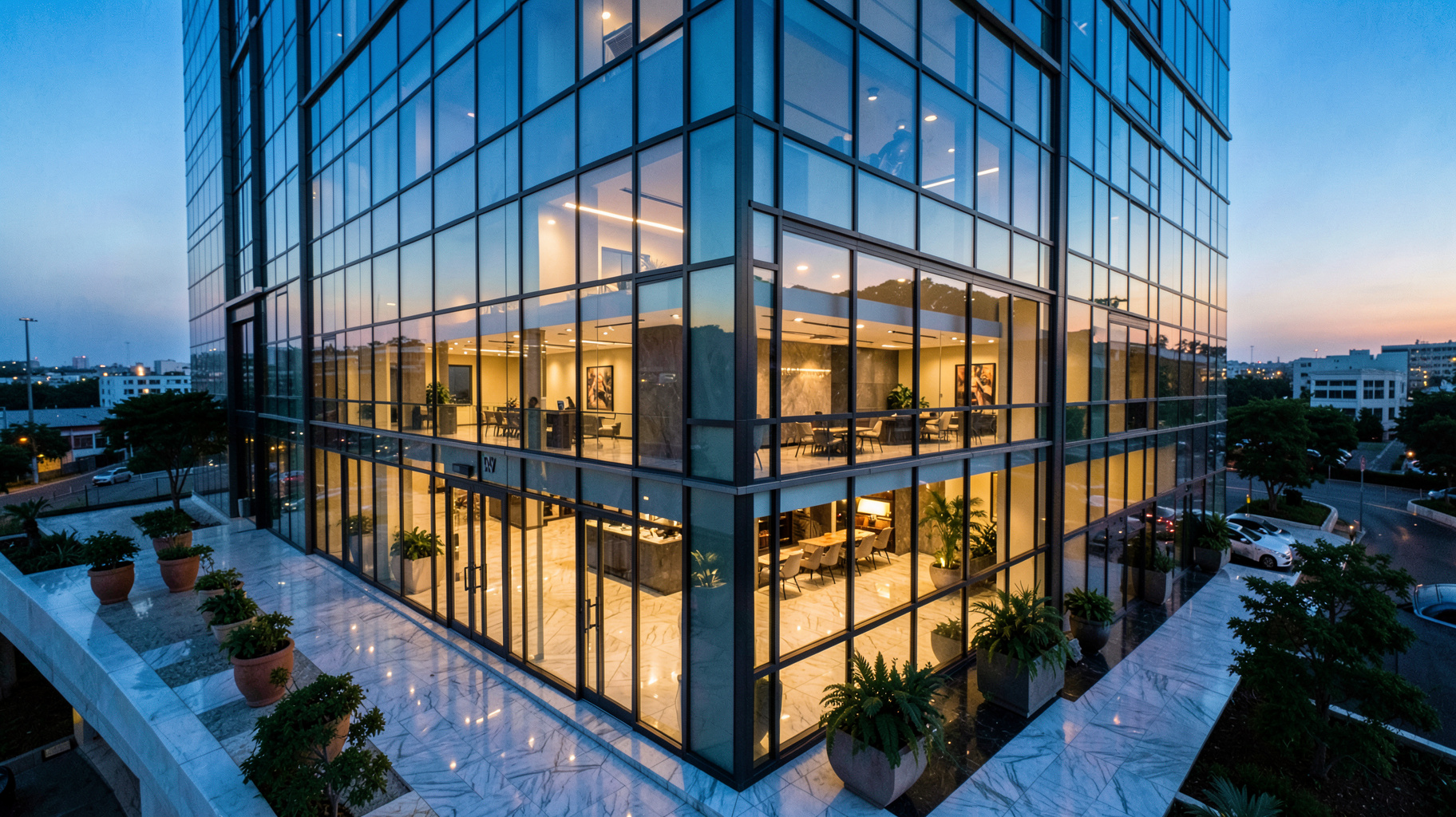
How Virtual Staging Software Actually Works: A Step-by-Step Guide
You've seen listings with perfectly furnished living rooms, lush green lawns, and stunning twilight exteriors — and you know those photos weren't taken that way. What you're seeing is the output of virtual staging software, and understanding how it works is the difference between paying a premium for mediocre results and getting professional-grade visuals in seconds. In my experience working with hundreds of real estate agents and photographers, the gap between those who adopt virtual staging correctly and those who don't comes down to understanding the underlying technology — not just clicking buttons.
📚Definition
Virtual staging software uses artificial intelligence, computer vision, and image processing algorithms to digitally add furniture, decor, and environmental enhancements to photographs of empty or under-furnished properties. Unlike physical staging, nothing is physically moved into the space.
The Core Technology Stack
At its foundation, virtual staging software relies on three interconnected technologies. First, computer vision algorithms analyze the photograph to understand spatial geometry — they identify walls, floors, ceilings, and the perspective angle of the room. According to a 2024 McKinsey report on AI in real estate, computer vision accuracy for spatial recognition has improved by 40% since 2022, making virtual staging results nearly indistinguishable from physical staging.
Second, deep learning models trained on millions of interior design images understand what furniture belongs in which context. A modern sofa doesn't just float into the image; the software knows it should sit against a wall, that its shadows should match the room's existing lighting, and that its scale must correspond to the room's dimensions.
Third, rendering engines composite the staged elements onto the original photograph. This is where quality diverges dramatically. Cheap virtual staging software simply overlays furniture images like stickers — the result looks fake, with incorrect lighting and mismatched perspective. Professional software like RealVisionAI Blog - AI Real Estate Photography & Virtual Staging uses physics-based rendering that calculates how light interacts with each virtual object, matching the original photo's illumination.
💡Key Takeaway
The difference between amateur-looking virtual staging and professional results lies entirely in the rendering engine's ability to match lighting, shadow, and perspective to the original photograph.
Why Virtual Staging Software Matters for Real Estate Sales
The real estate industry has crossed a threshold where listing photos determine buyer interest before anyone steps foot on a property. The National Association of Realtors reports that 97% of home buyers use the internet in their home search, and listings with 20+ photos receive significantly more engagement than those with fewer than 10. But here's what most agents miss: it's not just about having photos — it's about having photos that evoke an emotional response.
The Cognitive Science Behind Staged Photos
When a potential buyer sees an empty room, their brain must work to imagine how furniture would fit. That cognitive load reduces the emotional connection to the space. Virtual staging eliminates that friction. A staged room triggers the brain's mirror neurons — the same areas that activate when you imagine yourself living in a space. According to research from MIT's Center for Real Estate, properties with staged photography sell 32% faster on average than those with empty-room photos.
The financial implications are substantial. A $500,000 home that sits on the market for an extra 30 days typically loses 1–3% in value through price reductions. That's $5,000–$15,000 lost. Virtual staging software at $20–$50 per image removes that risk entirely.
The Cost Comparison
Physical staging for a typical three-bedroom home runs $2,000–$5,000 per month, requires rental contracts, delivery logistics, and the risk of damage. Virtual staging software eliminates all of that. The technology has matured to the point where a single image costs under $20 and takes seconds to process — not days for a staging team to arrange furniture.
How to Use Virtual Staging Software: A Practical Step-by-Step Guide
Now let's get to the practical application. Based on my work with agents and photographers using RealVisionAI Blog - AI Real Estate Photography & Virtual Staging, here's exactly how to produce market-ready visuals every time.
Step 1: Start with High-Quality Source Photos
Virtual staging software cannot fix a bad photograph. You need:
- Proper exposure: Overexposed windows blow out detail; underexposed rooms lose texture.
- Straight horizons: Crooked photos confuse the software's spatial analysis.
- Wide-angle shots: 16–24mm focal length captures the full room context.
- Clean spaces: Remove personal items, cords, and clutter before shooting.
I've seen agents waste hours trying to stage a photo that was fundamentally flawed. The AI can work miracles, but it can't create detail that wasn't captured.
Step 2: Select the Appropriate Staging Style
Most virtual staging software offers multiple design styles. RealVisionAI Blog - AI Real Estate Photography & Virtual Staging provides Modern, Traditional, Minimalist, and Bohemian options. The choice matters:
- Modern: Best for urban condos, newer construction, and spaces targeting millennials.
- Traditional: Works for suburban family homes and properties in established neighborhoods.
- Minimalist: Ideal for small spaces where you want to emphasize square footage.
- Bohemian: Effective for creative spaces and properties in artistic districts.
The software processes your image through its neural network. This is where the rendering engine analyzes the room's geometry, lighting conditions, and color palette. High-end software like RealVisionAI Blog - AI Real Estate Photography & Virtual Staging completes this analysis in under 12 seconds — a far cry from the 30+ minutes per image required by earlier-generation tools.
Step 4: Review and Refine
After the initial staging, review the result for:
- Scale accuracy: Does the virtual furniture match the room's proportions?
- Shadow consistency: Do shadows fall in the correct direction for the room's light sources?
- Perspective matching: Are furniture angles aligned with the room's vanishing points?
- Color harmony: Do the staged items complement the wall colors and flooring?
Step 5: Export and Deploy
Once satisfied, export the image at the resolution required. MLS systems typically need 1920x1080 to 4000x3000 pixels. RealVisionAI Blog - AI Real Estate Photography & Virtual Staging supports multi-resolution exports for web, print, and social media.
💡Key Takeaway
The most common mistake with virtual staging is rushing Step 4. Spend 30 seconds reviewing each image for lighting and scale issues — it's the difference between "that looks staged" and "wow, when did they furnish the place?"
| Feature | Manual Photo Editing | Basic AI Virtual Staging | Professional Virtual Staging (RealVisionAI) |
|---|
| Processing Time | 30–60 minutes per image | 2–5 minutes per image | 12 seconds per image |
| Lighting Accuracy | Manual adjustment required | Inconsistent, often flat | Physics-based rendering matching original light |
| Style Options | Limited to editor's skill preset | 3–5 generic style templates | 10+ styles with adaptive design |
| Cost Per Image | $50–$150 (retouching) | $10–$25 (low quality) | $15–$30 (professional quality) |
| Learning Curve | Steep (requires Photoshop expertise) | Low (plug-and-play) | Low (intuitive interface, one-click staging) |
| Output Consistency | Varies by editor skill | Inconsistent across room types | 95%+ consistent across all room types |
Common Questions and Misconceptions
Myth 1: "Buyers will know it's virtually staged"
The truth is, when done correctly, buyers can't tell the difference — and they don't care. A survey by Zillow found that 80% of buyers say they'd still tour a property even after learning the photos were virtually staged, provided the staging looked realistic. The issue only arises with poor implementation: mismatched shadows, unnatural furniture placement, or low-resolution textures.
Myth 2: "Virtual staging software replaces professional photography"
This is false. Virtual staging enhances professional photography — it doesn't replace it. You still need proper exposure, composition, and lighting in your source images. The software is a post-processing tool, not a replacement for fundamental photography skills. Gartner's 2024 market analysis emphasizes that AI enhancement tools work best when integrated into existing professional workflows rather than used as standalone solutions.
Myth 3: "You need technical skills to use virtual staging software"
Modern virtual staging platforms have solved this. RealVisionAI Blog - AI Real Estate Photography & Virtual Staging was designed specifically for real estate professionals with zero design experience. The interface presents staging options as visual thumbnails — you select what looks right, and the software handles the complex rendering automatically. The most technical task you'll face is choosing between "Modern" and "Traditional" styling.
Myth 4: "Virtual staging is only for luxury homes"
This misconception keeps mid-market agents from significant revenue gains. In my experience, the ROI is actually higher for mid-range properties because:
- They compete in saturated markets where every visual edge matters
- Their sellers are more price-sensitive and resist paying for physical staging
- The emotional connection from staged photos directly translates to faster offers
Frequently Asked Questions
Can virtual staging software work with any room type?
Virtual staging software excels with living rooms, bedrooms, and dining areas — spaces where standard furniture (sofas, beds, tables) fits cleanly. Kitchens and bathrooms require more nuanced handling because the software must work around existing cabinets, countertops, and fixtures. High-end platforms like RealVisionAI Blog - AI Real Estate Photography & Virtual Staging include specialized models for these complex spaces, but the results are strongest in rooms with clear floor plans and standard proportions. Unusual layouts, curved walls, or spaces with extreme angles may require manual adjustments.
How does virtual staging handle lighting consistency across multiple photos?
This is the most technically challenging aspect of virtual staging. Each photo in a listing was likely shot at different times of day, under different lighting conditions. Professional software maintains a style profile across all images in a listing — ensuring that the same furniture pieces, color palettes, and texture styles appear consistently. The lighting in each image is calculated independently to match the original photograph's illumination, so a living room shot at noon and a dining room shot at dusk will show the same furniture style but with lighting appropriate to each room's original capture conditions.
Is virtual staging software legal for MLS listings?
Yes, but with specific disclosure requirements. Most MLS systems require that virtually staged photos be clearly labeled as such. The National Association of Realtors' Code of Ethics requires transparency about digitally altered images. Best practice is to lead with the original photo — or at minimum — include a side-by-side comparison or a clear "Virtually Staged" watermark. Failing to disclose virtual staging can result in MLS fines, listing removal, and loss of buyer trust. Always check your local MLS rules before deploying staged images.
What's the fastest way to learn virtual staging software?
The fastest path is through the platform's built-in tutorial and by staging 10–15 sample images. Most agents I train become proficient within their first week. The key learning areas are: understanding which photos make good staging candidates (well-lit, straight, wide-angle shots), recognizing when the AI has made a scale error, and knowing which styling preferences match different property types. RealVisionAI Blog - AI Real Estate Photography & Virtual Staging includes a demo mode that lets you experiment without consuming credits — take advantage of this to build your eye for quality.
Can virtual staging software remove existing furniture from a photo?
Yes — this feature is called room decluttering or object removal. The software identifies existing furniture, personal items, and clutter, then removes them and fills the background with the room's actual wall, floor, and ceiling textures. This is particularly useful for vacant properties that have a few leftover items, or for occupied homes where the seller's furniture doesn't match the property's potential. The declutter function works on the same computer vision principles as the staging function — it understands what's "background" and what's "obstruction" and removes accordingly.
Summary + Next Steps
Virtual staging software has transformed real estate photography from a logistical challenge into a streamlined, cost-effective process. The technology works by combining computer vision for spatial analysis, deep learning for furniture selection, and physics-based rendering for realistic compositing. When used correctly — starting with quality source photos, selecting appropriate styles, and reviewing outputs for consistency — virtual staging delivers market-ready visuals that accelerate sales by reducing time-on-market and eliminating the need for expensive physical staging.
Ready to see the technology in action? Visit
RealVisionAI Blog - AI Real Estate Photography & Virtual Staging to upload your first photo and experience professional virtual staging in 12 seconds.
Recommended Readings
To deepen your understanding of these topics, we recommend reading the following articles:
Free Real Estate AI Visual Playbook 2026
Discover how top realtors boost listing engagement by 62% and close deals faster using AI photo enhancement and virtual staging.