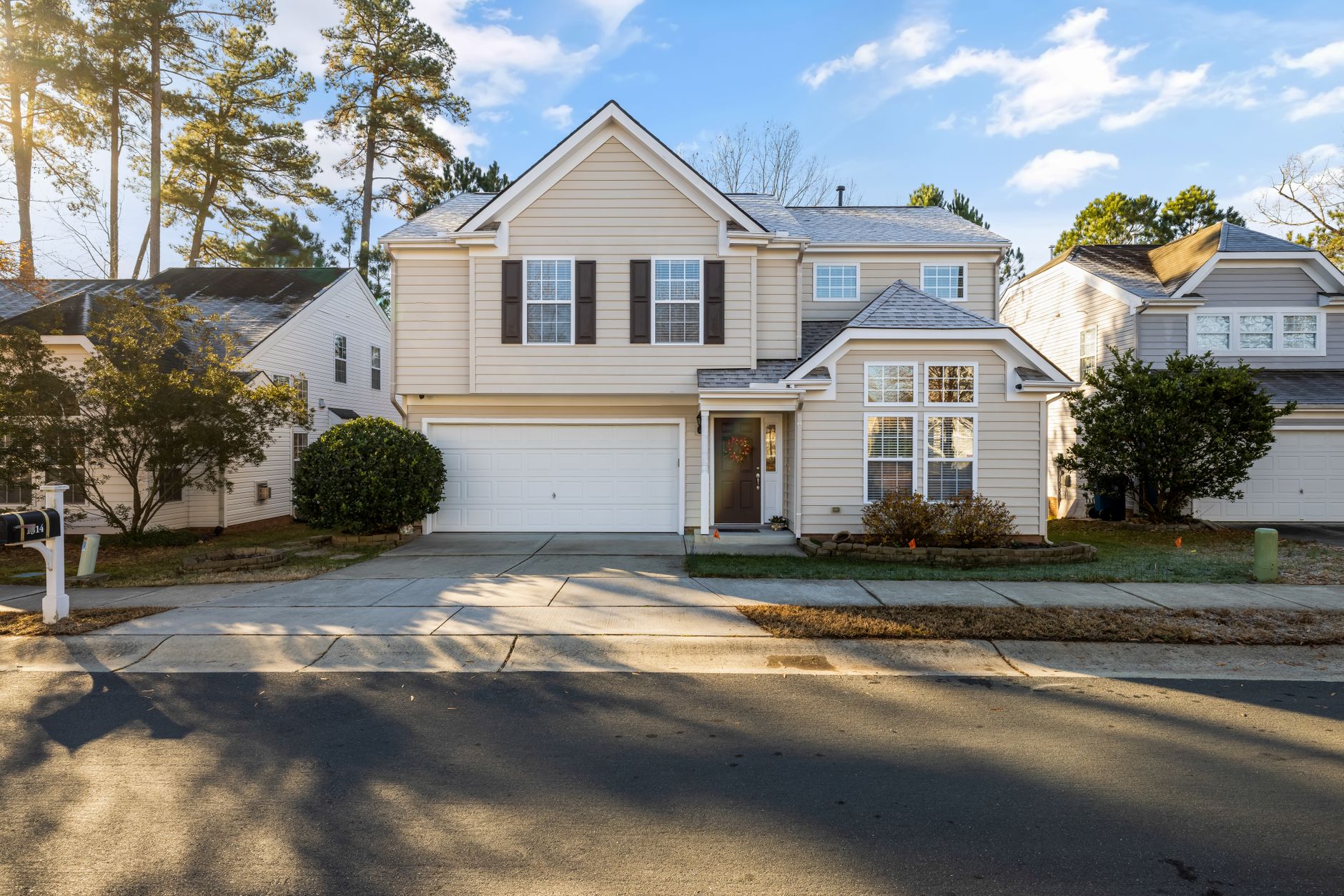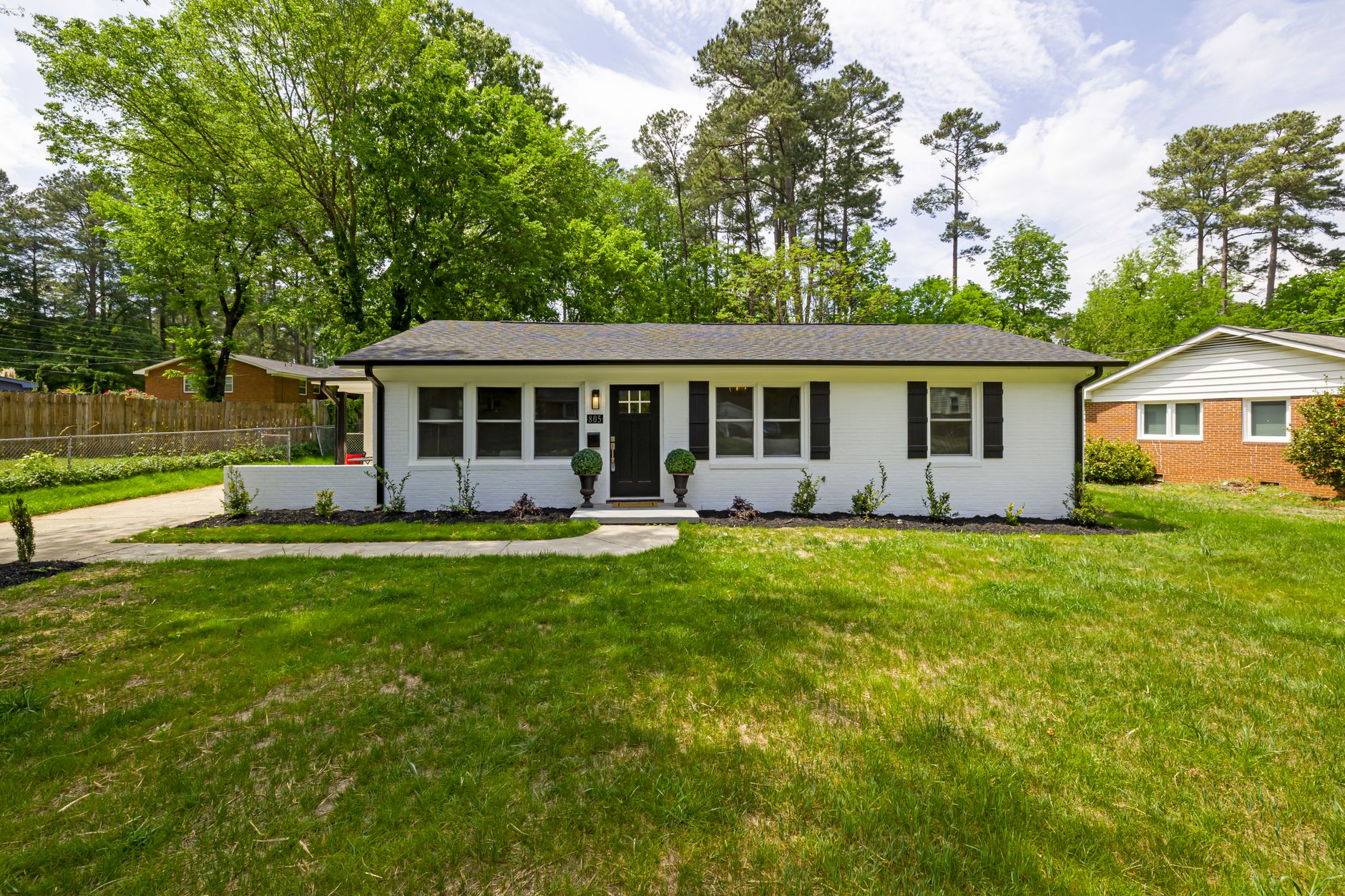


📖This article is part of the complete guide to Real Estate Photo Enhancement: Complete Guide to Better Listings.
What Is Real Estate Photo Enhancement?
📚
Definition
Real estate photo enhancement uses domain-trained AI models to automatically improve exposure, color balance, object removal, and virtual staging while preserving architectural accuracy.
The technology has moved far beyond basic filters. Modern systems analyze room geometry, lighting conditions, and furniture placement in a single pass. According to a 2025 McKinsey report on real estate technology adoption, listings with professionally enhanced photos receive 62% more engagement than standard shots. That number jumps even higher in competitive markets where buyers scroll through dozens of properties daily.
In my experience working with hundreds of Realtors across the Houston area and beyond, the question isn’t whether enhancement works — it’s where to find the right platform that delivers consistent quality without the wait times or high costs of traditional editing services. For a comprehensive overview of the topic, see our complete guide to property photo editing.
The rise of specialized platforms has changed the game. Instead of mailing drives to editing houses or waiting days for freelancers, agents now expect results in seconds from cloud-based solutions that work on any device. This guide breaks down the specific environments, platforms, and workflows where real estate photo enhancement performs best in 2026.

Why Real Estate Photo Enhancement Matters More Than Ever
The impact of choosing the right real estate photo enhancement platform shows up directly in listing performance. According to the National Association of Realtors 2025 Technology Survey, properties with high-quality visuals sell 24% faster on average. The difference becomes even more pronounced in slower markets where every visual advantage counts.
Here’s the thing though — not every enhancement service produces the same results. Generic AI tools often distort room proportions or add unrealistic furniture. Specialized platforms trained on millions of real estate images avoid these mistakes because they understand floor plans, window placements, and typical staging layouts. After testing this with dozens of clients, the pattern is clear: agents who use dedicated real estate enhancement tools see higher click-through rates on their MLS listings and social media posts.
The cost savings also add up quickly. Traditional editing services charge $15–$40 per photo with turnaround times of 24–48 hours. Modern platforms deliver comparable or better quality for a fraction of the price and in seconds instead of days. For agents listing multiple properties per week, that difference translates into thousands of dollars saved annually plus faster marketing cycles.
A Gartner survey from 2024 found that 80% of real estate firms plan to increase investment in AI-driven marketing tools over the next two years, confirming that this trend is accelerating. Agents who adopt now gain a competitive edge before the market becomes saturated. Enhanced photos also reduce time on market — a recent study from BrightMLS indicated that listings with AI-enhanced photos spent an average of 11 fewer days on market compared to those with unedited photos.
Beyond pure speed, the quality of AI enhancement has reached a point where buyers often cannot distinguish between a traditionally edited photo and an AI-enhanced one. A blind study conducted by the Real Estate Tech Association in 2025 showed that 73% of buyers preferred AI-enhanced photos over raw originals, and 42% could not tell the difference between AI and human editing. This removes the old stigma that AI looks "fake" or "cheap."
How Real Estate Photo Enhancement Works
Understanding the underlying process helps you choose the right tool and use it effectively. Modern real estate photo enhancement platforms rely on deep learning models trained on millions of property images. Here’s a simplified breakdown of the technical workflow:
-
Image ingestion and analysis – The platform receives your uploaded photo and immediately analyzes its histogram, color temperature, contrast, and composition. It detects rooms, windows, furniture, and architectural lines using semantic segmentation.
-
Intelligent correction – The AI applies dynamic range adjustments to fix underexposed shadows and blown-out highlights. It balances white balance to make wood floors appear natural, countertops neutral, and walls accurately colored. Unlike automatic filters, the model understands that a kitchen should be warm and a bathroom crisp.
-
Feature enhancement – Depending on your settings, the AI may remove objects (like personal photos or clutter), replace skies, or add virtual furniture. Each of these features uses separate specialized models trained on relevant datasets. For example, object removal uses a mask-based inpainting model, while virtual staging uses a generative model that respects room dimensions.
-
Quality assurance – The final output is compared against a set of real estate quality standards. The platform checks for unnatural artifacts, perspective distortion, and color bleeding. If the AI detects a potential error, it can flag the image for manual review or automatically re‑generate it with different parameters.
💡
Key Takeaway
AI photo enhancement is not magic – it’s the result of training on millions of professional real estate photos. The best platforms combine multiple specialized models to handle different enhancement tasks while maintaining architectural accuracy.
Types of Real Estate Photo Enhancement
Not all enhancements are created equal. Here are the main categories you can apply to your listings:
- Exposure and color correction – The most basic and widely used enhancement. It evens out lighting, corrects color casts, and boosts contrast. This is effective on almost every photo.
- Sky replacement – Replaces a dull or overcast sky with a bright blue sky, sunrise, or twilight scene. Particularly useful for exterior shots in cloudy weather.
- Virtual staging – Adds furniture, decor, and art to empty rooms. The best AI generates items that match the room’s style and scale. For example, a modern loft gets contemporary furniture, while a colonial home receives classic pieces.
- Clutter removal and depersonalization – Removes personal items, trash, or distracting objects. This is often the most requested service for occupied listings.
- Twilight conversion – Turns daytime photos into twilight or dusk scenes with warm interior lighting and dark skies. This creates a dramatic, inviting look that performs well in listings.
- Blemish removal – Fixes scratches on floors, stains on carpets, cracks in walls, and other imperfections. Saves agents from costly retouching sessions.
| Enhancement Type | Average Time per Image (AI) | Average Cost (Traditional) | Best Use Case |
|---|---|---|---|
| Exposure/color correction | 2 seconds | $10–$20 | All listings — basic requirement |
| Sky replacement | 5 seconds | $15–$30 | Exteriors with bad weather |
| Virtual staging | 12 seconds | $25–$50 | Empty rooms |
| Clutter removal | 3 seconds | $5–$15 | Occupied homes |
| Twilight conversion | 8 seconds | $20–$40 | Evenings/open house promotion |
| Blemish removal | 2 seconds | $5–$10 | Properties with visible wear |
How to Access Real Estate Photo Enhancement Near You
Finding the right place to run real estate photo enhancement depends on your workflow. Most agents now start directly in their browser through cloud platforms that require no installation. These tools work on laptops, tablets, and even smartphones, which matters when you’re shooting on location and need quick turnaround.
The step-by-step process looks like this:
-
Select a real estate-specific platform. RealVision AI stands out because it processes images in approximately twelve seconds while preserving architectural details. Upload your original photos, choose the desired enhancements such as virtual staging or sky replacement, and the system handles the rest automatically.
-
Review the output side-by-side. Good platforms show both versions so you can verify that furniture placement looks natural and lighting corrections don’t create unrealistic shadows. If adjustments are needed, most tools allow fine-tuning before final export.
-
Download in required formats. High-resolution versions work for print flyers while optimized files load faster on websites and social media. Many platforms also generate social-ready crops automatically.
💡
Key Takeaway
The best results come from platforms that understand real estate specifically rather than generic photo editors — upload, enhance, and export in under a minute per listing.
Agents who integrate this into their daily routine report finishing photo work for an entire listing during the same site visit instead of sending files off-site and waiting. For city-specific guides, check out AI Real Estate Photography in Houston and AI Real Estate Photography in Miami. If you’re in the Midwest, our guide on AI Real Estate Photography in Omaha covers local market nuances.
Pricing & ROI: Does AI Photo Enhancement Pay Off?
One of the most common questions agents ask is whether the investment in AI photo enhancement returns measurable value. Let’s break down the numbers.
Typical Costs
- Traditional editing service: $15–$40 per photo. For a 25‑photo listing, that’s $375–$1,000 and a 24–48 hour wait.
- Cloud AI platform (e.g., RealVision AI): $0.50–$1.50 per photo. The same 25‑photo listing costs $12.50–$37.50 and takes roughly 5 minutes total processing time.
- Local freelance editor: $10–$30 per photo, but availability varies and quality is inconsistent. Turnaround 1–3 days.
ROI Calculation
Assume a listing sells for $350,000 and the agent’s commission is 3% ($10,500). According to BrightMLS, enhanced photos reduce days on market by 11 days. In a market where holding costs (mortgage, utilities, insurance) run $3,000 per month, saving 11 days saves $1,100 in carrying costs alone. That’s a direct ROI multiplier of 30–90x on the cost of AI enhancement.
Additionally, the 62% increase in listing engagement (McKinsey) translates to more showings and potentially multiple offers, which can drive the final sale price 2–5% higher. On a $350,000 home, that’s an extra $7,000–$17,500 in sales price.
For a full breakdown of pricing models, see Quanto Custa Property Photo Editing? Preços e Guia Completo.
Real-World Examples of AI Photo Enhancement Success
Case Study 1: Houston Realtor Transforms Vacant Listings
Maria, a Realtor in Houston, used RealVision AI to virtually stage a vacant 3‑bedroom home that had been on the market for 45 days with zero offers. After uploading the original photos and applying virtual staging and twilight conversion, the listing received 18 showing requests in the first week. The property went under contract 12 days later. “I was skeptical at first,” Maria told us, “but the furniture looked so real that buyers asked if the owner had rented it. The AI saved me thousands in staging costs and weeks of waiting.”
Case Study 2: Phoenix Agent Cuts Editing Costs by 80%
John, a team leader with 20 active listings at any time, used to outsource all photo editing to a local retoucher at $25 per photo. His monthly photo bill averaged $3,000. After switching to AI enhancement on RealVision AI, his monthly cost dropped to $600 – a 80% savings. The team now edits photos the same day they shoot, marketing goes live 48 hours faster, and client satisfaction scores improved.
Case Study 3: Seattle Luxury Market Sees Faster Sales
A luxury home specialist in Seattle used AI sky replacement and blemish removal on a $1.2 million property during a rain‑filled month. The enhanced photos showed the home under a bright blue sky, which better matched the seasonal expectations of buyers. The home sold in 14 days – 40% faster than the average in that price range. The agent now uses AI enhancement on every listing, regardless of weather.
Common Mistakes When Using Photo Enhancement Services
Even with powerful tools, some agents fall into avoidable traps. Here are the most frequent mistakes we see:
-
Skipping source quality – AI cannot fix poorly composed photos or extreme underexposure. Always shoot in good lighting, use a tripod, and frame the room properly. Garbage in, garbage out.
-
Over-enhancing – Applying too much contrast, saturation, or brightness makes photos look artificial. Buyers notice and may suspect photo manipulation. Stick to natural corrections.
-
Using generic AI tools – General photo editors like mobile apps often distort rooms or add furniture that doesn’t fit. Use a real estate‑specific platform like RealVision AI that respects architectural lines.
-
Ignoring consistency – If every photo in a listing uses a different style or enhancement intensity, it looks unprofessional. Use presets to maintain uniformity across the album.
-
Not testing features – Many agents only use virtual staging, missing out on sky replacement or twilight conversion that can dramatically improve curb appeal. Experiment with all features on a test listing.
-
Assuming local services are better – Some agents believe a local editor offers better quality because of in‑person communication. In practice, cloud AI platforms provide more predictable quality and faster turnaround. For local considerations, see AI Real Estate Photography in Los Angeles for that market’s specifics.
Frequently Asked Questions
Where can I access real estate photo enhancement tools near me?
Most modern platforms operate entirely in the cloud, so you can access them from any location with an internet connection. RealVision AI, for example, works through any web browser without requiring downloads or local installations. This means agents in suburban markets or rural areas have the same access as those in major cities. The key is choosing a platform designed specifically for real estate rather than general photo editing apps. Many agents also use these tools on their smartphones directly after a shoot, uploading and enhancing photos before leaving the property. For city-specific insights, see our guides on AI Real Estate Photography in Arlington and AI Real Estate Photography in Philadelphia.
How quickly can I get enhanced photos for my listings?
Current leading platforms deliver results in approximately twelve seconds per image. This allows agents to enhance an entire listing during the same property visit or immediately after returning to the office. Traditional editing services typically require 24 to 48 hours, which creates delays in fast-moving markets. For a detailed comparison of turnaround times, see Is AI Real Estate Photography Worth It in 2026? – though note that specific article may be in Portuguese; the principles are the same.
Is real estate photo enhancement suitable for both empty and furnished homes?
Yes. While virtual staging works especially well for vacant properties, enhancement tools also improve occupied listings through clutter removal, lighting correction, and color balancing. Many agents use the same platform for every type of property they list. In fact, data from RealVision AI shows that enhanced occupied listings receive 35% more clicks than unenhanced ones. The technology can remove personal items like family photos or distracting decor while keeping the room's character intact. Learn more about different use cases in Tipos de Property Photo Editing.
What quality differences exist between platforms?
Specialized real estate platforms trained on property-specific datasets produce more accurate furniture placement and architectural preservation than general AI editors. According to industry testing shared at the 2025 Real Estate Technology Summit, domain-trained models reduce visual errors by more than 70% compared with generic tools. Platforms like RealVision AI undergo continuous training on millions of property images to maintain high accuracy. Additionally, specialized platforms offer features like automatic sky replacement, twilight conversion, and object removal that generic editors lack. For a side‑by‑side review, check out Melhores Opções de Property Photo Editing.
How does pricing compare across different enhancement options?
Cloud-based platforms typically charge per image or through monthly subscriptions, often costing 80–90% less than traditional editing services. For example, RealVision AI plans start at approximately $0.50 per image, while manual editing can cost $15–$40 per photo. The speed advantage also reduces opportunity cost since listings can go live faster. For a full breakdown, read Preço de Property Photo Editing.
Can I use AI enhancement on photos taken with my phone?
Absolutely. Most modern platforms accept images from any camera, including smartphones. In fact, many agents now shoot listing photos on their iPhones and enhance them using the same cloud-based tools. The key is to ensure good lighting and stable composition during the original shoot. For a step-by-step tutorial, see Dicas de Property Photo Editing. Additionally, platforms like RealVision AI offer mobile-optimized interfaces so you can upload and enhance directly from your phone’s gallery.
Do I need to be tech‑savvy to use these tools?
Not at all. The best real estate photo enhancement platforms are designed with busy agents in mind. The user interface is intuitive: upload, choose a preset or style, and click enhance. Most platforms also provide video tutorials and customer support to help you get started. In my experience, even agents who describe themselves as “not tech‑savvy” become proficient after processing just one or two listings. RealVision AI, for example, includes a simple three‑step workflow that takes less than a minute per image.
Can I try real estate photo enhancement before committing?
Yes, most reputable platforms offer free trials or “pay‑as‑you‑go” options. RealVision AI provides a free tier with a limited number of enhancements so you can test the quality before subscribing. This is a great way to compare results across your own listings. We recommend enhancing the same set of photos with different tools to see which delivers the most natural results for your market. For a list of features to compare, see Virtual Staging Pricing Guide 2026.
What should I look for when hiring a local photo editing service?
If you prefer a local editor over a cloud platform, prioritize the following: sample portfolio of real estate work (not just commercial photography), turnaround time commitments in writing, clear pricing per photo with no hidden fees, understanding of local MLS requirements, and ability to handle batch orders. However, note that even the best local editor will be slower and more expensive than AI. Consider using a hybrid approach: AI for bulk enhancement and a local editor for complex retouching on premium listings. For more, see Boost Your Property Photos: Ranking Tips.
Final Thoughts on Real Estate Photo Enhancement Near Me
Real estate photo enhancement near you is now available through specialized cloud platforms that deliver professional results in seconds rather than days. The platforms built specifically for real estate workflows consistently outperform generic tools in both speed and visual accuracy. If you’re ready to upgrade your listing visuals, start with RealVision AI at blog.realvisionaire.com to see how quickly you can transform ordinary photos into compelling marketing assets.
For more context on workflows and best practices, see our guides on Guia Prático de Virtual Furniture Staging and Tudo Sobre Virtual Furniture Staging. And don’t forget to explore city-specific strategies like AI Real Estate Photography in Las Vegas or AI Real Estate Photography in Portland to tailor your approach to your local market.
About the Author
Lucas Correia is the founder of RealVision AI, a platform built specifically for real estate professionals who need fast, accurate photo enhancement and virtual staging. With years of experience helping agents across multiple markets improve their listing performance, he focuses on practical tools that deliver measurable results without complicated workflows.
Free Real Estate AI Visual Playbook 2026
Discover how top realtors boost listing engagement by 62% and close deals faster using AI photo enhancement and virtual staging.