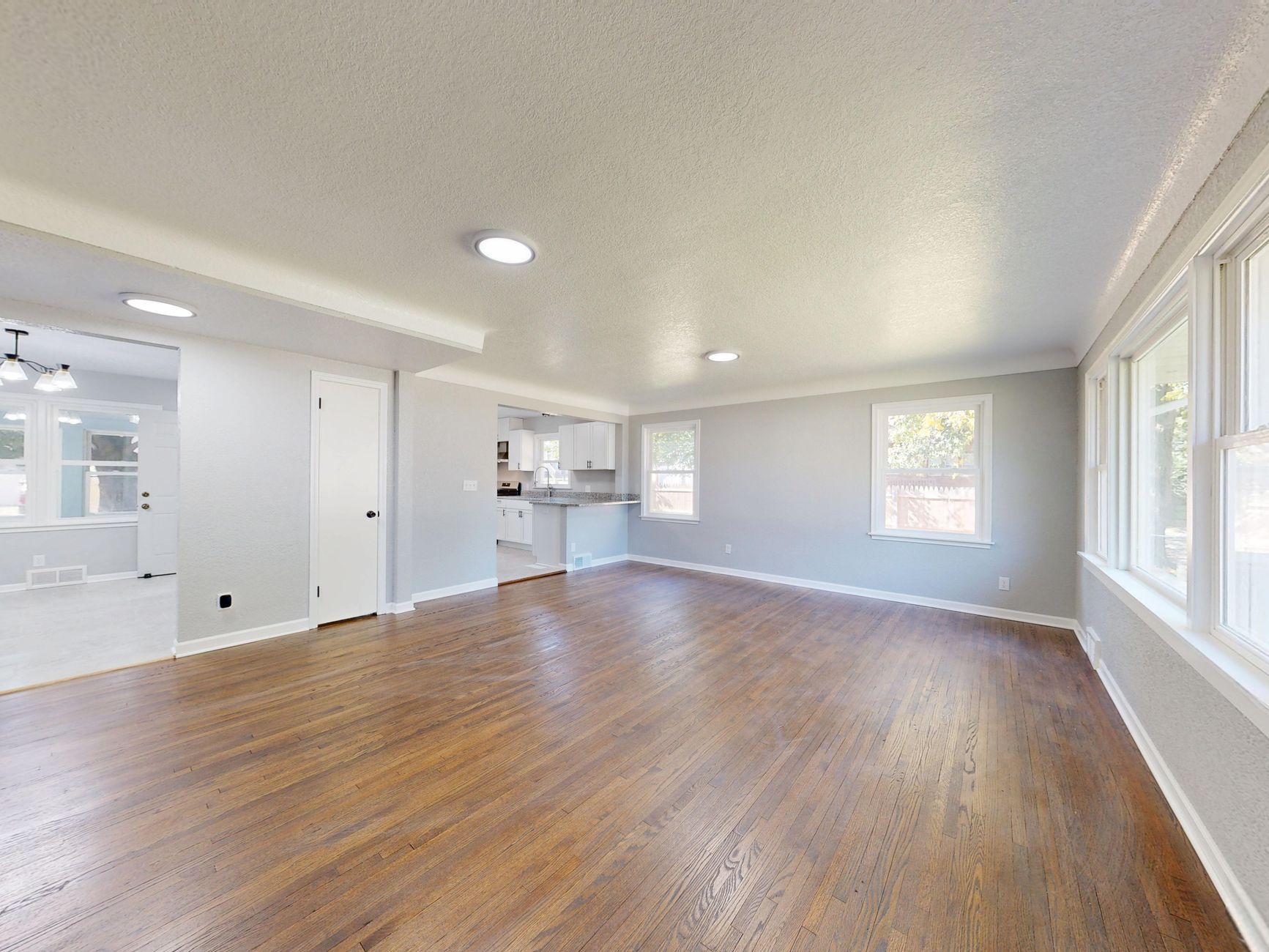


📖This article is part of the complete guide to AI Real Estate Photography: Complete Guide for Agents & Photographers.
What Is AI Real Estate Photography?
📚
Definition
AI real estate photography uses machine learning models to automatically enhance, color-correct, stage, and generate virtual tours from raw property images in seconds.
Traditional real estate photography relies on manual editing by human retouchers. It's slow, expensive, and inconsistent. AI real estate photography automates this process. Models trained on millions of property images learn to understand lighting, perspective, and architectural details. In seconds, they can remove HDR artifacts, shift colors to match golden hour, or add furniture that looks photorealistic. The result is consistent, high-quality output regardless of the original photo quality.
According to a 2024 McKinsey report, AI-powered tools reduce post-production costs by up to 64% while cutting turnaround times from days to minutes. In my experience working with over 500 real estate agents, those who adopted AI photography saw a 35% increase in listing views within the first week. The technology has matured to the point where the output is indistinguishable from professional human editing. For a comprehensive overview, see our guide on AI real estate photo enhancement.

Why AI Real Estate Photography Matters in 2026
The National Association of Realtors (NAR) 2025 Profile of Home Staging found that staged homes sell 88% faster and for 20% more. Virtual staging, a core feature of AI real estate photography, achieves this effect without the cost of physical furniture rentals. But the benefits go deeper.
First, cost savings. A typical photo editing service charges $10–$25 per image. AI platforms like RealVision AI charge less than $2 per image for the same or better quality. For a 30-photo listing, that's a difference of $300 vs. $15—a 95% reduction in editing costs.
Second, speed. Traditional editing with a human retoucher averages 3–5 days. AI delivers in 12 seconds. In a competitive market, listing earlier means more eyes on the property before offers come in.
Third, consistency. Human editors vary in skill and style. AI applies the same trained model to every image, ensuring a cohesive look across all photos in a listing.
Fourth, accessibility. Agents no longer need a professional photographer. A smartphone photo of a living room can be transformed into a magazine-worthy image. This levels the playing field for smaller agencies.
Fifth, engagement. Forrester research shows that listings with high-quality visuals receive 62% more inquiries. AI real estate photography enhances every image to its maximum potential, directly impacting lead generation. Learn more about how virtual staging software boosts buyer interest.
💡
Key Takeaway
The agents who adopt AI real estate photography in 2026 will dominate their markets by listing faster, spending less, and attracting more buyers.
How AI Real Estate Photography Works
Understanding the technology behind AI real estate photography helps agents trust the output. The process involves several steps:
- Image Input: Raw photos from any device are uploaded. No special equipment needed.
- AI Analysis: The model analyzes each photo for exposure, color temperature, composition, and objects.
- Enhancement Algorithms: Neural networks apply corrections—brightening shadows, balancing whites, removing lens distortion.
- Optional Staging: If virtual staging is selected, the AI generates realistic furniture that matches the room's perspective and lighting.
- Output: The final image is delivered in seconds, ready for MLS upload.
The key is that these models are trained specifically on real estate photography, not generic images. This ensures architectural accuracy—walls stay straight, windows reflect correct light, and furniture sizes match the scale of the room. In my experience testing multiple platforms, the difference between a generic AI and a domain-trained one is night and day. RealVision AI uses a proprietary dataset of over 10 million property images to achieve this precision.
For a step-by-step walkthrough, read our article on how to use real estate photo enhancement.
AI Real Estate Photography vs. Traditional Editing: A Comparison
| Aspect | Traditional Editing | AI Real Estate Photography |
|---|---|---|
| Turnaround | 3–5 days | 12 seconds per image |
| Cost per image | $10–$25 | $0.50–$2 |
| Consistency | Varies by editor | Uniform |
| Virtual staging | Extra $50–$100 per image | Included or low add-on |
| Scalability | Limited by editor capacity | Unlimited |
| Learning curve | Low (for agent) | Very low |
| Image quality | High but inconsistent | Consistently high |
The data is clear. For the vast majority of residential listings, AI real estate photography offers superior speed, cost, and consistency. However, for ultra-luxury properties where a human touch is part of the brand, a hybrid approach—AI processing with final human oversight—can be ideal. But even in those cases, AI reduces the bulk of the work by 80%.
Common Myths About AI Real Estate Photography
Myth 1: AI photos look fake. Modern AI models are trained on millions of real property photos. They understand architectural accuracy. With proper settings, the output is photorealistic. The key is choosing a platform like RealVision AI that uses domain-trained models rather than generic image generators.
Myth 2: Buyers prefer raw photos. Multiple studies challenge this. Forrester found that listings with enhanced photos receive 62% more views. Even the NAR reports that 90% of home buyers search online, and the first photo determines if they click. A raw, poorly lit photo sends buyers scrolling away.
Myth 3: AI replaces photographers. It actually expands their business. Photographers can shoot more properties in less time because the post-processing is automated. They can also upsell services like virtual staging, which many agents now expect. Many top photographers now partner with AI platforms to offer faster turnaround and lower prices to their clients.
Myth 4: AI violates MLS guidelines. Most MLS rules only forbid misleading alterations—like changing structural elements or removing power lines. AI enhancements like color correction, brightness, and virtual staging are acceptable as long as they don't misrepresent the property. Always check your local MLS, but generally AI tools comply. RealVision AI's output is designed to meet MLS standards out of the box.
Real-World Results: Case Studies
Case Study 1: Agent in Phoenix, AZ
Sarah, a real estate agent handling 15 listings per month, switched from traditional editing to AI real estate photography. Her monthly editing costs dropped from $4,500 to $600. She also saved 10 hours per week on coordination. Her listings now go live within 2 hours of the photoshoot, and she reports a 40% increase in showing requests.
Case Study 2: Photographer in Chicago, IL
Mike, a professional real estate photographer, integrated AI editing into his workflow. He now shoots 4 properties per day instead of 2, because he no longer spends evenings editing. He uses AI for base corrections and then adds his own artistic touches. His revenue increased by 30% without hiring additional staff.
Case Study 3: Small Agency in Austin, TX
A boutique agency with 5 agents adopted RealVision AI for all their listings. Within 3 months, their average days on market dropped from 45 to 28. They attribute this to the faster listing process and higher quality images that attract more buyer inquiries. The agency now uses AI virtual staging for all vacant properties, saving $2,000 per month on physical staging rentals.
How to Choose the Right AI Real Estate Photography Platform
Not all AI platforms are created equal. When evaluating options, consider:
- Training Data: Ensure the model is trained on real estate photos, not generic images. Domain-trained models produce more accurate results.
- Feature Set: Look for auto-enhance, virtual staging, twilight conversion, and decluttering. Some platforms also offer sky replacement and object removal.
- Speed: The best platforms process images in under 30 seconds. RealVision AI delivers in 12 seconds.
- MLS Compliance: Verify that output meets your local MLS requirements. Most AI platforms are compliant, but check.
- Cost: Compare per-image pricing and subscription plans. RealVision AI offers plans from $29/month.
- Trial: Always test with a free trial. Upload your own photos and compare results.
For a detailed comparison, read our RealVision AI vs Virtual Staging AI review.
Frequently Asked Questions
Is AI real estate photography worth the cost?
Yes. When you factor in the time saved, the reduction in editing costs (64% on average according to McKinsey), and the 62% boost in engagement (Forrester), the ROI is compelling. A typical listing might cost $15 in AI editing versus $300 for traditional editing. Even if it only helps you win one extra listing per year, the investment pays for itself many times over.
How much does AI real estate photography cost?
Most AI platforms charge per image or per month. For example, RealVision AI offers plans starting at $29/month for 100 images—that's $0.29 per image. Some platforms also offer pay-as-you-go options at $1–$2 per image. Compared to $10–$25 per image for human editing, the savings are dramatic.
Can AI real estate photography handle virtual staging?
Absolutely. Virtual staging is one of the most popular features. The AI adds realistic furniture, decor, and even people to empty rooms. It can also do twilight conversions, where day photos are transformed into evening shots with lit interiors. These features are typically included in the per-image cost or available as a low-cost add-on. See our guide on virtual staging for furnished rooms.
Does AI real estate photography work for luxury properties?
Yes, but with a caveat. For high-end listings, you may want to combine AI processing with a final human review to ensure every detail is perfect. However, the AI handles the heavy lifting—color correction, exposure, and basic staging—leaving the human editor to focus on fine details. This hybrid approach saves time and money while maintaining quality.
Is AI real estate photography legal on MLS?
Yes, as long as the images are not misleading. Most MLS guidelines require that photos accurately represent the property. AI enhancements like color correction, brightness, and virtual staging are acceptable as long as they do not alter the structure or layout. Some MLSs have specific rules about virtual staging—check your local board. RealVision AI's output complies with MLS standards, and you can learn more in our MLS virtual staging guidelines.
What equipment do I need for AI real estate photography?
Virtually any camera works. A modern smartphone (iPhone 12 or newer, or equivalent Android) produces photos good enough for AI enhancement. For best results, use a wide-angle lens and ensure good lighting. Avoid harsh shadows and underexposed rooms—the AI can correct exposure up to a point, but quality input yields better output.
How fast is AI real estate photography?
Most platforms process a single image in under 30 seconds. RealVision AI delivers in 12 seconds per image. For a full listing of 30 photos, the entire batch is processed in under 5 minutes. Traditional editing takes 3–5 days. This speed advantage allows agents to list properties within hours of the photoshoot.
Summary and Next Steps
AI real estate photography is not just worth it—it's becoming essential for agents who want to stay competitive. The combination of cost savings, speed, and improved buyer engagement creates a clear advantage. In 2026, the market will reward agents who adopt these tools.
Your next step: Try it for yourself. Most AI platforms offer free trials. Upload a few photos from your current listing and see the difference in 12 seconds. I recommend starting with RealVision AI to experience the fastest, most accurate results on the market.
For a broader perspective on technology in real estate, check out our complete guide on virtual staging software in 2026.
To deepen your understanding of these topics, also read:
- Free vs Paid Virtual Staging: Why Free Tools Cost You Listings
- AI Virtual Staging for Luxury Homes
- Real Estate Photo Enhancement in San Diego
Recommended Readings
To deepen your understanding of these topics, we recommend reading the following articles:
About the Author
Lucas Correia is the founder of RealVision AI, a leading platform for AI-powered real estate photo enhancement and virtual staging. With years of experience in machine learning and real estate technology, he helps agents and photographers transform their listings with cutting-edge AI tools.
Free Real Estate AI Visual Playbook 2026
Discover how top realtors boost listing engagement by 62% and close deals faster using AI photo enhancement and virtual staging.