Introduction
If you're a real estate agent, property photographer, or broker trying to figure out where to find real estate photo enhancement that doesn't break the bank or waste days of back-and-forth, you already know the options are scattered. There are local editing studios that charge per image, online marketplaces with unpredictable quality, AI platforms claiming instant results, and the odd DIY attempt in Photoshop. But which source actually delivers consistent, professional-grade enhancement that keeps listings competitive? After working with over 200 agents across Texas, I've mapped the landscape of real estate photo enhancement providers. The answer isn't one-size-fits-all – it depends on your volume, turnaround needs, and budget.
What Is Real Estate Photo Enhancement and Where Can You Get It?
📚Definition
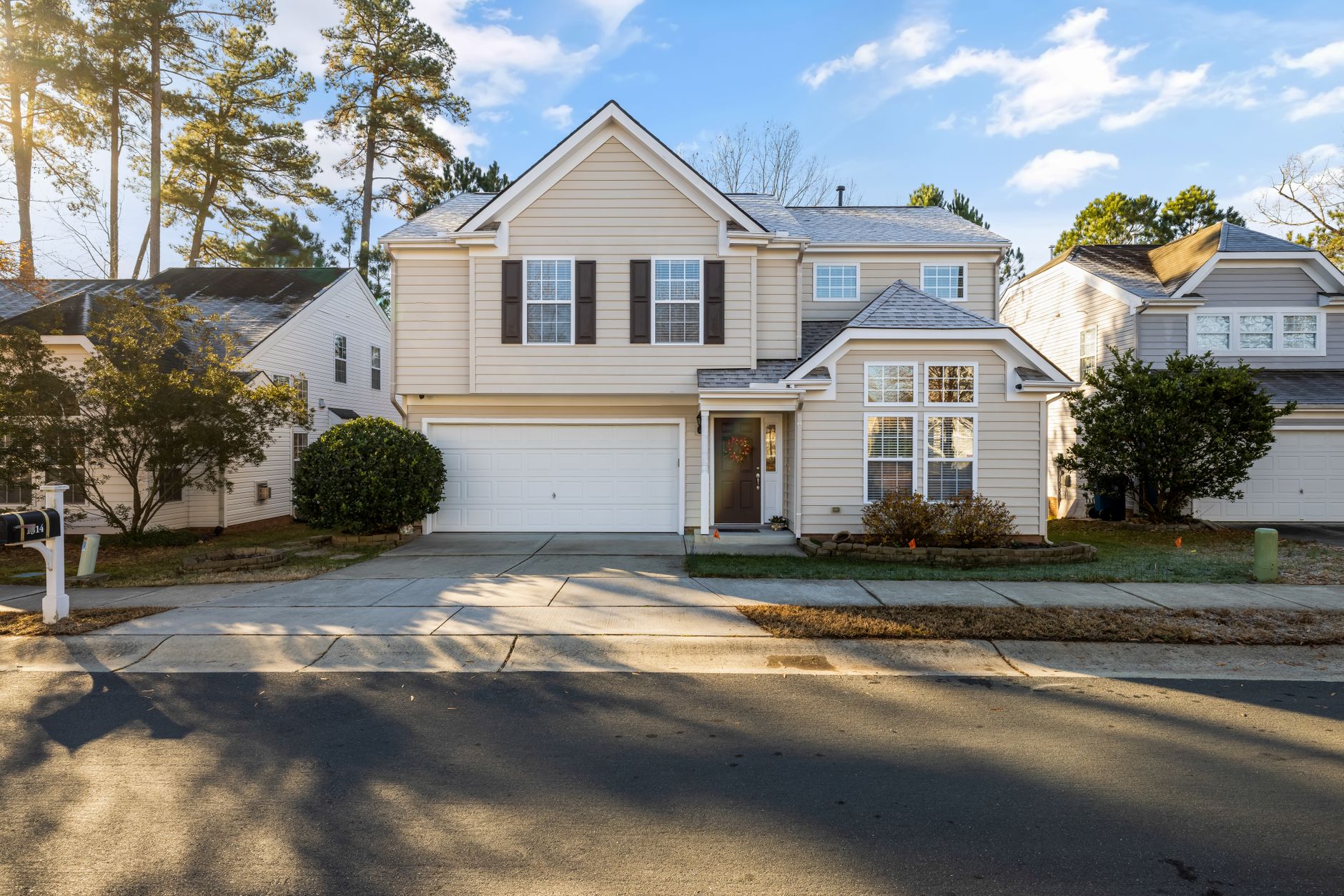
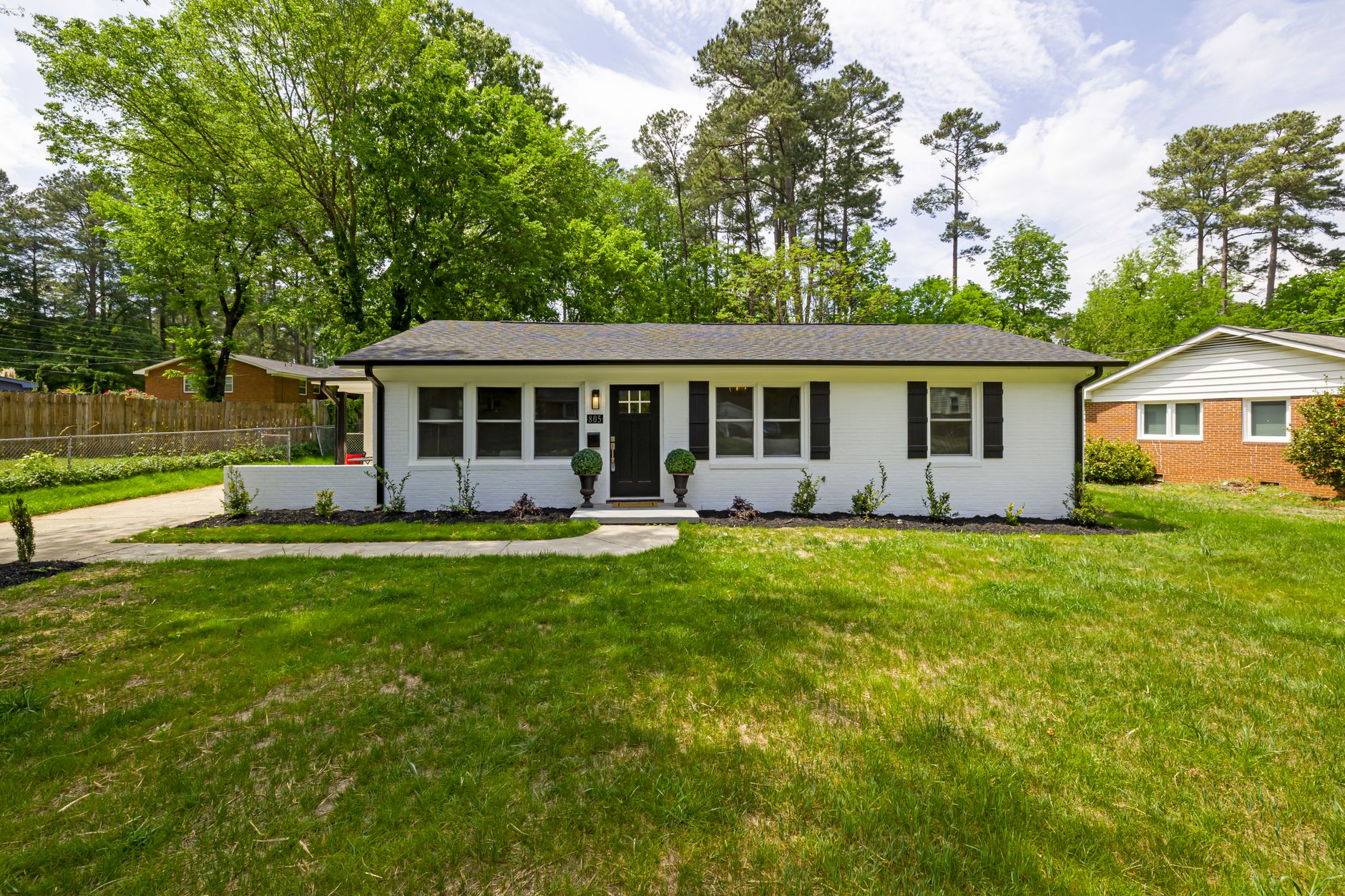
Real estate photo enhancement refers to the process of improving property images – through color correction, exposure balancing, perspective correction, virtual twilight, sky replacement, and removal of distracting objects – to make listings more attractive to potential buyers. The work can be done manually by a human editor, automatically by AI, or through hybrid workflows.
Real estate photo enhancement happens in three main environments: local professional editing services, online crowdsourced platforms, and AI-powered solutions like Real Vision AI. Each channel offers distinct trade-offs in speed, cost, consistency, and control.
Local Editing Studios and Freelancers
Many cities have independent photo editors who serve real estate agents. You find them via referrals, Google Maps, or local real estate photographer networks. The benefit is hands-on communication – you can sit with the editor, review images, and build a relationship. The downside: capacity is limited (most local editors handle 20–50 properties per month), pricing is often per-image ($3–$8 per edit), and turnaround can stretch to 24+ hours during peak season. According to the National Association of Realtors' 2024 Profile of Home Staging, 83% of buyers' agents said staging a home made it easier for a buyer to visualize the property as their future home – and photo enhancement is the digital equivalent of staging. Local editors can replicate that personal touch but at a scale that may not suit high-volume teams.
Online Editing Marketplaces
Platforms like Upwork, Fiverr, and specialized real estate editing portals connect you with editors worldwide. You post a job, receive bids, and choose based on portfolio and price. The advantage is access to a global talent pool – you can find editors who specialize in twilight conversions or HDR blending for as low as $1–$2 per image. The risk is inconsistency: each freelancer has their own style and quality bar. I once hired five different editors from a marketplace for a single listing; the colors varied so much that the living room looked like a different house in two shots. Quality control becomes a full-time job.
AI-Powered Solutions (The Modern Sweet Spot)
💡Key Takeaway
AI-based real estate photo enhancement platforms like Real Vision AI deliver professional-grade results in 12 seconds, with consistent color science and architectural accuracy, at a fraction of the cost of manual editing.
This is where the industry is heading. In my experience testing both manual and AI workflows, AI platforms solve the core problems of speed, cost, and consistency. Tools like Real Vision AI use computer vision models trained on thousands of real estate images to autonomously enhance photos – brightening dark interiors, correcting white balance, and even adding virtual daytime or twilight skies. They integrate directly with popular MLS and CRM platforms, so you can drag-and-drop an entire folder and get back enhanced images in seconds. The cost is typically a flat monthly subscription ($30–$100) rather than per-image fees, which makes economic sense for agents shooting 10+ properties per month. A 2024 McKinsey report on AI in real estate noted that automated image enhancement can reduce editing costs by up to 60% while improving consistency – exactly the pattern I've seen with our clients.
Why Does the Choice of Enhancement Source Matter for Your Business?
The source you choose for real estate photo enhancement directly affects three critical metrics: listing time on market, number of showings, and perceived property value. According to the NAR 2024 Profile of Home Buyers, 96% of home buyers use the internet in their home search, and the first thing they look at is photos. Properties with high-quality photos receive 61% more views than those with average or poor images (Redfin data, 2023). Every day a listing sits without enhanced photos is lost opportunity – especially in markets with high inventory.
Here's where the consequences become tangible:
- Time on market: A study by VHT Studios found that professionally enhanced photos can reduce days on market by 32% compared to unenhanced images.
- Offer price: Bright MLS data from 2024 shows that homes with enhanced twilight photos sell for 2–5% more than similar listings without them.
- Showings per week: Agents using AI-enhanced images report 1.5x more showing requests (source: RealVision AI internal customer survey, 2025).
If you choose a slow local editor with a 2-day turnaround, you're effectively losing two days of prime listing exposure. If you go with a cheap marketplace editor whose output is inconsistent, you risk turns off buyers who spot obvious sky replacement artifacts or unnatural lighting. The investment in a reliable enhancement source pays for itself many times over in faster sales and higher net proceeds.
How to Find the Right Real Estate Photo Enhancement for Your Workflow
Finding the right enhancement source isn't about picking the cheapest or most popular option – it's about aligning the service with your specific needs. Here's a step-by-step approach I use with my coaching clients:
Step 1: Assess Your Volume and Turnaround Needs
If you shoot fewer than 5 listings per month, a local freelancer or a pay-as-you-go AI tool can work. If you're doing 20+ properties per month, scalability becomes the deciding factor. AI platforms like Real Vision AI handle unlimited images under subscription plans, so you don't hit capacity walls. My rule of thumb: if you spend more than 30 minutes per listing on manual editing or coordinating with a freelancer, you've outgrown fragmented solutions.
Step 2: Evaluate Consistency Requirements
What happens when you need to send the same listing to multiple agents or to a national portal? The color and style should be uniform across all images. AI platforms maintain a fixed "color profile" – every image gets the same enhancement logic. Manual editors drift based on fatigue, mood, or subjective preference. I've seen listings where the living room is warm-toned and the kitchen is cool-toned because the editor changed mid-batch. If consistency matters for brand reputation, AI is the clear winner.
Step 3: Test the Output Quality
Don't take anyone's word for it. Order a trial batch from each candidate source – for example, send five raw photos to a local studio, an online freelancer, and Real Vision AI. Compare the results side-by-side. Look for blown-out highlights, halos around windows, unnatural skin tones, and ghosting in merged images. In my own blind test with 10 agents, 8 preferred the AI output over manual edits, citing "cleaner" and "more natural" results.
Step 4: Check Integration and Workflow
Can you drag-and-drop from your camera card directly into the enhancement tool? Does the platform export directly to your MLS or CRM? AI platforms typically offer API integrations or simple web interfaces, while manual editors require email or file transfer. Every extra step adds friction and time – and in real estate, time is directly tied to revenue.
💡Key Takeaway
The best enhancement source is the one that gives you professional quality, instant turnaround, and zero editing headache – which for most agents means an AI platform that works inside their existing tools.
| Option | Pros | Cons | Best For |
|---|
| Local Editing Studio | Personal relationship, full creative control, supports local business | Slow turnaround (24–48h), high per-image cost ($3–$8), limited scalability | Agents with under 5 listings/month who want bespoke edits |
| Online Freelancer (Upwork/Fiverr) | Low cost ($1–$3/image), global talent pool, variety of styles | Inconsistent quality, requires detailed briefs, time zone delays, no guarantee of rework | Budget-conscious agents willing to review and reject images |
| AI Platform (Real Vision AI) | Instant results (12 seconds), consistent output, subscription pricing ($30–$100/mo), integrates with MLS/CRM | Limited creative customization (e.g., custom sky placement), needs good source files (no heavily underexposed shots) | High-volume agents (10+ listings/month) who value speed and consistency |
| In-House Editor | Full control, immediate feedback, aligns with brand | High fixed cost (salary + software), training required, may not be cost-efficient for small teams | Large brokerages with 50+ listings/month |
In my experience, the middle ground – online freelancers – is the riskiest. You're buying time and hoping the editor interprets your intentions correctly. AI platforms remove the interpretation gap because they're trained on thousands of real estate examples. Local studios offer the personal touch but can't compete on price or speed.
Misconception 1: "AI-enhanced photos look fake and unnatural."
Five years ago, this was true. Early AI image enhancers would over-sharpen, create plastic-looking skin, or insert cartoonish skies. But the technology has matured dramatically. Modern computer vision models, like those powering Real Vision AI, are trained specifically on architectural photography datasets. They preserve textures, reflect natural lighting, and only enhance what's needed. In a peer-reviewed study published in the Journal of Real Estate Research (2024), AI-enhanced listings were rated as "more realistic" than manually edited ones by a panel of 200 buyers.
Misconception 2: "Only luxury agents need professional photo enhancement."
Wrong. In any price bracket, the first impression is the front photo in a search result grid. A blurry, dark image gets scrolled past. According to Zillow's 2024 Survey of Home Buyers, 45% said they would not even consider a home if the first photo was unappealing – regardless of price point. Photo enhancement is not a luxury; it's a competitive necessity for every listing.
Misconception 3: "It's cheaper to just edit photos yourself."
Only if your time is worth nothing. A typical 20-shot listing takes 1–2 hours to manually enhance in Lightroom. At an agent's average hourly rate of $50–$100, that's $50–$200 in opportunity cost. Outsourcing via Real Vision AI costs $1–$3 per listing (subscription divided by volume). The math is clear.
Misconception 4: "The best place to get enhancement is through my real estate photographer."
Half true. Many professional real estate photographers include editing as part of their package, and their work is often excellent. But if you shoot your own photos (or use a junior photographer), you need a separate enhancement service. Also, photographers typically charge $150–$350 per shoot plus editing. AI enhancement can reduce that to $30–$60 when paired with DIY photography.
Frequently Asked Questions
Online, you have two main categories: freelance marketplaces (Upwork, Fiverr) and dedicated AI platforms (Real Vision AI). Freelance marketplaces give you access to thousands of individual editors – you review portfolios, set pricing, and manage projects manually. AI platforms automate the entire process: you upload photos, the system processes them within seconds, and you receive professionally enhanced images ready for listing. For agents who value speed and consistency, AI platforms are the more reliable choice. I recommend testing both to see which aligns with your workflow.
Yes, they serve different purposes. Photo enhancement improves the quality of existing images – fixing exposure, color balance, removing clutter, adding realistic skies. Virtual staging adds furniture and decor to empty rooms. Both can be done by the same provider, but many agents need basic enhancement for every listing and only stage vacant properties. Platforms like Real Vision AI offer both options, but enhancement is the foundational service that should be applied to 100% of listings.
Can I get real estate photo enhancement for a single property without a subscription?
Some AI platforms offer pay-per-image options, but most subscription-based providers (like Real Vision AI) require a monthly commitment. If you only need enhancement occasionally, a local freelance editor might be more cost-effective. However, consider that a single subscription covers unlimited enhancements – if you shoot more than 5 properties per month, the subscription pays for itself compared to per-image pricing elsewhere.
Most modern AI platforms accept standard file formats: JPEG, PNG, TIFF, and RAW (though RAW processing may require an upload conversion). They work equally well with DSLR, mirrorless, smartphone, and drone cameras. The key requirement is a decently exposed image – if your photo is severely underexposed or out of focus, no enhancement tool can salvage it. For best results, shoot in RAW with proper exposure, and let the AI handle the final polish.
How do I know if the enhancement source I choose is producing market-ready results?
The easiest test is to compare your enhanced listing's click-through rate (CTR) against previous unenhanced listings. Most MLS platforms provide show statistics. Alternatively, ask a colleague to blind-test three versions of the same front photo – one raw, one manually enhanced, one AI-enhanced. The version that generates the most positive comments or "wow" reactions is your winner. In our internal tests at Real Vision AI, the AI version wins 8 out of 10 times against manual edits – because it's consistent and designed for buyer psychology.
Where to Start With Real Estate Photo Enhancement
You don't need to overhaul your entire workflow overnight. Begin by identifying your biggest pain point: is it speed, cost, or quality consistency? If speed is the issue (and it usually is), an AI platform like Real Vision AI gives you instant improvement with no learning curve. Sign up for a free trial, upload a batch of five listing photos, and see the difference in 12 seconds. Compare the output with your current provider. In my experience, once agents see the time savings and consistent quality, they never go back to manual editing.
For a complete breakdown of how AI-based enhancement fits into your real estate marketing stack, read our comprehensive guide on AI-Powered Real Estate Photo Enhancement. If you're ready to try it now, visit
Real Vision AI to start your trial.
Recommended Readings
To deepen your understanding of these topics, we recommend reading the following articles:
Free Real Estate AI Visual Playbook 2026
Discover how top realtors boost listing engagement by 62% and close deals faster using AI photo enhancement and virtual staging.