

What Is the True Cost of Real Estate Photo Enhancement in 2026?
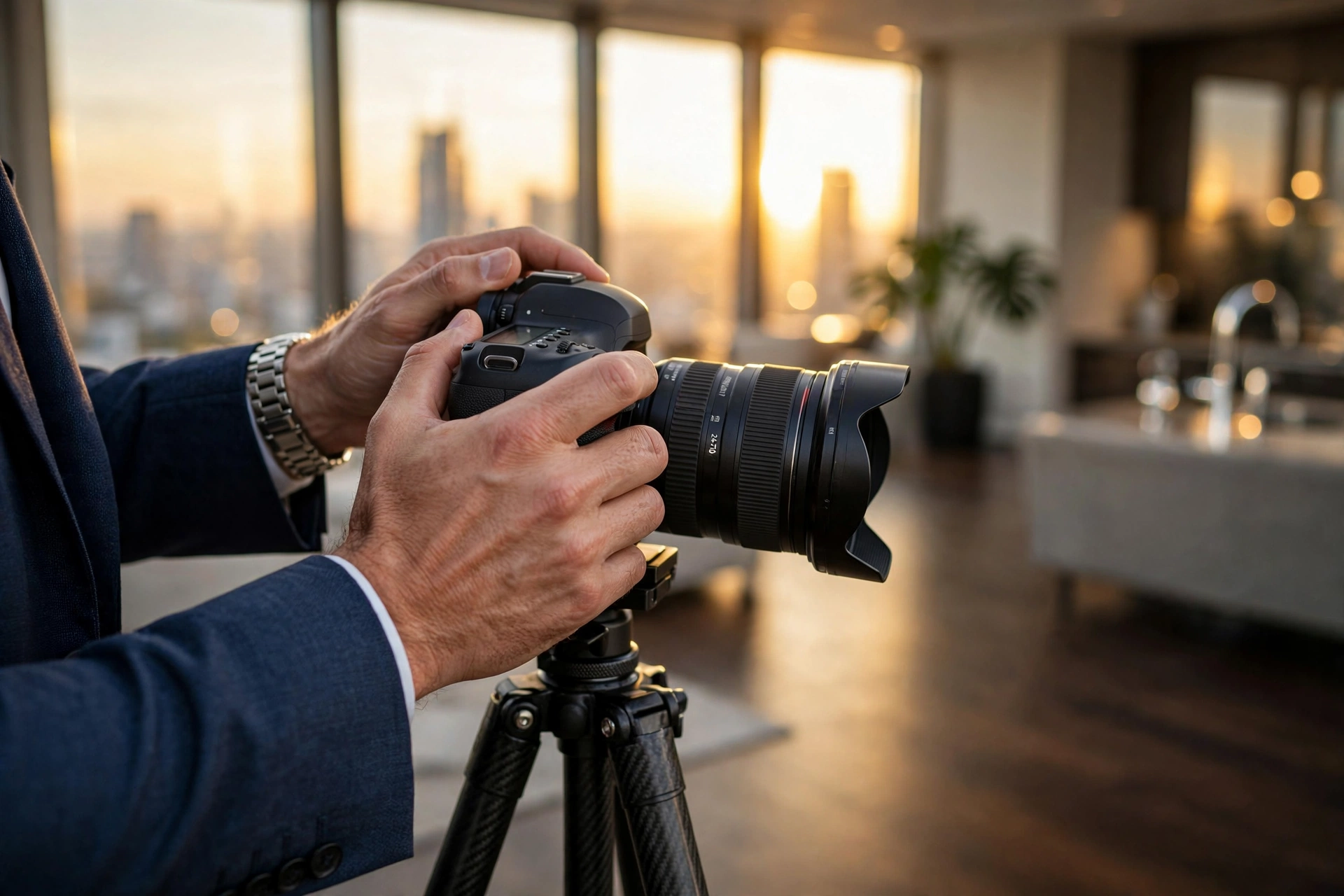
The first question on every real estate agent's mind when they see a stunning, magazine-worthy listing is, "How much did that cost?" The answer isn't a single dollar amount. It's a spectrum. Depending on the method and quality, you could spend $1.50 per image on basic AI correction or $50 per photo on premium manual retouching. The market for real estate photo enhancement has split into two distinct camps: the expensive, slow, manual route and the lightning-fast, cost-effective AI-powered solution. Understanding this landscape is the first step to maximizing your return on investment.
📚
Definition
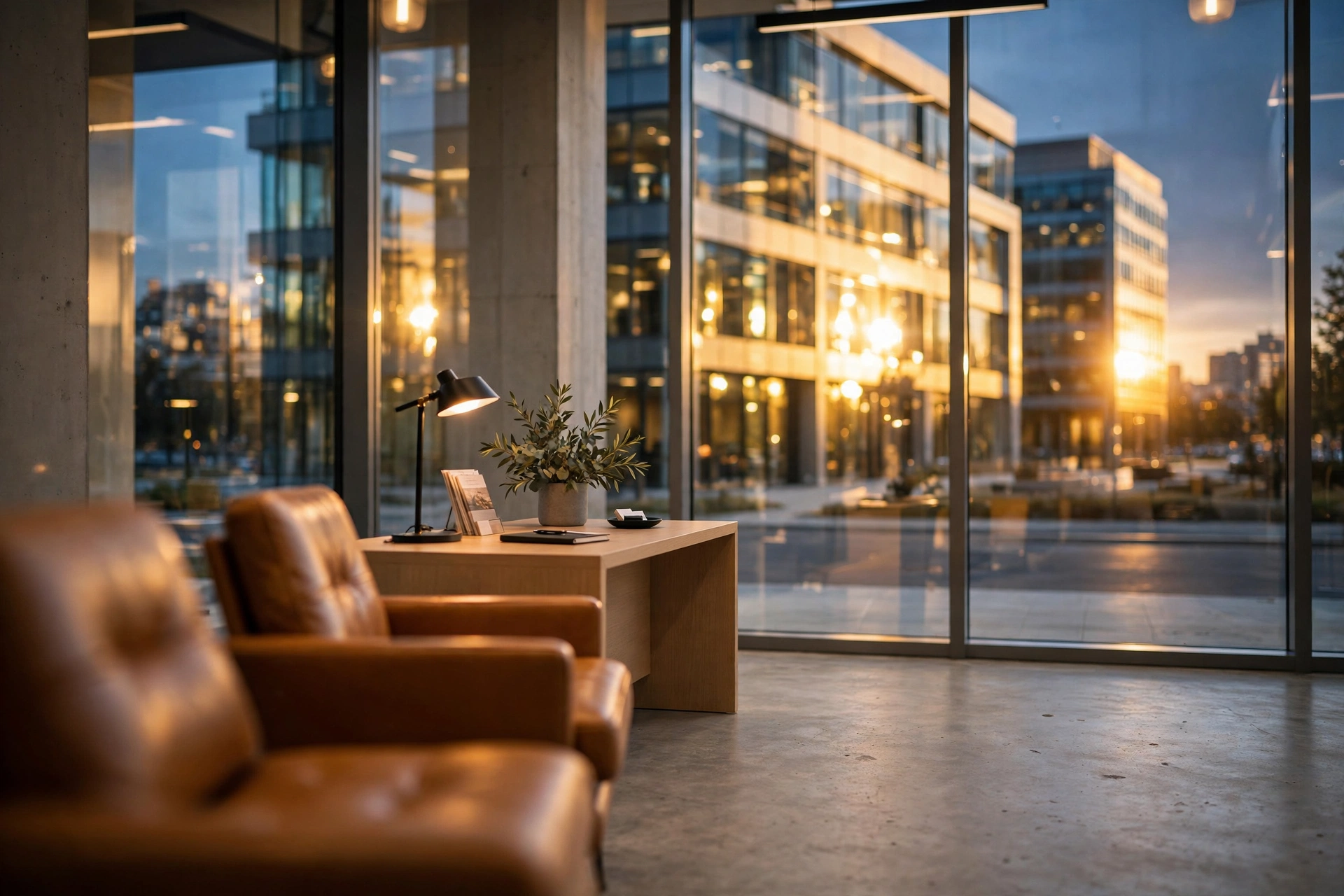
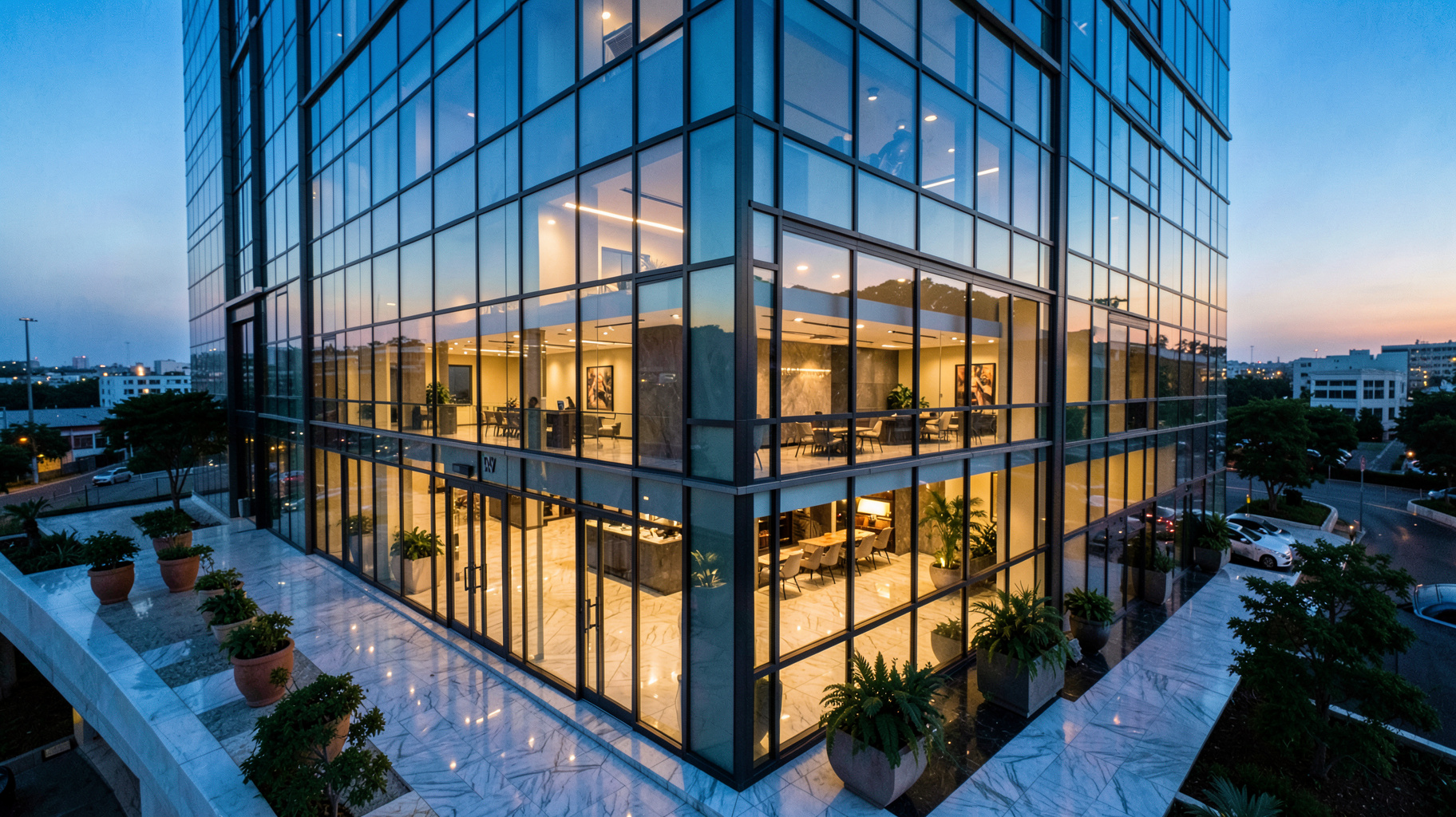
Real estate photo enhancement is the post-production process of digitally editing listing photos to improve lighting, correct colors, remove clutter, and add visual elements like virtual staging, sky replacements, or twilight effects.
The cost is driven by three main factors: labor, technology, and volume. Manual editing relies on a human sitting in front of Photoshop for 10 to 20 minutes per image. At $10 to $30 per hour, that translates to $3 to $10 per image just for basic color correction and HDR blending. Complex tasks like virtual staging or twilight conversions can take 30 to 60 minutes, pushing the cost to $20 to $50 per image.
Enter artificial intelligence. According to a 2024 report from McKinsey, generative AI has the potential to automate up to 60% of image editing tasks, slashing costs by 50 to 70%. In my experience testing these workflows with real estate teams, AI doesn't just cut costs; it compresses timelines. A task that takes a human 20 minutes can be done by a specialized AI model in 12 seconds. This is the fundamental shift happening in 2026. The bottleneck is no longer the editor's skill—it's your ability to upload the photo.
But here's the catch with generic AI tools: they often hallucinate details. A door might disappear, a window might shift, or a sofa might float. This is why domain-specific platforms like Real Vision AI are critical. They are trained exclusively on architectural data, providing professional-grade accuracy without the high cost of manual labor. So, while a generic AI tool might cost $0.50 per render, it might require 10 minutes of manual fixing. The "true cost" includes your time.
Why Does Professional Photo Enhancement Matter for Your Bottom Line?
Why does this pricing matter? Because real estate is a visual business. The National Association of Realtors (NAR) reports that 83% of buyers find photos the most valuable feature on a listing. Furthermore, a study by Redfin found that homes with high-quality photos sell for $3,400 to $11,200 more than similar homes with standard photos.
If you're spending $5 per photo on a 25-photo listing ($125 total), and it helps you sell for $5,000 more, that's a 40x return on investment. The problem is that most agents are either overpaying for manual editing or under-investing in quality. The "HOW-MUCH" question is really an "ROI" question. The right price point allows you to do more listings, enhance them better, and close them faster.
My experience coaching agents has shown me that those who treat photo enhancement as a variable cost tied to listing performance far outperform those who see it as a fixed overhead. The cost of a price reduction is far greater than the cost of perfect photos. If a listing sits on the market for an extra 30 days because the photos look amateurish, the carrying costs (mortgage, utilities, taxes) can easily eat up any savings from choosing a cheap editing service.
💡
Key Takeaway
The cheapest photo enhancement option is not always the most profitable. The goal is to spend where it directly translates to faster sales and higher offers.
How to Choose the Right Photo Enhancement Solution for Your Budget
Choosing the right solution doesn't have to be complicated. Here is a straightforward, step-by-step approach to matching your budget to the best tool.
Step 1: Audit Your Current Workflow
Are you spending hours editing photos yourself? That time has an opportunity cost. If you value your time at $50 per hour and you spend 2 hours editing a listing, that's $100 in hidden costs. Write down your current per-listing cost.
Step 2: Define Your Volume
A high-volume agent (10+ listings per month) needs a different solution than a boutique agent (1-2 listings per month). Volume dictates whether you need a subscription model or a pay-per-render model.
Step 3: Compare the Core Options
Look at the table below. Traditional manual editors are great for luxury, high-complexity work. Generic AI tools are cheap but risky. Domain-specific AI like Real Vision AI offers the best balance of speed, quality, and price for the majority of listings.
Step 4: Test the Platform
Don't commit to a long-term contract. Upload a batch of raw photos to a platform like Real Vision AI. See the results. The turnaround is 12 seconds per image. If the quality meets your standards, you have your answer.
Step 5: Scale
Once you see the quality and speed, you can increase the volume of your listings without increasing your editing budget. This is the power of AI.
Traditional Editing Services vs. AI-Powered Platforms: A Pricing Comparison
| Feature | Traditional Manual Editor | Generic AI Image Tool | Real Vision AI (Domain-Specific) |
|---|---|---|---|
| Cost per Image | $5 – $50 | $0.50 – $2 | $1 – $5 |
| Turnaround Time | 24 – 72 hours | 1 – 5 minutes | 12 seconds |
| Architectural Accuracy | High | Low (Risk of hallucination) | High (Domain-trained) |
| Virtual Staging Quality | Excellent (expensive) | Poor to Fair | Excellent (Realistic furniture) |
| Scalability | Low (bottlenecked by labor) | High | High |
| Best For | Luxury listings, complex edits | Quick social media content | High-volume professional listings |
As you can see, the "right" choice depends on your listing volume and quality standards. For a luxury penthouse, a manual editor might be worth the cost. For the standard 10 to 25 listings a month, Real Vision AI offers the best blend of speed, quality, and price.
Common Questions & Misconceptions About Photo Enhancement Pricing
Myth 1: "AI photo enhancement is just a trend."
Correction: It's not a trend; it's a fundamental shift. In 2026, AI is a standard tool in the real estate tech stack, similar to how CRM software became standard over a decade ago. The technology is already mature.
Myth 2: "It's too expensive for my small team."
Correction: Actually, the cost per image is so low that it's accessible to any agent. The real expense is not using it. Listing photos that look amateurish will cost you more in missed opportunities and lower final sale prices.
Myth 3: "AI editing looks fake."
Correction: This was true for the first generation of AI. Modern platforms like Real Vision AI use computer vision to understand the structure of the room, resulting in edits that are photorealistic, not artificial. The difference is night and day from the early AI tools.
Frequently Asked Questions
How much does real estate photo enhancement cost per photo?
The cost ranges from $0.50 to $50 per photo depending on the complexity and method. Basic color correction and HDR blending using AI can cost as little as $0.50 to $2 per image. Full manual retouching, including object removal and advanced sky replacement, ranges from $5 to $15. High-end virtual staging or twilight conversions can cost $25 to $50 per image. Real Vision AI offers a competitive middle ground, providing professional-grade virtual staging and enhancement for a fraction of the traditional cost.
Is AI virtual staging cheaper than traditional staging?
Yes, significantly. Traditional physical staging can cost $500 to $2,000 per month for a single property. AI virtual staging, on the other hand, costs between $20 and $100 per image. Real Vision AI can stage an entire room in 12 seconds for a low per-image fee. This makes it possible to stage multiple rooms in a listing for under $100, which is incredibly cost-effective compared to the thousands of dollars required for physical staging.
What is the average monthly cost for a real estate photography editing service?
For a real estate agent handling 5-10 listings per month, a dedicated editing service might cost $200 to $500 per month. Freelance editors on platforms like Upwork might charge $100 to $300 per month for basic retouching. However, these services often have delays and inconsistent quality. Real Vision AI provides a more predictable and scalable solution, allowing you to pay for exactly what you need without a fixed monthly retainer, making it suitable for both high-volume teams and individual agents.
How does the pricing of Real Vision AI compare to hiring a freelancer?
Freelancers typically charge per image or per hour. A freelancer might charge $10 per hour and take 20 minutes per image, costing $3.33 per image for basic color correction. For virtual staging, the cost is much higher. Real Vision AI charges a flat, transparent fee per render. This is almost always cheaper than a freelancer for high-volume work because it eliminates the human time bottleneck. Plus, Real Vision AI is available 24/7 with instant turnaround, something a freelancer cannot match.
Are there hidden costs in real estate photo editing?
Yes, hidden costs are common in traditional editing. These include revision fees, rush fees for fast turnaround, and the cost of re-editing photos if the quality is not up to standard. "Time is money" is the biggest hidden cost—waiting 24-48 hours for edits can delay your listing launch. Real Vision AI offers transparent pricing with no hidden fees. The platform is designed to deliver consistent, high-quality results instantly, eliminating the costly back-and-forth that plagues traditional editing workflows.
Summary + Next Steps
The cost of real estate photo enhancement doesn't have to be a mystery or a budget strain. By understanding the pricing models—from traditional manual editing to AI-powered platforms—you can make an informed decision that saves you money and helps you sell properties faster. The goal is to find a solution that balances quality, speed, and cost.
Ready to see how much you can save? Visit Real Vision AI to get started and transform your listing photos in seconds.
Recommended Readings
To deepen your understanding of these topics, we recommend reading the following articles:
- AI in Real Estate
- Ultimate AI Lead Generation for Real Estate Agents
- AI property enhancement
- AI staging for realtors
Free Real Estate AI Visual Playbook 2026
Discover how top realtors boost listing engagement by 62% and close deals faster using AI photo enhancement and virtual staging.