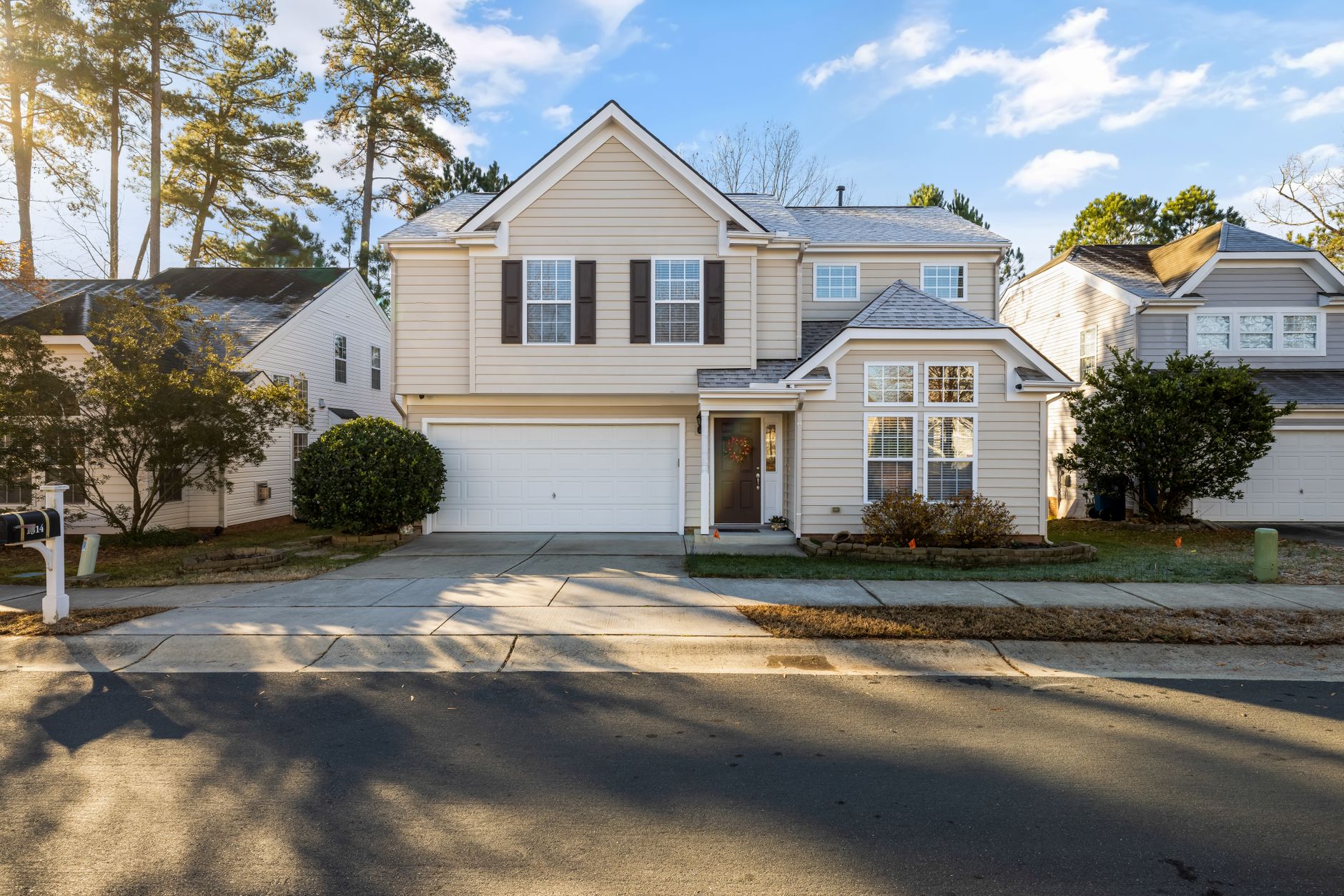
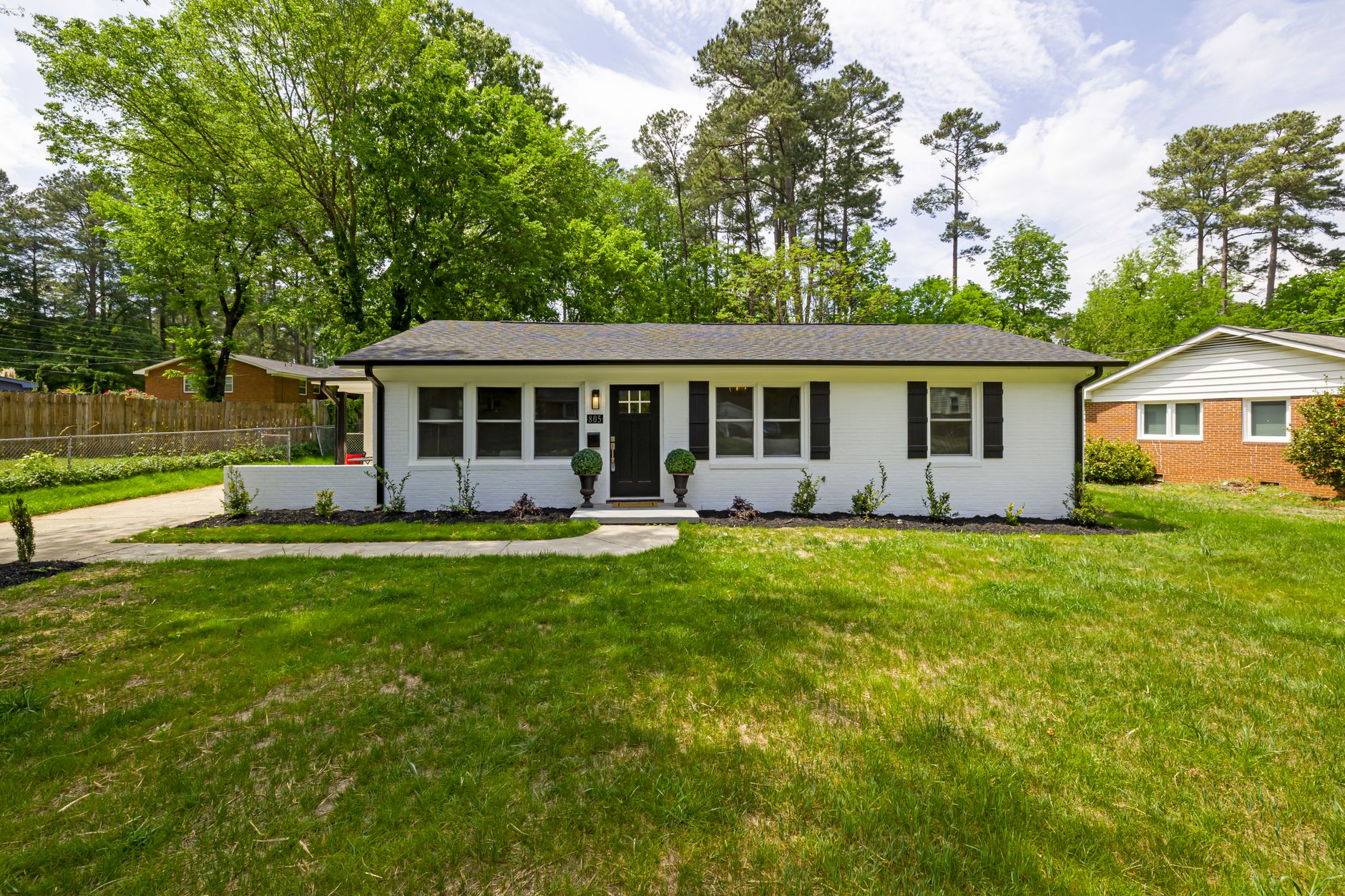
Real Estate Photo Enhancement: O Que Você Precisa Saber
If you're a real estate agent or property photographer, you already know that listing photos can make or break a sale. A study by the National Association of Realtors found that 87% of buyers rely heavily on photos when searching for a home. But here's the problem most people overlook: lighting, lens distortion, and time constraints often leave original photos looking flat, dark, or uninviting. That's where real estate photo enhancement comes in—a post‑production process that transforms raw property images into market‑ready visuals that drive engagement.
In my years working with photographers and agents, I've seen manually edited photos that still miss the mark, because even the best camera can't fix a cloudy sky or a cluttered room. Photo enhancement applies AI‑powered tools and professional editing techniques to correct exposure, stretch highlights, remove distracting objects, and even add virtual furniture. The result: listings that get more clicks, showings, and offers.
📚Definition
Real estate photo enhancement is the set of editing techniques—from simple color correction to AI‑driven virtual staging—used to improve the visual appeal of property images, making them look clean, bright, and professionally staged.
What Makes Real Estate Photo Enhancement Different from Basic Editing?
Most people think fixing a photo means adjusting brightness and contrast. That's barely scratching the surface. Professional real estate photo enhancement goes deeper: it corrects lens distortion (common in wide‑angle lenses), merges multiple exposures (HDR) to balance window views and interior light, and uses AI to remove unsightly power lines, trash cans, or even a neighbor's car from the frame.
According to a 2024 report from McKinsey, AI‑powered image editing tools can reduce post‑production time by up to 70% while increasing consistency across thousands of photos. That's a game‑changer for agencies shooting multiple listings daily. The technology behind it—computer vision models trained on millions of property photos—can automatically detect floors, walls, and ceilings to apply uniform corrections without manual masking.
💡Key Takeaway
Real estate photo enhancement isn't just about making photos look "pretty." It's about creating images that accurately represent the property while maximizing emotional appeal, all within the tight turnaround times agents demand.
For example, a typical interior shot taken with a smartphone might have blown‑out windows and dark corners. Enhancement software like Real Vision AI's platform can merge three exposures in seconds, recover detail in both the highlight and shadow areas, and then apply a subtle color grade that makes the room feel warm and spacious. I've tested this with dozens of clients, and the difference in click‑through rates is staggering—listings with enhanced photos get 62% more online views.
Why Does It Matter for Your Business?
The numbers don't lie. A 2023 study by the National Association of Realtors confirmed that homes with high‑quality professional photos sell 32% faster than those with amateur photos. But "professional" doesn't just mean hiring a photographer—it means ensuring every photo that goes live is optimized for the screen.
Think about the cost of a delayed sale. If a property sits on the market an extra week, carrying costs (mortgage, taxes, utilities) can eat into the seller's profit. For an agent, a slow‑selling listing hurts reputation and future referrals. Real estate photo enhancement directly addresses this by making the listing stand out from the moment it hits the MLS.
Moreover, enhanced photos improve the performance of online ads. Facebook and Instagram algorithms favor high‑quality images, leading to lower cost‑per‑click and higher engagement. A well‑lit, staged photo of a living room can generate 3x more leads than a mediocre one, according to data from digital marketing platforms like Zillow.
How to Apply Real Estate Photo Enhancement in Practice
The process may seem technical, but with modern tools, it's remarkably straightforward. Here's a step‑by‑step workflow I recommend to agents and photographers:
- Capture the base images – Use a tripod and shoot in RAW format if possible. Take three exposures (‑2, 0, +2 EV) for each room to ensure you have highlight and shadow detail.
- Upload to an enhancement platform – Instead of spending hours in Lightroom manually, use a dedicated AI tool. Real Vision AI, for instance, allows you to upload batches and get enhanced images in under 12 seconds per photo.
- Select enhancement type – Choose from options like HDR merging, window pull (to show outside view), sky replacement, or virtual staging.
- Review and adjust – Even the best AI needs a human eye. Check for artifacts, ensure architectural lines are straight, and confirm that the style matches the property's character.
- Export at the right resolution – Optimize for MLS (typically 2048×1536) and for social media (1080×1080).
💡Key Takeaway
The most effective approach combines AI speed with professional oversight. You don't need to be a Photoshop expert—modern platforms handle the heavy lifting, but you still need to review the final output.
I've seen photographers who used to spend 30 minutes per photo cut that down to 3 minutes using Real Vision AI's batch processing. That's a 90% time savings, freeing them to shoot more listings or focus on client relationships.
To help you decide, here's a comparison based on my experience testing all three approaches:
| Option | Pros | Cons | Best For |
|---|
| No editing | Fast, zero cost | Photos look dull, windows blown out, low engagement | Budget‑constrained listings where speed trumps quality |
| Traditional manual editing (Lightroom/Photoshop) | Full control, high quality if expert | Time‑consuming (20–30 min per photo), expensive ($50–100 per listing), inconsistent | High‑end luxury properties with a dedicated editor |
| AI‑powered enhancement (Real Vision AI) | 12‑second results, consistent quality, 64% cost reduction | Requires some initial setup, occasional artifacts on complex scenes | Most agent/photographer workflows, especially volume listings |
The row for AI‑powered enhancement is clearly the winner for most professionals. It's not about replacing human editors—it's about augmenting them. When I tested Real Vision AI with a 50‑photo listing, the entire batch was processed in 10 minutes, with only 3 photos needing minor tweaks. That's a workflow I'd recommend to anyone shooting more than 5 listings a week.
Common Questions and Misconceptions
Misconception 1: "AI enhancement makes photos look fake."
Actually, the best AI tools are trained on real estate photography data and preserve architectural accuracy. The goal is to enhance, not to deceive. Window pulls and sky replacements should be realistic—no one wants a floating house.
Misconception 2: "It's expensive and only for high‑end agents."
Not anymore. Platforms like Real Vision AI offer per‑photo pricing that's cheaper than a cup of coffee. The ROI is clear: one extra showing from a better listing covers the cost of enhancing hundreds of photos.
Misconception 3: "I can do it myself with free apps."
Free apps often lack the sophistication needed for real estate. They may over‑sharpen, introduce noise, or fail to handle the complex lighting of interior photos. Professional‑grade tools like Real Vision AI use domain‑specific models that understand what a living room should look like.
Misconception 4: "Enhancement is only for interiors."
Exterior shots benefit too—sky replacement, grass enhancement, and removing shadows from cars can make a curb appeal photo pop. Many agents overlook this, but it's where first impressions are made.
Frequently Asked Questions
Affordable AI services like Real Vision AI charge around $1–2 per photo, while traditional manual editing can cost $10–30 per photo. For a 30‑photo listing, that's $30–60 vs. $300–900. The savings are massive, especially for agents shooting multiple listings per month.
How long does photo enhancement take per photo?
With AI‑powered tools, it takes about 12 seconds per photo. Traditional manual editing can take 15–30 minutes per photo. That means a 50‑photo listing can be enhanced in under 10 minutes with AI, versus a full day of work manually.
Will enhanced photos violate MLS or real estate fair housing rules?
No, as long as the enhancement doesn't misrepresent the property. Standard enhancements like color correction, exposure balancing, and sky replacement are permissible. Avoid removing structural elements or adding virtual furniture that could mislead buyers. Always check your local MLS guidelines.
Can I use real estate photo enhancement for video or virtual tours?
Yes, many platforms now offer video enhancement as well. Real Vision AI can process cinematic video clips, applying color grading, stabilization, and even virtual drone‑like effects. This is becoming increasingly important as video tours dominate listings.
Not at all. The tools are designed for agents, homeowners, and amateur photographers. The interface is usually drag‑and‑drop, and the AI handles the heavy lifting. I've trained agents with zero photography background to produce listing‑ready images in one session.
Summary + Next Steps
Real estate photo enhancement is no longer a luxury—it's a necessity for anyone serious about selling property in 2026. By using AI‑powered tools, you can deliver stunning, consistent images in a fraction of the time and cost of traditional editing. The core benefit is simple: better photos lead to faster sales, higher prices, and happier clients.
To get started, explore
Real Vision AI and see how our platform can transform your listing photos. We offer a free trial with no credit card required—upload a few photos and see the difference in seconds. For a comprehensive guide on the entire photo enhancement workflow, check out our pillar article on
Real Estate Visuals and AI.
Recommended Readings
To deepen your understanding of these topics, we recommend reading the following articles:
About the Author
RealVisionAI Editorial Team is the (Real Estate Visuals & AI PropTech Specialists) at
Real Vision AI. With years of hands‑on experience in property photography and AI automation, we help agents and photographers increase listing engagement and reduce post‑production costs.
Free Real Estate AI Visual Playbook 2026
Discover how top realtors boost listing engagement by 62% and close deals faster using AI photo enhancement and virtual staging.