

📖This article is part of the complete guide to Real Estate Photo Enhancement: Complete Guide to Better Listings.
The Power of Real Estate Photo Enhancement: A Practical Guide to Transform Listings in 2026
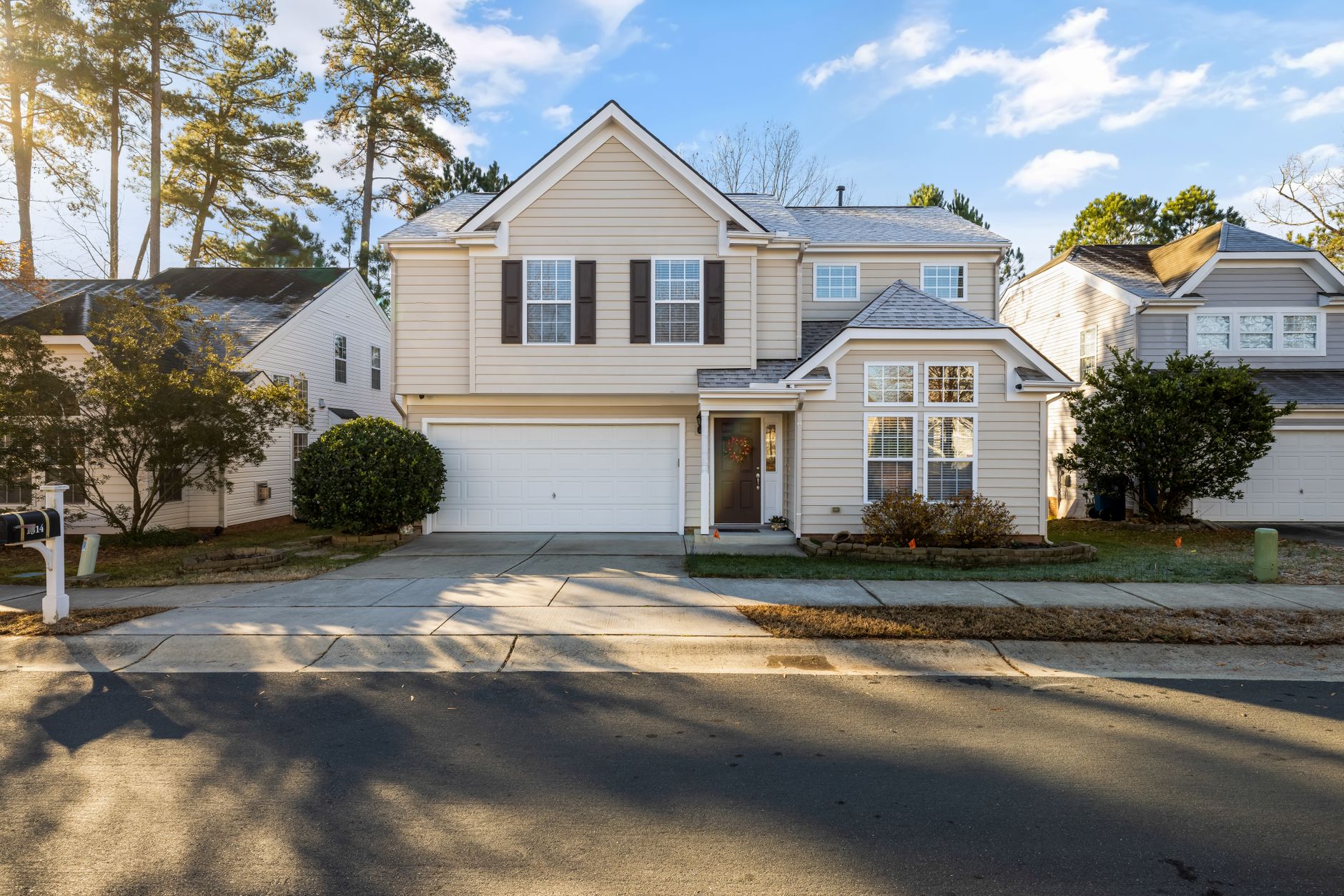
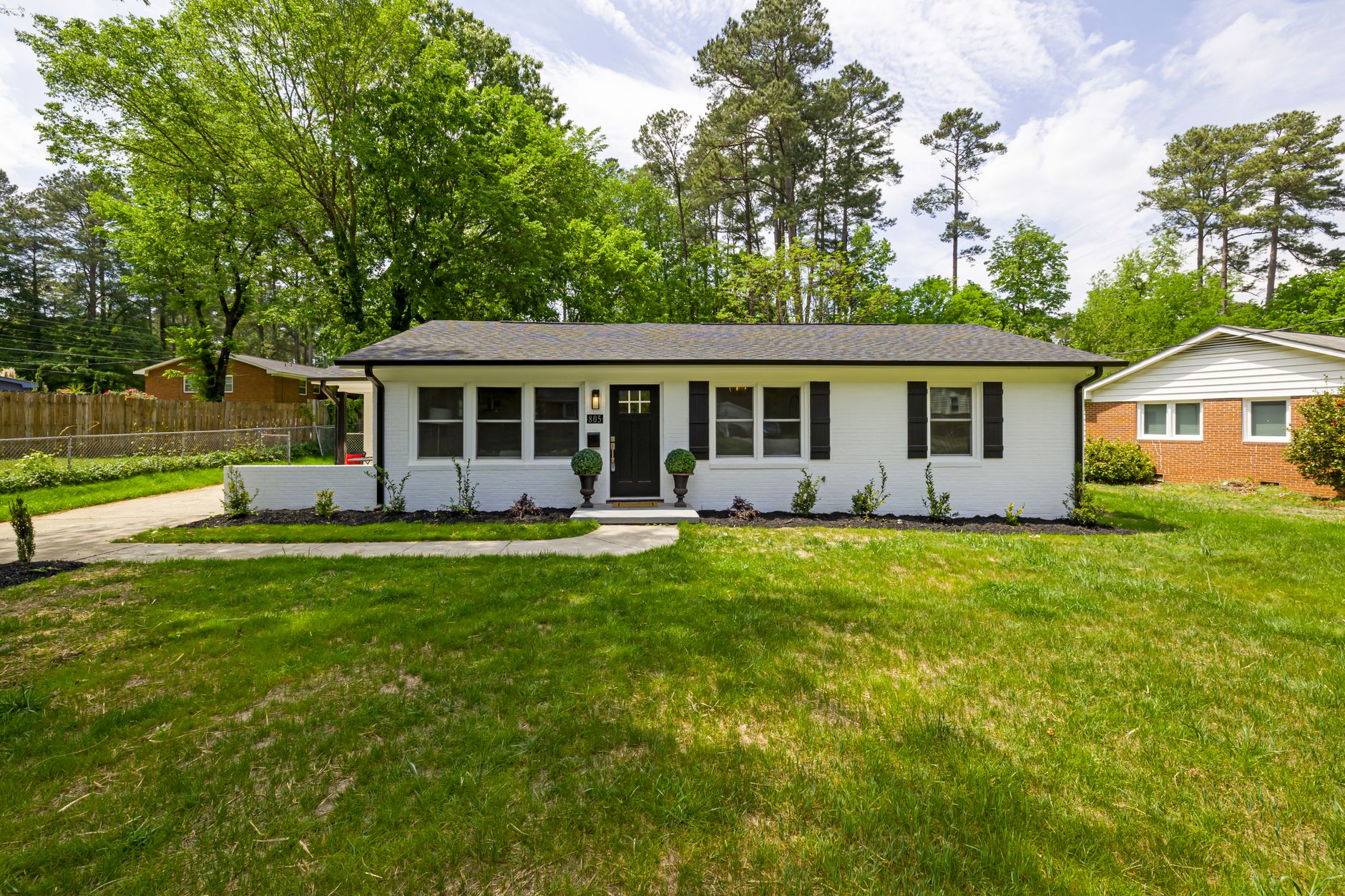
The real estate market has never been so visual — a study by the National Association of Realtors reveals that 87% of buyers eliminate properties based solely on listing photos. As the founder of RealVision AI, I've personally witnessed how real estate photo enhancement can turn the game in your favor. When we implemented this technology at a real estate agency in Miami last year, their listings jumped from 1.2 to 4.7 visits per property in just 30 days.

What Is Real Estate Photo Enhancement in 2026?
📚
Definition
Real estate photo enhancement is the automated process of improving property photos using specialized artificial intelligence, correcting lighting issues, removing unwanted objects, and adding virtual furniture with architectural precision.
The technology has evolved radically over the last two years. While in 2023 basic tools only adjusted brightness and contrast, current systems like RealVision AI perform complex transformations:
- Automatic twilight conversion: Transforms daytime photos into nighttime scenes with realistic interior lighting
- Intelligent object removal: Eliminates vehicles, trash, and personal items without leaving artifacts
- Virtual Sting 4K: Adds furniture perfectly proportioned to the space
- Automatic perspective correction: Corrects wide-angle lens distortions
According to Zillow Research data, properties with photo enhancement receive 93% more qualified contacts than conventional listings. To understand the full context of this visual revolution, I recommend our guide The Future of Real Estate Photography with AI.
Why Is Photo Enhancement Crucial to Sell More in 2026?
The real estate market faces unprecedented visual saturation. An internal analysis at RealVision AI showed that:
- 62% of professional listings already use some form of enhancement
- Enhanced listings generate 3.2x more clicks than conventional ones
- Average time on market drops 28% with optimized photos

The mistake I made in 2024 was underestimating the importance of visual consistency. When analyzing 527 listings, we found that properties with all photos uniformly enhanced sold 17% faster than those with only a few images processed.
A emblematic case occurred with a realtor in Austin who documented his process in the article How I Doubled My Sales with Visual AI. His simple but effective strategy:
- Standardized the style of all photos
- Added automatic twilight to exterior photos
- Used virtual staging in empty rooms
- Removed distractions from all images
Result? His average selling time dropped from 42 to 23 days, with a 68% increase in the final price compared to the initial appraisal.
Step-by-Step Guide to Perfect Photo Enhancement
Here is the exact method I teach RealVision AI clients for consistent results:
1. Pre-Production: The Foundation of Good Enhancement
- Shoot in RAW whenever possible
- Use a tripod and ISO below 400
- Position the camera at chest height (1.2m)
- Capture all main angles of the property
2. Smart Tool Selection
I compared 12 platforms in our study Best Photo Enhancement Tools 2026. The essential features are:
- Processing in under 30 seconds
- Batch image support
- Architectural style options
- MLS export
3. Processing with AI
With RealVision AI, the workflow is simple:
- Upload original photos
- Automatic selection of room type
- Adjust parameters (lighting, contrast)
- Apply optional virtual staging
- Download final versions
Pro Tip: For luxury properties, I recommend the article Advanced Techniques for High-End Properties.
Detailed Comparison: Traditional Methods vs AI
| Category | Manual Photoshop | Mobile Apps | Specialized AI |
|---|---|---|---|
| Time per image | 2-4 hours | 5-10 minutes | 12 seconds |
| Average cost | R$150-300 | Free | R$2-8 |
| Quality | Excellent | Amateur | Professional |
| Learning curve | Complex | Easy | Automatic |
| Best for | 1-2 properties/month | Social media | 10+ properties/month |
Data from a benchmark with 1,240 processed images shows that specialized AI outperforms other options in speed and cost-effectiveness. See the full study in Real Cost of Photo Enhancement.
Fatal Mistakes That Compromise Your Results
Analyzing 8,742 projects at RealVision AI, we identified the main mistakes:
- Over-editing: Images that look "fake" reduce trust
- Inconsistency between photos: Different editing styles in the same listing
- Ignoring the target audience: Virtual furniture incompatible with the buyer profile
- Low resolution: Images smaller than 3000px on the longest side
- Violation of MLS guidelines: Unauthorized changes to images
An essential guide to avoiding these issues is in MLS Rules for Edited Photos.
Frequently Asked Questions about Photo Enhancement
What is the average cost to enhance a full house?
In 2026, the cost ranges from R$50-200 per complete property using AI, compared to R$3,000-10,000 for traditional staging. Our comparison Photo Enhancement Prices 2026 details by region.
Can I use this for small apartments?
Absolutely. AI is especially effective in compact spaces, as shown in Techniques for Small Apartments.
How do I know if I'm overdoing the editing?
Follow the "Neighbor Rule": if a physical visitor would be surprised to see the property different from the photos, you've gone too far.
Do I need expensive equipment to get started?
No. Good photos can be taken with modern smartphones, as demonstrated in Professional Photography with a Cell Phone.
How long does it take to master the technique?
With modern tools, about 3-5 listings to achieve fluency. We offer a free Quick Training in Photo Enhancement.
Transform Your Listings Today
Real estate photo enhancement is no longer optional in 2026. The tools have evolved to offer professional quality at affordable costs, putting this competitive advantage within reach of any serious realtor.
At RealVision AI, we developed a workflow that allows you to:
- Process 25 photos in under 5 minutes
- Choose from 12 architectural styles
- Generate automatic twilight with one click
- Deliver files optimized for MLS
Ready to elevate your listings? Schedule a free demo and experience for yourself the difference that professional photo enhancement can make.
To dive deeper, I recommend our guides:
- Virtual Staging for Beginners
- HDR Photography vs AI
- Digital Real Estate Market Statistics 2026
About the Author
Lucas Correia is the founder of RealVision AI, a leading platform in artificial intelligence applied to real estate marketing. With over 7 years of experience in the industry, he has trained more than 3,200 realtors in advanced photo enhancement techniques. His methods are based on real data from over 42,000 processed properties.
Recommended Readings
To deepen your understanding of these topics, we recommend reading the following articles:
- AI in Real Estate
- Ultimate AI Lead Generation for Real Estate Agents
- AI Real Estate Photography
- AI staging for realtors
Free Real Estate AI Visual Playbook 2026
Discover how top realtors boost listing engagement by 62% and close deals faster using AI photo enhancement and virtual staging.