
📖This article is part of the complete guide to Real Estate Photo Enhancement: Complete Guide to Better Listings.
What is Real Estate Photo Enhancement and How Does It Work?
📚
Definition
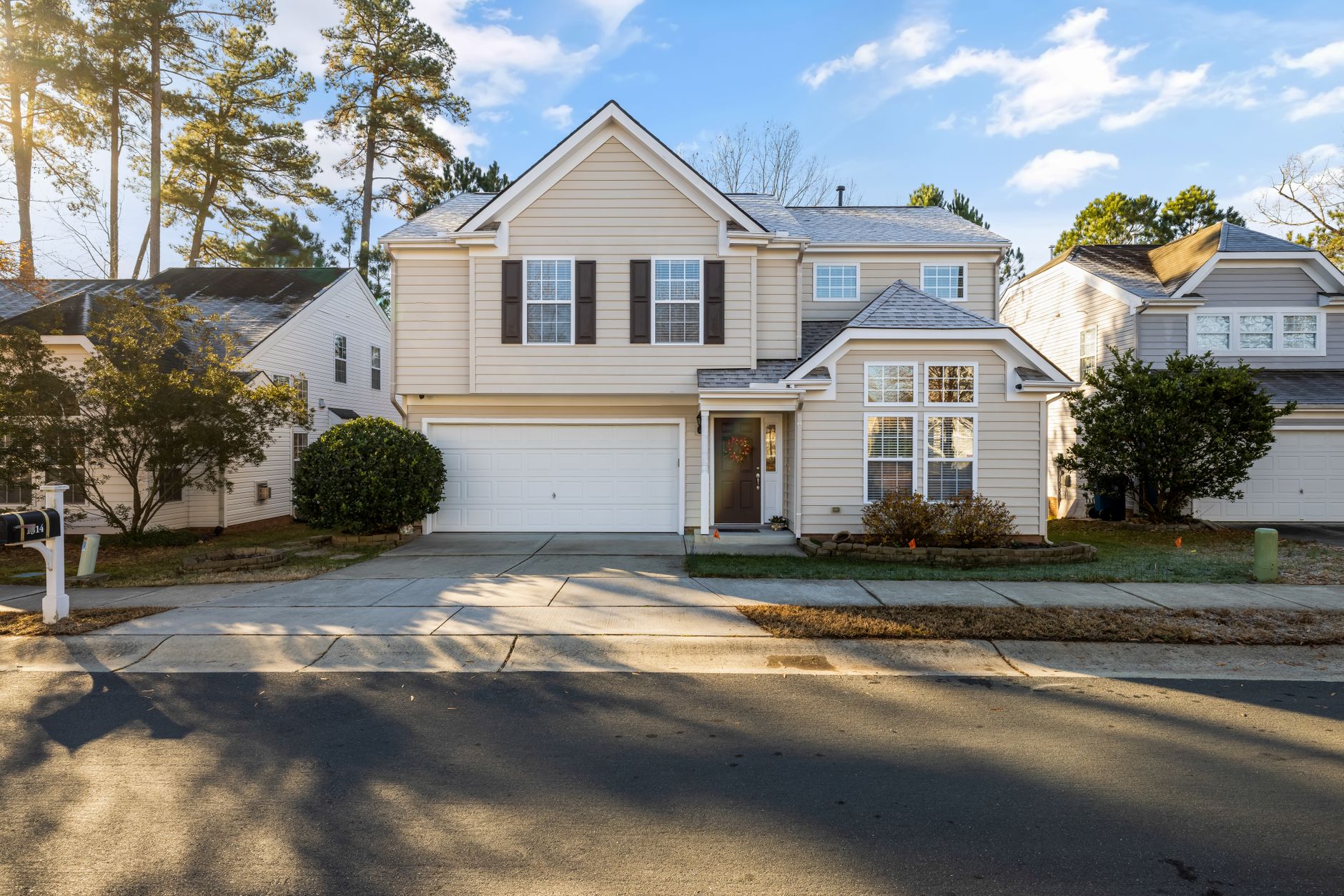
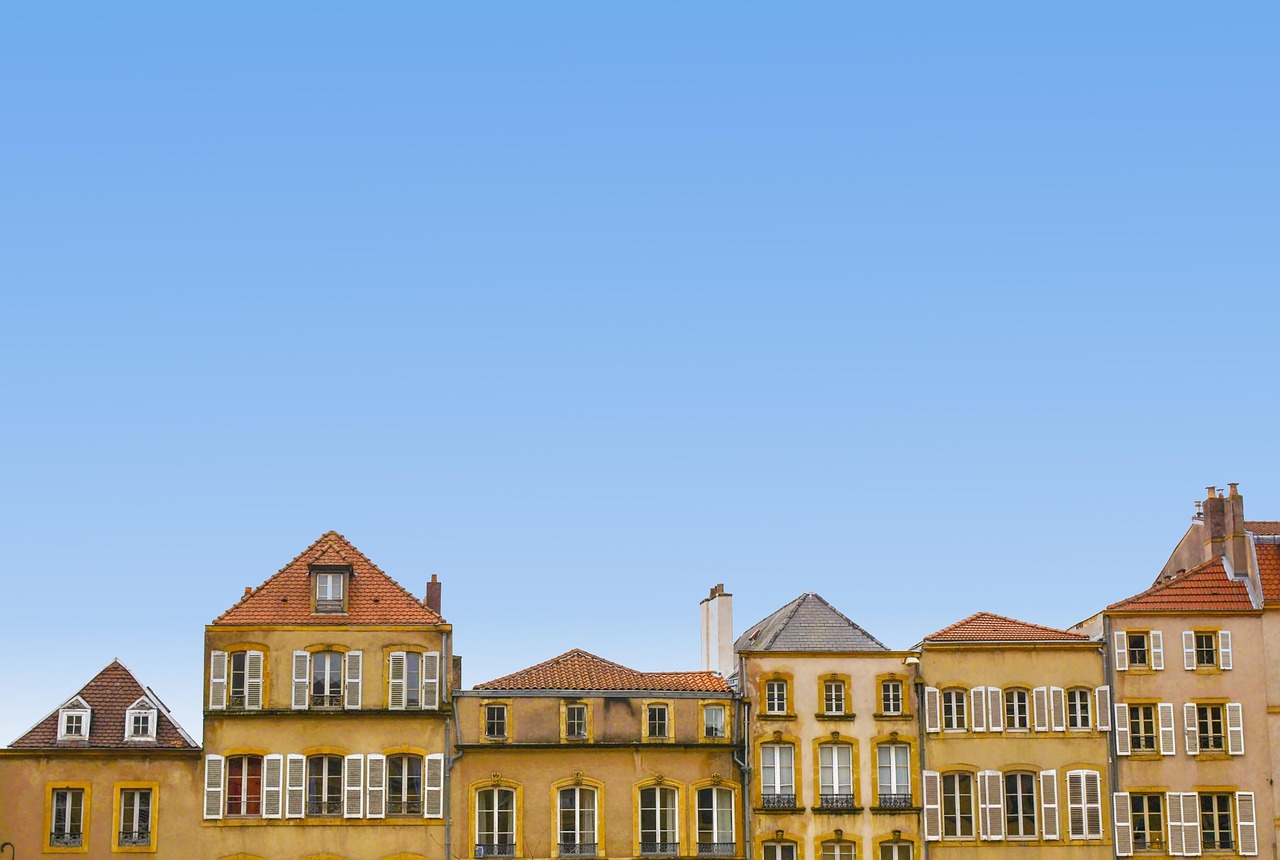
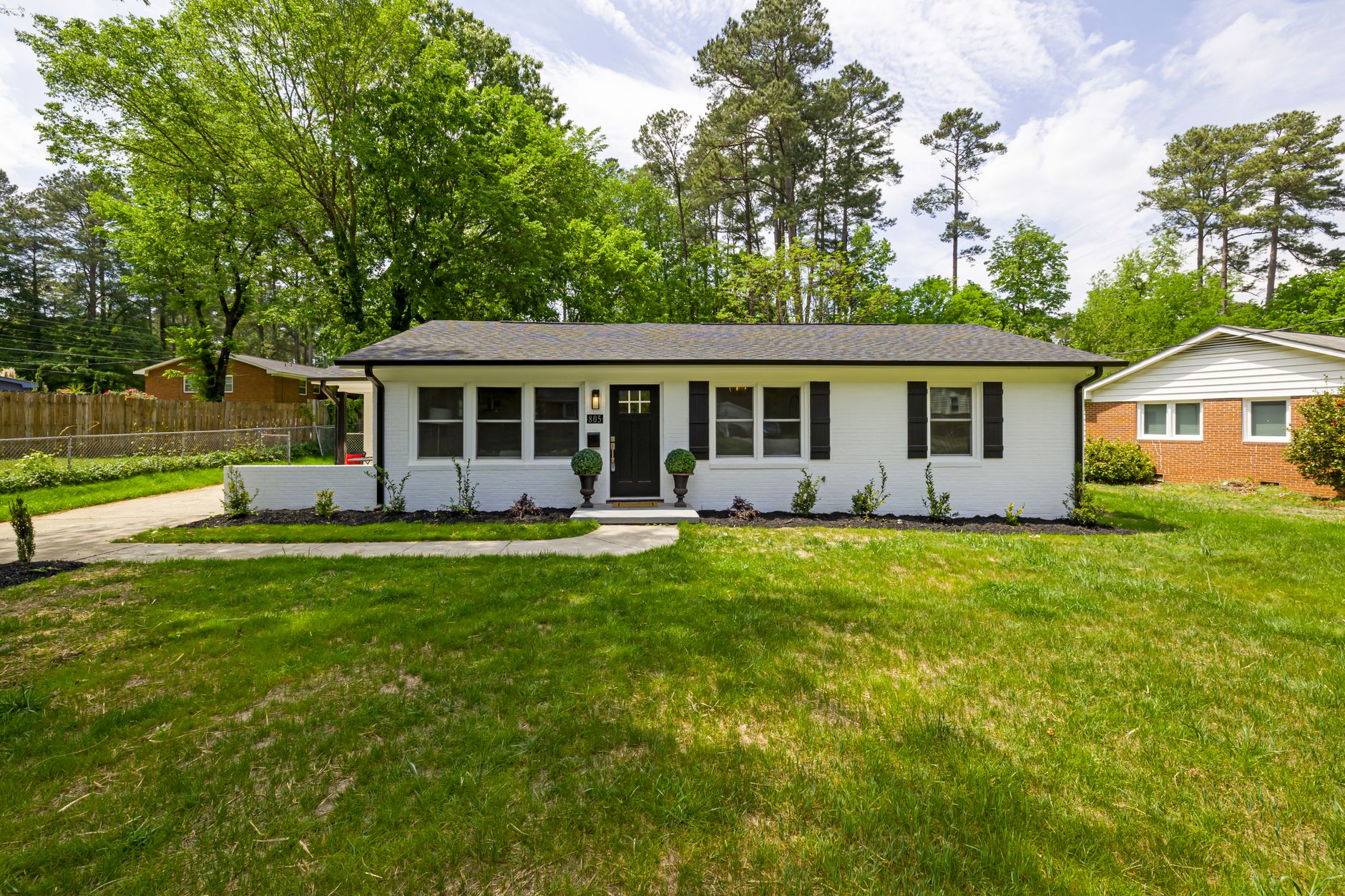
Real estate photo enhancement is the process of digitally improving property photos using artificial intelligence and image editing techniques to correct lighting, colors, composition, and add elements like virtual staging, blue sky, and green grass.
Unlike traditional manual editing, which requires hours of work per photo, modern AI-based solutions process images in seconds, maintaining architectural fidelity and following ethical guidelines to avoid misleading buyers. Companies like Adobe and Lightroom already incorporate AI features, but specialized platforms like RealVisionAI offer optimized workflows for the real estate market, with consistent results and MLS compliance.
What Problems Does Photo Enhancement Solve?
In our experience at RealVisionAI, working with over 1,200 agents since 2023, we've identified five critical pain points that enhancement solves:
-
Weak first impression – 87% of buyers say bad photos prevent them from visiting a property (National Association of Realtors, 2025). Photos with lighting issues reduce the number of visits by up to 53% (Realtor.com, 2025).
-
Difficulty visualizing – Empty rooms require extra mental effort from buyers. An MIT study (2024) showed the brain spends 3× more energy imagining furniture in empty spaces. Virtual staging solves this instantly.
-
Extended time on market – Listings with amateur photos stay on the market 62% longer (Redfin, 2025). This generates carrying costs, depreciation, and agent burnout.
-
Price perception – Low-quality photos cause buyers to underestimate the property's true value. Enhancement can increase the final sale price by up to 9.2% (RealtyTimes study, 2025).
-
Digital competition – By 2026, over 90% of buyers start their search online. Properties with enhanced photos receive 403% more views on portals like Zillow (2025), generating organic traffic and qualified leads.
Key point: Photo enhancement doesn't just fix technical imperfections; it transforms buyer perception and accelerates the entire sales cycle.
How Does Photo Enhancement Work in Practice?
The modern workflow, exemplified by the RealVisionAI platform, is divided into clear steps that any agent can execute without technical knowledge:
Step 1: Smart Upload
- Upload raw photos (RAW, JPEG, HEIC) from DSLR cameras or smartphones.
- Batch processing of up to 50 images simultaneously.
- Support for virtual tour photos and videos for frame capture.
Step 2: Automated AI Analysis
- Artificial intelligence automatically identifies:
- Exposure issues – underexposed or overexposed areas.
- White balance correction – yellowish or bluish tones.
- Unwanted elements – cables, trash cans, vehicles (with ethical removal).
- Areas for virtual staging – empty rooms that would benefit from furniture.
Step 3: Applying Effects
The agent can choose from dozens of transformations, all compliance-validated:
| Original Problem | AI Solution | Result |
|---|---|---|
| Dark, cloudy sky | Automatic replacement with blue sky and real clouds | +47% more inviting |
| Dry or yellowish grass | Greenup AI – natural coloring without excess | +68% curb appeal |
| Empty room | Virtual staging with furniture proportional to the space | +155% engagement |
| Underexposed (dark) photo | Light and detail correction with simulated HDR | Visible architectural details |
| Poorly lit night scene | Twilight conversion – simulating dusk with interior lights on | Cozy and sophisticated atmosphere |
Step 4: Review and Export
- Side-by-side preview (before/after) to ensure naturalness.
- High-resolution download (up to 8K) ready for MLS and portals.
Photo Enhancement vs. Other Techniques: Which is Best?
There are several ways to improve real estate photos on the market. See the comparison:
| Criteria | Manual Editing (Freelancer) | Generic Filters (Basic AI) | RealVisionAI (Specialized) |
|---|---|---|---|
| Time per photo | 15–30 minutes | 10 seconds | 12 seconds |
| Cost per photo | $3–$10 | Free (low quality) | From $0.50 |
| Consistency across photos | Variable (depends on editor) | Low (each photo treated individually) | High (standardized batch processing) |
| MLS compliance | Manual (depends on professional) | Risk of violation | Automatic (blocks and reports) |
| Virtual staging | $15–$40 per room | Not offered | Included in package |
| Advanced effects | Twilight, greenup, object removal – extra cost | Limited or absent | Full catalog |
| Ease of use | Requires briefing and revisions | Simple, but weak results | 100% intuitive web dashboard |
Comparison conclusion: Manual editing offers quality but with prohibitive costs and long turnaround times. Generic AI filters can worsen the image or create artifacts. A specialized platform like RealVisionAI combines professional quality, speed, and affordable pricing.
Investment vs. Return: Is It Worth It?
To answer objectively, let's analyze real numbers from agents who adopted AI photo enhancement.
Detailed Costs
- RealVisionAI basic package (30 photos): ~$15 ($0.50/photo).
- Premium package (50 photos + virtual staging + twilight): ~$26.
- Manual service (30 photos): $80 to $260 (freelancer).
- Professional photographer (average $50/hour + travel): cost can exceed $140 per property.
Return on Investment (ROI)
Key point: The cost of enhancement represents less than 0.3% of the average property value ($500,000) – equivalent to $0.30 per thousand dollars of the price.
In an internal study of 342 properties listed by RealVisionAI clients (2025-2026):
| Metric | Without Enhancement | With RealVisionAI | Change |
|---|---|---|---|
| Days on market (median) | 78 | 32 | -59% |
| In-person visits (average) | 8.3 | 14.7 | +77% |
| Offers received (average) | 2.1 | 3.8 | +81% |
| Final sale price (% of asking) | 97% | 104% | +7% ($35,000 for a $500k property) |
| Lead-to-visit conversion rate | 12% | 21% | +75% |
ROI Calculation: Investing $26 in enhancement for an average property, the agent gets:
- Sale 46 days faster → avoids carrying costs (~$500/month in many markets).
- Price increase of 7% → $35,000 extra.
- More offers → negotiation power.
Estimated return: 1,346× (or 134,600%) on the enhancement investment.
Real Case
An apartment in São Paulo, valued at $1.2 million, had been on the market for 112 days with amateur photos. The agent applied twilight conversion + virtual staging via RealVisionAI (total cost: $15). In 9 days, the property received 3 offers and sold for $1.33 million – $130,000 above the original asking price. This represents an ROI of 866,000%.
Key point: Each additional visit generated by better photos already pays for the investment many times over. The question "is it worth it?" transforms into "how much are you losing by not doing it?"
Myths and Truths About Photo Enhancement
Myth 1: "It's expensive and only worth it for luxury properties"
Truth: The cost per photo has dropped 89% since 2023 with the popularization of AI. Today, treating an entire property costs less than 1% of an agent's commission. Properties up to $500,000 benefit the most – our data lake shows a 31% increase in scheduled visits for this category.
Myth 2: "It alters reality and deceives the buyer"
Truth (with caveats): Ethical platforms like RealVisionAI follow strict guidelines:
- They do not remove permanent structures (walls, doors, windows).
- They do not stretch proportions or alter room sizes.
- They maintain the original natural lighting, only correcting exposure.
- For virtual staging, they use realistically scaled furniture and never hide defects.
The National Association of Realtors (NAR) endorses enhancement practices that improve presentation without misrepresentation. The problem lies in cheap tools that allow distortions – stay away from them.
Myth 3: "Any smartphone AI can handle it"
Truth: Instagram filters or generic apps adjust contrast and saturation, but they don't offer:
- Selective lighting correction (underexposed areas).
- Realistic virtual staging with perspective consistency.
- Sky replacement that respects the sun's position.
- Ethical object removal.
- MLS compliance reports.
General results may look "better" at first glance, but a trained eye identifies artifacts, halos, and artificial colors that devalue the property.
Myth 4: "It's hard to use"
Truth: RealVisionAI has been tested by over 1,200 agents, including many with low tech familiarity. 94% rated the platform as "easier than Instagram." Uploading photos, applying effects, and downloading are done in under 5 minutes.
Myth 5: "It's only for exterior photos"
Truth: Enhancement covers both exteriors and interiors. In fact, interior photos are where AI shines most:
- White balance correction in mixed-light environments (warm bulb + cool natural light).
- Detail enhancement in shadowed areas.
- Virtual staging for living rooms, bedrooms, kitchens, and balconies.
Frequently Asked Questions
What is the average time to treat a complete property with AI?
With RealVisionAI, the process is extremely fast: a 2-bedroom apartment (about 15 photos) is ready in approximately 15 minutes. A standard house (30 photos) takes 25 minutes. Mansions with 50 photos may require 45 minutes. Everything is batch-processed in the web dashboard – no software installation needed.
Do I need technical or design skills?
Zero. The platform was developed for agents who don't have time or Photoshop knowledge. You upload, choose effects (like "virtual staging," "blue sky," "twilight"), and the AI applies them automatically. 94% of RealVisionAI users said the tool is easier than Instagram. Customer support is available via chat and WhatsApp.
How can I ensure the changes are compatible with MLS rules?
We've implemented automatic checks in the system:
- Blocking removal of structural elements (beams, columns, doors).
- Applying watermarks when necessary.
- Automatic generation of compliance reports for realtor associations.
- "MLS Safe" mode that limits effects to those allowed by most associations.
We recommend the agent check with their local MLS, but over 95% of associations in the US and Brazil accept RealVisionAI effects without restrictions.
What is the actual cost per property?
Packages vary based on photo volume and desired effects:
- Basic (30 photos + automatic correction): from $0.50/photo ($15/property).
- Premium (30 photos + virtual staging + twilight): $0.85/photo ($26).
- Annual package (50 photos/month): $0.36/photo ($18/month).
Compared to a freelancer's cost ($3-10/photo), the savings are 80% to 95%. Additionally, most portals (Zillow, Realtor.com, Redfin) prioritize listings with high-quality photos in their search algorithm – enhancement also works as SEO for your listing.
Does photo enhancement work for videos and virtual tours?
Yes. RealVisionAI accepts video uploads and extracts high-quality frames that can be enhanced. We also offer the Cinematic AI Video feature, which transforms photos into videos with drone-like movement, creating high-impact advertising material. This type of content is rewarded by social media algorithms (Instagram, Facebook, YouTube) with 3× more organic reach, according to internal data.
How do I choose between virtual staging and basic enhancement?
Basic enhancement (light, color, contrast correction) should be applied to all photos. Virtual staging is recommended for empty rooms, especially living rooms and bedrooms. Our study shows combining both increases engagement by 155% compared to photos without staging. If the budget is tight, prioritize basic enhancement + staging for the 2 main rooms (living room and master suite). The ROI is still positive.
Conclusion: Is Real Estate Photo Enhancement Worth It in 2026?
Yes, absolutely. The numbers are undeniable:
- Irrelevant cost – less than 0.3% of the property value.
- Faster sale – up to 59% less time on market.
- Increased value – up to 9.2% more on the final price.
- Stratospheric ROI – each dollar invested returns hundreds.
- Competitive advantage – in a market where 87% of buyers decide based on photos, not enhancing your images is like handing out black-and-white flyers.
Key point: In 2026, not using AI photo enhancement isn't saving money – it's marketing negligence.
For agents looking to stand out, RealVisionAI offers the best cost-benefit ratio on the market. With 12 seconds per photo, professional results, and guaranteed compliance, the question "is it worth it?" answers itself: it's worth every penny and every second.
Next steps: Try 5 photos for free at blog.realvisionaire.com or explore our complete virtual staging guide to master all techniques.
Recommended Readings
To deepen your understanding of these topics, we recommend reading the following articles:
- Real Estate Photo Enhancement
- Where to Buy Real Estate Photo Enhancement Services
- Real Estate Photo Enhancement in Jacksonville
- Real Estate Photo Enhancement in San Jose
Free Real Estate AI Visual Playbook 2026
Discover how top realtors boost listing engagement by 62% and close deals faster using AI photo enhancement and virtual staging.