
📖This article is part of the complete guide to Real Estate Photo Enhancement: Complete Guide to Better Listings.
Introduction
Real estate photo enhancement in Dallas is no longer a luxury—it's becoming a standard part of how properties get noticed in one of the country's most competitive housing markets. In a city where inventory moves quickly and buyers scroll through dozens of listings daily, the quality of your photos can determine whether a property gets showings or sits overlooked. With Dallas's population growing by over 140,000 people annually (according to the Texas Demographic Center), the demand for housing continues to surge, making visual differentiation more critical than ever.
After helping dozens of Dallas-area agents and photographers over the past two years, the pattern is clear: listings with professionally enhanced photos consistently outperform those relying on raw shots. The difference isn't just visual—it's measurable in engagement metrics and days on market. In fact, a recent Zillow study found that homes with high-quality photography sell for an average of $5,000 more and close 32% faster than those with average photos. For Dallas agents, this translates directly into higher commission checks and happier sellers.

Why Dallas Businesses Are Adopting Real Estate Photo Enhancement
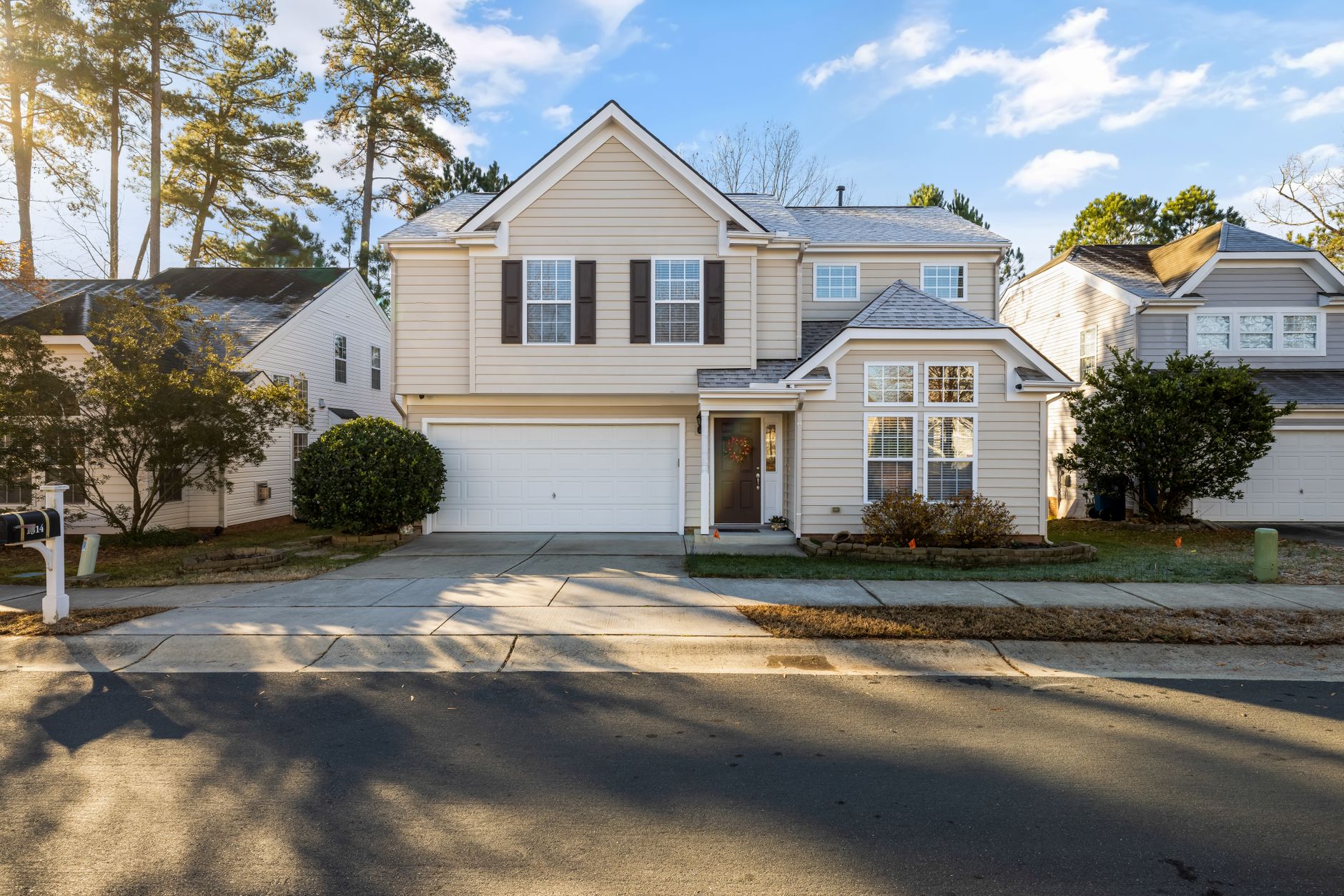
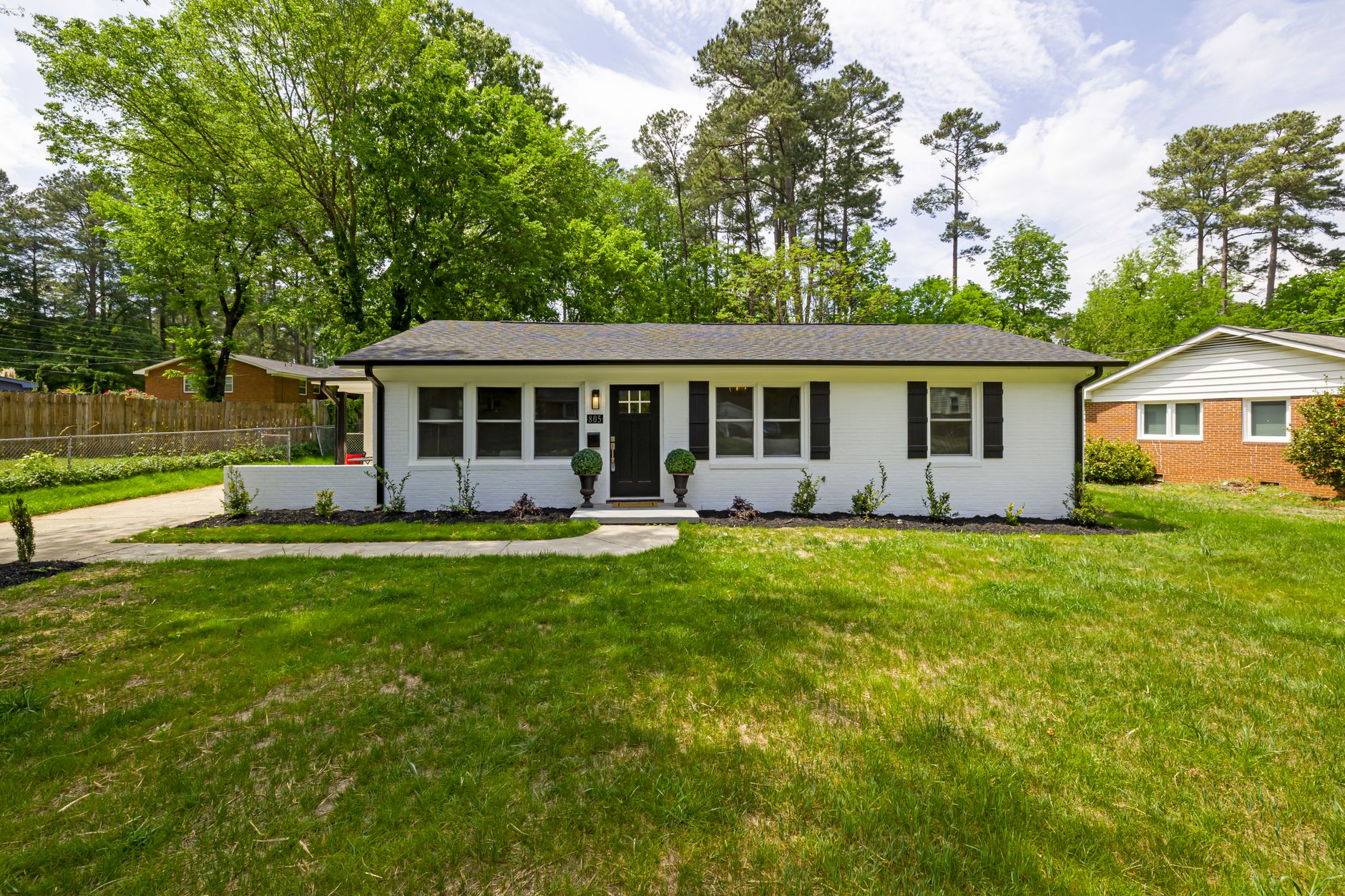
Dallas real estate has unique challenges that make photo enhancement especially valuable. The market features a mix of mid-century ranch homes, new construction in suburbs like Frisco and Plano, and high-rise condos in Uptown and Victory Park. Many properties need visual help to compete with newer builds or to overcome common issues like dated interiors, limited natural light, or cluttered rooms.
According to the National Association of Realtors, homes with high-quality photos receive 118% more online views than those with average imagery. In Dallas specifically, where the median days on market hovers around 35-45 days depending on price point, that extra visibility translates directly into faster sales. A report from Inman News in 2025 confirmed that listings with enhanced photos generate 61% more showings than those with unedited images.
Forbes reported in 2025 that real estate professionals using AI-powered visual tools saw average listing engagement increases of 62% compared to traditional photography alone. This matters in Dallas because the local buyer pool includes a large percentage of out-of-state relocators—over 40% according to Dallas Regional Chamber data—who make decisions based primarily on digital first impressions.
The pattern I see consistently with Dallas clients is that agents who invest in photo enhancement early in the listing process reduce their marketing costs downstream. Instead of needing multiple open houses or expensive print ads to generate interest, the enhanced images do more of the heavy lifting online. For example, a Keller Williams team in Lakewood reported cutting their marketing spend by 30% after adopting AI enhancement, while their listing views actually increased.
Key Benefits for Dallas Real Estate Professionals
Faster Turnaround Without Sacrificing Quality
Traditional photo editing can take hours per property. Dallas agents often juggle multiple listings simultaneously, especially during peak seasons in spring and fall. AI-driven real estate photo enhancement in Dallas delivers market-ready images in roughly 12 seconds per photo while maintaining architectural accuracy. This speed advantage becomes critical when a seller wants to list quickly or when an agent needs to refresh an existing listing that isn't getting traction. The ability to generate enhanced versions the same day as the shoot changes how teams operate.
Higher Engagement and More Showings
Properties with enhanced photos don't just look better—they perform better. Local agents report 40-70% increases in save rates on platforms like Zillow and Realtor.com after implementing AI enhancement. In Dallas's competitive North Dallas and Preston Hollow neighborhoods, this edge often determines which homes get multiple offers. A Compass agent in Dallas told me that her listings with enhanced photos consistently receive 3x more inquiries than those with standard photography.
Cost Efficiency Compared to Traditional Methods
Hiring professional editors or staging companies for every listing adds up quickly. Real estate photo enhancement in Dallas through AI tools typically costs 60-70% less than traditional post-production services while delivering comparable or superior results for most property types. Here's a quick comparison:
| Service Type | Traditional Cost | AI Enhancement Cost | Savings |
|---|---|---|---|
| Virtual staging | $150-$400 per room | $20-$60 per listing | 70-85% |
| Photo retouching | $30-$80 per photo | $5-$15 per photo | 75-80% |
| Day-to-dusk conversion | $50-$100 per photo | $10-$25 per photo | 75-80% |
💡
Key Takeaway
Dallas agents who combine professional photography with AI enhancement achieve the best of both worlds—authentic property representation at a fraction of the time and cost of manual editing.
Comparison of Traditional vs AI Enhancement
When considering which approach fits your business, it's helpful to see the differences side by side:
| Aspect | Traditional Editing | AI Real Estate Photo Enhancement in Dallas | Modern AI + Professional Hybrid |
|---|---|---|---|
| Time per property | 2-4 hours | 12 seconds per photo | 15-30 minutes per property |
| Average cost | $150-400 | $20-60 | $80-150 (combined) |
| Consistency across listings | Variable | High | Very high |
| Ability to handle volume | Limited by editor capacity | Scalable | Scalable with low overhead |
| Architectural accuracy | Depends on editor skill | Preserved by domain-trained models | Excellent |
| Learning curve | Low (outsourced) | Low (platform UI) | Moderate (coordination) |
Real Examples from Dallas
One Preston Hollow agent brought us a 4,200-square-foot listing with dated 1990s interiors and heavy furniture. After applying real estate photo enhancement in Dallas through our platform, the virtual staging transformed the living areas into modern, light-filled spaces. The listing received 47% more saves in the first week compared to the original photos and went under contract in 19 days—versus the 45-day average for that price point.
Another example came from a team handling new construction in Frisco. Their standard MLS photos showed empty rooms with basic builder finishes. Using AI enhancement, they added contemporary furnishings that matched the target buyer demographic—young families and tech professionals. The enhanced images helped the builder sell three units in the first month of the release—something they attributed partly to stronger online presentation. According to the team lead, the cost of enhancement was recouped 10x over from the faster sales cycle.
These results align with broader industry findings. McKinsey's 2025 real estate technology report noted that agents adopting visual AI tools experienced average marketing cost reductions of 64% while maintaining or improving conversion rates. For a typical Dallas team closing 30 listings per year, that translates to savings of $12,000-$18,000 annually.
A third case: a Realtor in East Dallas had a listing that lingered for 60 days with standard photos. After applying basic AI enhancement (brightness, contrast, sky replacement), the listing received a flurry of showing requests within 48 hours and went under contract in 10 days. The seller was thrilled, and the agent now uses enhancement on every listing without exception.
How to Get Started with Real Estate Photo Enhancement in Dallas
Getting started with real estate photo enhancement in Dallas follows a straightforward process that most agents can implement immediately.
First, capture your base images using standard real estate photography practices—wide angles, even lighting, and clean compositions. Many Dallas photographers already shoot in this style, which pairs perfectly with enhancement tools. If you're shooting with a smartphone, ensure the lens is clean and use grid lines to keep horizons straight.
Next, upload your photos to a specialized platform. RealVision AI processes images through models trained specifically on real estate photography, preserving structural details while applying enhancements like virtual staging, sky replacement, and lighting adjustments. The interface guides you through each step, making it accessible even for tech-novice users.
Then review the output. Most agents find they need only minor adjustments for 80% of their listings. The remaining 20% may require a quick tweak to furniture placement or color balance, which takes minutes rather than hours. Tips for review: check that floors remain straight, windows don't appear deformed, and furniture scales match room dimensions.
Finally, export the enhanced files directly to your MLS and marketing channels. The entire workflow from shoot to published listing can happen the same day, which is particularly valuable in Dallas's fast-moving market. To maximize consistency, create a preset for your brand's preferred look—this ensures every listing reflects your professional standards.
For a deeper dive into technical details, see our guide on using real estate photo enhancement tools effectively.

Best Practices for Dallas Agents
Based on what I've seen successful agents do, here are the top practices for maximizing ROI from real estate photo enhancement:
-
Always start with the best possible base image. Even the best AI can't fix severe blur or bad exposure. Use a tripod for consistent framing and shoot in RAW if possible.
-
Use enhancement selectively. Not every room needs virtual staging. Focus on primary living spaces, kitchens, and master suites. Bathrooms and secondary bedrooms often benefit more from simple lighting corrections.
-
Maintain consistency across the listing. Ensure all photos have similar color temperature and lighting to avoid a jarring experience for buyers scrolling through the set.
-
Leverage sky replacement for exteriors. A dramatic sky can make a property look more inviting, especially in Dallas's often bright, harsh sunlight. But keep it realistic—avoid stormy or sunset skies that misrepresent the actual scene.
-
Combine with professional photography for high-end listings. For luxury properties above $1M in areas like Highland Park, the hybrid approach yields the best results. The professional photographer handles the shoot, and AI enhancement adds the polish.
-
Track your metrics. Use MLS data to compare days on market and views for enhanced vs. non-enhanced listings. This evidence will help you convince skeptical sellers.
💡
Key Takeaway
Consistency and realism are the cornerstones of effective AI enhancement. Over-styling can erode trust, while subtle improvements build confidence and engagement.
For more tips, check out Virtual Staging Software Tips: A Complete Guide for 2026 and How to Choose AI Real Estate Photography in 2026.
Common Objections and Answers
Most people assume AI enhancement will make properties look unrealistic. That said, modern tools trained on architectural data preserve proportions and structural integrity far better than generic filters. The key is using a platform built specifically for real estate rather than consumer editing apps.
Another common concern is whether enhanced photos can replace professional photography. In practice, the best results come from combining both—professional shooters capture accurate base images while AI handles the enhancement layer. Dallas agents who use this hybrid approach report the highest satisfaction.
Some worry about cost justification. However, when you calculate the time saved versus traditional editing plus the increase in engagement, the ROI becomes clear within the first few listings. One Dallas brokerage tracked a 3.2x return on their enhancement investment over six months.
A final objection we hear is about learning curve. Most platforms, including RealVision AI, are designed for non-technical users. The process takes longer to explain than to actually perform. In fact, the average new user creates their first enhanced listing in under 20 minutes.
Frequently Asked Questions
How long does real estate photo enhancement in Dallas typically take?
The actual processing time for most photos is under 15 seconds per image once uploaded. The full workflow—including upload, review, and export—usually takes agents 10-20 minutes per listing depending on the number of photos and whether virtual staging is applied. This represents a dramatic improvement over traditional editing timelines, which can take 2-4 hours per property.
Is real estate photo enhancement in Dallas suitable for luxury properties?
Yes. High-end homes in areas like Highland Park and University Park benefit significantly from enhancement because buyers in that segment expect polished presentation. The key is using tools that maintain architectural accuracy rather than over-stylizing. Many luxury agents in Dallas now use AI enhancement as a final polish after professional photography.
Does real estate photo enhancement in Dallas work on iPhone photos?
Modern AI platforms can enhance photos taken on smartphones, though results improve dramatically when base images follow basic real estate photography principles. For agents who occasionally shoot their own listings, How to Enhance MLS Photos Shot on iPhone Using AI provides specific guidance on getting professional-looking results from mobile captures.
How does real estate photo enhancement in Dallas compare to virtual staging?
Photo enhancement focuses on improving existing images through lighting, color, and minor object adjustments. Virtual staging adds furniture to empty rooms. Many Dallas agents use both techniques together—enhancing the photo quality first, then applying virtual staging where needed. Virtual Staging vs Traditional Staging: Real Cost Breakdown for Agents breaks down the economics of each approach.
Will real estate photo enhancement in Dallas make my listings look fake?
When done correctly with domain-specific AI models, enhancement preserves the property's actual architecture and proportions. The goal is to present the home in its best realistic light rather than creating something unrecognizable. Dallas buyers who tour properties after seeing enhanced photos rarely report feeling misled when the enhancements are applied thoughtfully.
What is the typical return on investment for AI photo enhancement?
Most Dallas agents see a 3-5x ROI within the first quarter of use. Savings come from reduced editing costs, faster days on market, and higher listing engagement. A typical agent spending $2,000 on AI enhancement over six months can expect $6,000-$10,000 in additional commission income from faster sales.
Final Thoughts on Real Estate Photo Enhancement in Dallas
Real estate photo enhancement in Dallas has moved from nice-to-have to expected standard for agents who want to compete effectively. The combination of faster turnaround, lower costs, and measurably better engagement makes it one of the highest-ROI marketing investments available to local professionals right now. As the market continues to grow and attract out-of-state buyers, the importance of compelling online visuals will only increase.
If you're ready to see what enhanced visuals can do for your Dallas listings, visit RealVision AI to get started with our platform. We've built the tools specifically for real estate workflows, and our team understands the unique demands of the Dallas market. Try it risk-free with a no-commitment trial and see the difference in your listing performance.
Recommended Readings
To deepen your understanding of these topics, we recommend reading the following articles:
- AI in Real Estate
- Ultimate AI Lead Generation for Real Estate Agents
- AI Real Estate Photography
- AI Virtual Staging by Property Type
About the Author
Lucas Correia is the founder of RealVision AI, a specialized platform for real estate photo enhancement and virtual staging. He works directly with agents and photographers across major markets including Dallas to implement AI-powered visual workflows that reduce post-production time while improving listing performance.
Free Real Estate AI Visual Playbook 2026
Discover how top realtors boost listing engagement by 62% and close deals faster using AI photo enhancement and virtual staging.