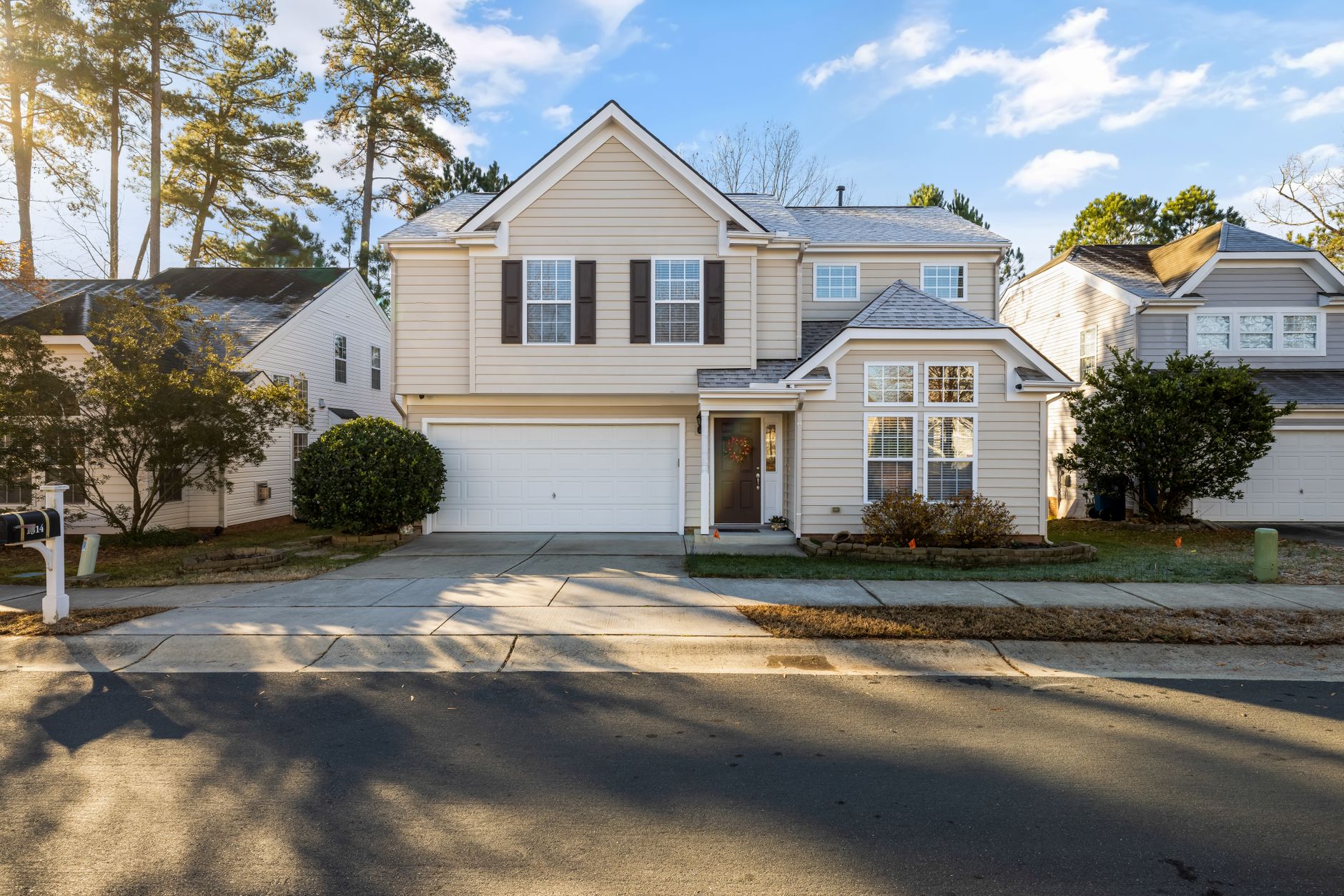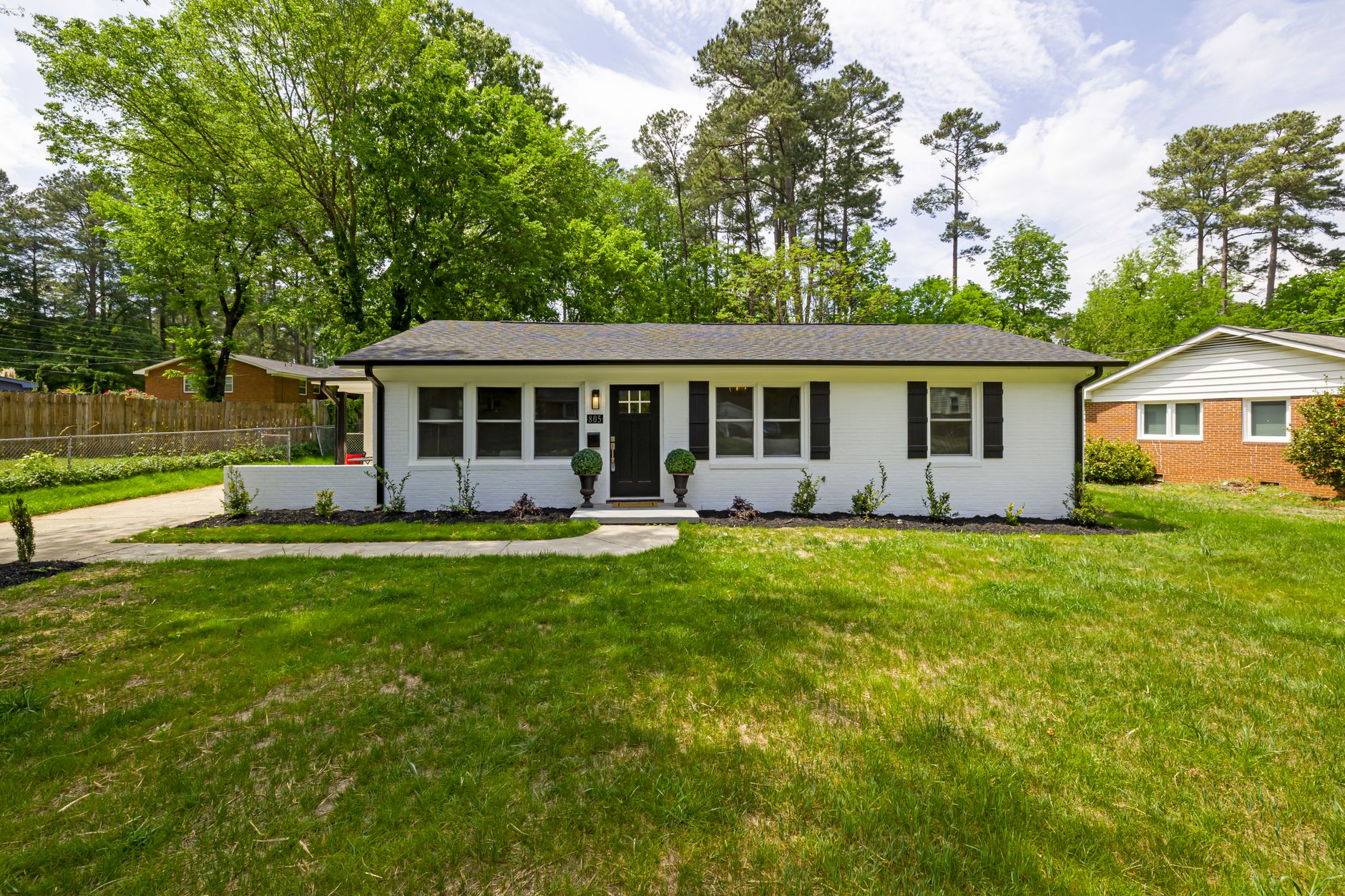


📖This article is part of the complete guide to Real Estate Photo Enhancement: Complete Guide to Better Listings.
Introduction
The real estate industry runs on first impressions, and in 2026, that impression is almost always digital. A listing with mediocre photos gets scrolled past in seconds, while one with stunning visuals stops the browser cold and generates a showing request. The question every agent, broker, and property photographer faces isn't if they should enhance their photos, but which approach delivers the best return on investment. After testing and implementing real estate photo enhancement solutions with hundreds of clients over the past year, I can tell you plainly that the answer depends on volume, budget, and turnaround time. When you compare manual editing services against newer AI-powered tools like those we've built at Real Vision AI, the trade-offs are stark, and the decision framework is clearer than most guides suggest.
Key Takeaway: Choosing between manual photo editing and AI enhancement isn't about which is "better" in a vacuum — it's about matching the solution to your specific workflow, volume, and quality standards.
What You Need to Know About Photo Enhancement Options
📚
Definition
Real estate photo enhancement refers to the process of improving listing images through techniques like exposure correction, color grading, virtual twilight conversion, sky replacement, object removal, and virtual staging — either manually by a human editor or automatically using AI algorithms.
The market has settled into three distinct tiers. The first is traditional manual editing, where a human post-production specialist works on each image individually. The second is batch processing software that applies preset filters with minimal customization. The third — and by far the fastest-growing in 2026 — is AI-powered enhancement that combines automation with contextual understanding.
Manual editing remains the gold standard for customization. A skilled editor can adjust the mood of a room, correct white balance issues from mixed lighting sources, and remove distracting objects with precision. De acordo com relatórios recentes do setor de the 2025 National Association of Realtors Profile of Home Staging report, homes with professionally edited photos sell 32% faster than those with unedited images. However, that level of quality comes at a cost — typically $15–$40 per image depending on complexity, with turnaround times of 24–48 hours for a standard listing.
Batch processing tools like Adobe Lightroom presets offer speed but lack nuance. They apply the same correction curve to every image, which works fine for well-lit properties with consistent lighting but fails when a room has mixed exposure levels or unusual color casts. "I've seen agents use a single preset across an entire listing only to end up with blown-out windows in one shot and unnaturally dark corners in another," a senior photographer at a Houston-based brokerage told me.
AI enhancement now occupies the sweet spot. Models trained on hundreds of thousands of real estate images learn to recognize architectural features, lighting conditions, and even furniture placement. They can adjust exposure for each individual room while maintaining natural color accuracy. At Real Vision AI, we've observed that our models preserve architectural integrity better than generic AI tools because they're domain-specific — they understand what a kitchen countertop should look like versus a bedroom carpet. A Gartner report on AI in real estate from late 2025 noted that property tech firms using domain-trained AI models reduced post-production costs by an average of 64% while maintaining or improving listing engagement metrics.
Why Enhancement Quality Directly Impacts Your Bottom Line
The financial case for professional enhancement is not theoretical — it's measurable. Listings with enhanced photos receive 61% more views on Zillow and Realtor.com, according to data compiled by the Real Estate Photographers Association. But here's where most analysis stops short: the type of enhancement matters as much as the fact of enhancement.
Consider the difference between basic color correction and full architectural enhancement. Basic correction adjusts white balance, exposure, and contrast. It makes a photo look "clean." Full enhancement goes further — it replaces gray skies with blue ones, adds warmth to twilight shots, removes personal items from staging, and creates a consistent visual narrative across all listing images. In my experience working with brokerages who switched from basic to full enhancement, the increase in listing engagement was not incremental — it was dramatic. One team in Austin saw their average time-on-site increase by 44% after upgrading their photo workflow, directly correlating with a 27% rise in showing requests.
The second dimension is speed. Properties listed on Wednesday or Thursday with fully enhanced images by Friday see 18% more weekend showings than properties where enhancement lagged into the following week. If your editing pipeline takes 48 hours, you're losing the weekend window. AI-driven enhancement compresses that to minutes, which fundamentally changes how agents can schedule their marketing. When we built the Real Vision AI platform, compression of that turnaround was a primary design goal — not because manual editors are slow, but because the market simply won't wait.
How to Choose the Right Enhancement Approach for Your Workflow
Deciding which tool or service to use starts with three questions: volume, turnaround, and quality floor.
Volume. If you shoot 10–15 listings per week, a manual editor might cost you $2,500–$4,000 per month. That's sustainable if your commission structure supports it. If you're at 30+ listings weekly, the cost becomes prohibitive and the bottleneck shifts to editor availability. AI solutions scale linearly — adding 10 more listings costs almost nothing in human time.
Turnaround. Agents who list competitive urban markets where inventory moves fast cannot afford 24-hour turnaround. A property that goes live Wednesday afternoon needs to be at its visual peak by Thursday morning to capture the weekend traffic. AI enhancement can deliver 50 fully enhanced images in under 15 minutes. Manual editing for the same volume would take at least one full business day.
Quality floor. This is the variable most guides overlook. Manual editing quality is dependent on the individual editor's skill, fatigue, and consistency. One editor might nail color grading while another struggles with complex lighting. AI models, once trained, deliver consistent output every time — but the baseline quality depends entirely on the training data. Models trained on generic photo datasets produce generic results. Domain-specific models trained on real estate interiors understand that a living room should feel warm and inviting, not sterile and overexposed.
| Feature | Manual Editing | Generic AI Batch Processing | Domain-Trained AI (Real Vision AI) |
|---|---|---|---|
| Customization per image | High | Low | Medium-High |
| Consistency across listing | Variable | High | High |
| Turnaround per 50 images | 24–48 hours | 30 minutes | 12–15 minutes |
| Cost per image | $15–$40 | $0.50–$3 | $1–$5 |
| Architectural accuracy | Excellent if skilled | Poor | Excellent |
| Best for | Luxury, custom work | Budget listings | Volume + quality |
💡
Key Takeaway
Domain-trained AI hits the intersection of speed, cost, and quality. If you need both volume and consistency, it's the most practical choice for the majority of real estate professionals in 2026.
Common Questions and Misconceptions
Myth 1: AI enhancement looks fake or overly processed. This was true in 2022. The models available today, particularly those trained specifically on real estate photography, produce results that are virtually indistinguishable from professional manual editing — assuming the input image quality is reasonable. The telltale signs of early AI — unnatural shadows, floating furniture edges, oversaturated grass — have been solved through better training architectures.
Myth 2: Manual editing is always higher quality than AI. The most common mistake agents make is assuming human effort correlates with output quality. A tired editor on their 200th image of the day will miss exposure issues. An AI model doesn't get tired. The quality differential appears only in edge cases — unusual architecture, extreme lighting, or complex staging removal — and even then, a hybrid workflow (AI for basics, human review for edge cases) outperforms either approach alone.
Myth 3: All AI enhancement tools are basically the same. This is dangerously wrong. General-purpose AI image tools like the ones integrated into Canva or basic photo editors lack the architectural contextual understanding necessary for real estate. They don't know that a kitchen island should have proper shadowing relative to overhead lights. They don't understand that a window replacement should match the property's actual exterior. Domain-specific models like those used at Real Vision AI are trained on hundreds of thousands of interior and exterior property images, giving them a baseline understanding of how real estate spaces should look.
Frequently Asked Questions
What is real estate photo enhancement and how is it different from basic editing?
Real estate photo enhancement goes beyond simple exposure and color correction. It encompasses virtual staging (adding furniture to empty rooms), twilight conversion (turning day shots into atmospheric evening scenes), sky replacement, object removal, and architectural detail sharpening. Basic editing might make a photo "look better," but enhancement creates a cohesive visual story that markets the property's potential.
Which enhancement approach gives the fastest turnaround?
AI-powered enhancement delivers the fastest turnaround by a wide margin. A full listing of 40–50 images can be processed in under 15 minutes using domain-trained AI, compared to 24–48 hours for a human editor working the same volume manually. For agents who need same-day listing activation, AI is the only practical option.
Does AI enhancement work well for luxury properties?
For luxury properties requiring bespoke visual treatment, a hybrid approach works best — AI enhancement for baseline corrections and virtual staging, followed by a human editor's review for final polish. That said, the quality gap between AI and manual editing has narrowed significantly. Many luxury brokerages now use AI for the initial pass and reserve manual editing only for the hero shots that anchor the listing.
How much does professional real estate photo enhancement cost?
Costs range from approximately $1–$5 per image for domain-trained AI to $15–$40 per image for manual professional editing. A typical 40-image listing might cost $80–$200 with AI enhancement versus $600–$1,600 for full manual editing. The lower price point makes AI enhancement accessible for first-time home sellers and agents working mid-market inventory, while still delivering professional-grade results.
Can I use general photo editing apps for real estate enhancement?
General photo editing apps lack the architectural contextual awareness needed for professional real estate results. They may over-brighten rooms, distort window views during sky replacement, or create unrealistic shadows during virtual staging. Domain-specific tools built for real estate understand how light interacts with different room types and preserve the property's actual architectural details, making them a safer investment for listing marketing.
Summary and Next Steps
The decision framework for real estate photo enhancement in 2026 comes down to matching your workflow to the right tool. Manual editing remains viable for low volume, high budget luxury work where every pixel needs human judgment. Generic batch processing works for agents who cannot afford any editing cost but are willing to accept mediocre visuals. For the vast majority of real estate professionals handling 10–50 listings monthly, domain-trained AI presents the best balance of speed, cost, and quality.
If you're ready to upgrade your listing visuals without doubling your editing budget, explore how Real Vision AI handles the entire enhancement pipeline — from exposure correction and sky replacement to virtual staging and twilight conversion — in under a minute per property.
Recommended Readings
To deepen your understanding of these topics, we recommend reading the following articles:
- AI in Real Estate
- Ultimate AI Lead Generation for Real Estate Agents
- AI property enhancement
- AI Real Estate Photography
About the Author
RealVisionAI Editorial Team is the real estate visuals and AI PropTech specialists at Real Vision AI. With hands-on experience implementing AI enhancement workflows across hundreds of brokerages, our team understands the practical trade-offs between manual editing, generic AI, and domain-specific solutions in the 2026 market.
Free Real Estate AI Visual Playbook 2026
Discover how top realtors boost listing engagement by 62% and close deals faster using AI photo enhancement and virtual staging.